Reliable Wiring Interface for POINT I/O System Integration
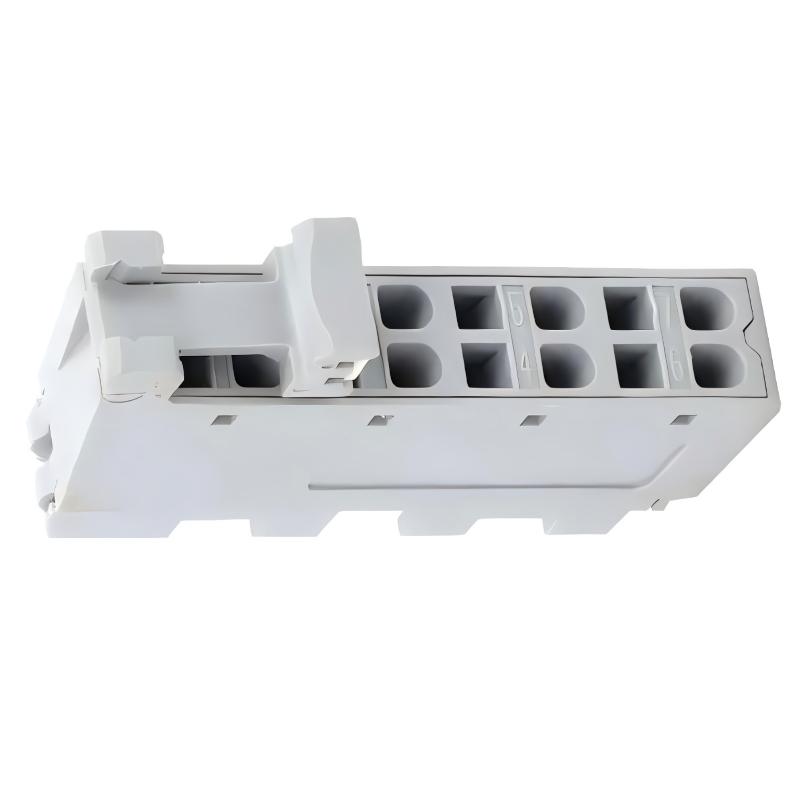
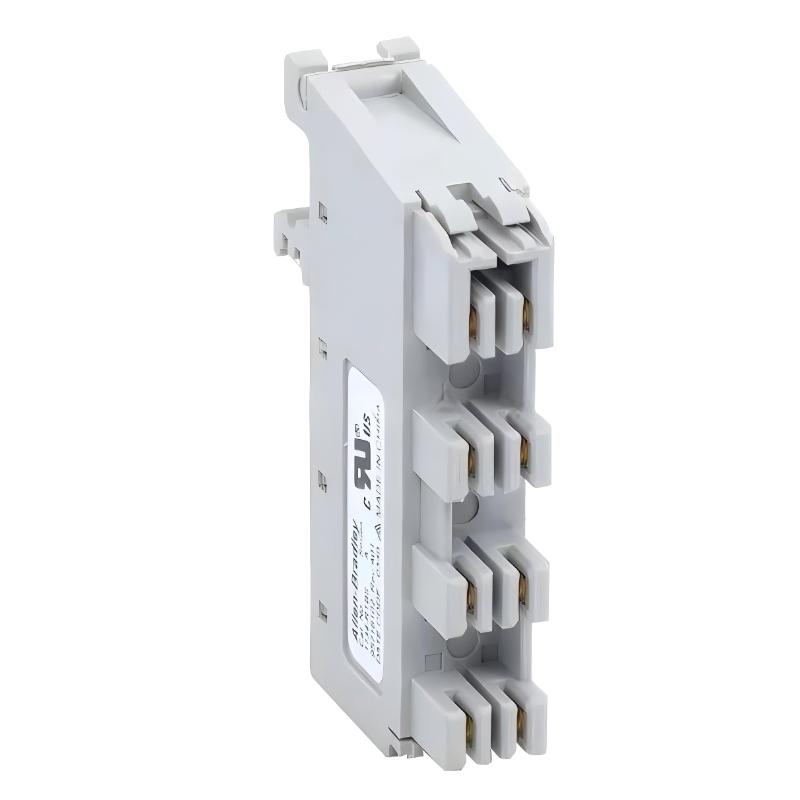
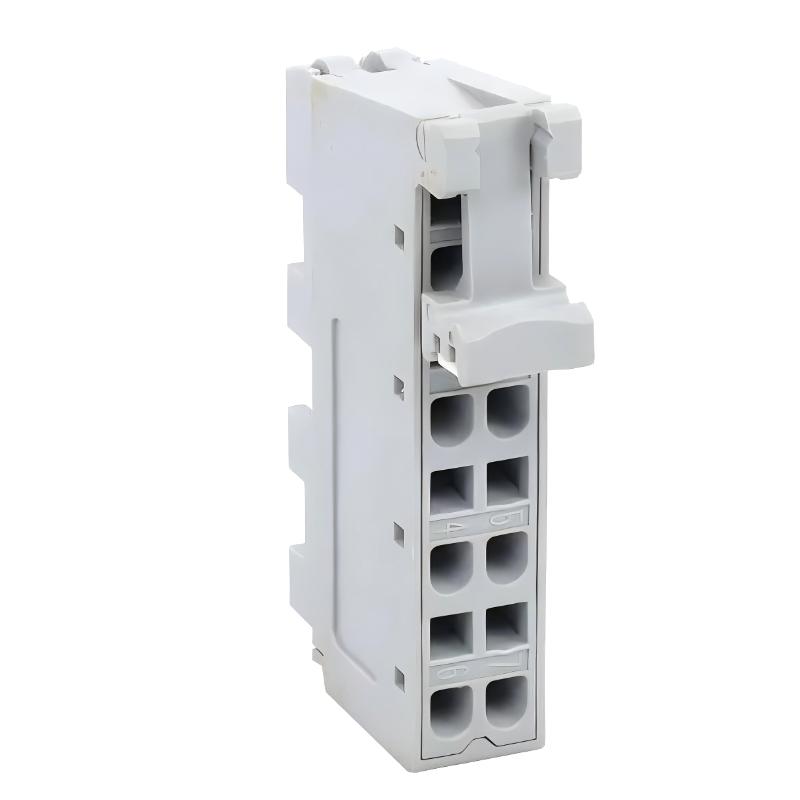
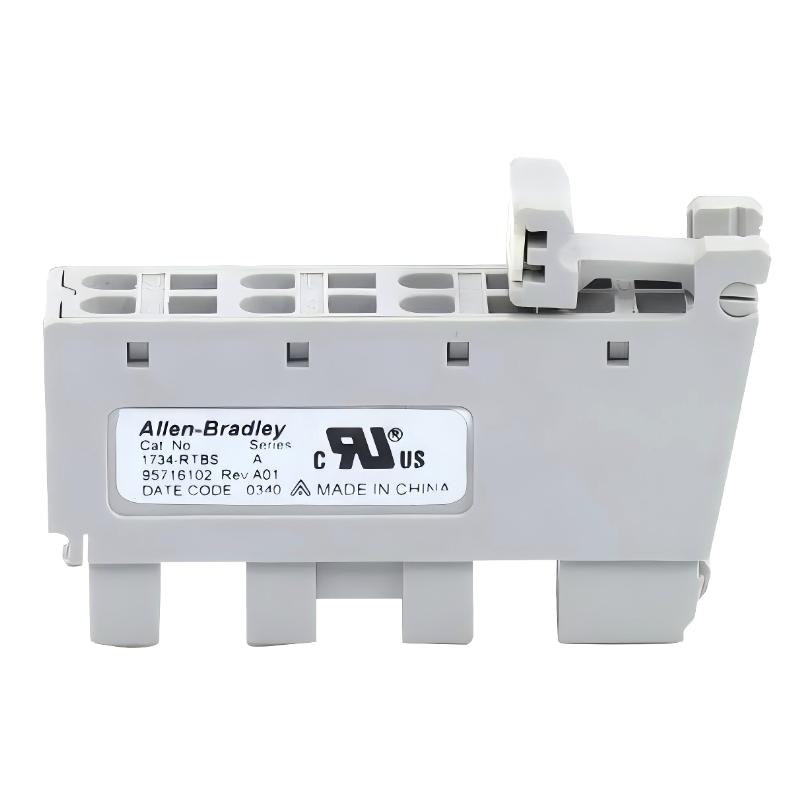
The Allen Bradley 1734-RTBS Terminal Block is a removable spring-clamp terminal solution designed for use within the POINT I/O distributed automation platform. It provides a secure and efficient wiring interface between field devices and POINT I/O modules, enabling fast installation, simplified maintenance, and consistent electrical connectivity in industrial control systems.
Engineered for modular flexibility, the 1734-RTBS allows technicians to connect multiple field wires through a compact 8-terminal spring-clamp design. It is widely used in machine automation, process control, and cabinet-based systems where quick replacement, reduced downtime, and structured wiring are essential.
Its plug-in design separates field wiring from the I/O module itself, making system maintenance significantly easier while supporting Rockwell Automation’s scalable POINT I/O architecture.
Technical Specifications
| Parameter | Specification |
|---|
| Manufacturer | Allen Bradley |
| Product Family | POINT I/O |
| Model Number | 1734-RTBS |
| Module Type | Removable Terminal Block (RTB) |
| Number of Terminals | 8 |
| Terminal Type | Spring-clamp connection |
| Wire Size Range | 14–22 AWG |
| Mounting Type | DIN rail (via POINT I/O base) |
| Voltage Rating | Up to 300V signal terminals |
| Current Rating | Up to 2A signal current |
| Isolation Voltage | Approx. 250V |
| Operating Temperature | -20°C to 50°C (typical industrial range) |
| Relative Humidity | Up to 80% non-condensing |
| Weight | Approx. 0.06 kg |
| Form Factor | Open-style industrial accessory |
Applications
The 1734-RTBS is used wherever POINT I/O systems require structured, fast, and maintainable field wiring connectivity.
Typical applications include:
-
Distributed I/O control panels
-
Industrial machine wiring systems
-
Packaging and production lines
-
Conveyor automation systems
-
Process monitoring cabinets
-
OEM equipment integration
-
Remote I/O node assemblies
-
Factory automation networks
It is especially valuable in systems designed for frequent module replacement or maintenance under production conditions.
Advantages
Fast Installation and Replacement
The removable design allows technicians to disconnect wiring from the module base without disturbing the entire control system, significantly reducing downtime during maintenance.
Secure Spring-Clamp Wiring
Spring-clamp terminals provide stable and vibration-resistant connections, improving reliability in industrial environments.
Modular POINT I/O Architecture Support
The 1734-RTBS is a key element in separating field wiring from I/O electronics, enabling scalable and flexible automation system design.
Reduced Wiring Errors
Clear terminal organization and plug-in structure reduce installation mistakes and improve long-term system consistency.
Maintenance-Friendly Design
Field wiring remains intact during module replacement, allowing faster troubleshooting and service operations.
Technical FAQs
1. What is the main function of the 1734-RTBS?
It provides a removable wiring interface for Allen Bradley POINT I/O modules.
2. How many terminals does it include?
It includes 8 spring-clamp terminals for field wiring connections.
3. What wire sizes are supported?
It supports wire sizes from 14 to 22 AWG.
4. Is it part of the I/O module itself?
No. It is a separate terminal block that connects to the POINT I/O mounting base.
5. What type of connection does it use?
It uses spring-clamp terminals for secure, tool-efficient wiring.
6. Can it be replaced without rewiring the entire system?
Yes. The removable design allows module replacement while keeping field wiring intact.
7. What systems is it compatible with?
It is designed specifically for Allen Bradley POINT I/O systems.
8. Is it suitable for industrial vibration environments?
Yes. Spring-clamp connections help maintain stability under vibration conditions.
9. Does it require DIN rail mounting?
Yes. It is used with DIN rail-mounted POINT I/O base assemblies.
10. Why is it used in modular automation systems?
It improves installation speed, reduces downtime, and separates wiring from electronics for better serviceability.
 A DCS Q Co., Ltd. - PLC and DCS Industrial Control Equipment Wholesale