High-Density Field Wiring Interface for Scalable ABB S800 I/O Systems
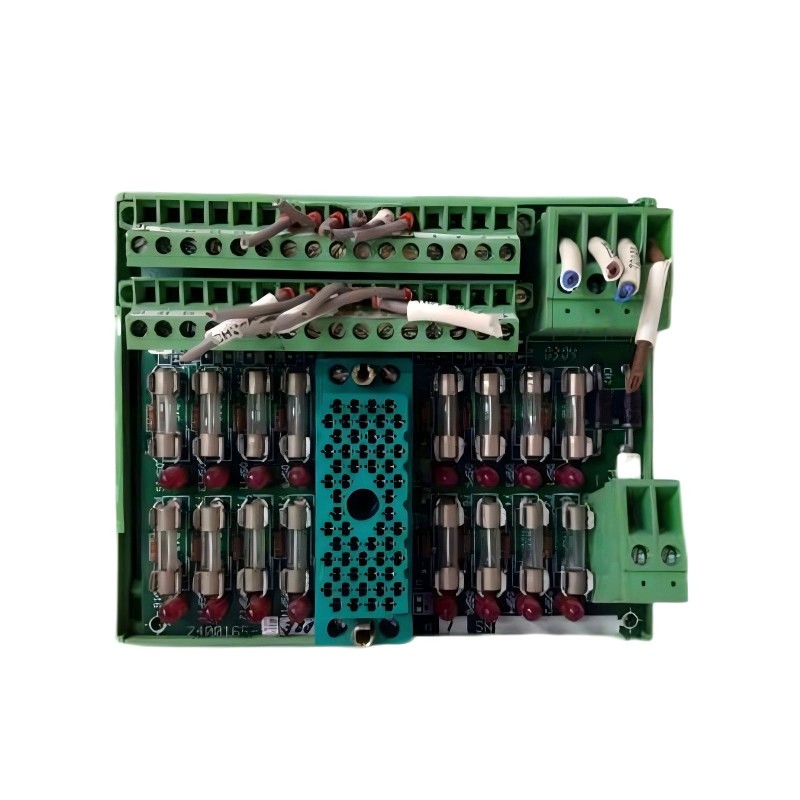
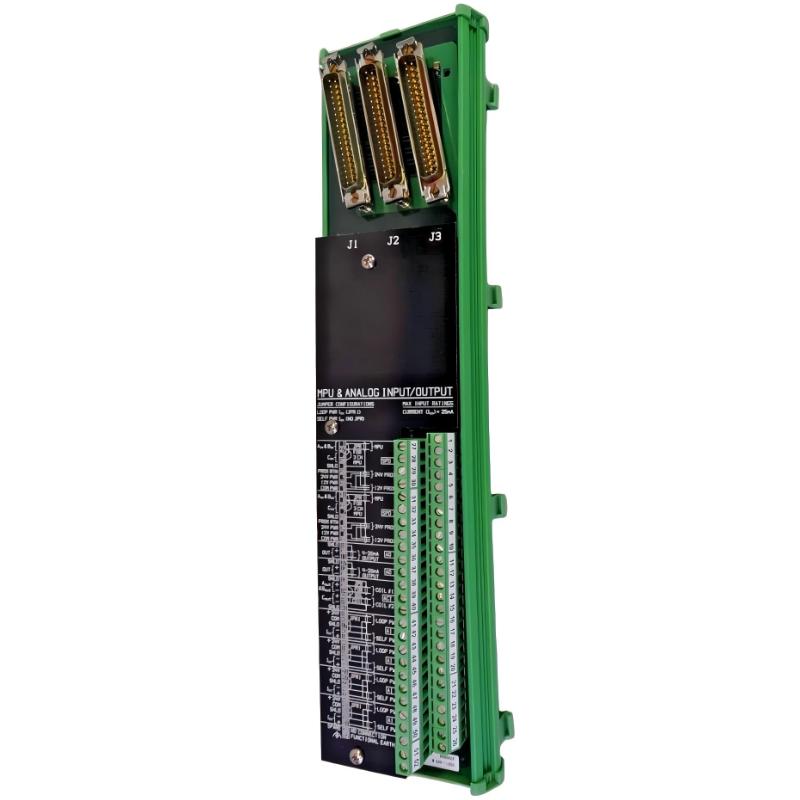
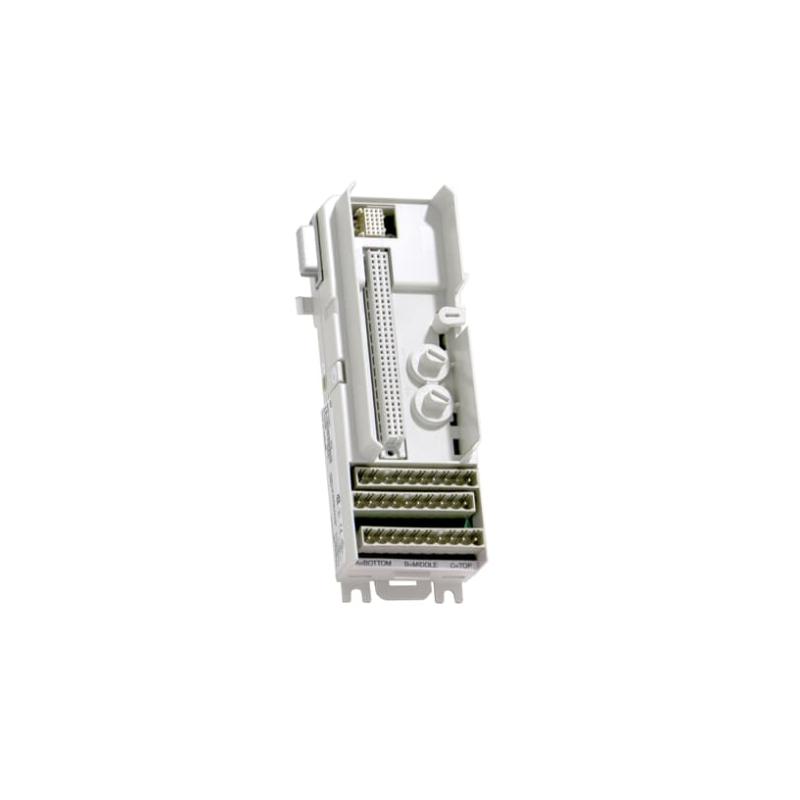
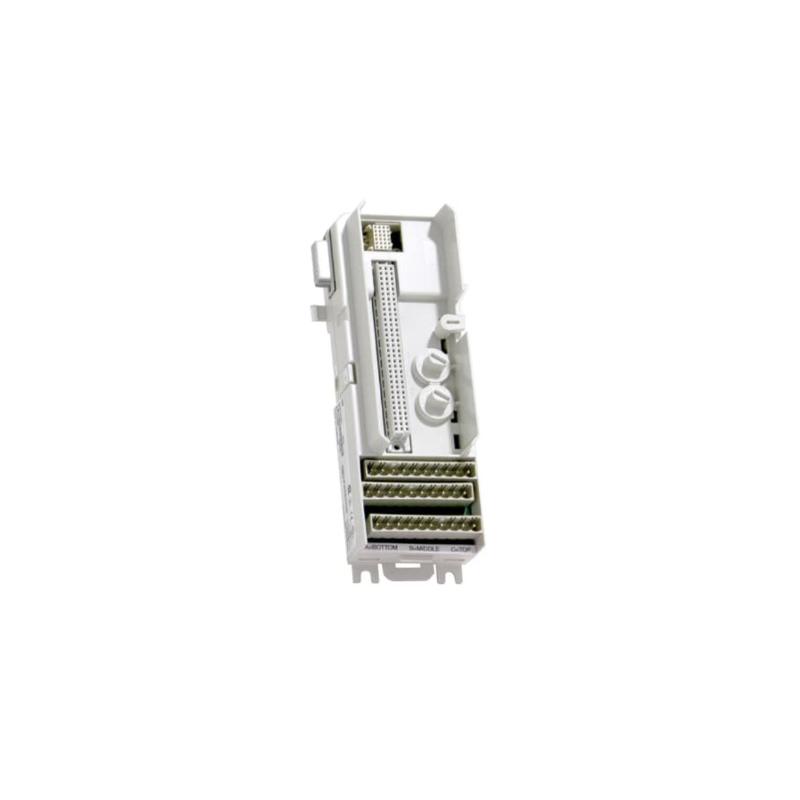
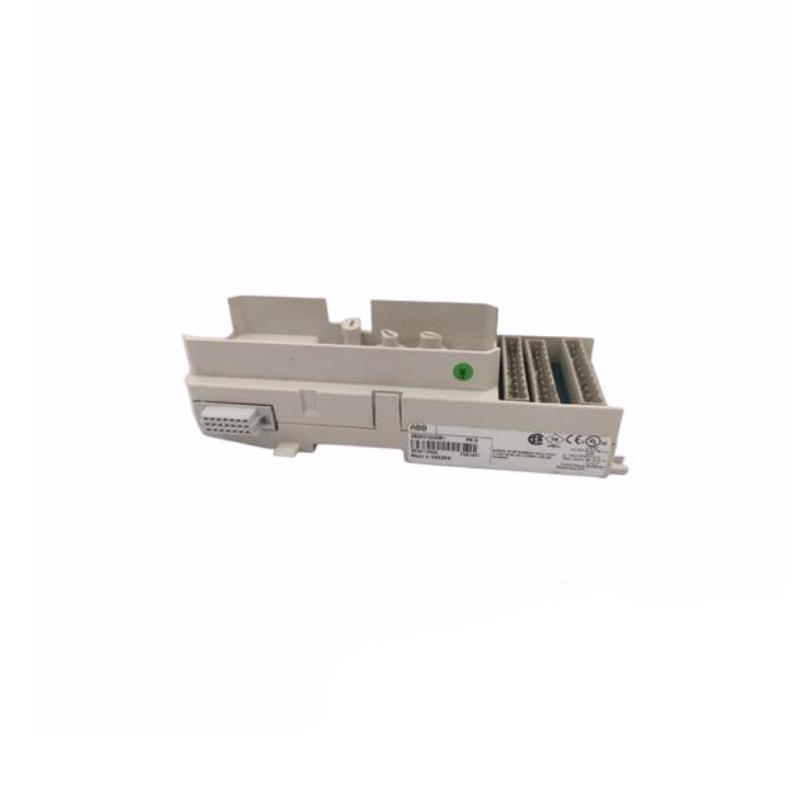
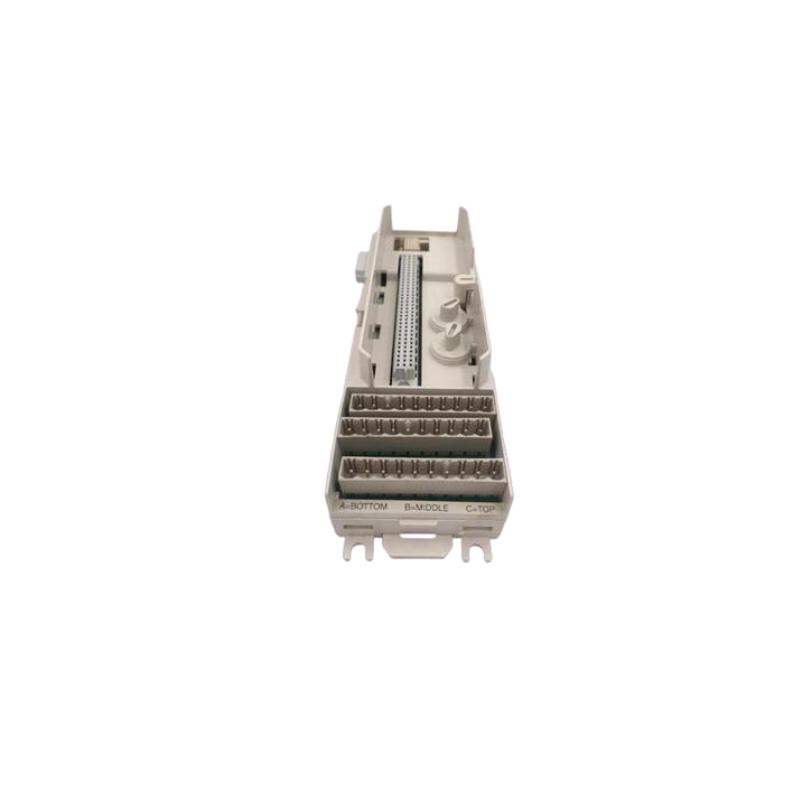
The ABB TU814V1 (3BSE013233R1) Module Termination Unit is a compact and high-capacity interface component designed for ABB S800 I/O architectures. It provides the essential electrical and mechanical connection between field wiring and I/O modules, ensuring stable signal transmission, structured wiring organization, and reliable ModuleBus communication within industrial automation systems.
As a passive module, the TU814V1 does not process signals but plays a critical role in system integrity by enabling secure termination, simplifying maintenance, and supporting modular expansion in large-scale distributed control systems. It is widely deployed in process industries where wiring density, system scalability, and long-term reliability are key requirements.
Technical Specifications
| Specification Item | Details |
|---|
| Model | TU814V1 |
| Order Number | 3BSE013233R1 |
| Manufacturer | ABB |
| Product Type | Module Termination Unit (MTU) |
| System Platform | ABB S800 I/O / 800xA |
| Channel Capacity | Up to 16 channels |
| Signal Configuration | 2x8 isolated channel groups |
| Rated Voltage | 50 V |
| Max Current per Channel | up to 2 A |
| Function | Passive termination + ModuleBus distribution |
| Connection Type | Crimp snap-in terminals |
| Mounting Method | DIN rail mounting |
| Mechanical Keying | 36 configuration combinations |
| Operating Temperature | 0°C to 55°C |
| Net Weight | approx. 0.215 kg |
| Dimensions | 64 × 170 × 58.5 mm |
Role in Industrial Automation Systems
The TU814V1 serves as a high-density termination platform in ABB distributed control systems. It organizes field wiring into structured groups while simultaneously supporting internal ModuleBus communication between I/O modules.
Typical application environments include:
-
ABB 800xA distributed control systems
-
S800 I/O process control cabinets
-
Oil and gas production facilities
-
Petrochemical and refinery automation
-
Power generation and utility systems
-
Water treatment and infrastructure control
-
Industrial manufacturing automation systems
Its dual 8-channel grouping design helps engineers manage complex wiring layouts while maintaining system clarity and serviceability.
Key Features and Engineering Advantages
High-Density 16-Channel Architecture
Supports up to 16 field signals, making it ideal for compact yet highly scalable I/O cabinet designs.
Stable Signal Termination Design
Ensures secure field wiring connection, reducing noise susceptibility and improving signal consistency in industrial environments.
Dual Isolated Channel Groups
Channels are arranged in two independent groups of eight, improving system organization and fault segmentation.
Mechanical Keying System
Supports 36 configuration combinations to prevent incorrect module insertion and ensure system safety.
Compact DIN Rail Integration
Designed for efficient cabinet installation, optimizing space utilization in high-density automation systems.
Industrial Reliability
Built for continuous operation in harsh environments with long-term mechanical and electrical stability.
Technical FAQs
1. What is the main function of TU814V1?
It provides field wiring termination and ModuleBus connection for ABB S800 I/O modules.
2. Is TU814V1 an active control module?
No, it is a passive termination unit without signal processing capability.
3. How many channels does it support?
It supports up to 16 I/O channels arranged in two groups of eight.
4. What type of systems use TU814V1?
It is used in ABB S800 I/O and 800xA automation systems.
5. What is the role of ModuleBus?
It enables internal communication between I/O modules within the system.
6. Does TU814V1 amplify or convert signals?
No, it only provides termination and wiring interface functions.
7. How is it installed?
It is mounted on a standard DIN rail inside control cabinets.
8. What is mechanical keying used for?
It prevents incorrect installation of incompatible modules.
9. Which industries commonly use this module?
Oil and gas, power generation, chemical processing, and manufacturing industries.
10. Why is TU814V1 important in automation systems?
It ensures structured wiring, stable signal integrity, and scalable system architecture.
 A DCS Q Co., Ltd. - PLC and DCS Industrial Control Equipment Wholesale