Role in Industrial Automation Systems
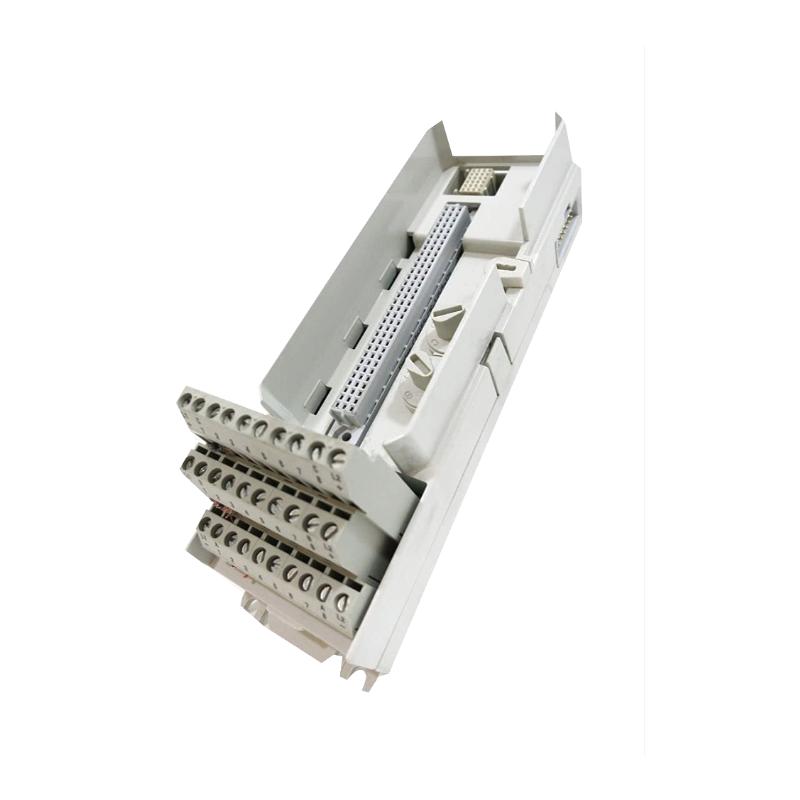
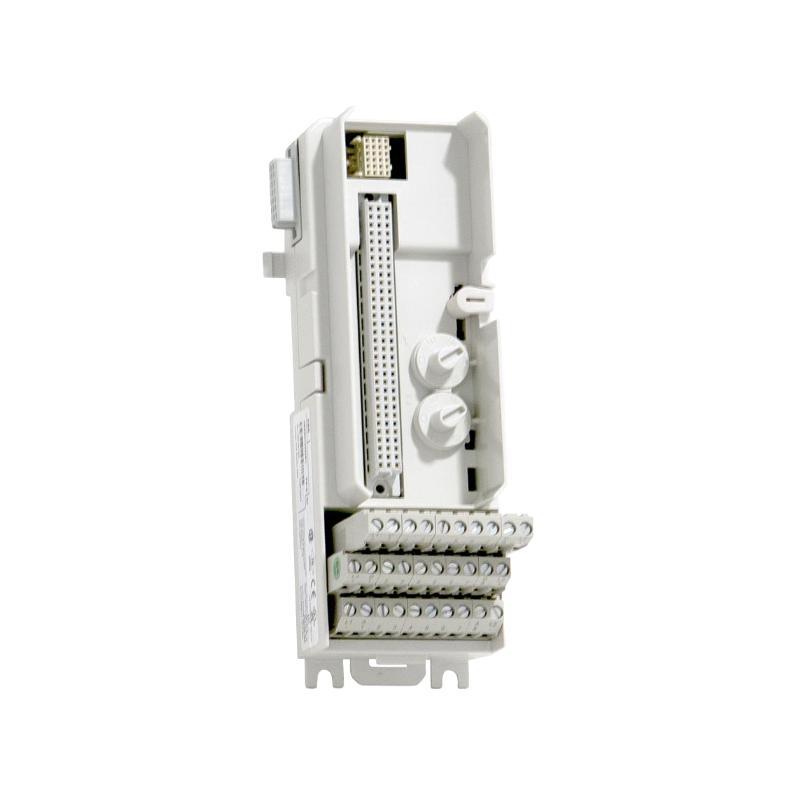
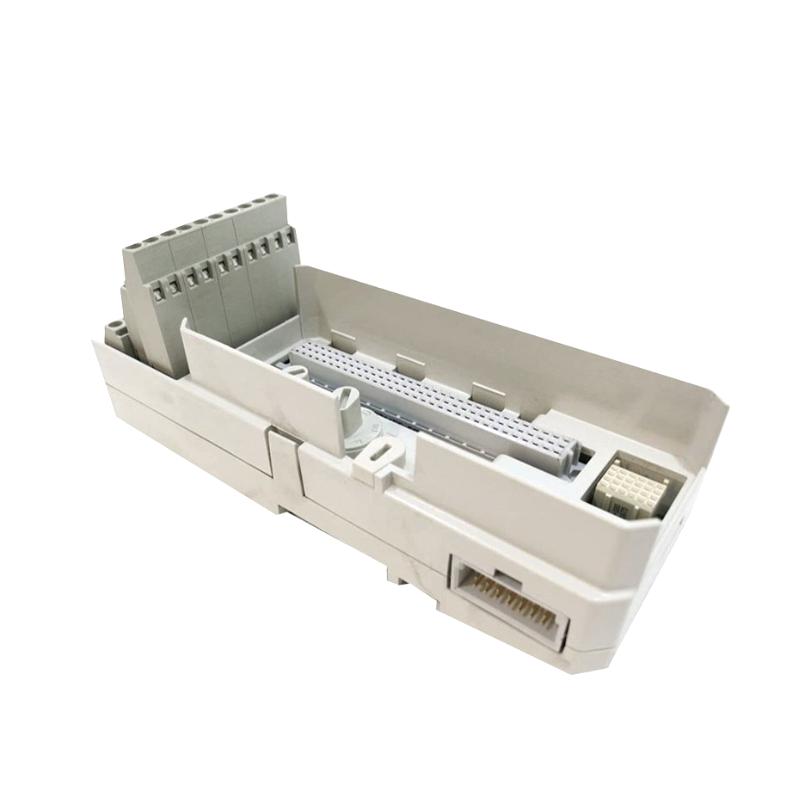
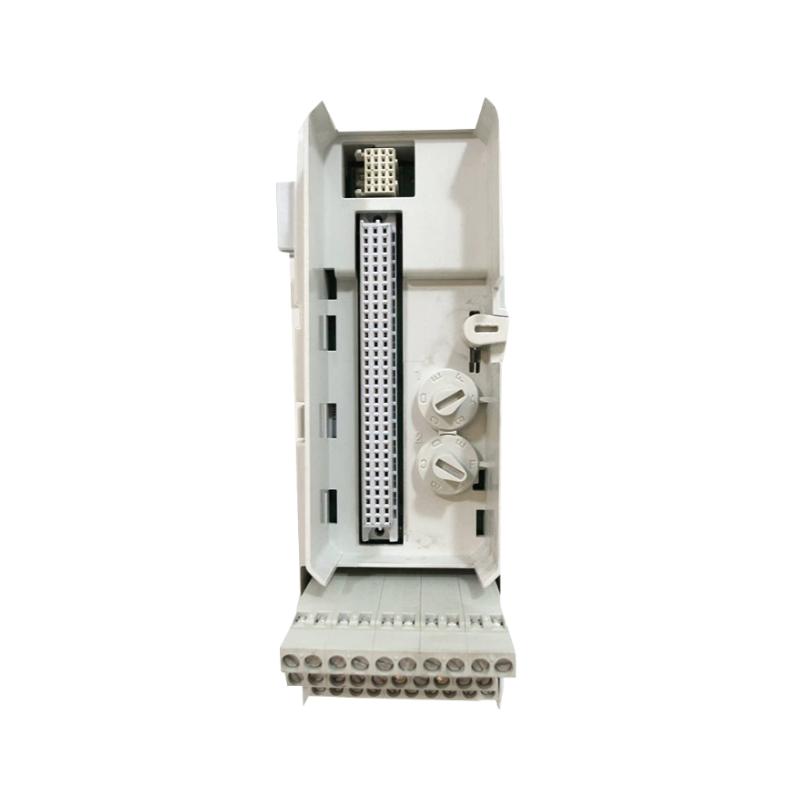
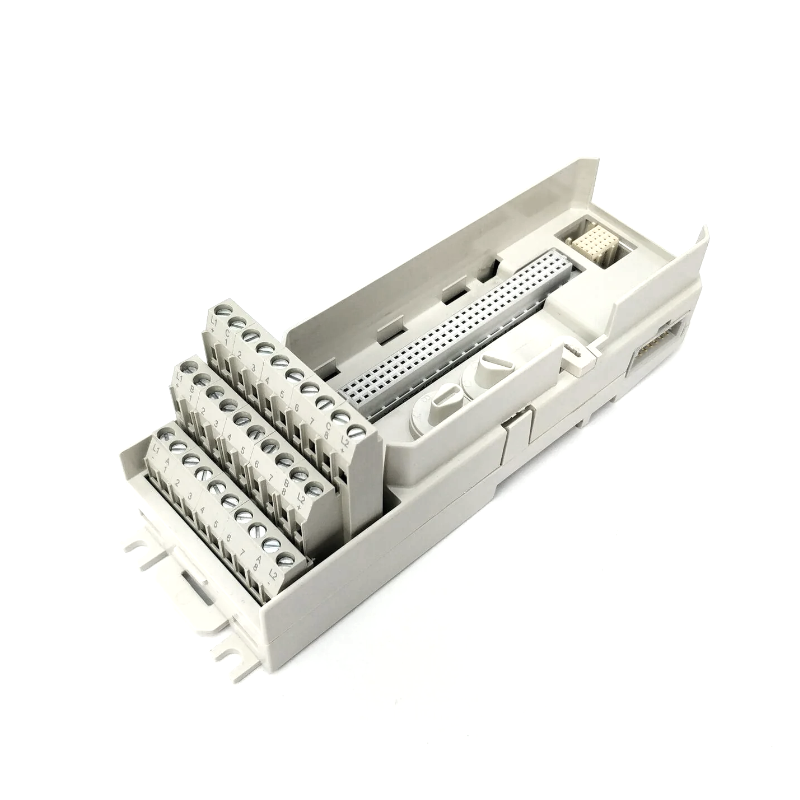
The TU810V1 is not an active processing module but a critical infrastructure component that enables reliable field device connectivity. It distributes both field signals and ModuleBus communication between I/O modules, ensuring structured and scalable system design.
Typical application environments include:
-
ABB 800xA distributed control systems
-
S800 I/O process control cabinets
-
Power generation automation systems
-
Oil and gas instrumentation panels
-
Chemical and petrochemical plants
-
Water treatment and utility automation
-
Industrial manufacturing control systems
-
Large-scale process monitoring networks
Its passive design helps reduce system complexity while maintaining strong signal integrity across multiple I/O channels.
Key Features and Engineering Advantages
High-Density Wiring Integration
The TU810V1 supports up to 16 field signal channels, enabling compact and efficient cabinet design for large-scale I/O systems.
Stable Signal Termination
It provides reliable termination for field wiring, helping maintain signal integrity and reducing interference risks in industrial environments.
Built-in ModuleBus Distribution
The unit supports internal ModuleBus routing, ensuring seamless communication between connected I/O modules.
Mechanical Keying Protection
A configurable keying system prevents incorrect module installation, improving system safety and reducing maintenance errors.
Space-Efficient DIN Rail Design
Its compact structure allows high-density installation within control cabinets, optimizing space utilization.
Industrial Reliability
Designed for harsh industrial conditions, it delivers long-term stability with minimal maintenance requirements.
Technical FAQs
1. What is the primary function of the TU810V1?
It serves as a termination unit that connects field wiring to ABB S800 I/O modules.
2. Is the TU810V1 an active or passive module?
It is a passive module with no signal processing capability.
3. How many channels does it support?
It supports up to 16 field wiring channels.
4. What systems is it compatible with?
It is designed for ABB S800 I/O systems within 800xA automation platforms.
5. What is ModuleBus in this context?
It is the internal communication structure used to link I/O modules within the system.
6. Does the TU810V1 perform signal processing?
No, it only provides termination and connection functions.
7. How is it installed?
It is mounted on a standard DIN rail inside control cabinets.
8. What is mechanical keying used for?
It prevents incorrect insertion of incompatible I/O modules.
9. What industries commonly use this unit?
Oil and gas, power generation, chemical processing, and industrial manufacturing.
10. Why is the TU810V1 important in automation systems?
It ensures organized wiring, stable signal connection, and scalable I/O system architecture.
 A DCS Q Co., Ltd. - PLC and DCS Industrial Control Equipment Wholesale