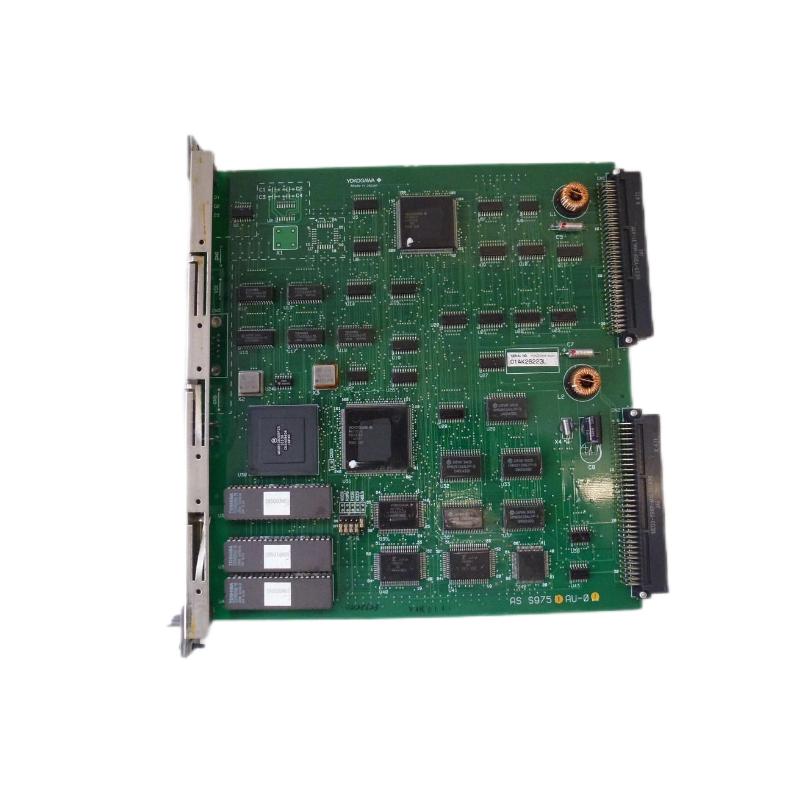
High-Performance RIO Communication Backbone for Industrial Control Systems
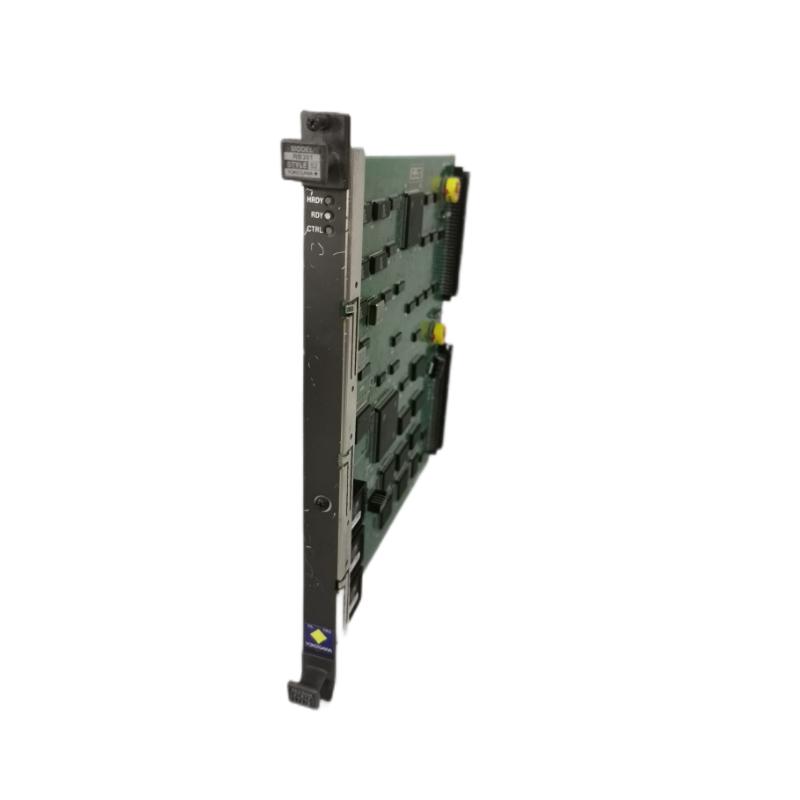
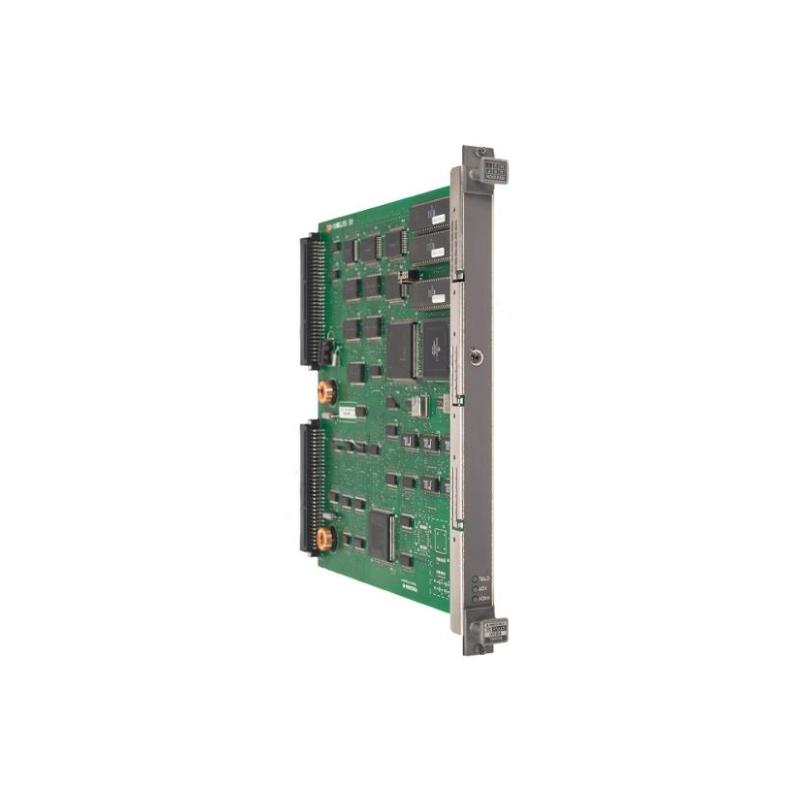
The Yokogawa RB301 Bus Interface Master Card is a dedicated RIO (Remote I/O) communication module designed to serve as the master interface between control systems and distributed I/O networks. It is widely used in Yokogawa CENTUM CS and CENTUM VP architectures, where it plays a critical role in enabling fast, stable, and deterministic data exchange across industrial automation systems.
Engineered for mission-critical process environments, the RB301 ensures reliable communication between the central controller and multiple remote I/O stations. Its robust industrial design, high-speed bus handling capability, and strong system integration make it a core component in large-scale distributed control applications.
Technical Specifications
| Specification Item | Details |
|---|
| Model Number | RB301 |
| Product Type | RIO Bus Interface Master Card |
| Manufacturer | Yokogawa |
| Supported Systems | CENTUM CS / CENTUM VP |
| Bus Type | RIO (Remote I/O) Bus |
| Communication Function | Master Control Interface |
| Data Transfer Rate | Up to approx. 10 Mbps |
| Channel Structure | Single-channel master interface |
| Power Consumption | Approx. 5 W |
| Mounting Type | Half-length PCI Card |
| Connector Type | DB-37 / RIO Bus Interface |
| Operating Temperature | -20°C to +60°C |
| Storage Temperature | -40°C to +85°C |
| Humidity Range | 5–95% RH (non-condensing) |
| Approx. Weight | ~0.3–0.4 kg |
Industrial Applications
The RB301 Bus Interface Master Card is used in distributed automation systems where reliable remote I/O communication is essential for stable plant operation and real-time control.
Typical applications include:
-
Yokogawa CENTUM CS control systems
-
Yokogawa CENTUM VP distributed control systems
-
Large-scale process automation plants
-
Oil and gas production facilities
-
Petrochemical and refinery control systems
-
Power generation and utility automation
-
Water treatment and infrastructure monitoring
-
Industrial manufacturing control networks
Its ability to manage multiple remote I/O nodes makes it ideal for expanding system architecture without compromising communication stability.
Key Features and Operational Advantages
Stable Master-Slave Communication Control
The RB301 acts as the central master node, ensuring synchronized and reliable communication across all connected RIO devices.
High-Speed Data Exchange
Supports fast industrial bus communication, enabling real-time monitoring and control across distributed systems.
Scalable System Architecture
Capable of managing multiple remote I/O modules, supporting flexible expansion of automation networks.
Industrial-Grade Reliability
Designed to operate under harsh industrial conditions with strong resistance to electrical noise and environmental stress.
Seamless System Integration
Fully compatible with Yokogawa CENTUM platforms, ensuring smooth deployment and minimal configuration complexity.
Compact PCI Design
Half-length card form factor allows efficient installation within industrial control hardware racks.
Technical FAQs
1. What is the main function of the RB301 module?
It serves as a master interface for RIO bus communication in Yokogawa control systems.
2. Which systems support RB301?
It is used in Yokogawa CENTUM CS and CENTUM VP platforms.
3. What type of communication does it use?
It uses the RIO (Remote I/O) industrial bus protocol.
4. How many devices can it support?
It can support multiple remote I/O modules depending on system configuration, typically up to dozens per segment.
5. Is the RB301 suitable for continuous operation?
Yes, it is designed for 24/7 industrial process control environments.
6. What is the installation type?
It is installed as a half-length PCI interface card.
7. What industries commonly use this module?
Oil and gas, petrochemical, power generation, water treatment, and manufacturing industries.
8. Does it support high-speed communication?
Yes, it supports high-speed RIO bus communication suitable for real-time control systems.
9. What is the operating temperature range?
It operates reliably from -20°C to +60°C.
10. Why is RB301 important in automation systems?
Because it acts as the central communication bridge between controllers and distributed I/O networks.
 A DCS Q Co., Ltd. - PLC and DCS Industrial Control Equipment Wholesale