High-Precision IR Transmitter for Open-Path Gas Detection Systems
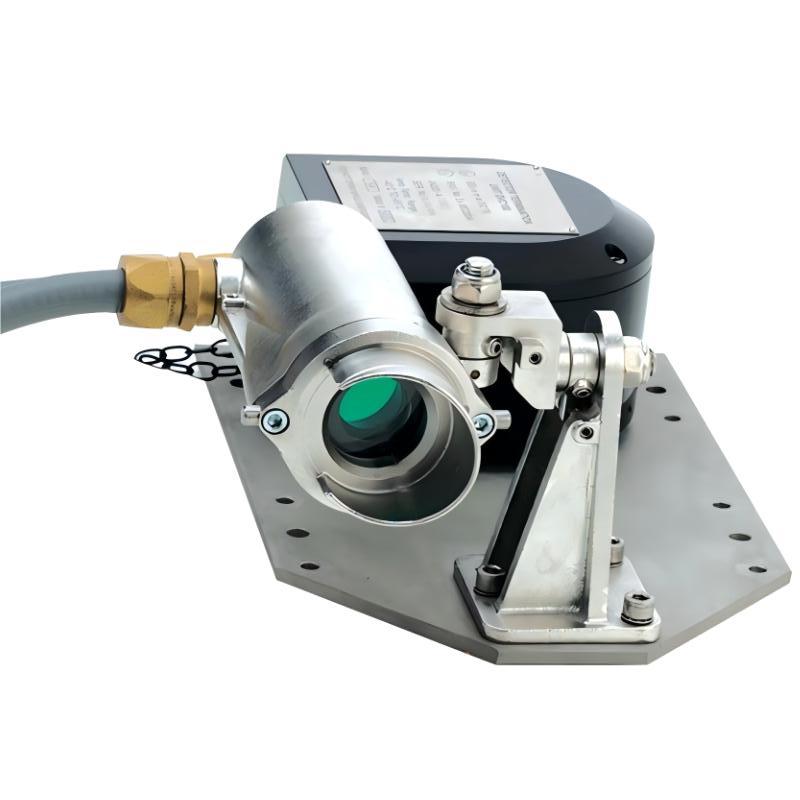
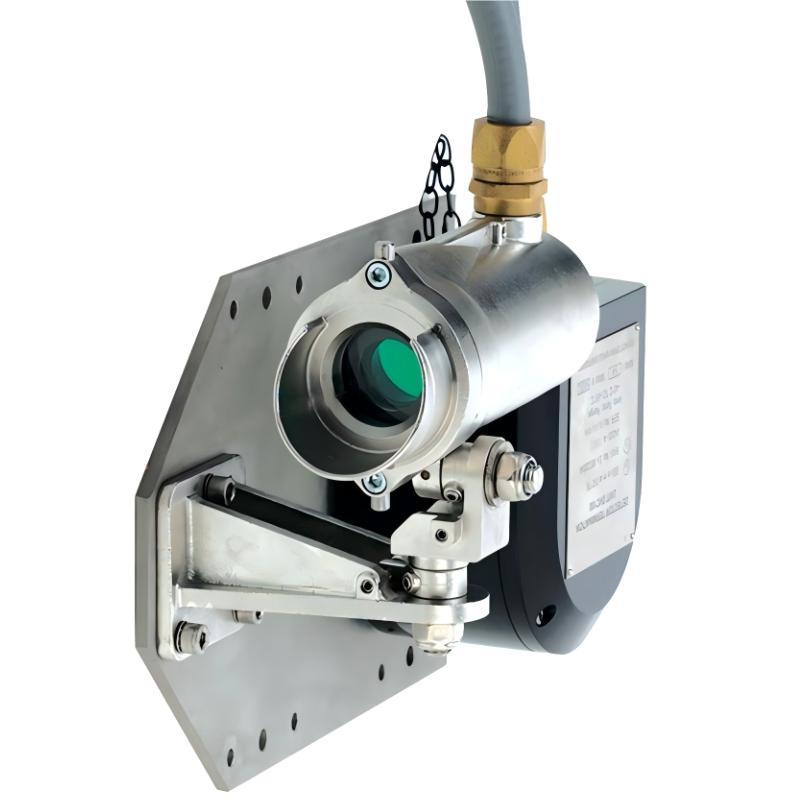
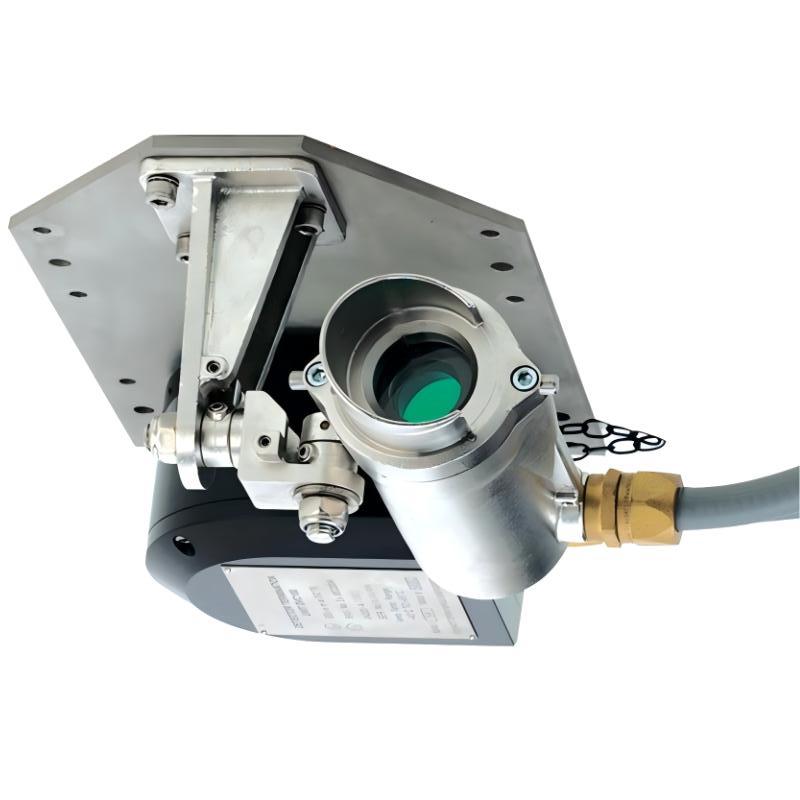
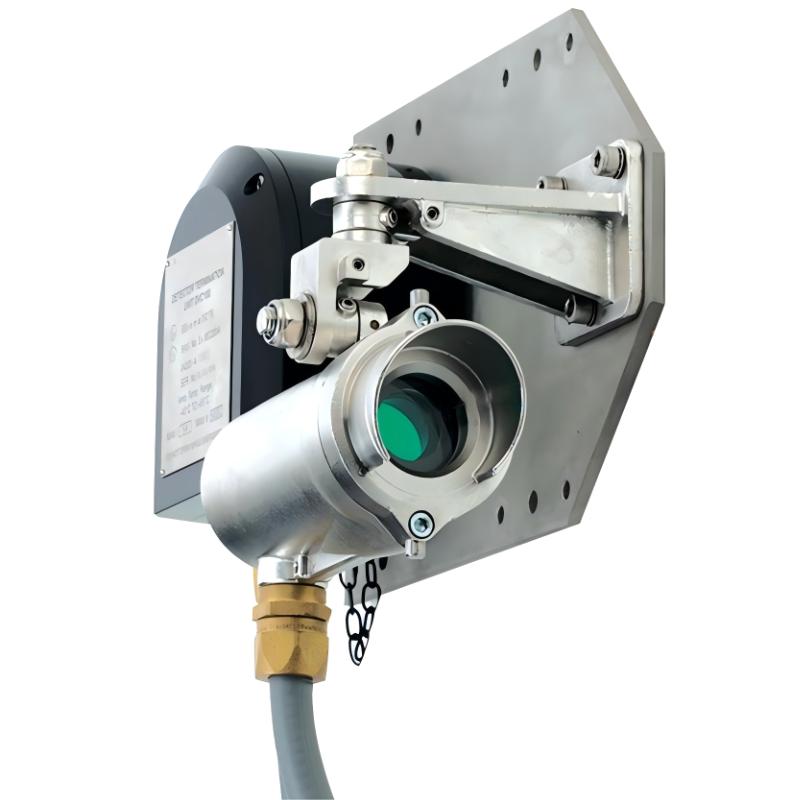
The Honeywell 2104B3111 Infrared Gas Detector Transmitter is a critical component of the Searchline Excel open-path gas detection system, designed to emit a stable infrared beam used for continuous monitoring of hydrocarbon gases. Working in combination with a matched receiver unit, it enables long-range, non-contact detection of combustible gas clouds across industrial sites.
Built for harsh and safety-critical environments, this transmitter is engineered for high optical stability, strong environmental resistance, and long-term operational reliability in oil, gas, and petrochemical applications.
Technical Specifications
| Parameter | Specification |
|---|
| Model | 2104B3111 |
| Product Type | IR Gas Detector Transmitter (Open Path System) |
| System Series | Honeywell Searchline Excel |
| Function | Infrared beam emission for gas detection |
| Target Gases | Hydrocarbon gases (e.g., methane, propane, ethylene) |
| Measurement Type | Open-path infrared absorption system |
| Operating Voltage | 24 VDC |
| Communication | System-linked to receiver via IR optical path |
| Housing Material | 316 stainless steel (industrial grade) |
| Protection Rating | IP66 / IP67 (system dependent) |
| Operating Temperature | -40°C to +65°C |
| Installation Type | Fixed mount (aligned with receiver unit) |
| Weight | ~7–8.5 kg (system dependent) |
Application Environments
The 2104B3111 transmitter is used in large-scale industrial safety monitoring systems where wide-area gas detection is required:
-
Oil & gas refineries and processing plants
-
Offshore platforms and FPSO systems
-
LNG storage and transportation facilities
-
Petrochemical production zones
-
Pipeline monitoring corridors
-
Chemical storage and loading terminals
It is typically installed opposite a receiver unit to form a detection “beam path” across open industrial areas.
Engineering Strengths and Design Value
The Honeywell 2104B3111 is designed to deliver highly stable infrared emission performance under extreme environmental conditions. Its role is not direct gas measurement but precise beam generation, making optical stability and alignment accuracy essential.
Key advantages include:
-
Stable infrared beam output for long-distance gas detection paths
-
Heated optical window system to reduce condensation and frost interference
-
Rugged 316 stainless steel housing for corrosion resistance and offshore suitability
-
Designed for hazardous industrial zones, including explosion-risk environments
-
High alignment reliability, ensuring consistent transmitter–receiver calibration
-
Low maintenance optical system, reducing lifecycle servicing requirements
Together, these features support continuous gas monitoring over large distances where point detectors would be impractical.
Technical FAQs
1. What is the main function of the 2104B3111?
It emits an infrared beam used for open-path hydrocarbon gas detection.
2. Does it detect gas directly?
No, it works with a receiver that measures IR absorption caused by gas presence.
3. What system is it part of?
Honeywell Searchline Excel open-path gas detection system.
4. What gases does it monitor?
Hydrocarbon gases such as methane, propane, and ethylene.
5. Is it suitable for offshore environments?
Yes, it is designed for harsh and corrosive industrial conditions.
6. What is its operating voltage?
Typically 24 VDC system supply.
7. Does it require alignment?
Yes, precise alignment with the receiver is required for proper operation.
8. Is the infrared beam visible?
No, the beam is invisible and eye-safe.
9. What protects it from weather conditions?
Heated optics reduce fog, condensation, and frosting effects.
10. Why is it used instead of point detectors?
It provides wide-area monitoring across long distances for better coverage.
 A DCS Q Co., Ltd. - PLC and DCS Industrial Control Equipment Wholesale