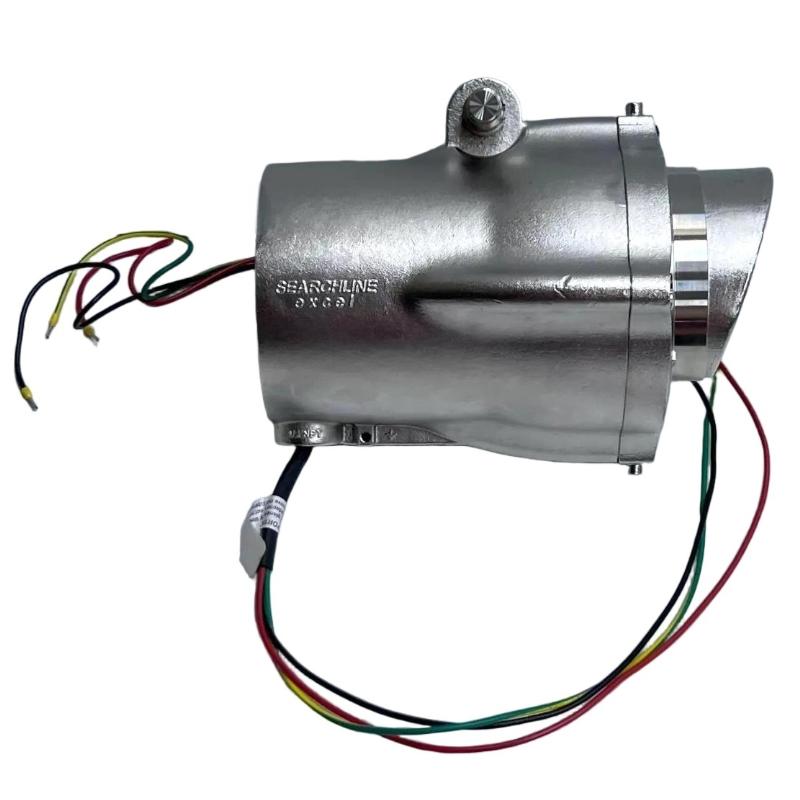
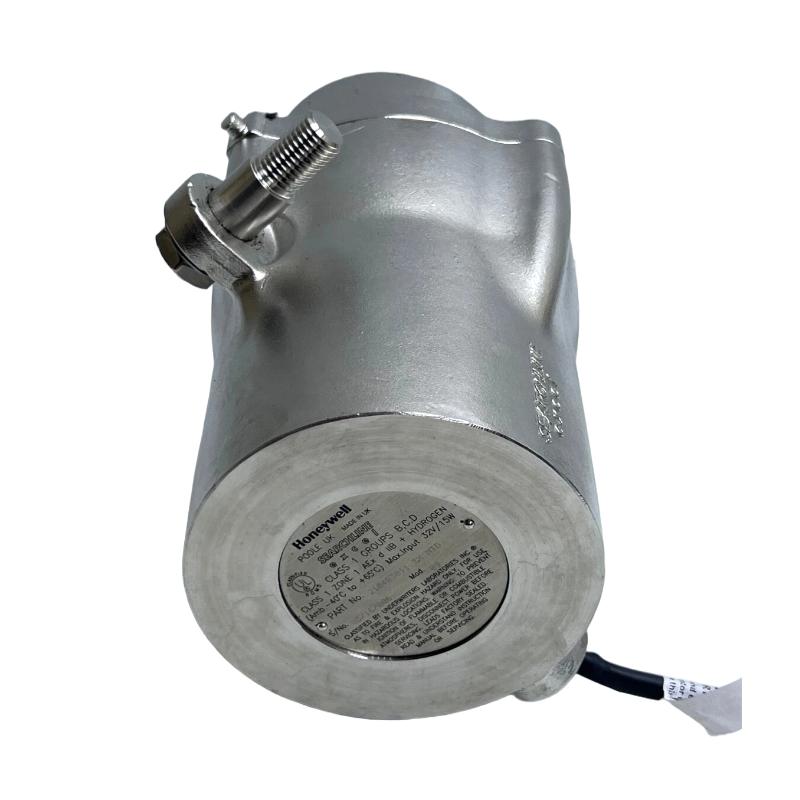
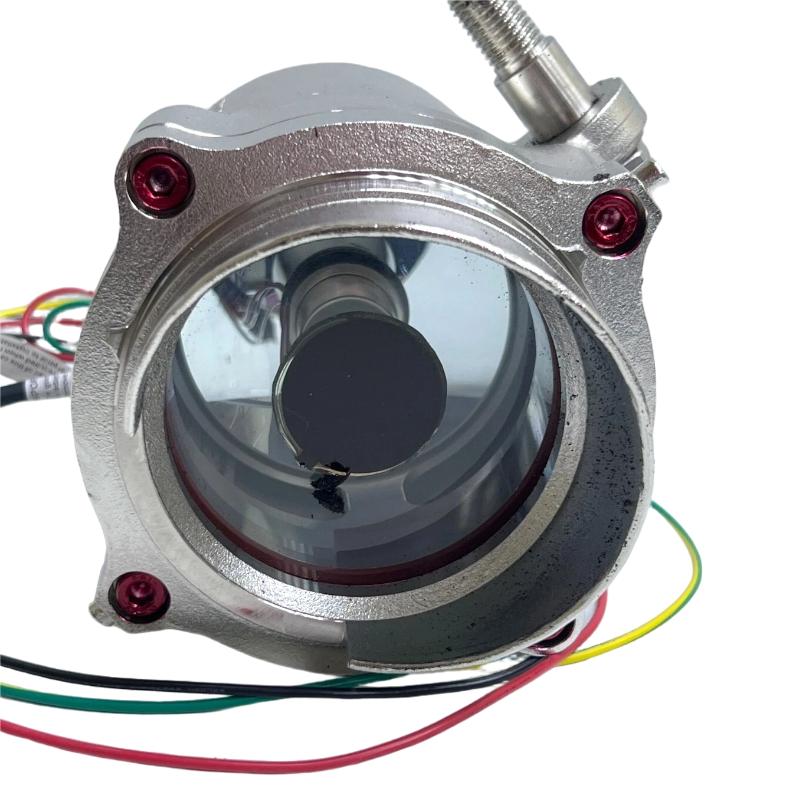

Precision IR Gas Detection for Industrial Safety Monitoring
The Honeywell 2104B3011 Infrared Hydrocarbon Gas Detector is a fixed industrial gas sensing device designed to continuously monitor combustible hydrocarbon gases in hazardous environments. It uses advanced infrared (IR) sensing principles to provide stable, selective, and long-life detection performance, especially in environments where catalytic sensors may degrade or become unreliable.
Built for process industries such as oil & gas, petrochemical, and energy production, this detector supports continuous safety monitoring and early warning of gas leaks, helping improve operational safety and asset protection.
Technical Specifications
| Parameter | Specification |
|---|
| Model | 2104B3011 |
| Product Type | Medium Range Infrared Gas Detector / Transmitter |
| Detection Technology | Infrared (NDIR) |
| Target Gases | Hydrocarbon gases (e.g., methane, propane, butane) |
| Measurement Function | Continuous combustible gas monitoring |
| Output Signal | Industrial transmitter output (system dependent) |
| Operating Principle | Optical IR absorption sensing |
| Application Type | Fixed-point gas detection |
| Housing | Industrial-grade enclosure |
| Operating Environment | Industrial / hazardous areas |
| Dimensions | 210 × 110 × 65 mm |
| Weight | ~2.1 kg |
| Operating Mode | Continuous monitoring |
Application Scenarios
The 2104B3011 detector is commonly deployed in environments where hydrocarbon gas hazards must be continuously controlled:
-
Oil & gas production facilities
-
Refineries and petrochemical plants
-
Offshore platforms and LNG terminals
-
Chemical processing plants
-
Fuel storage and distribution systems
-
Industrial boiler and combustion areas
Its infrared sensing design makes it especially effective in locations where long-term stability and low maintenance are critical.
Engineering Strengths and Performance Value
The Honeywell 2104B3011 is designed around optical IR sensing technology, offering significant advantages over traditional catalytic bead sensors. It does not rely on oxygen for operation, making it suitable for inert or oxygen-deficient environments, and it is resistant to sensor poisoning.
Key advantages include:
-
Infrared sensing stability for long-term measurement reliability
-
Low maintenance design, reducing calibration frequency
-
Resistance to catalyst poisoning, improving service life
-
Suitable for harsh industrial environments with vibration and temperature variation
-
Continuous real-time monitoring for early leak detection
-
Improved operational safety through stable detection performance
Modern Honeywell IR sensing technologies are widely recognized for improved response stability and reduced lifecycle maintenance requirements in industrial gas detection systems.
Technical FAQs
1. What is the main function of the 2104B3011?
It continuously detects hydrocarbon gas concentrations in industrial environments.
2. What sensing technology does it use?
Infrared (NDIR) optical gas detection technology.
3. What gases can it detect?
Hydrocarbon gases such as methane, propane, and butane.
4. Is it suitable for harsh environments?
Yes, it is designed for industrial and hazardous area use.
5. Does it require frequent calibration?
No, IR sensors generally require less maintenance than catalytic sensors.
6. What is its weight?
Approximately 2.1 kg.
7. What are its physical dimensions?
210 × 110 × 65 mm.
8. Can it operate in oxygen-deficient areas?
Yes, infrared sensing does not require oxygen for detection.
9. What industries use this detector?
Oil & gas, petrochemical, energy, and industrial manufacturing.
10. Why choose infrared gas detection?
It offers higher stability, longer life, and resistance to sensor poisoning compared to catalytic types.
 A DCS Q Co., Ltd. - PLC and DCS Industrial Control Equipment Wholesale