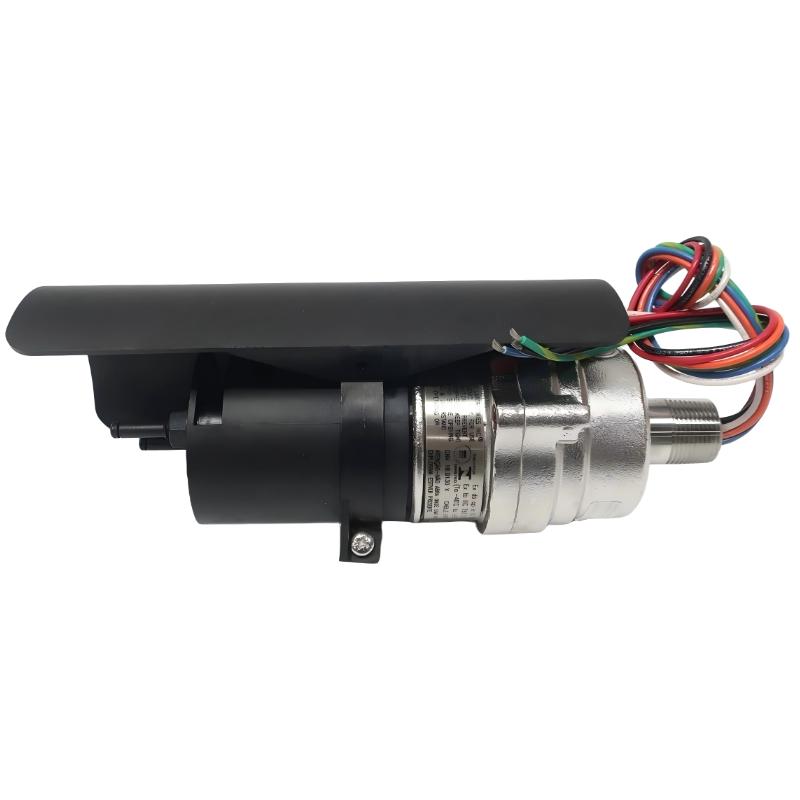
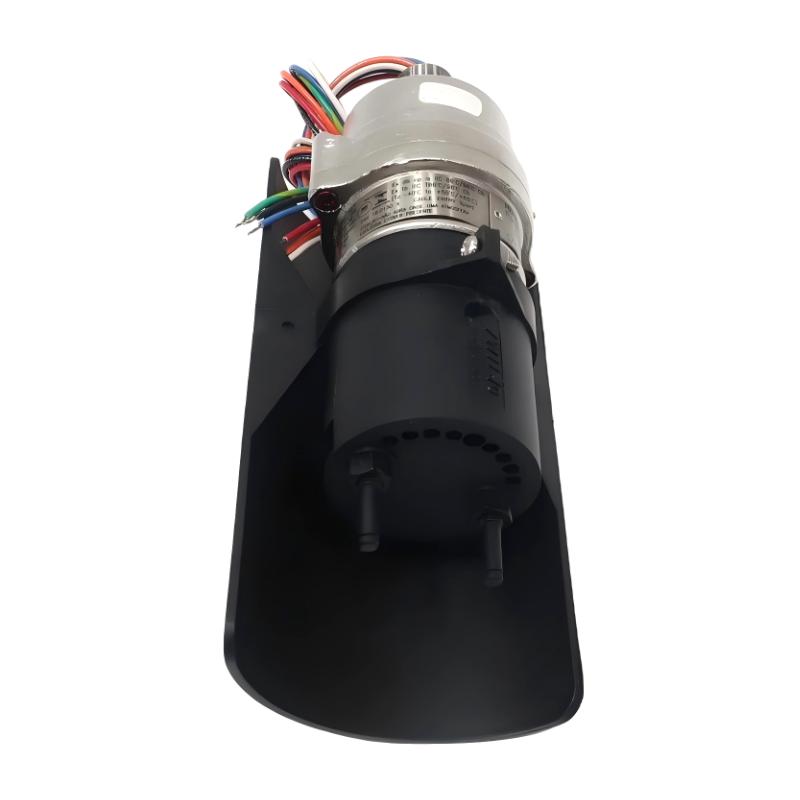
High-Performance Infrared Gas Detection for Industrial Safety
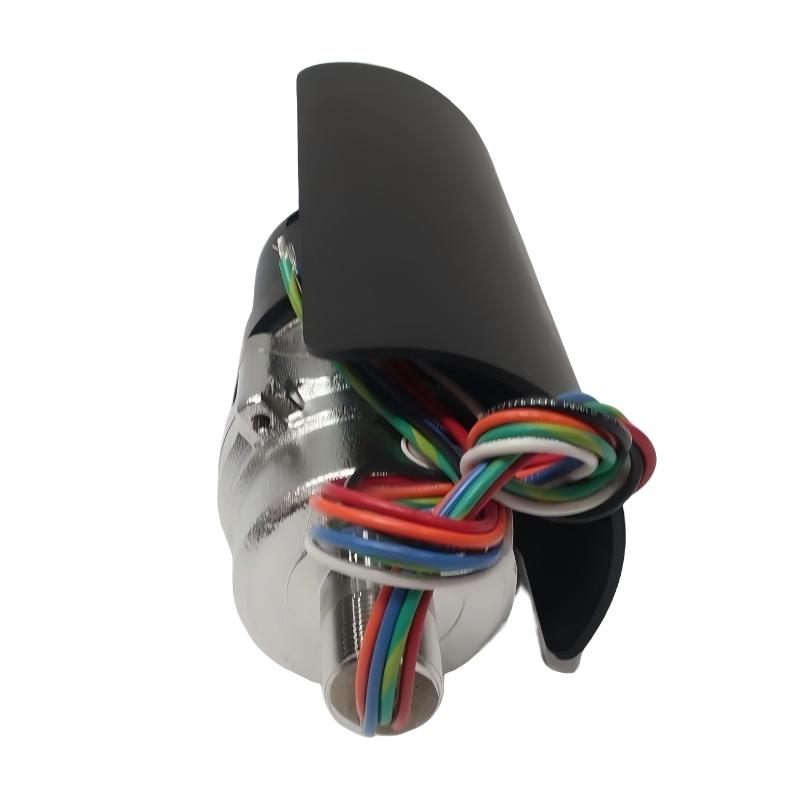
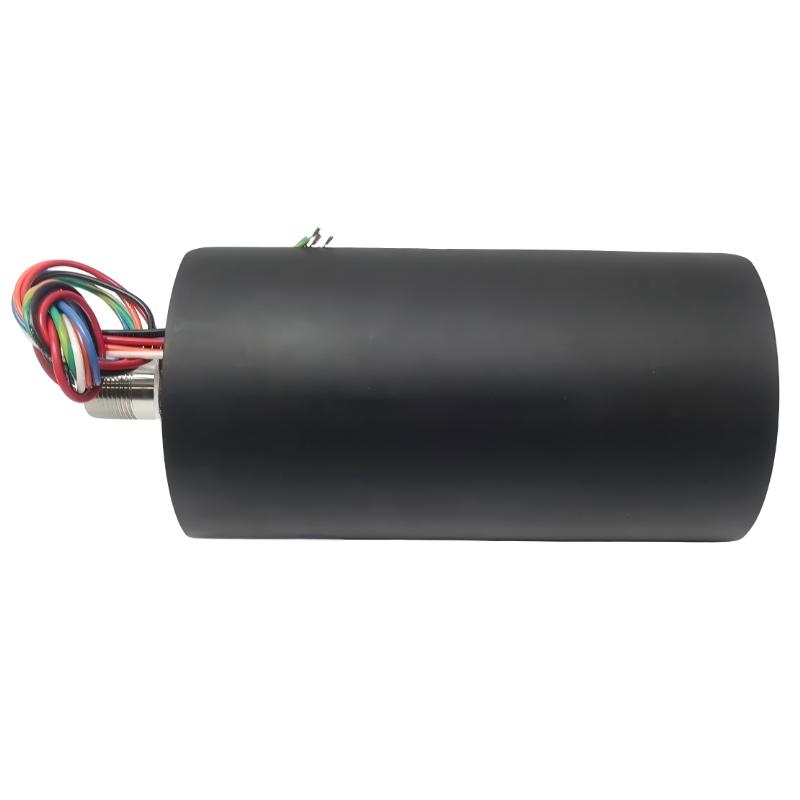
The Honeywell 2108B2101N Infrared (IR) Point Hydrocarbon Gas Detector is an advanced fixed gas detection device designed to continuously monitor combustible hydrocarbon gases in industrial environments. Using non-dispersive infrared (NDIR) sensing technology, it delivers highly stable and selective detection performance, even in environments where catalytic sensors may be unreliable.
As part of Honeywell’s Searchpoint Optima Plus series, this detector is engineered for high-risk process industries where early gas detection is critical for operational safety and system protection.
Technical Specifications
| Parameter | Specification |
|---|
| Model | 2108B2101N |
| Product Type | IR Point Hydrocarbon Gas Detector |
| Detection Technology | Non-Dispersive Infrared (NDIR) |
| Measured Gas Range | 0–100% LEL (Lower Explosive Limit) |
| Gas Type | Hydrocarbon gases (e.g., methane, propane, ethylene) |
| Output Signal | 4–20 mA analog |
| Response Time | < 4 seconds (T90 methane) |
| Housing Material | 316 stainless steel |
| Protection Rating | IP66 / IP67 |
| Operating Temperature | -40°C to +65°C |
| Power Consumption | Up to ~8 W |
| Operating Voltage | Up to 32 V DC |
| Weight | ~2.3 kg |
| Mounting Type | Fixed point industrial installation |
Application Environments
This infrared hydrocarbon gas detector is widely deployed in industries where flammable gas hazards must be continuously monitored:
-
Oil & gas production facilities
-
Petrochemical and refinery plants
-
Offshore platforms and LNG terminals
-
Chemical processing industries
-
Power generation and turbine stations
-
Industrial storage and fuel handling areas
It is especially effective in environments where catalyst-based sensors may degrade or be poisoned by contaminants.
Engineering Strengths and Performance Value
The 2108B2101N stands out for its infrared sensing stability, low maintenance requirements, and long operational life. Unlike catalytic bead sensors, IR technology does not rely on oxygen presence and is not affected by catalytic poisoning, making it highly reliable in harsh environments.
Key advantages include:
-
NDIR infrared sensing technology for stable long-term measurement
-
Fast response time (<4 seconds) for early hazard detection
-
Wide detection range (0–100% LEL) for multiple hydrocarbon gases
-
316 stainless steel housing for corrosion resistance and durability
-
High ingress protection (IP66/IP67) for outdoor and offshore use
-
Low maintenance design, reducing calibration and downtime requirements
This combination makes it a preferred solution for continuous safety monitoring in critical process industries.
Technical FAQs
1. What gases can this detector measure?
It detects combustible hydrocarbon gases such as methane, propane, and ethylene.
2. What technology does it use?
It uses non-dispersive infrared (NDIR) sensing technology for gas detection.
3. What is its measurement range?
It measures gases from 0 to 100% LEL.
4. What is the response time?
Typically less than 4 seconds for methane gas detection.
5. Is it suitable for outdoor use?
Yes, its IP66/IP67 rating supports harsh outdoor and offshore environments.
6. What is the operating temperature range?
From approximately -40°C to +65°C.
7. What output signal does it provide?
Standard 4–20 mA analog signal for control system integration.
8. What industries commonly use it?
Oil & gas, petrochemical, refining, and power generation industries.
9. Why choose IR gas detection over catalytic sensors?
IR sensors are immune to catalytic poisoning and require less maintenance.
10. Is it compatible with industrial control systems?
Yes, it integrates easily with PLC and DCS systems via analog signal output.
 A DCS Q Co., Ltd. - PLC and DCS Industrial Control Equipment Wholesale