Introduction
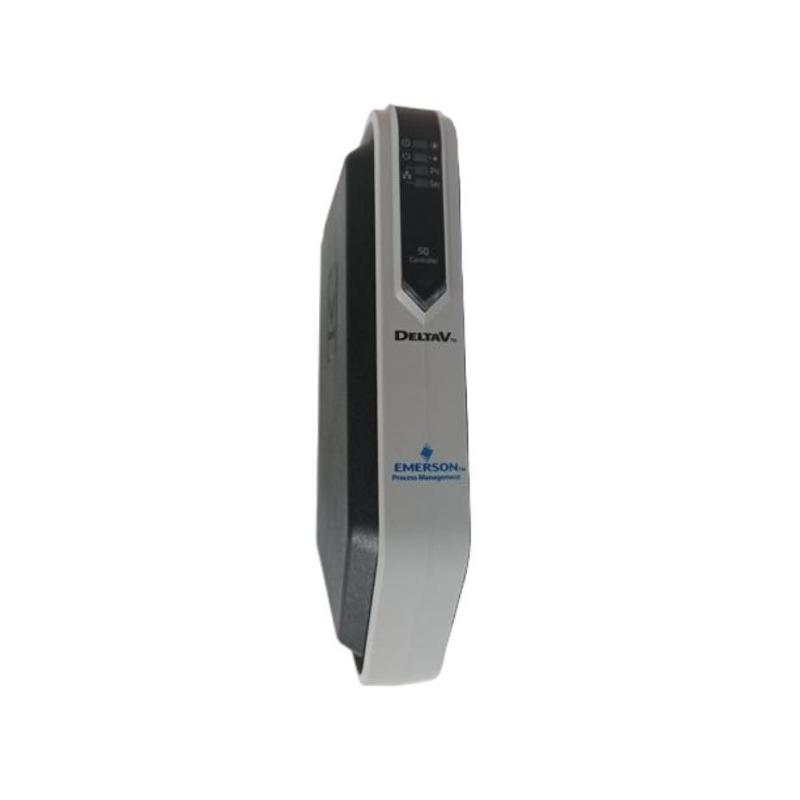
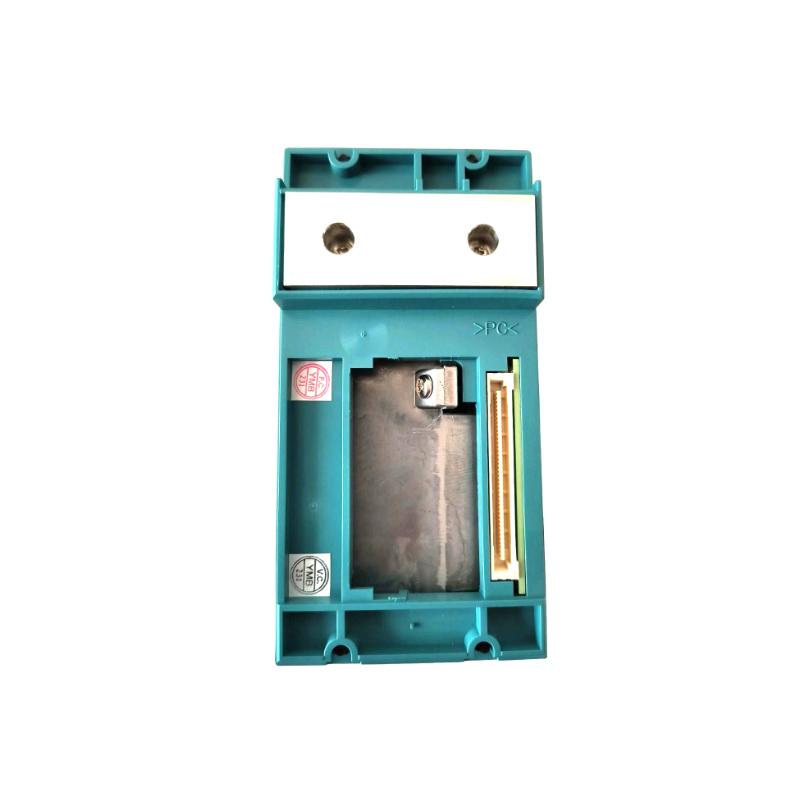
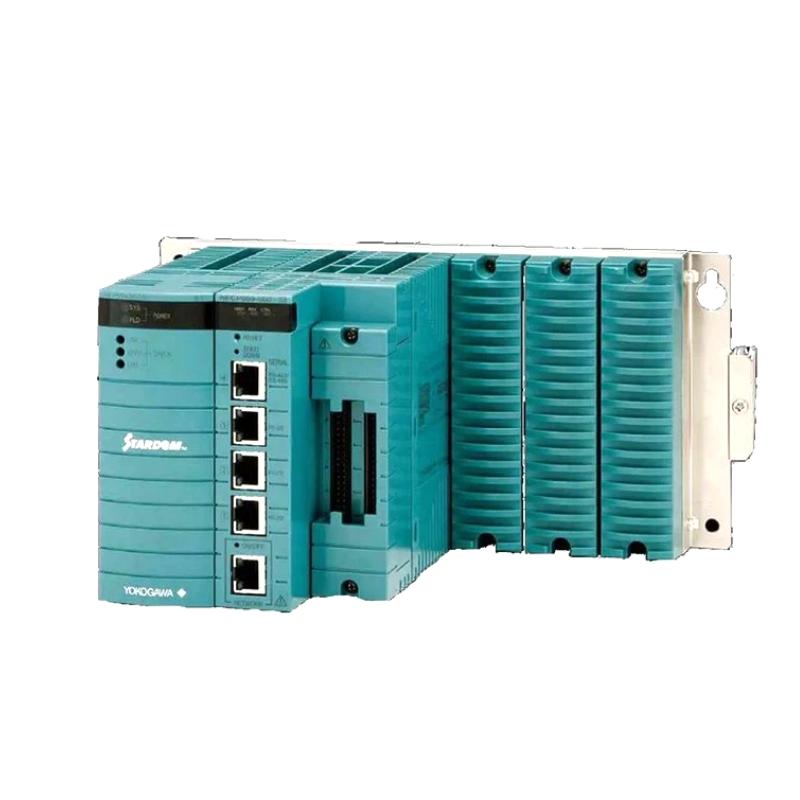
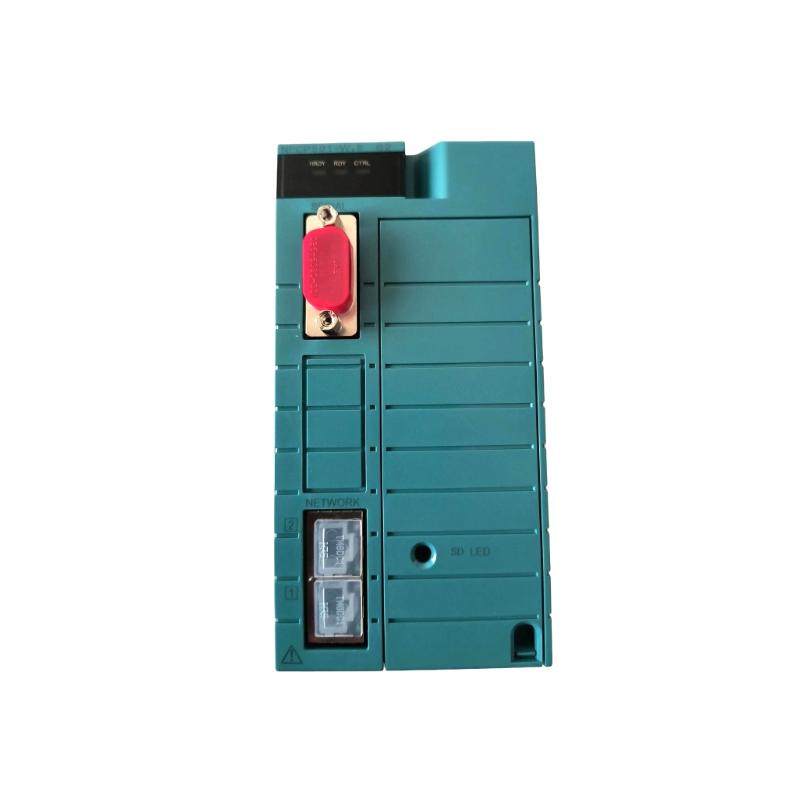
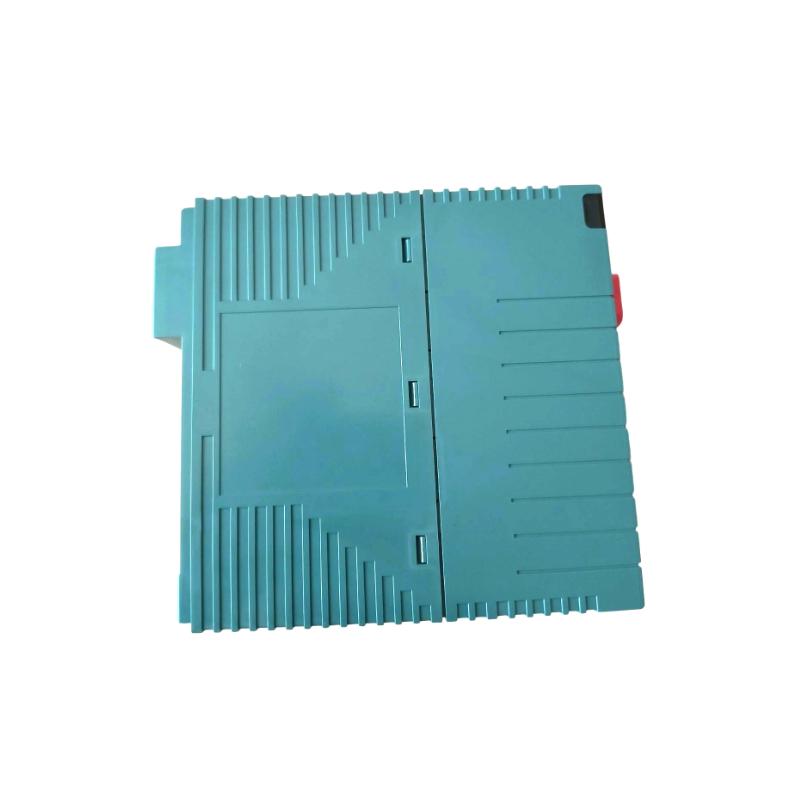
The Yokogawa NFCP501‑W05 Autonomous Controller CPU Module is a robust and high‑performance central processing unit designed for STARDOM FCN‑500 series autonomous controller platforms. As the core of a distributed control system, it executes control logic, manages I/O data, and coordinates system communication with high reliability. Built for long‑term operation in harsh industrial environments, this CPU module supports redundancy, broad connectivity, and deterministic processing—making it suitable for mission‑critical applications such as industrial process control, remote automation, and utility infrastructure management.
Technical Specifications
| Specification | Details |
|---|
| Manufacturer | Yokogawa Electric Corporation |
| Model Number | NFCP501‑W05 |
| Module Type | Autonomous Controller CPU Module |
| System Compatibility | STARDOM FCN‑500 Autonomous Controllers |
| Processor | High‑performance industrial CPU core |
| Main Memory | ECC RAM with fault‑tolerant architecture |
| Internal Storage | Onboard non‑volatile flash memory |
| Communication Interfaces | Ethernet, RS‑232/485, SB Bus or equivalent |
| Supported Protocols | Modbus RTU/TCP, OPC, Ethernet/IP (system dependent) |
| Redundancy Support | CPU and power supply redundancy capable |
| Power Supply | 24 V DC (industrial standard) |
| Power Consumption | Low‑power industrial design |
| Operating Temperature | –20 °C to +70 °C |
| Storage Temperature | –40 °C to +85 °C |
| Relative Humidity | 5 % – 95 % RH non‑condensing |
| Mounting | Installed in compatible base module rack |
| Dimensions | Approx. 72 × 120 × 105 mm |
| Weight | Approx. 0.6 – 0.9 kg |
Applications
The NFCP501‑W05 CPU Module is suited for applications that demand reliable autonomous control and integration with distributed systems:
-
Distributed Process Control – chemical, refining, energy, and utility environments
-
Remote and Unmanned Automation – wellhead, pipeline, and offshore systems
-
Smart Infrastructure – power grid/station monitoring and environmental control
-
Machine and Factory Automation – deterministic control for complex production lines
-
Water/Wastewater Treatment Systems – local logic execution and network integration
By providing deterministic control and flexible protocol support, this module enables responsive and resilient automation operations.
Applications
The NFCP501‑W05 CPU Module is suited for applications that demand reliable autonomous control and integration with distributed systems:
-
Distributed Process Control – chemical, refining, energy, and utility environments
-
Remote and Unmanned Automation – wellhead, pipeline, and offshore systems
-
Smart Infrastructure – power grid/station monitoring and environmental control
-
Machine and Factory Automation – deterministic control for complex production lines
-
Water/Wastewater Treatment Systems – local logic execution and network integration
By providing deterministic control and flexible protocol support, this module enables responsive and resilient automation operations.
Technical FAQs
1. What is the primary role of this module?
It functions as the main processing unit in autonomous controller systems, executing logic and coordinating communications.
2. Which systems is it compatible with?
It is compatible with Yokogawa STARDOM FCN‑500 autonomous controller platforms.
3. Does it support redundancy?
Yes — redundancy for CPU and power supply configurations is supported.
4. What communication interfaces are provided?
Common interfaces such as Ethernet and RS‑232/485 are supported, offering flexible connectivity.
5. What protocols are supported?
Industrial protocols such as Modbus, OPC, and Ethernet‑based standards may be supported, depending on system configuration.
6. What power does it require?
It uses a standard 24 V DC industrial power input.
7. What is the operating temperature range?
It typically operates from ‑20 °C to +70 °C in industrial environments.
8. Can it be used in remote or unmanned setups?
Yes — low power design and flexible communication make it suitable for distributed automation.
9. How is it mounted?
It is installed into a compatible base module rack or chassis.
10. What industries commonly use this CPU module?
It is widely used in oil & gas, power generation, utilities, manufacturing, and environmental automation sectors.
 A DCS Q Co., Ltd. - PLC and DCS Industrial Control Equipment Wholesale