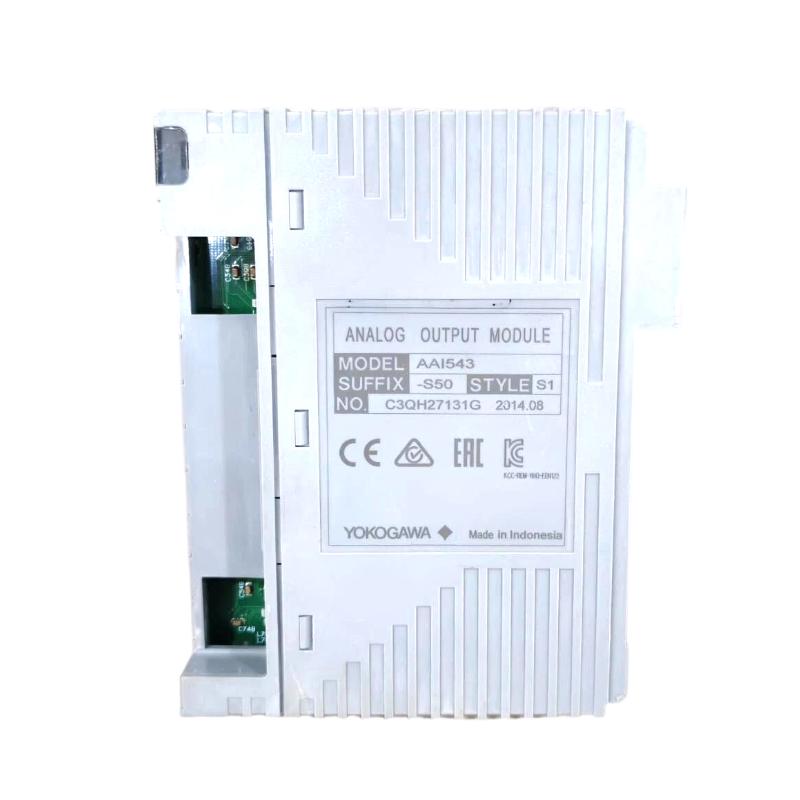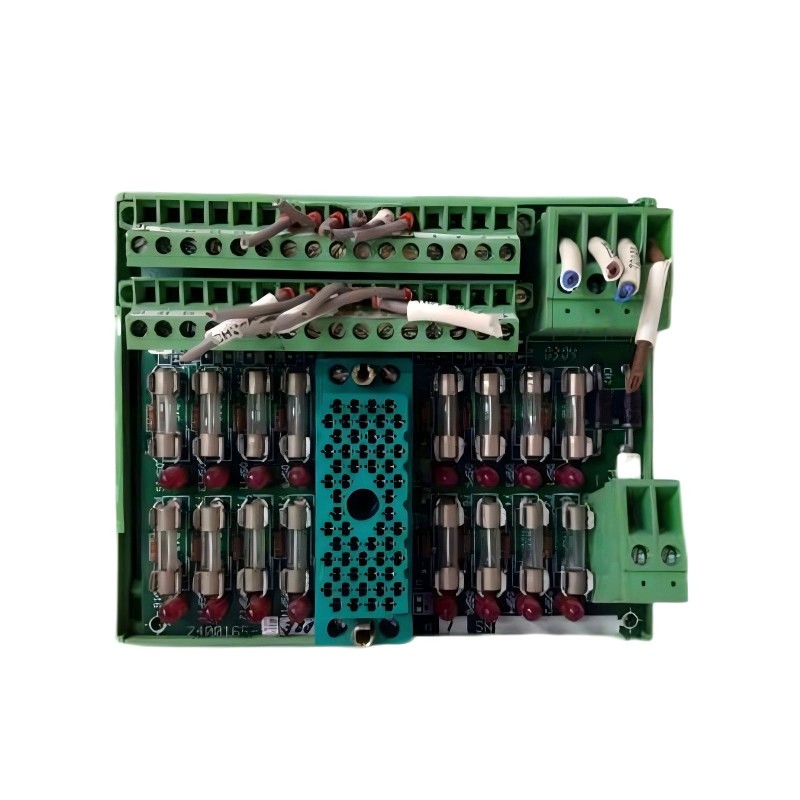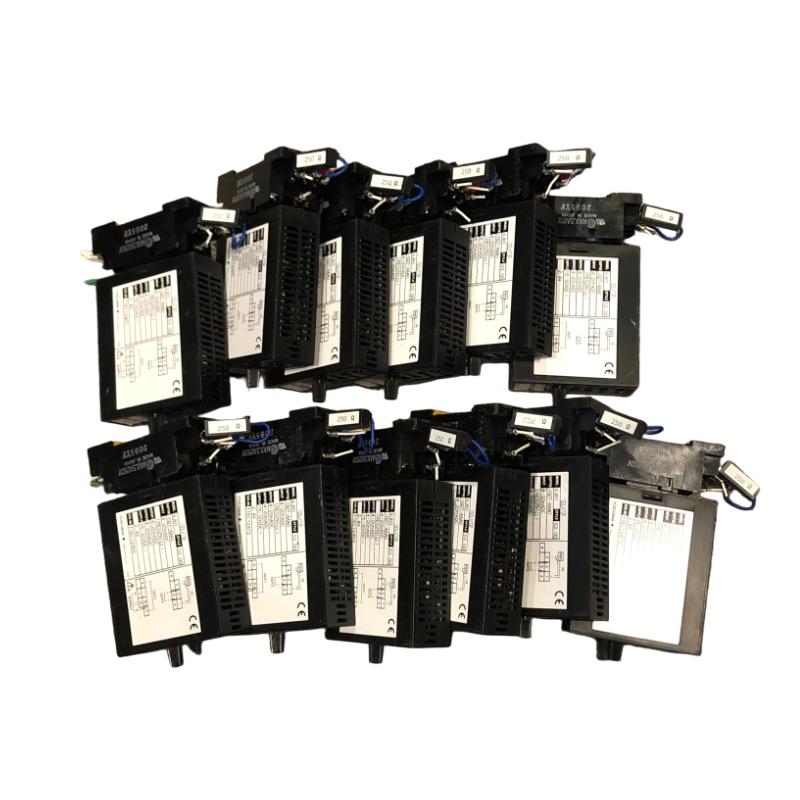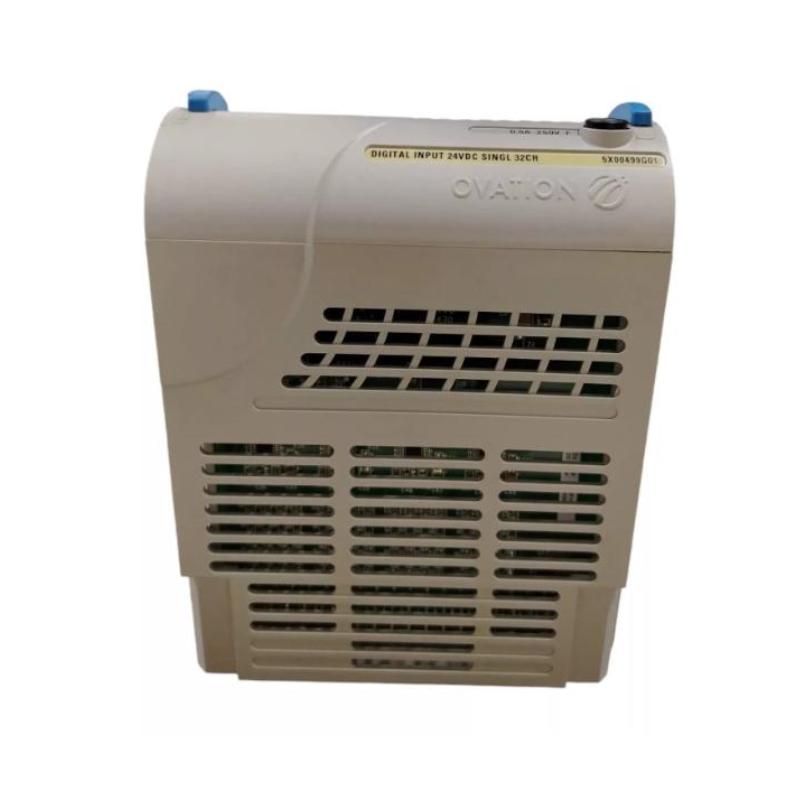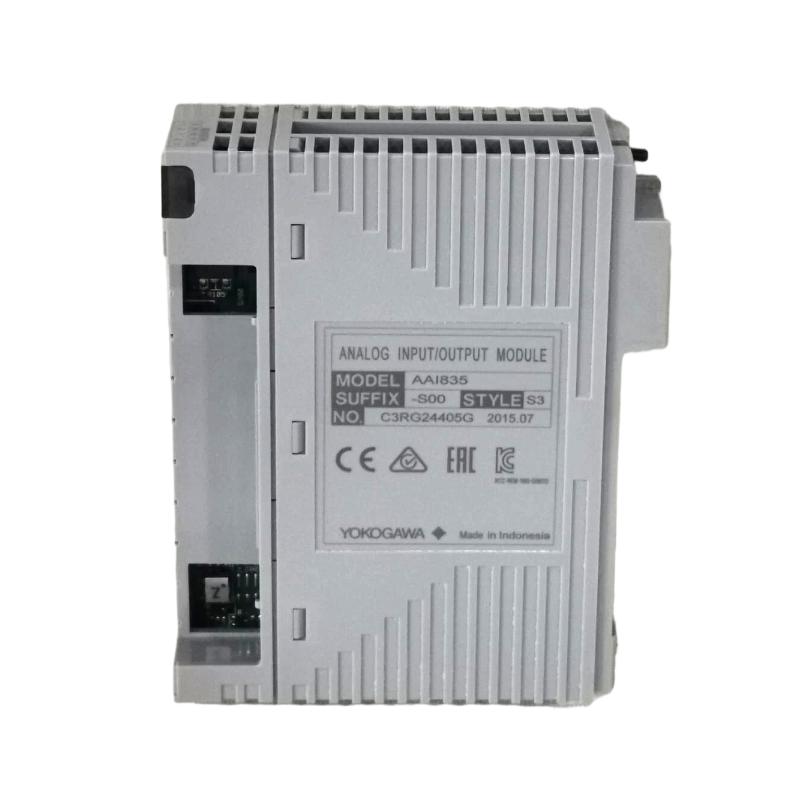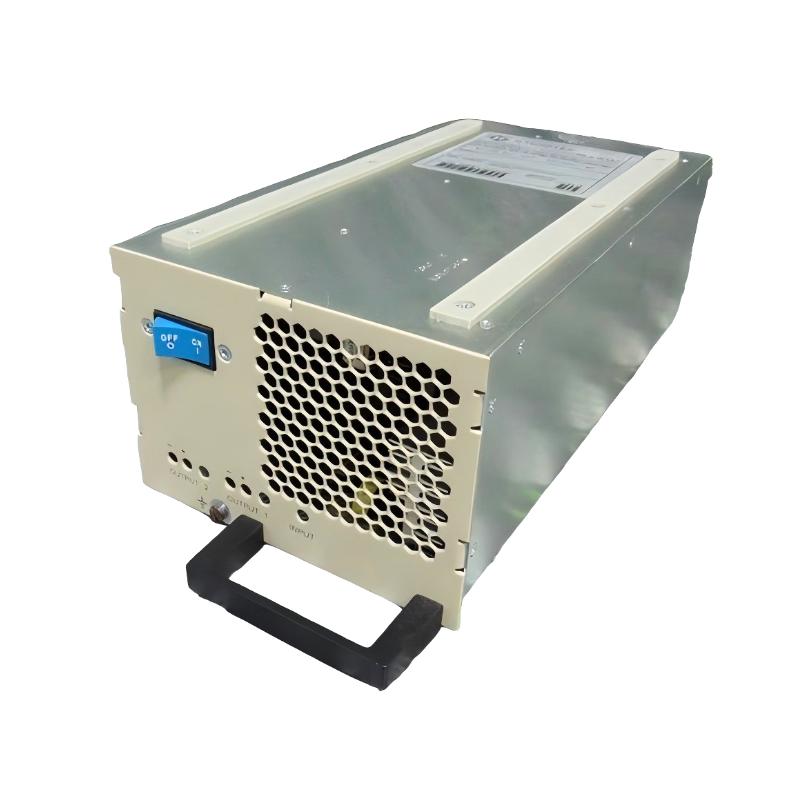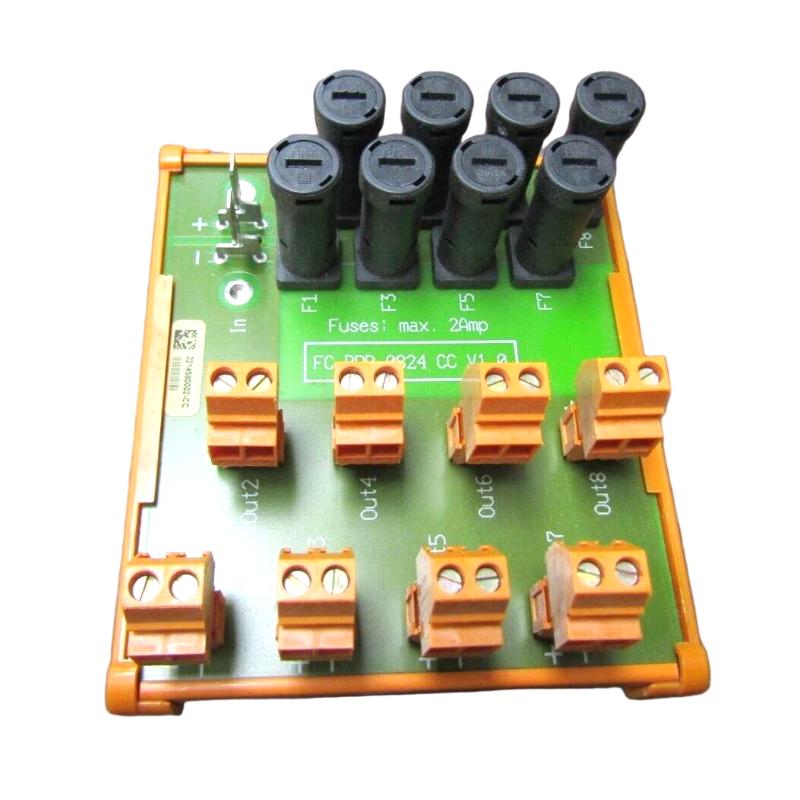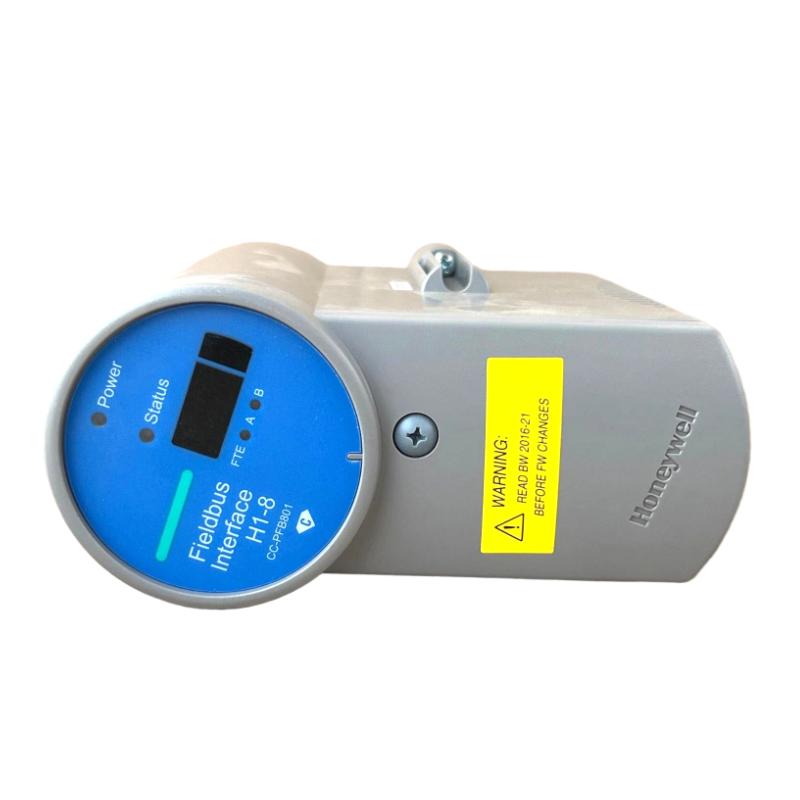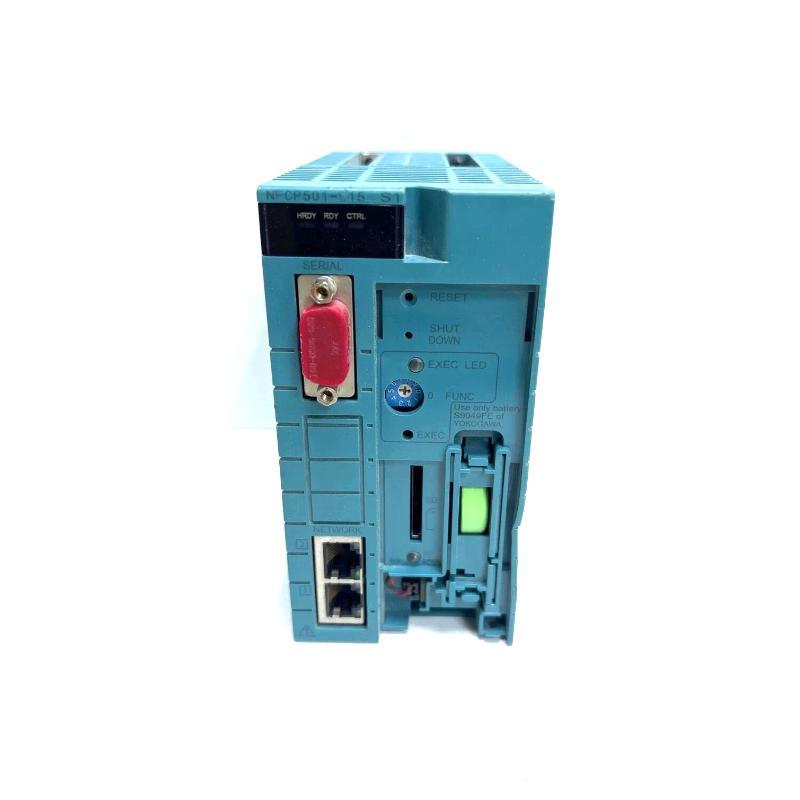
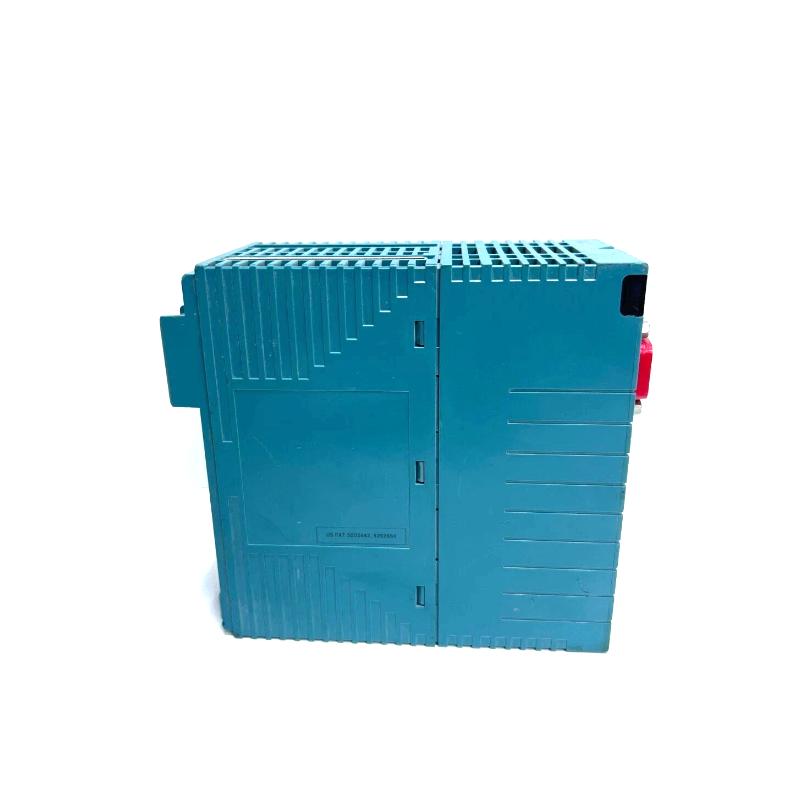
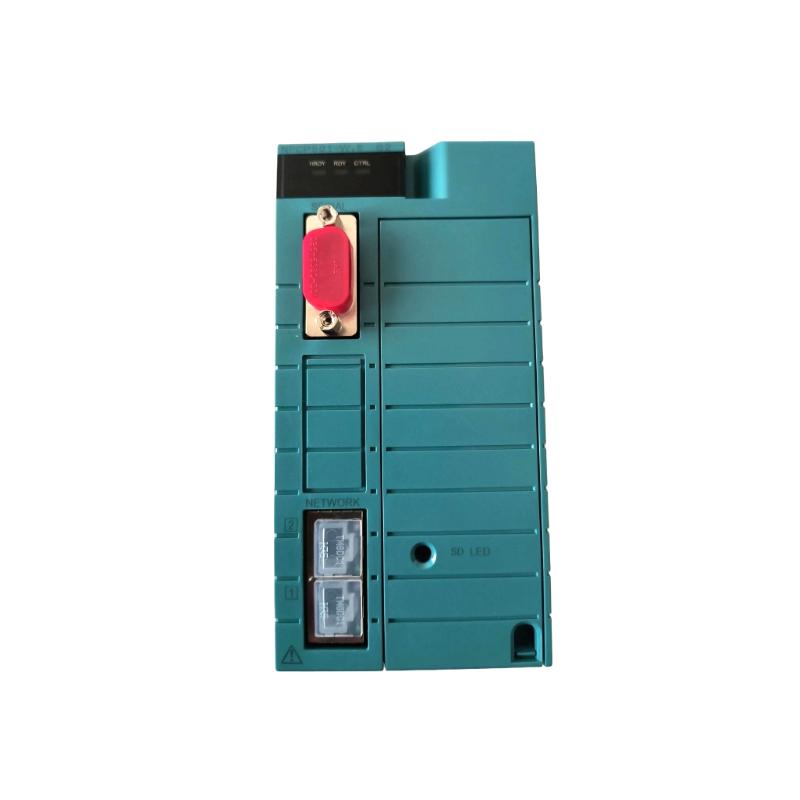
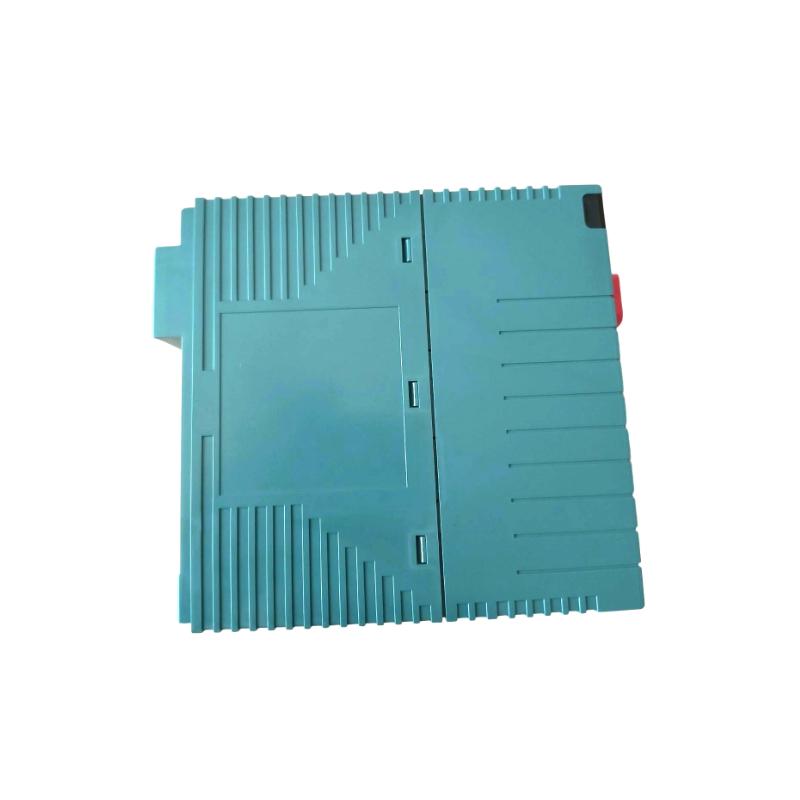
The Yokogawa NFCP501 Autonomous Controller CPU Module is a rugged and versatile core processing unit designed for the STARDOM FCN‑500 series autonomous controller platform. Serving as the central processing engine, this module executes control logic, manages distributed I/O communications, and provides deterministic processing performance necessary for advanced process automation systems. Its robust architecture supports redundancy, network integration, and real‑time operational stability—making it suitable for complex industrial control environments.
Technical Specifications
| Specification | Details |
|---|
| Manufacturer | Yokogawa Electric Corporation |
| Model Number | NFCP501 |
| Module Type | Autonomous Controller CPU Module |
| System Compatibility | STARDOM FCN‑500 Autonomous Controllers |
| Processor | High‑Performance Industrial Microcontroller |
| Memory | ECC System RAM |
| Internal Storage | Onboard Flash Memory |
| Communication Ports | Ethernet, RS‑232, RS‑485 |
| Supported Protocols | Modbus TCP, Modbus RTU, OPC, others (system dependent) |
| Redundancy Support | CPU and power redundancy support |
| Power Supply Input | 24 V DC (typical industrial) |
| Power Consumption | Low‑power design |
| Operating Temperature | –20 °C to +70 °C |
| Storage Temperature | –40 °C to +85 °C |
| Humidity Range | 5%–95% RH (non‑condensing) |
| Mounting | Installed into base module assembly |
| Dimensions | Approx. 72 × 120 × 105 mm |
| Weight | ~0.6–0.8 kg |
Applications
The NFCP501 CPU Module is widely deployed in environments where reliable control and autonomous performance are required:
-
Distributed Control Systems (DCS) in process and manufacturing industries
-
Remote automation for oil & gas wellheads and unmanned installations
-
Utility systems including power, water, and wastewater monitoring
-
Factory automation requiring high‑speed logic execution and resilient control
-
Machine control and supervisory functions in hybrid plant architectures
Because it supports multiple industrial protocols and redundancy configurations, this CPU is especially suited to critical automation systems where uptime and data integrity are priorities.
Applications
The NFCP501 CPU Module is widely deployed in environments where reliable control and autonomous performance are required:
-
Distributed Control Systems (DCS) in process and manufacturing industries
-
Remote automation for oil & gas wellheads and unmanned installations
-
Utility systems including power, water, and wastewater monitoring
-
Factory automation requiring high‑speed logic execution and resilient control
-
Machine control and supervisory functions in hybrid plant architectures
Because it supports multiple industrial protocols and redundancy configurations, this CPU is especially suited to critical automation systems where uptime and data integrity are priorities.
Technical FAQs
1. What is the primary role of the NFCP501 module?
It serves as the main processor within a distributed autonomous controller, executing logic and managing communication.
2. Which systems are compatible with this CPU?
It is compatible with Yokogawa STARDOM FCN‑500 autonomous controller platforms.
3. Does it support redundant configurations?
Yes — both CPU and power redundancy can be configured with the correct system setup.
4. What communication ports are available?
Ethernet, RS‑232, and RS‑485 ports are typically supported, enabling flexible connectivity.
5. What industrial protocols does it work with?
Common protocols like Modbus TCP, Modbus RTU, and other system‑dependent industrial standards.
6. What is its typical power supply requirement?
24 V DC power input, suitable for most industrial installations.
7. Is it suitable for remote or unmanned applications?
Yes — low power design and network flexibility make it ideal for remote or autonomous setups.
8. What is the operating temperature range?
–20 °C to +70 °C under industrial conditions.
9. Can it interface with multiple I/O modules?
Yes — when installed in a compatible base module, it can interface with numerous I/O cards.
10. Which industries typically use this module?
It’s commonly used in energy, water/wastewater, petrochemical, manufacturing, and process automation sectors.
 A DCS Q Co., Ltd. - PLC and DCS Industrial Control Equipment Wholesale