Introduction
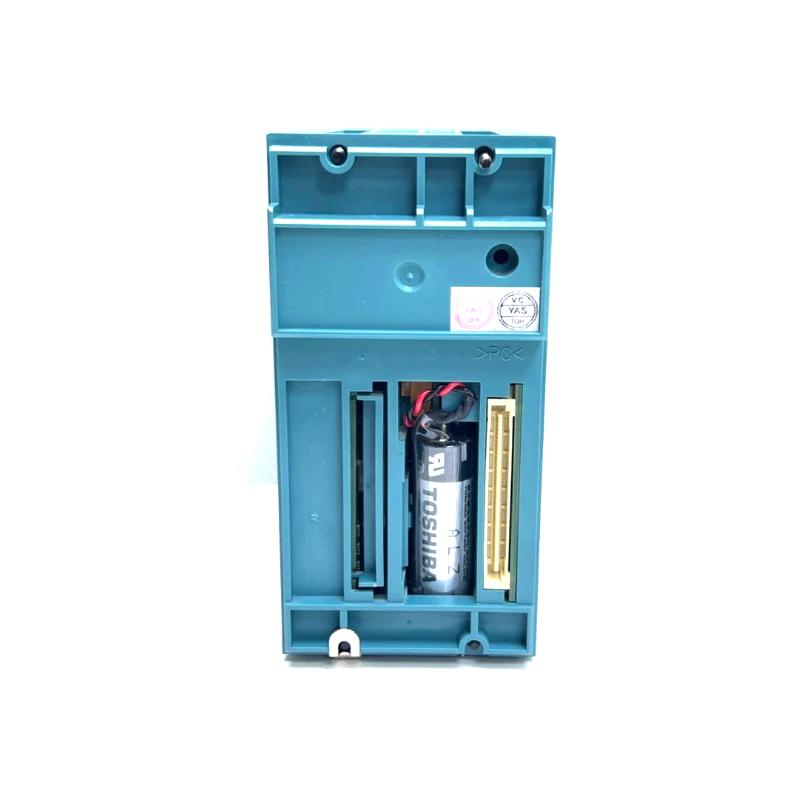
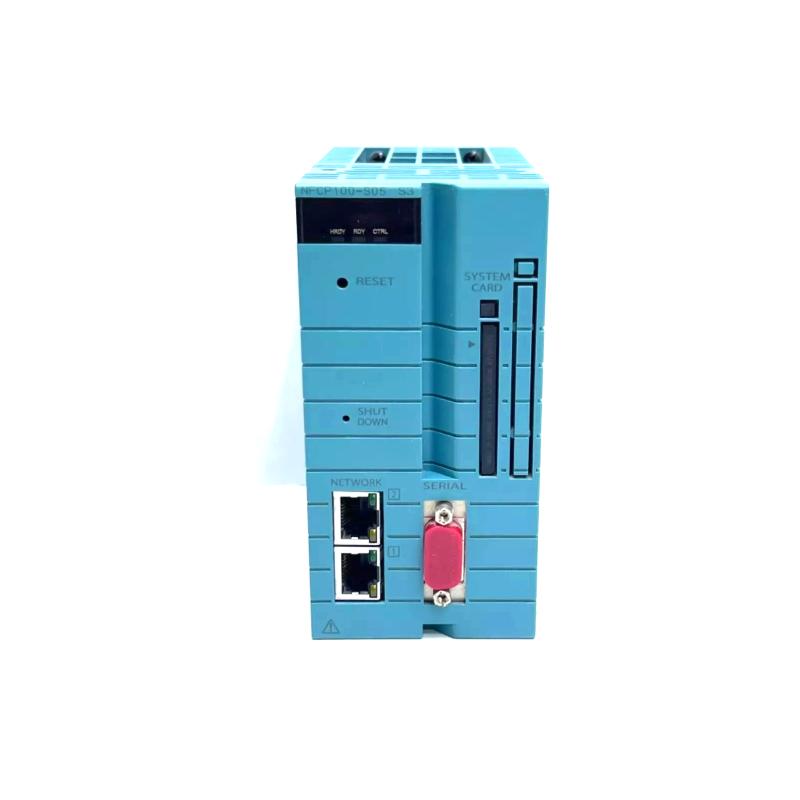
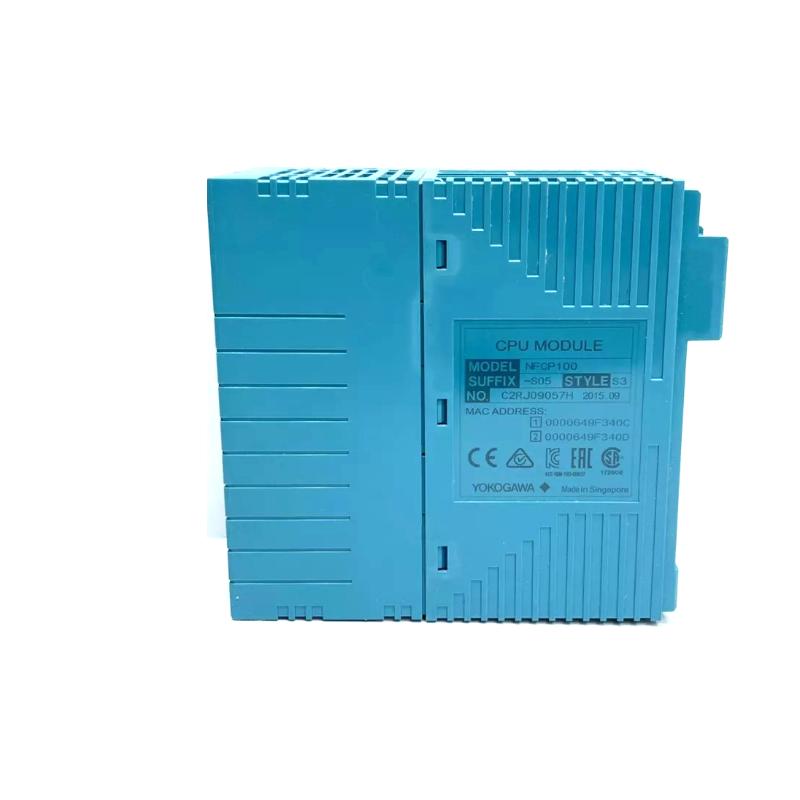
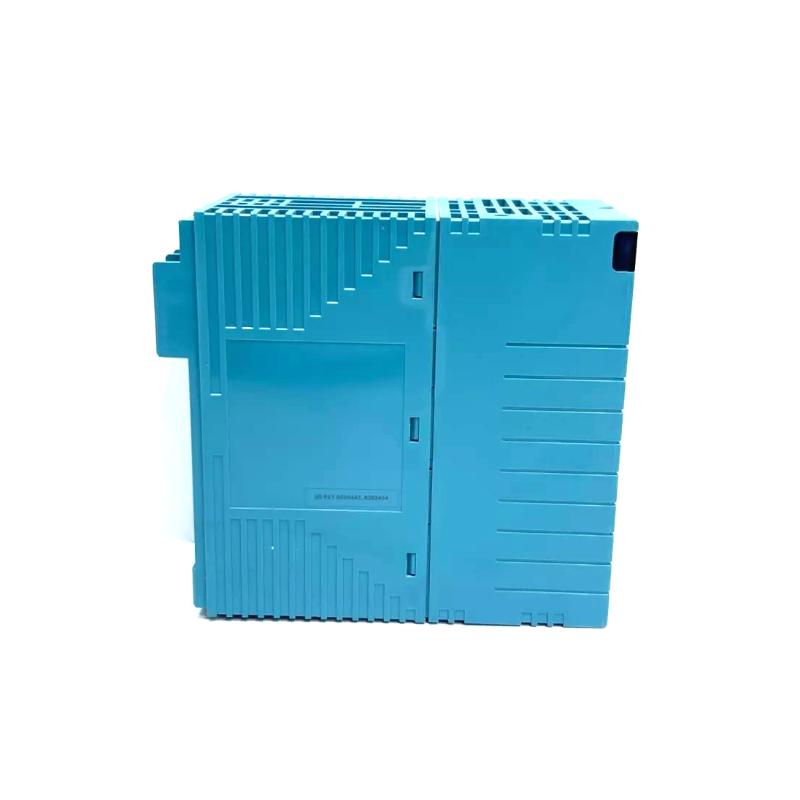
The Yokogawa NFCP100‑S05 Autonomous Controller CPU Module is a high‑reliability processing unit designed for use in Yokogawa STARDOM FCN‑100 series autonomous controllers. It serves as the central execution engine for control logic, real‑time communication, and data coordination in distributed automation systems. Tailored for industrial environments, this CPU module combines robust performance, flexible connectivity, and network resilience—making it ideal for process plants, utilities, and remote control applications.
Technical Specifications
| Specification | Details |
|---|
| Manufacturer | Yokogawa Electric Corporation |
| Model Number | NFCP100‑S05 |
| Module Type | Autonomous Controller CPU Module |
| System Compatibility | STARDOM FCN‑100 Autonomous Controller |
| Embedded Processor | Dedicated industrial CPU core |
| Main Memory | ECC RAM with fault tolerance |
| Storage | Onboard non‑volatile memory |
| Communication Interfaces | Ethernet, RS‑232/485, SB Bus |
| Supported Protocols | Modbus, Ethernet/IP, OPC (system dependent) |
| Maximum I/O Capacity | System dependent (via base module expansion) |
| Redundancy Capability | Supported in duplex configurations |
| Power Requirements | 24 V DC input |
| Power Consumption | Low‑power industrial design |
| Operating Temperature | –20°C to +70°C industrial range |
| Storage Temperature | –40°C to +85°C |
| IO Integration | Works with modular base and I/O modules |
| Physical Dimensions | Approx. 65 × 132 × 145 mm |
| Weight | Approx. 0.6–0.8 kg |
Applications
The NFCP100‑S05 CPU Module fits a wide range of industrial automation scenarios:
-
Process Control Systems – Distributed control in chemical, power, and manufacturing plants
-
Remote and Autonomous Stations – Control nodes in unmanned facilities or remote sites
-
Utility and Water Management – Real‑time processing for distributed sensors and actuators
-
Modular I/O Automation – Supports scalable expansion with base modules and I/O cards
-
Machine Automation – Embedded logic and communication for complex machine sequences
With its integrated communication interfaces and support for redundancy, this CPU is suitable wherever control stability and uptime are critical.
Advantages
-
Industrial‑Grade Processing: Built for continuous execution of real‑time control logic
-
Flexible Communication: Multiple ports and protocol support improve system integration
-
Redundancy Support: Facilitates redundant power and CPU configurations for high availability
-
Low Power Design: Supports energy‑efficient operation in distributed systems
-
Modular Integration: Works seamlessly with base modules and I/O expansion cards
-
Environmental Tolerance: Operates reliably across wide temperature and humidity ranges
These features make the NFCP100‑S05 a dependable choice for distributed control systems requiring both flexibility and stability
Technical FAQs
1. What is the main role of the NFCP100‑S05 CPU module?
It acts as the central processor for autonomous controller systems, handling real‑time logic execution and network communication.
2. Which systems is it compatible with?
It is designed for the Yokogawa STARDOM FCN‑100 autonomous controller platform.
3. What communication interfaces are available?
Common interfaces include Ethernet, RS‑232/RS‑485, and the system SB bus.
4. Does this module support redundancy?
Yes, it supports redundant CPU and power supply configurations when paired with compatible base modules.
5. What operating temperature range does it support?
It typically supports –20°C to +70°C under industrial conditions.
6. Can it be used for remote automation?
Yes, its low power consumption and communication flexibility make it ideal for remote or autonomous installations.
7. What protocols does it support?
It supports common industrial protocols such as Modbus and Ethernet‑based communication (protocol availability may depend on configuration).
8. How is power supplied to the module?
It uses a 24 V DC industrial power source.
9. Does it include onboard I/O?
Onboard I/O is system dependent; many applications use external I/O cards connected via base modules.
10. Which industries use this CPU module?
It is widely used in oil & gas, power, water and wastewater, and general industrial automation sectors.
 A DCS Q Co., Ltd. - PLC and DCS Industrial Control Equipment Wholesale