Introduction
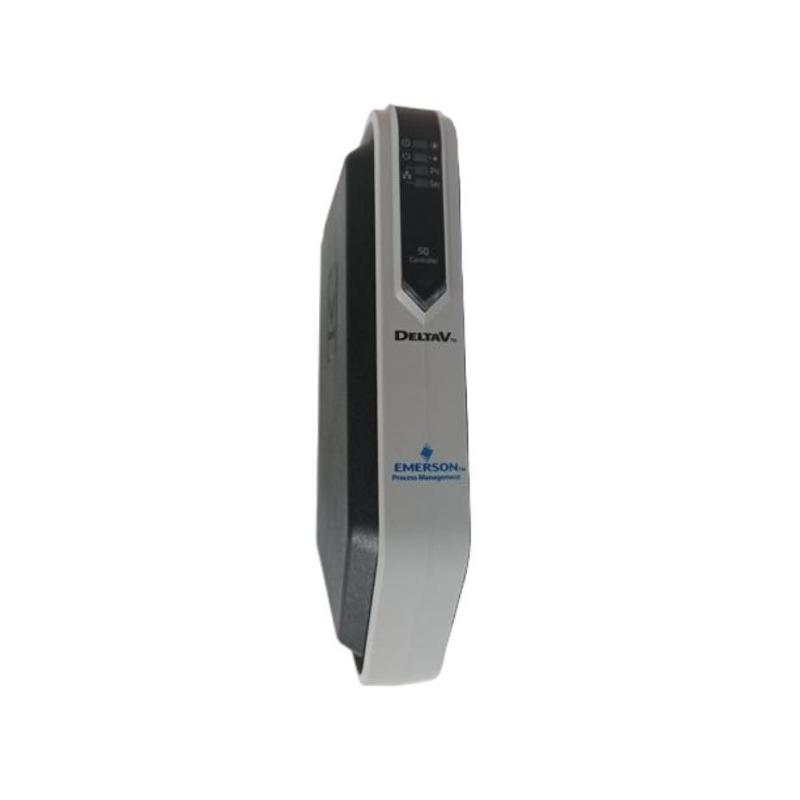
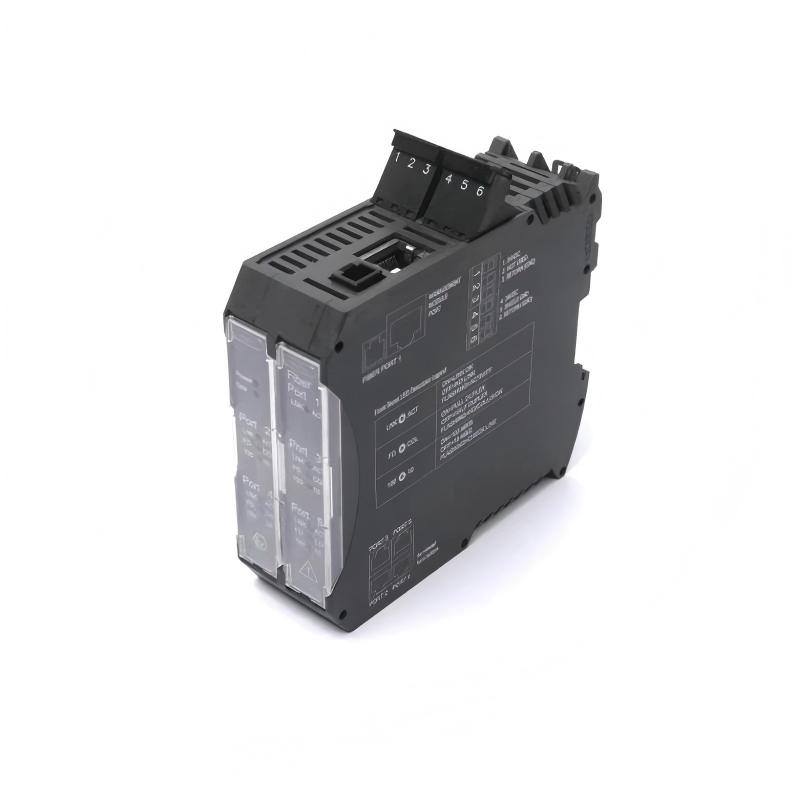
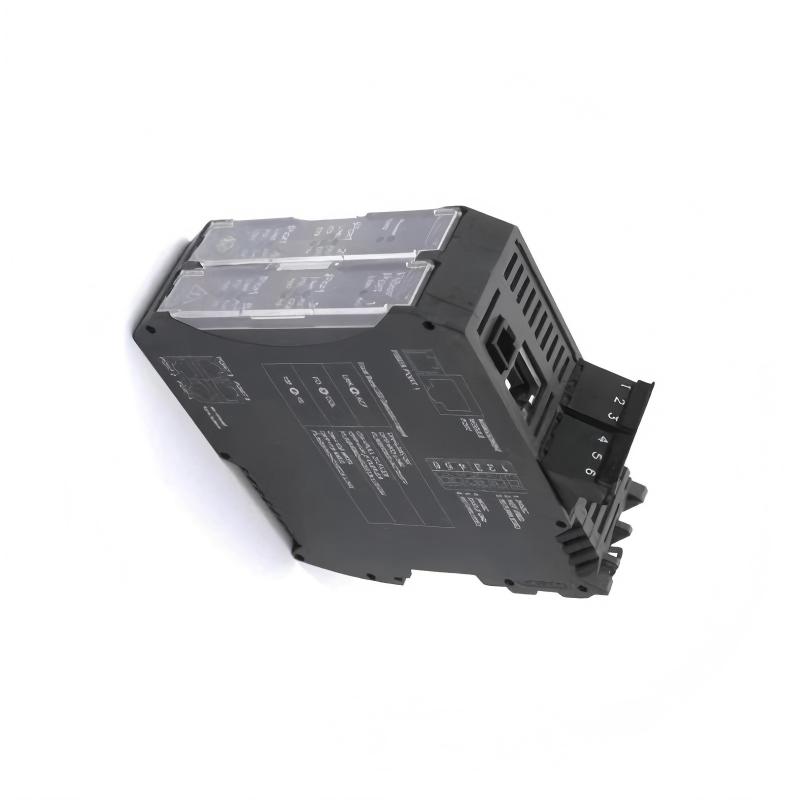
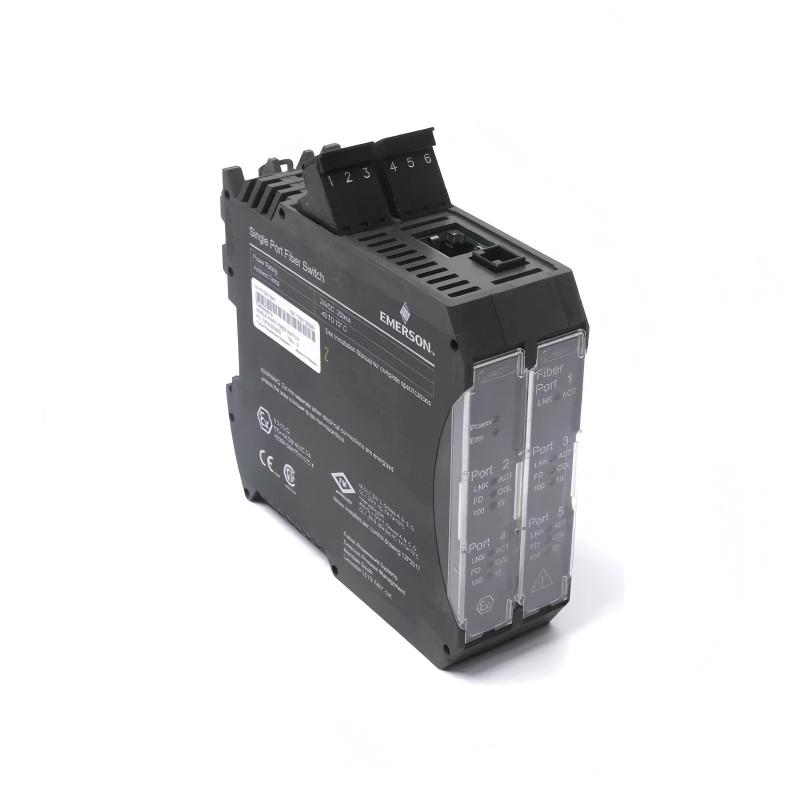
The Emerson KJ1710X1‑BA1 fiber optic switch is a specialized industrial network component designed for demanding automation environments such as Emerson DeltaV™ distributed control systems (DCS). This single‑port fiber switch provides high‑integrity communication over optical fiber links, enabling robust, long‑distance data transfer with immunity to electromagnetic interference. Its rugged construction and extended environmental ratings make it ideal for process plants, utility networks, and other mission‑critical automation applications.
Technical Specifications
| Parameter | Specification |
|---|
| Manufacturer | Emerson |
| Model Number | KJ1710X1‑BA1 |
| Module Type | Single Port Fiber Optic Switch |
| System Compatibility | Emerson DeltaV DCS |
| Input Power Supply | 19.2–28.8 V DC @ ~250 mA |
| Communication Ports | 1 × Fiber Optic Port (exact type may vary) |
| Transmission Type | Optical fiber switching |
| Operating Temperature | ‑40 °C to +70 °C |
| Storage Temperature | ‑40 °C to +85 °C |
| Relative Humidity | 5 %–95 % non‑condensing |
| Shock Resistance | 10 g, ½‑sine 11 ms |
| Vibration Resistance | 1 mm p‑p (5–16 Hz); 0.5 g (16–150 Hz) |
| Airborne Contaminant Rating | ISA‑S71.04 Class G3 |
| Dimensions | Approx. 120 × 80 × 25 mm |
| Weight | ~0.2–0.55 kg (varies by supplier) |
| Mounting | Panel/DIN rail (typical in cabinets) |
| Certifications | Industrial safety standard compliance (varies by region) |
Applications
The KJ1710X1‑BA1 is commonly used in scenarios where robust optical communication is necessary:
-
Long‑Distance Data Transport: Extends network reach between control racks, remote I/O clusters, or distributed controllers where copper Ethernet is impractical.
-
Industrial Networks: Provides high‑integrity links immune to electrical noise in plants such as chemical processing, power generation, and mining.
-
Redundant Communications: Supports backup pathways in high‑availability DeltaV DCS architectures.
-
Remote Field Instrument Networks: Connects remote devices with control hardware over fiber optic paths.
-
Hazardous Area Connectivity: Suitable for shielded or flame‑proof network segments where optical interfacing is needed.
Advantages
-
Optical Immunity: Fiber links eliminate susceptibility to electrical interference, grounding issues, and lightning transients.
-
Extended Reach: Supports distances beyond copper Ethernet limits, ideal for distributed plant layouts.
-
Industrial Resilience: Wide temperature and humidity tolerance ensures dependable operation in harsh conditions.
-
Compact Form Factor: Small footprint facilitates installation in control cabinets or network racks.
-
Certified Standards: Built to withstand shock, vibration, and airborne contaminants typical of industrial environments.
These strengths make it an efficient choice for fiber‑based communication networks in complex automation systems.
Technical FAQs
1. What is the primary purpose of this module?
It functions as a single‑port fiber optic switch to connect optical network segments in industrial automation systems.
2. What power input does it require?
Operates on 19.2 – 28.8 V DC with typical current draw around 250 mA.
3. Is this switch compatible with DeltaV DCS networks?
Yes — it is designed to integrate with Emerson DeltaV Ethernet and fiber optics communications.
4. What operating temperature range does the device support?
It supports −40 °C up to +70 °C for industrial environments.
5. Can it withstand harsh environmental conditions?
Yes — it meets industrial shock, vibration, humidity, and airborne contaminant ratings suitable for control cabinets.
6. What type of network media does it use?
It uses optical fiber, typically single‑mode or multi‑mode depending on the fiber link design.
7. Does it include any diagnostic LEDs?
Typical implementations include operational and link status indicators, though exact LED details require specific documentation.
8. Is it suitable for hazardous locations?
Certain variants or installations may be certified for hazardous environments depending on regional approvals.
9. How is it mounted?
It is commonly mounted inside control cabinets on DIN rail or panel brackets.
10. Does it replace managed Ethernet switches?
No — it complements Ethernet infrastructure by providing dedicated fiber links rather than broad switching functions.
 A DCS Q Co., Ltd. - PLC and DCS Industrial Control Equipment Wholesale