Product Overview
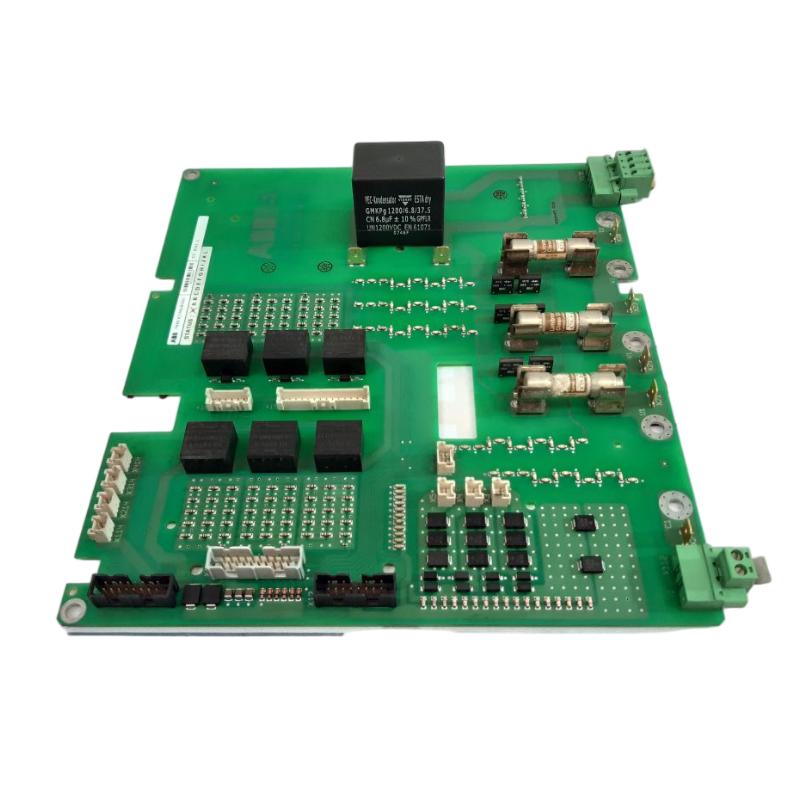
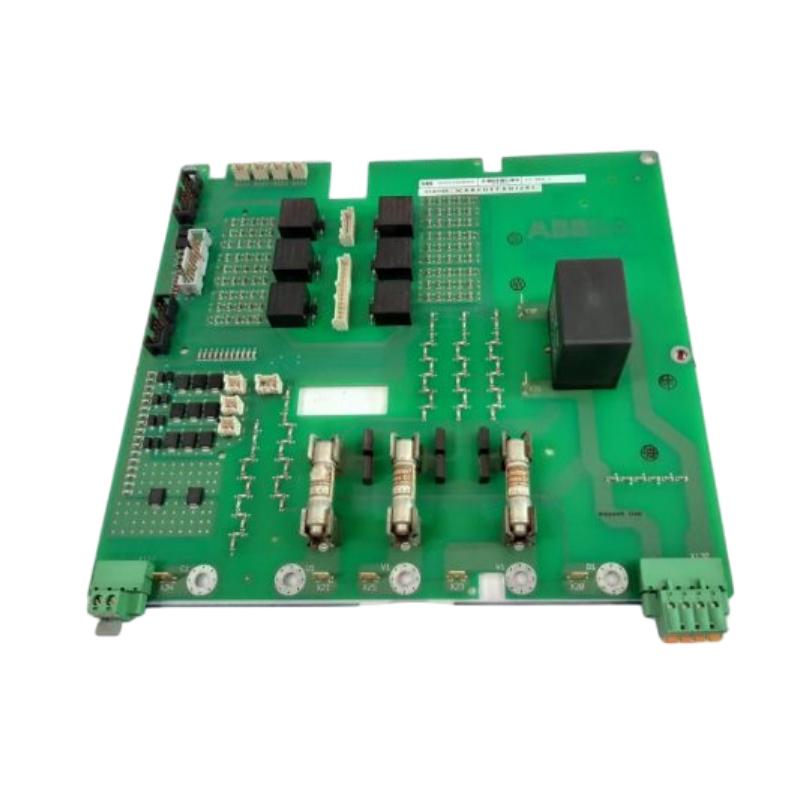
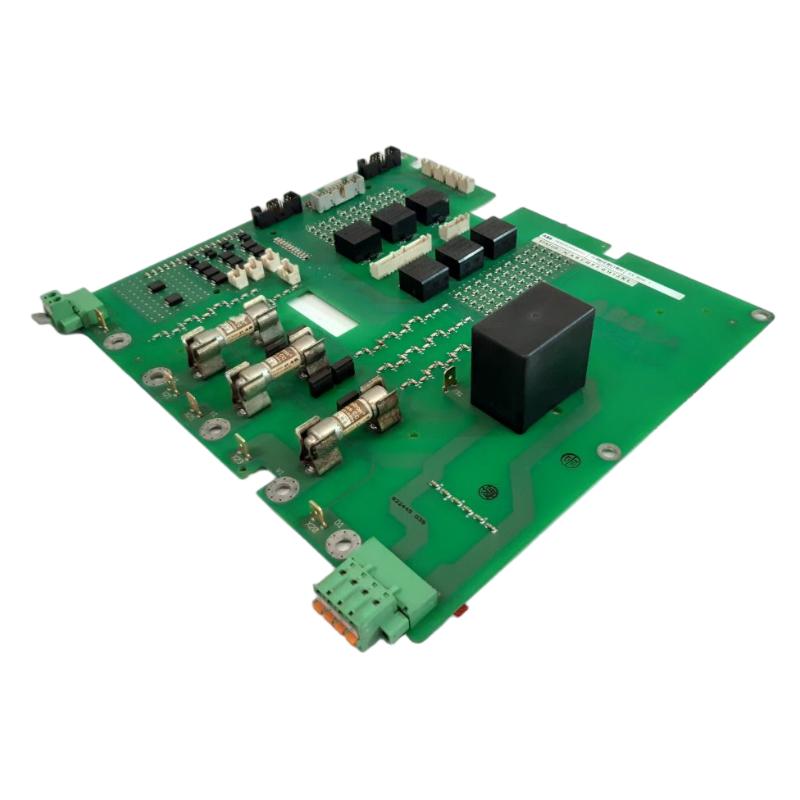
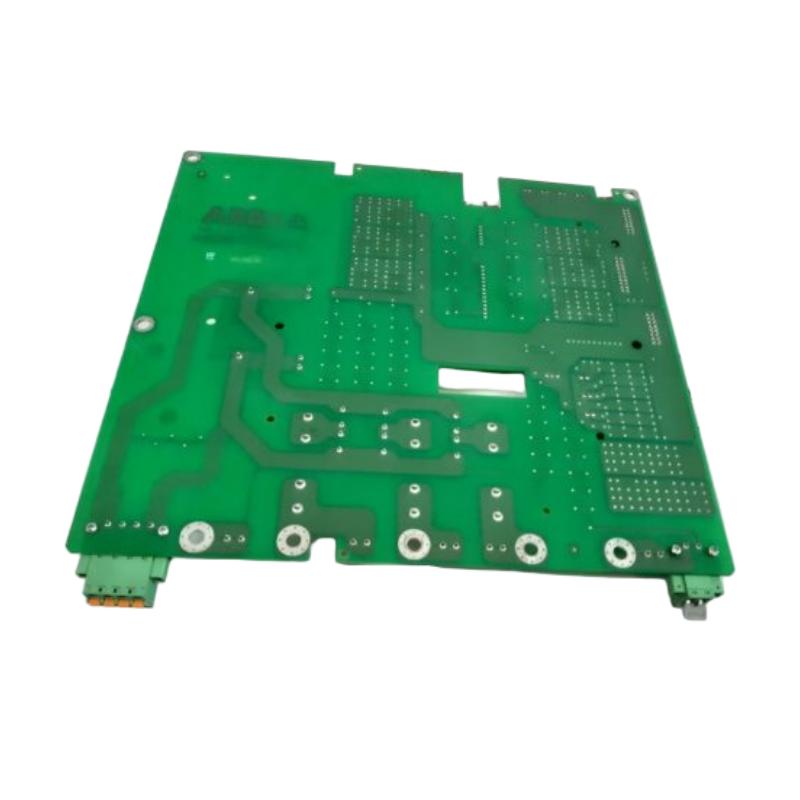
The ABB GV D241 A 3BHE022886R0001 PCB Card is a compact and reliable circuit board designed for use in ABB industrial automation and drive systems. It supports internal communication and signal processing, making it essential for both system commissioning and ongoing operation.
Its durable construction allows it to perform consistently in demanding industrial environments, while its compact design ensures easy integration into control cabinets. The board is particularly valuable for maintenance teams and commissioning engineers who require dependable system performance and efficient troubleshooting capabilities.
By ensuring stable signal flow and system coordination, the GV D241 A contributes to reduced downtime and improved operational efficiency.
Technical Specifications
| Specification | Details |
|---|
| Manufacturer | ABB |
| Model Number | 3BHE022886R0001 |
| Module Type | PCB Card |
| Function | Signal Processing and Internal Communication |
| System Compatibility | ABB Automation and Drive Systems |
| Installation | Internal Rack / Control Cabinet Mount |
| Operating Temperature | -20°C to 60°C |
| Storage Temperature | -40°C to 85°C |
| Dimensions | 177 mm × 142 mm × 32 mm |
| Weight | 0.38 kg (0.84 lb) |
Applications in System Commissioning and Signal Management
The ABB GV D241 A PCB Card is designed to support signal distribution, processing, and coordination within ABB automation and power control systems. It plays a key role during system commissioning and operational phases by ensuring that internal communication between subsystems remains stable and accurate.
Typical application scenarios include:
-
Drive System Commissioning: Assists in establishing reliable signal paths between control boards and power modules.
-
Automation Cabinets: Provides internal circuit connectivity for controllers and interface modules.
-
Process Control Systems: Supports stable signal handling in oil & gas, chemical, and power environments.
-
Industrial Equipment Diagnostics: Enables consistent communication required for troubleshooting and system validation.
-
Upgrade and Maintenance Projects: Frequently used as a replacement board to restore system functionality.
Its role is particularly important during system startup and diagnostics, where signal integrity directly impacts performance.
Advantages for Commissioning Engineers
-
Stable Signal Handling: Ensures accurate data transfer during system startup and operation.
-
Compact Integration Design: Dimensions of 177 mm × 142 mm × 32 mm allow efficient installation within control assemblies.
-
Service-Friendly Weight: Weighs 0.38 kg (0.84 lb), making it easy to install or replace during maintenance.
-
High System Compatibility: Designed to integrate seamlessly with ABB automation and drive platforms.
-
Reliable Under Electrical Stress: Maintains performance in environments with electrical noise and fluctuating conditions.
Technical FAQs
-
What is the primary function of the GV D241 A PCB card?
It manages internal signal distribution and communication within ABB systems.
-
Is this board critical during system commissioning?
Yes, it ensures stable signal flow, which is essential during startup and configuration.
-
How is the PCB card installed?
It is mounted inside control cabinets or racks and connected via board interfaces.
-
Can it be used as a replacement component?
Yes, it is commonly used in maintenance and retrofit applications.
-
Does it support diagnostic operations?
Yes, it helps maintain communication pathways required for system diagnostics.
-
Is it suitable for industrial environments?
Yes, it is designed to operate under vibration, electrical noise, and temperature variation.
-
What types of systems use this PCB card?
ABB drive systems, automation platforms, and process control systems.
-
Can it handle high-speed internal signals?
Yes, it is designed for efficient signal processing with minimal delay.
-
How does it improve system reliability?
By ensuring consistent signal transmission, it reduces communication errors and system faults.
-
What is the key operational benefit?
Provides dependable signal coordination, supporting stable system performance and easier troubleshooting.
 A DCS Q Co., Ltd. - PLC and DCS Industrial Control Equipment Wholesale