Product Overview
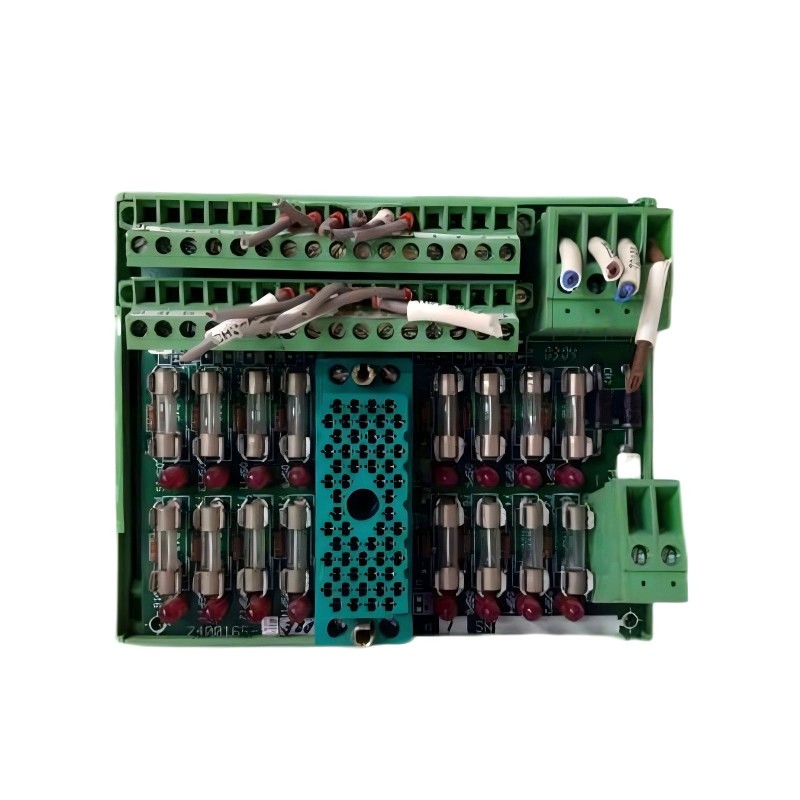
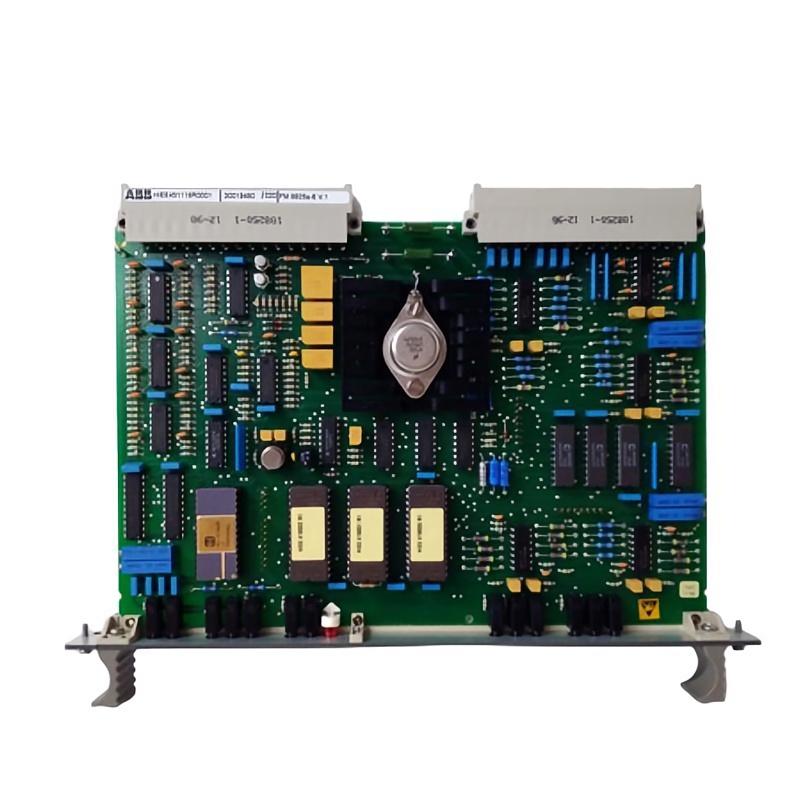
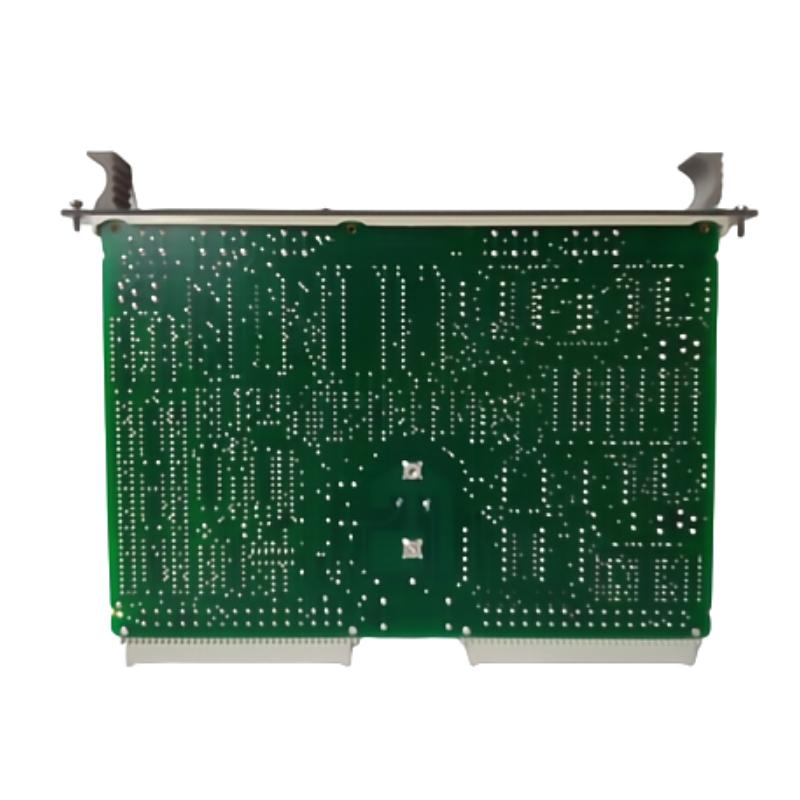
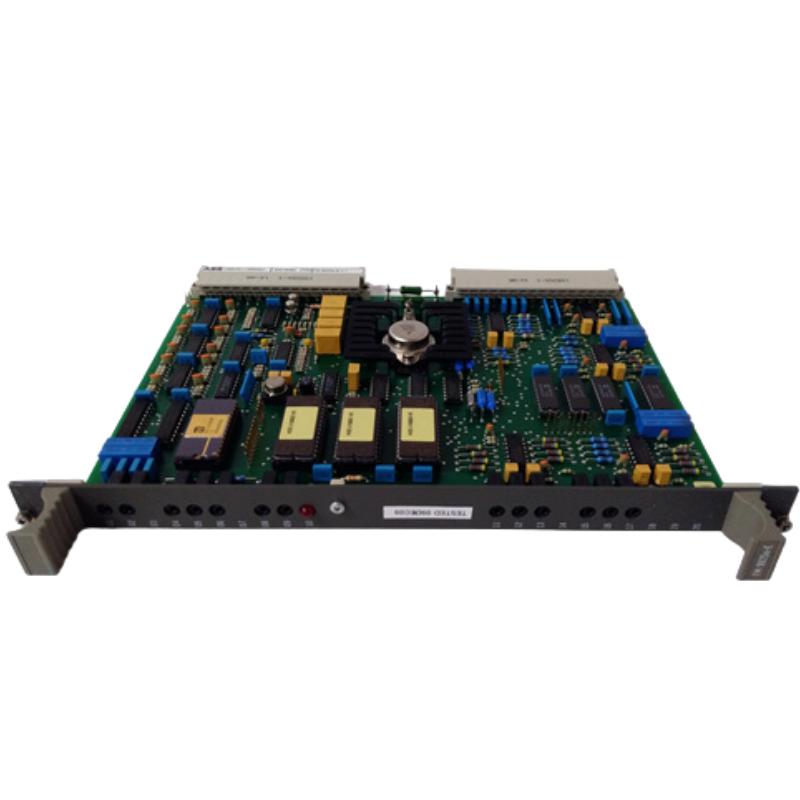
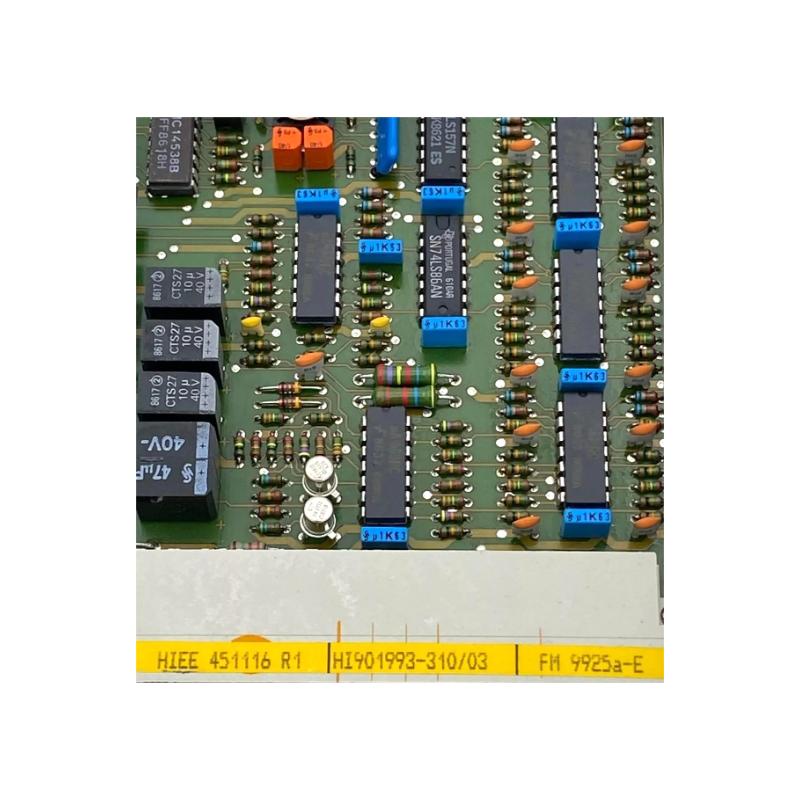
The ABB FM9925A-E HIEE451116R1 Interface Module Card is a precision-engineered component designed to facilitate communication between different layers of an industrial automation system. Acting as an interface bridge, it ensures that signals are transmitted accurately between controllers, I/O modules, and external devices.
Its compact design allows for efficient integration into control cabinets, while its robust construction ensures dependable operation in demanding industrial environments. The module plays a crucial role in maintaining system cohesion, especially in applications where multiple subsystems must operate in synchronization.
For engineers, the FM9925A-E offers a reliable solution for managing complex signal interfaces, supporting both system expansion and modernization efforts.
Technical Specifications
| Specification | Details |
|---|
| Manufacturer | ABB |
| Model Number | HIEE451116R1 |
| Module Type | Interface Module Card |
| Function | Signal Interface and Communication Bridging |
| System Compatibility | ABB Industrial Automation Systems |
| Installation | Control Cabinet / Rack Mount |
| Operating Temperature | -20°C to 60°C |
| Storage Temperature | -40°C to 85°C |
| Dimensions | 260 mm × 160 mm × 30 mm |
| Weight | 0.95 kg (2.09 lb) |
Applications Across Control Interface Layers
The ABB FM9925A-E Interface Module Card is designed to act as a critical bridge between control systems and peripheral or field-level devices. It enables structured signal exchange and protocol interfacing, ensuring that different subsystems within an ABB automation environment communicate efficiently and without data inconsistency.
Typical use cases include:
-
Controller-to-I/O Integration: Linking central processors with distributed I/O subsystems in complex automation architectures.
-
Drive and Power System Interfaces: Supporting communication between control units and power electronics or drive systems.
-
Process Industries: Used in oil & gas, power generation, and chemical plants where stable signal interfacing is essential.
-
Manufacturing Automation: Ensures consistent data flow between machines, sensors, and supervisory systems.
-
Retrofit and Upgrade Projects: Acts as an interface layer when integrating legacy equipment into modern ABB systems.
Its role is particularly important in systems where signal integrity and protocol compatibility directly impact operational performance.
Advantages from an Engineering Perspective
-
Stable Signal Interface: Ensures accurate data exchange between heterogeneous system components.
-
Protocol Adaptability: Supports integration across different communication layers within ABB architectures.
-
Compact Industrial Footprint: With dimensions of 260 mm × 160 mm × 30 mm, it fits efficiently into control cabinets.
-
Robust Build Quality: Designed to maintain performance under electrical noise and industrial environmental stress.
-
Moderate Weight for Easy Handling: Weighs 0.95 kg (2.09 lb), balancing durability and installation convenience.
 A DCS Q Co., Ltd. - PLC and DCS Industrial Control Equipment Wholesale