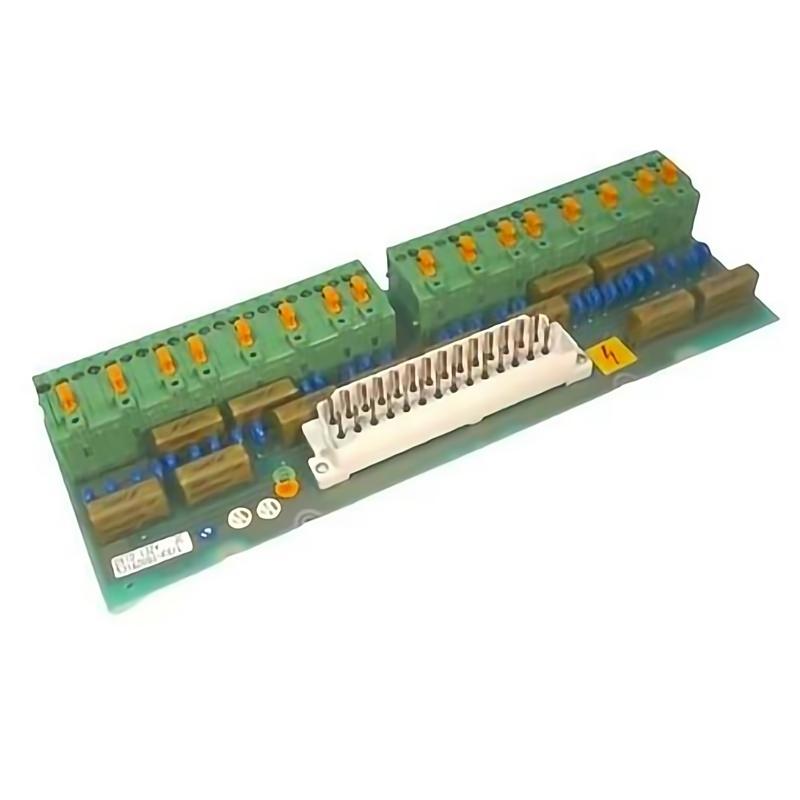
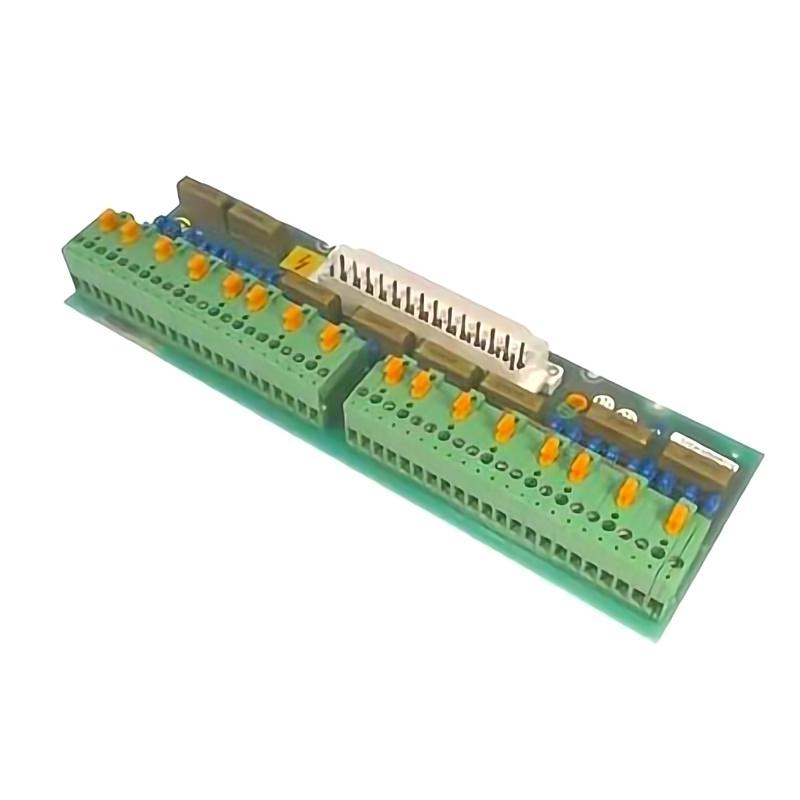
Product Overview
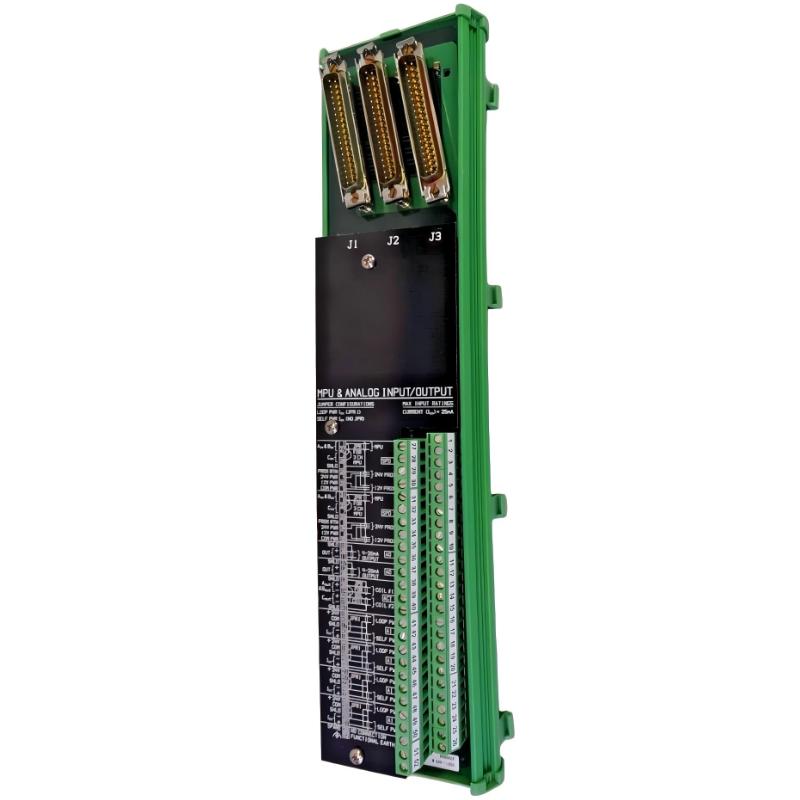
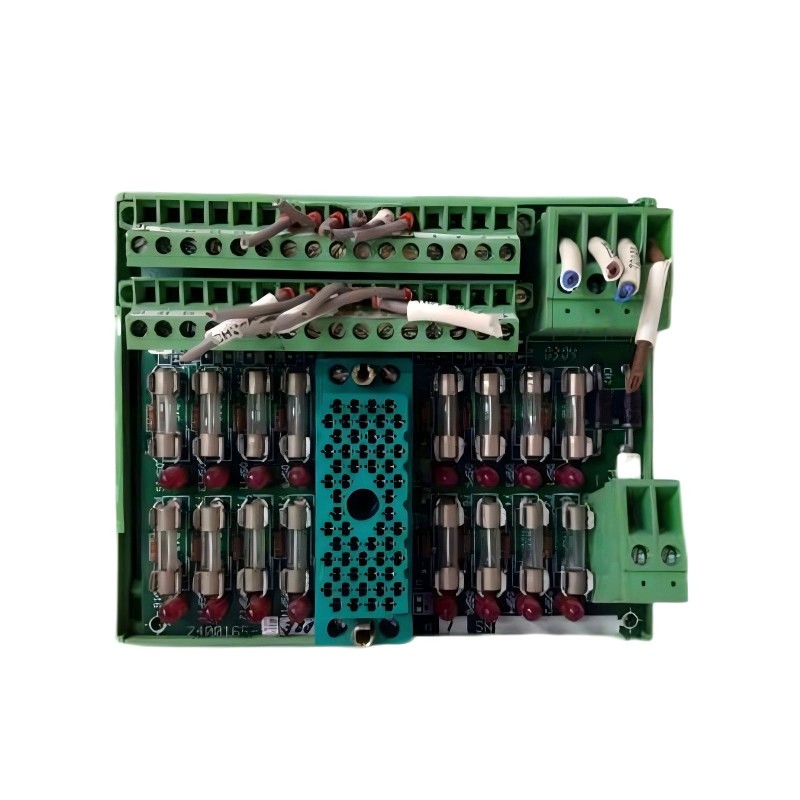
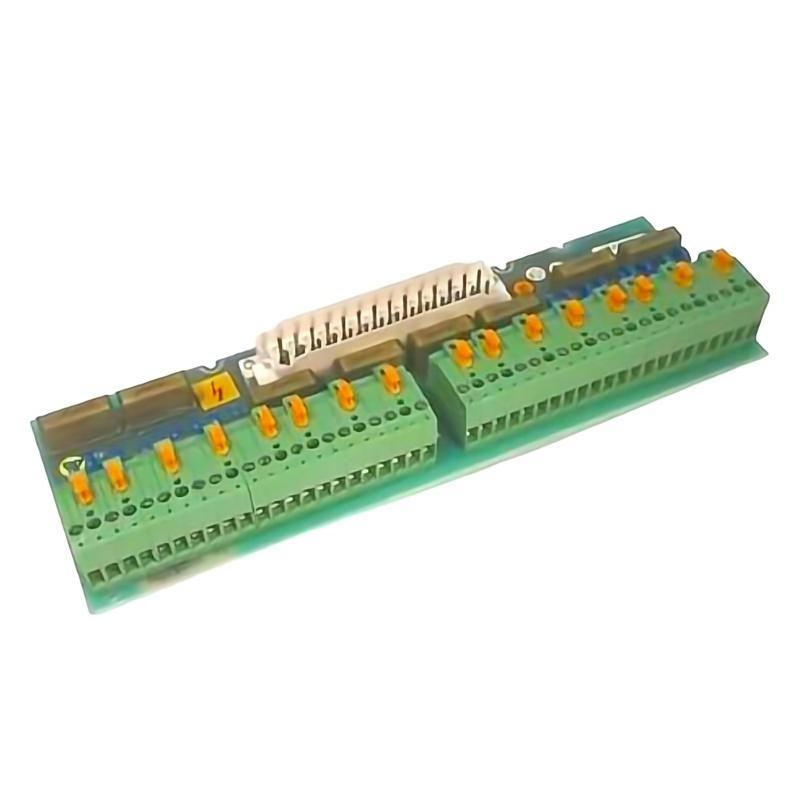
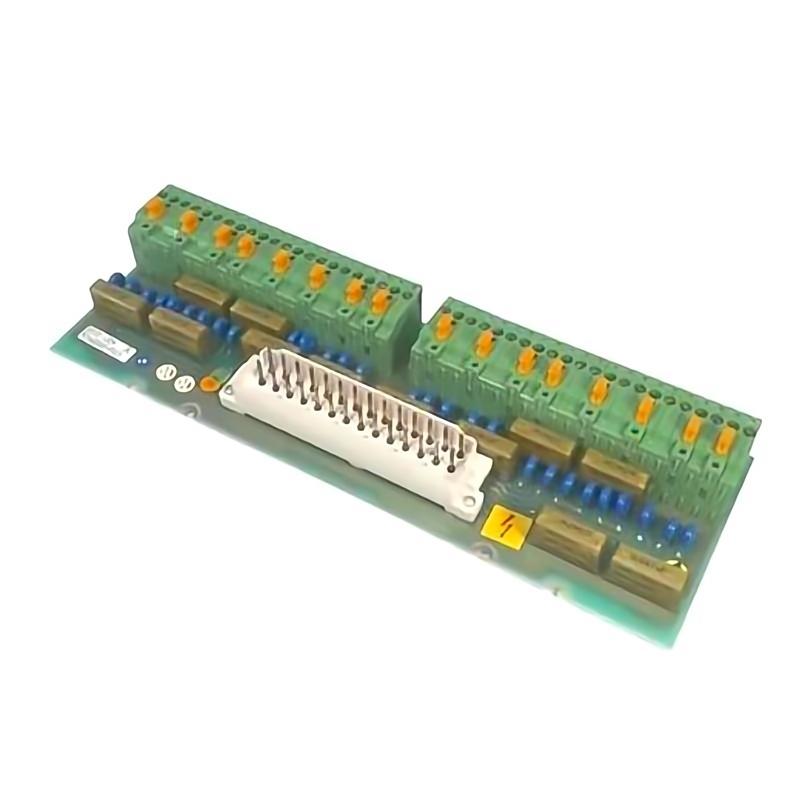
The ABB DSTD 132 57160001-FX/1 Connection Unit Module is a compact, lightweight, and reliable module designed for connecting and routing signals in ABB industrial automation networks. Its small footprint and durable construction allow it to be installed easily in control panels or racks while maintaining high performance under industrial conditions.
The DSTD 132 provides robust inter-module communication, supporting distributed control, process automation, and energy management applications. By ensuring reliable signal transfer and enabling modular system expansion, it helps maintain operational continuity, reduce maintenance, and support efficient automation network management.
Technical Specifications
| Specification | Details |
|---|
| Manufacturer | ABB |
| Model Number | 57160001-FX/1 |
| Module Type | Connection Unit Module |
| Function | Signal Routing and Module Interconnection |
| System Compatibility | ABB Industrial Automation Systems |
| Installation | Control Panel or Rack Mount |
| Operating Temperature | -20°C to 60°C |
| Storage Temperature | -40°C to 85°C |
| Dimensions | 250 mm × 120 mm × 65 mm |
| Weight | 0.41 kg (0.90 lb) |
Applications in Industrial Automation Networks
The ABB DSTD 132 57160001-FX/1 Connection Unit Module is designed to provide robust interconnection between automation modules in ABB systems. It ensures stable signal routing and efficient communication across industrial networks, which is critical for reliable operation in complex control architectures.
Typical deployment scenarios include:
-
Distributed Control Systems (DCS): Acts as a communication hub linking controllers and I/O modules for coordinated system operation.
-
Process Automation Plants: Used in chemical, oil & gas, and power plants to route signals efficiently between process control modules.
-
Manufacturing Systems: Facilitates communication between production machinery and central controllers for synchronized operations.
-
Energy Management Networks: Supports data transfer between monitoring systems and control devices for optimal energy distribution.
-
Building Automation: Provides reliable connections for HVAC, lighting, and security systems.
The DSTD 132 ensures that all modules communicate effectively, maintaining system integrity, operational continuity, and scalability for future expansions.
Advantages and Operational Highlights
-
Reliable Signal Routing: Guarantees accurate and consistent communication between automation modules.
-
Compact Form Factor: Dimensions of 250 mm × 120 mm × 65 mm make it suitable for space-limited control panels.
-
Lightweight Design: Weighs 0.41 kg (0.90 lb), simplifying installation and handling.
-
Seamless ABB System Integration: Designed to connect easily with ABB modular automation and control networks.
-
Durable Industrial Construction: Resistant to vibration, moderate temperature variations, and electrical interference, ensuring long-term reliability.
Technical FAQs
-
What is the main function of the DSTD 132 module?
It provides secure and reliable interconnection and signal routing between ABB automation modules.
-
Can it support multiple signal pathways simultaneously?
Yes, it is capable of routing multiple digital and analog signals without loss or interference.
-
Is it suitable for harsh industrial environments?
Yes, it is designed to operate reliably under vibration, temperature changes, and electrical noise.
-
How is the unit installed?
It is mounted in control panels or racks and connected to other modules via standard ABB interconnects.
-
Does it support system expansion?
Yes, additional modules can be integrated seamlessly without interrupting current operations.
-
Which industries commonly use the DSTD 132?
Process automation, manufacturing, energy management, building automation, and distributed control systems.
-
Does it provide diagnostic capabilities?
While passive, it ensures stable and reliable connections, reducing the risk of communication errors and downtime.
-
How does the module improve system reliability?
By providing a dedicated, stable pathway for signal transfer, minimizing communication errors and maintaining uptime.
-
Can it integrate into distributed control architectures?
Yes, it is optimized for DCS and modular automation networks.
-
What is the primary benefit of using the DSTD 132 module?
Ensures consistent, reliable communication between modules, supporting system integrity, operational continuity, and scalable network expansion.
 A DCS Q Co., Ltd. - PLC and DCS Industrial Control Equipment Wholesale