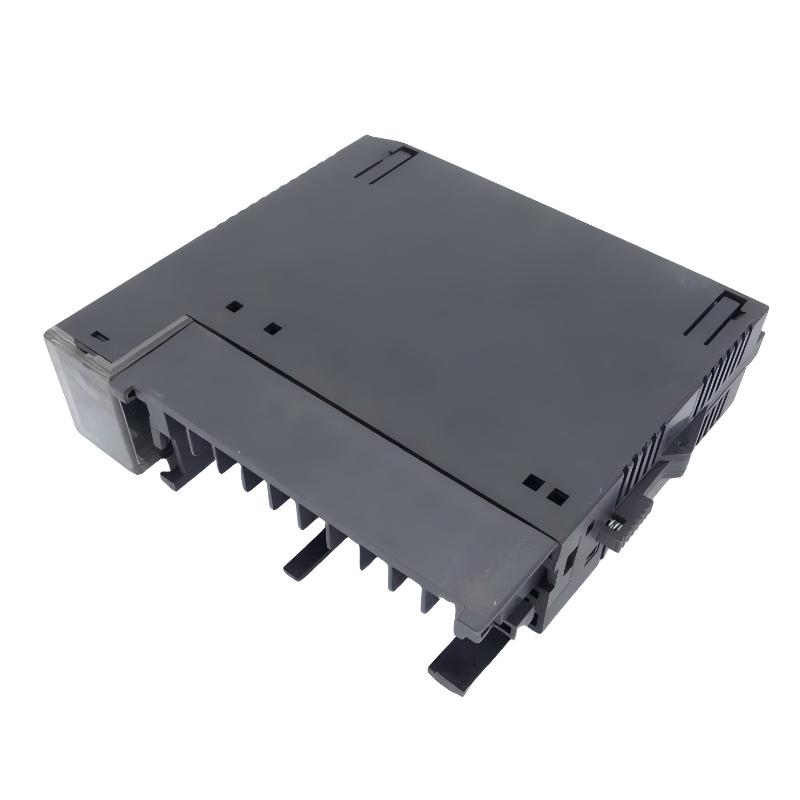
Product Overview (Introduction)
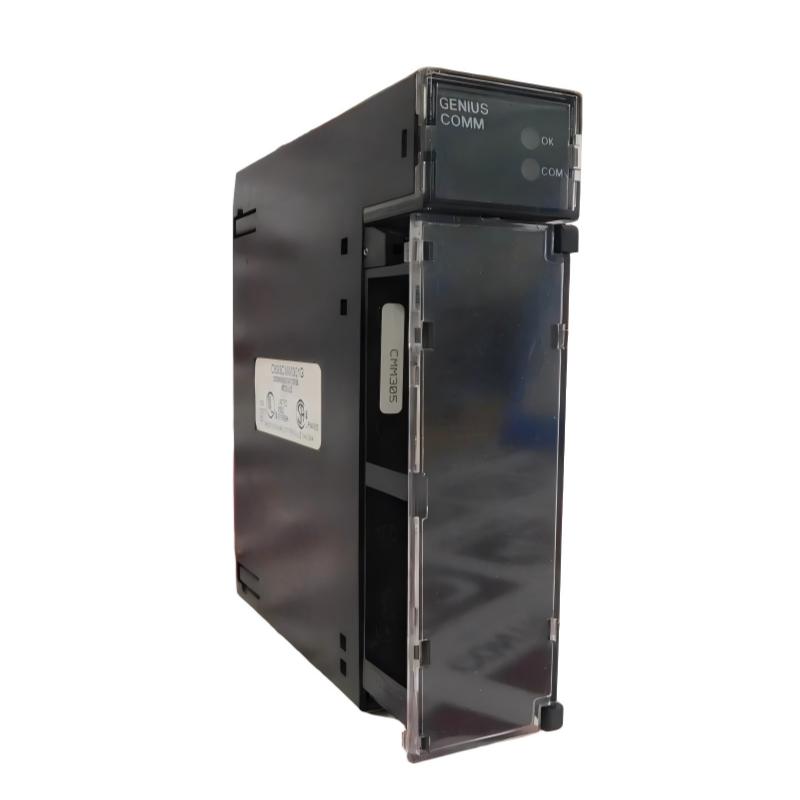
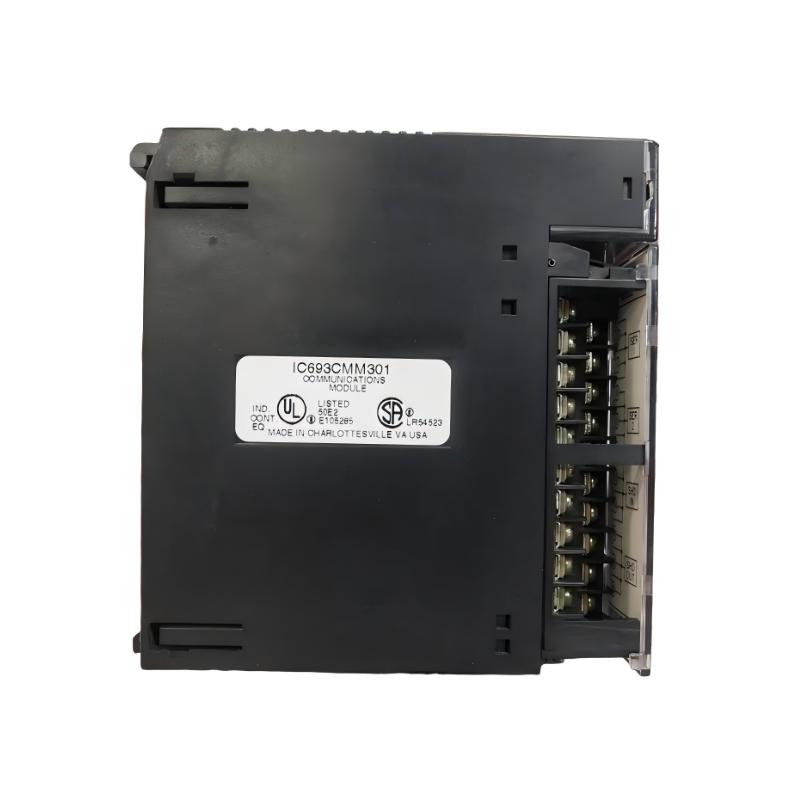
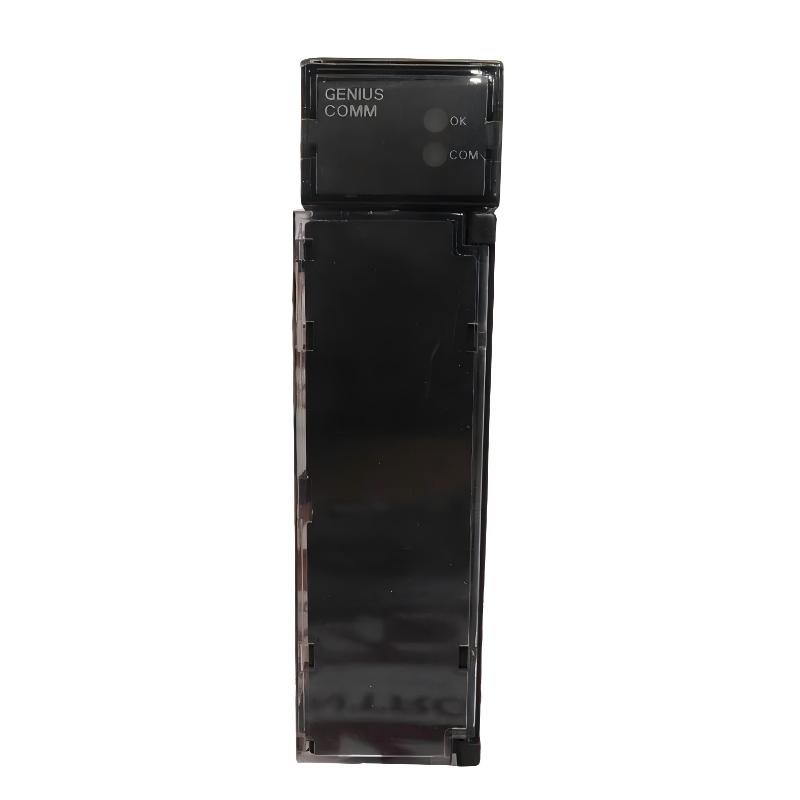
The GE IC693CMM301 Communication Module is a vital interface component for enabling communication within GE Series 90-30 PLC systems. It facilitates data transfer between the PLC and external devices such as HMIs, SCADA systems, and other controllers, ensuring efficient and coordinated system operation.
Engineered for industrial environments, the module delivers reliable performance under challenging conditions, including electrical interference and temperature fluctuations. Its compact design allows easy integration into existing PLC racks, making it suitable for both new installations and system upgrades.
By enhancing communication capabilities, the IC693CMM301 supports improved system visibility, better decision-making, and efficient industrial process control.
Technical Specifications
| Specification | Details |
|---|
| Manufacturer | GE |
| Model Number | IC693CMM301 |
| Product Type | Communication Module |
| Function | PLC communication and network integration |
| System Compatibility | GE Series 90-30 PLC |
| Communication Type | Serial communication |
| Installation | PLC rack mount |
| Interface | Backplane connection |
| Environmental Tolerance | Industrial-grade (vibration, electrical noise resistance) |
| Operating Temperature | 0°C to 60°C |
| Storage Temperature | -40°C to 85°C |
| Dimensions (H × W × D) | 33 mm × 120 mm × 130 mm |
| Weight | 0.454 kg (1.00 lb) |
Applications in Industrial Network Integration (Applications)
The GE IC693CMM301 Communication Module is designed to enable communication between GE Series 90-30 PLC systems and external devices or networks. It acts as a communication bridge, allowing data exchange between controllers, HMIs, SCADA systems, and other industrial equipment.
Typical deployment scenarios include:
-
Manufacturing systems integrating PLCs with SCADA platforms for centralized monitoring
-
Oil & gas facilities requiring communication between remote PLCs and control rooms
-
Power generation plants connecting automation systems to supervisory networks
-
Water and wastewater treatment plants implementing real-time data reporting
-
Industrial facilities linking PLCs with HMIs and operator interfaces
-
Automation systems requiring reliable data exchange between multiple controllers
By enabling seamless communication, the module ensures coordinated operation and improved visibility across industrial processes.
Operational Advantages in Communication Architecture (Advantages)
Reliable Data Exchange
Provides stable communication between PLC systems and external devices, ensuring consistent data flow.
Multi-System Connectivity
Supports integration with SCADA systems, HMIs, and other PLCs for unified control architecture.
Improved Operational Visibility
Enables real-time monitoring and diagnostics across connected systems.
Flexible Network Integration
Allows connection to various industrial communication networks, enhancing system interoperability.
Compact and Efficient Design
Small footprint simplifies installation in control panels with limited space.
Technical FAQs (Technical FAQs)
-
What is the primary function of the IC693CMM301 module?
It enables communication between the PLC and external systems such as HMIs and SCADA platforms.
-
Which PLC systems is it compatible with?
It is designed for GE Series 90-30 PLC systems.
-
What types of communication does it support?
It supports serial communication protocols used in industrial automation.
-
Can it connect multiple devices?
Yes, it facilitates communication between multiple devices depending on system configuration.
-
Is it suitable for real-time data transmission?
Yes, it supports timely data exchange for monitoring and control applications.
-
How is the module installed?
It mounts directly onto the PLC rack and connects via the backplane.
-
Does it support remote monitoring systems?
Yes, it enables integration with SCADA and remote monitoring systems.
-
Is it reliable in industrial environments?
Yes, it is designed to operate under conditions of vibration, electrical noise, and temperature variation.
-
Which industries typically use this module?
Manufacturing, oil & gas, power generation, water treatment, and industrial automation.
-
What is the main benefit of using this communication module?
It enables seamless data exchange and integration between PLC systems and external control platforms.
 A DCS Q Co., Ltd. - PLC and DCS Industrial Control Equipment Wholesale