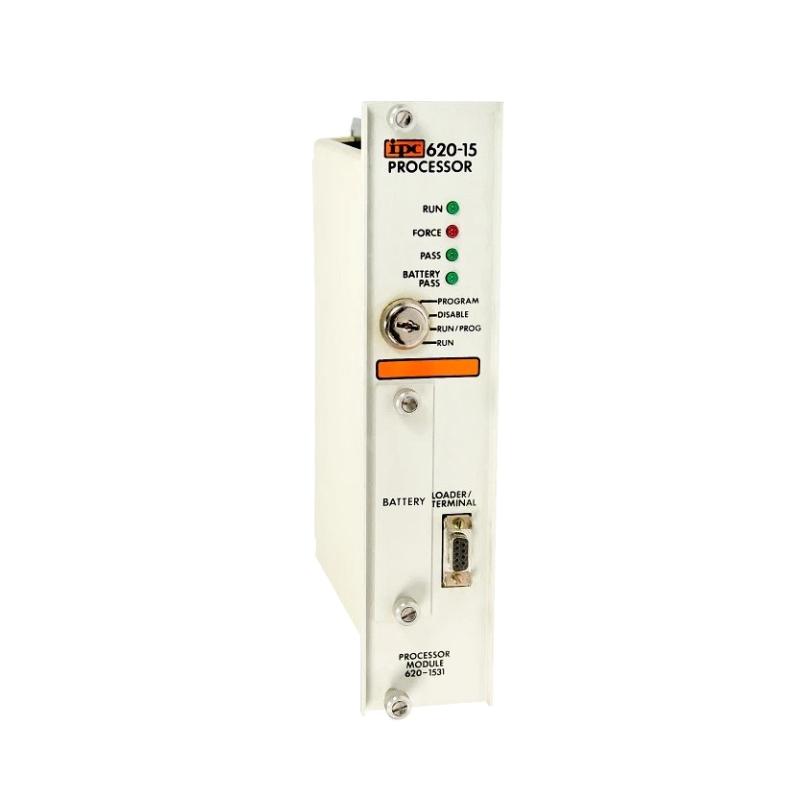
Core Control Unit for Legacy Automation Platforms
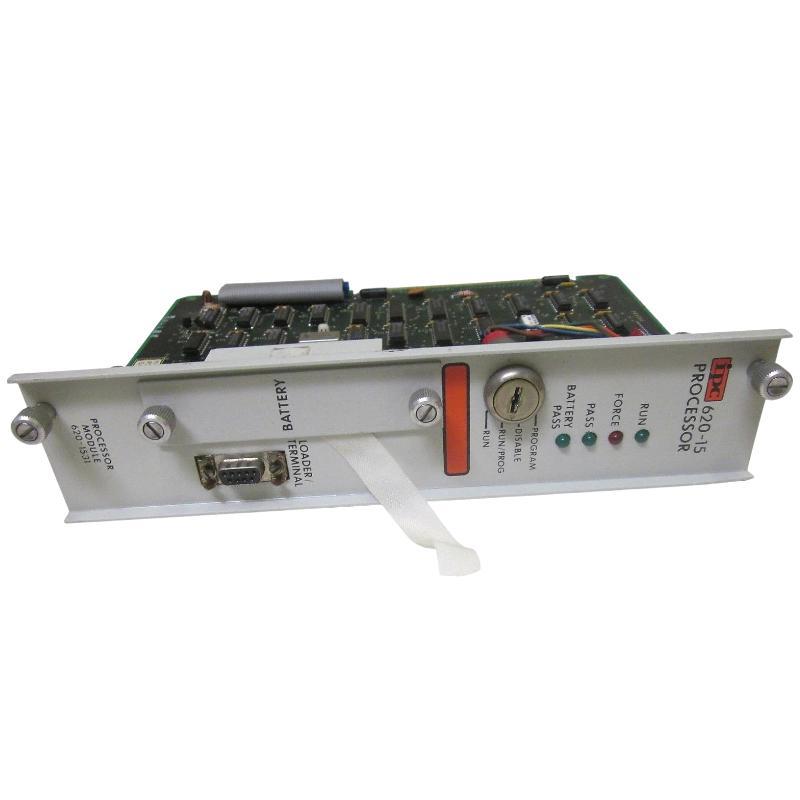
The Honeywell 620‑1531 Processor Module serves as the central processing engine for older Honeywell ISSC 600 and UCN/IPC industrial control systems. As the primary logic execution unit, it manages system operations, I/O coordination, and communication with peripheral interface and network modules. Although considered legacy technology, it remains widely used in installed control architectures where durability, stability, and long‑term support are priorities.
This processor is especially valued when maintaining or servicing existing systems without undergoing costly modernization. Operators and system integrators appreciate the 620‑1531’s predictable performance and established compatibility with a broad range of Honeywell automation modules.
Technical Specifications
| Parameter | Details |
|---|
| Manufacturer | Honeywell |
| Model | 620‑1531 Processor Module |
| Product Type | Processor Module / CPU |
| System Compatibility | Honeywell ISSC 600, UCN, IPC Legacy Systems |
| Memory | Approx. 1K (1 Kilobyte) |
| Function | Central logic execution and system coordination |
| Communication Interfaces | System bus / Serial (varies by system setup) |
| Mounting | Rack / Chassis card slot |
| Operating Environment | Industrial control settings |
| Certifications | CE, TUV, UL508, CSA (varies by batch) |
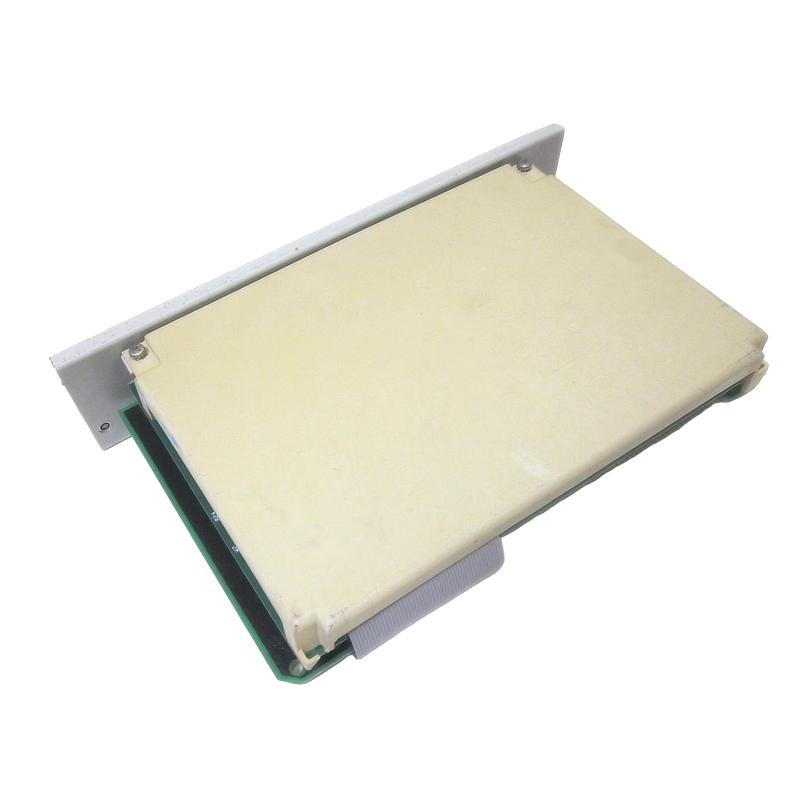
| Dimensions (L × W × H) | ~5.8 × 26.7 × 16.5 cm |
| Weight | ~1.0 kg |
Typical Applications in Automation
The 620‑1531 module is ideally deployed as the primary controller in legacy industrial systems that require reliable control logic and I/O management without extensive modernization:
-
Distributed control in process plants and manufacturing environments
-
Automated systems in water/wastewater and utilities
-
Facility management and building automation hubs
-
Power generation and distribution platform control
-
Maintenance and retrofit operations for legacy Honeywell systems rather than full replacement
Its role at the core of control systems ensures consistent data flow between sensors, actuators, and supervisory layers, helping sustain uptime and operational predictability.
Advantages You Can Rely On
Even as systems evolve, the 620‑1531 remains relevant thanks to its well‑proven design and compatibility foothold:
-
Designed specifically for Honeywell legacy control platforms
-
Compact industrial form factor integrates easily into existing racks
-
Proven reliability under industrial conditions
-
Supports real‑time logic processing and I/O coordination
-
Long availability in refurbished and surplus markets for continuity of service
These benefits help control engineers extend the life of installed automation assets while minimizing integration uncertainty.
Technical FAQs
1. What is the primary function of the 620‑1531 module?
It acts as the central processor that executes control logic and manages communication between system modules.
2. Which automation systems use this module?
It is compatible with Honeywell ISSC 600, UCN, and IPC legacy control platforms.
3. How much memory does this processor have?
It features approximately 1 kilobyte of memory for core logic processing.
4. What are typical dimensions and weight?
About 5.8 × 26.7 × 16.5 cm and ~1.0 kg.
5. How is it mounted?
It installs into a standard rack or chassis alongside I/O and communication modules.
6. Does it support real‑time control?
Yes — it is designed for fast, deterministic logic execution in industrial processes.
7. Is this module still manufactured by Honeywell?
It is legacy; new production is uncommon, but refurbished and surplus modules are widely available.
8. What environments is it designed for?
Industrial environments with standard control system conditions.
9. Can it interface with multiple I/O types?
Yes — when integrated with corresponding I/O modules within the same rack.
10. What happens if it fails?
System diagnostic tools and LED indicators on adjacent modules help identify processor faults for replacement. (General legacy hardware behavior)
 A DCS Q Co., Ltd. - PLC and DCS Industrial Control Equipment Wholesale