Product Introduction
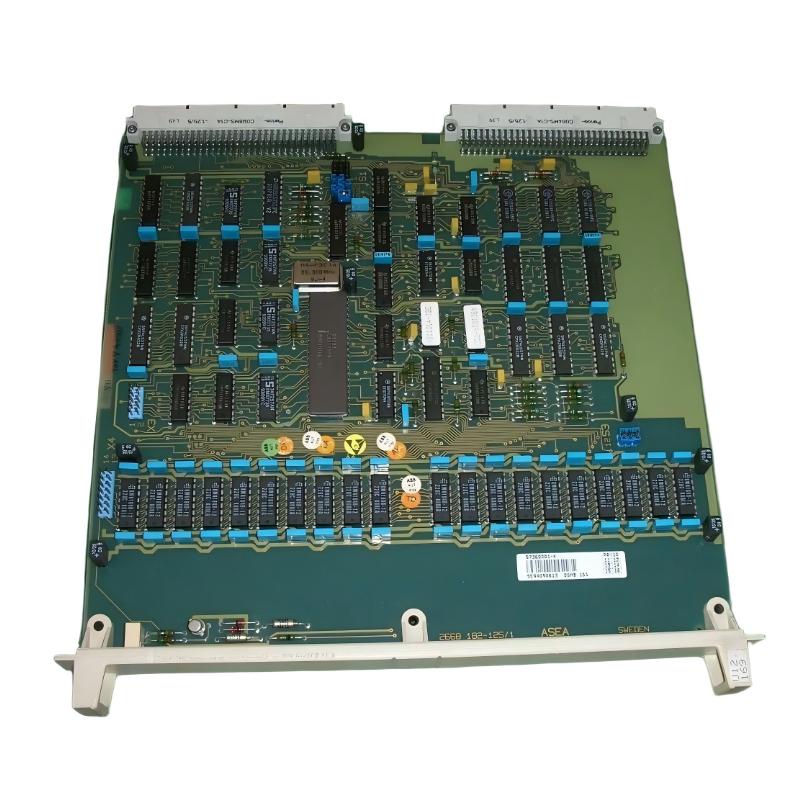
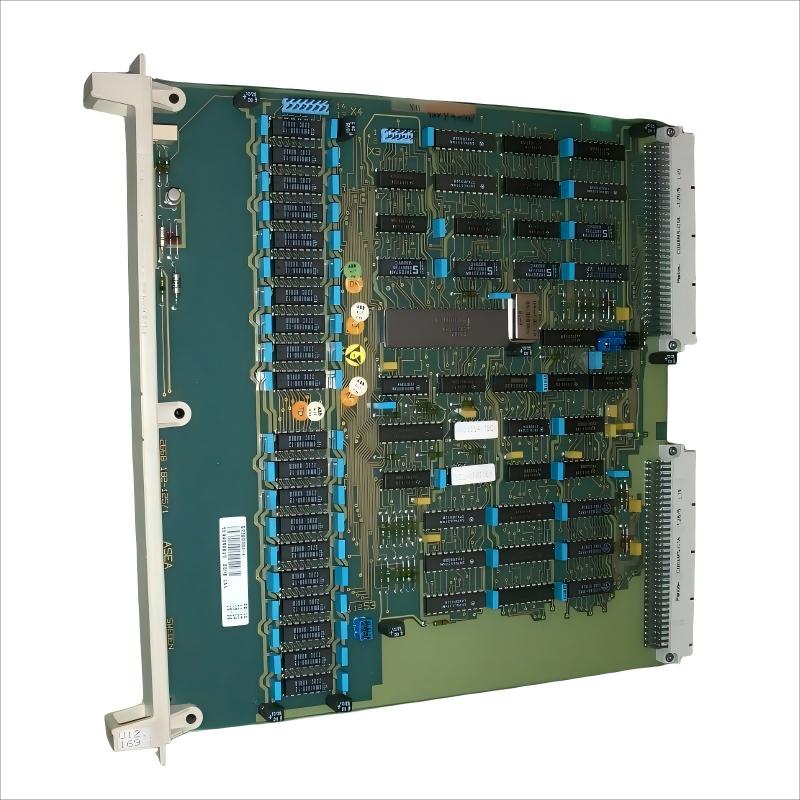
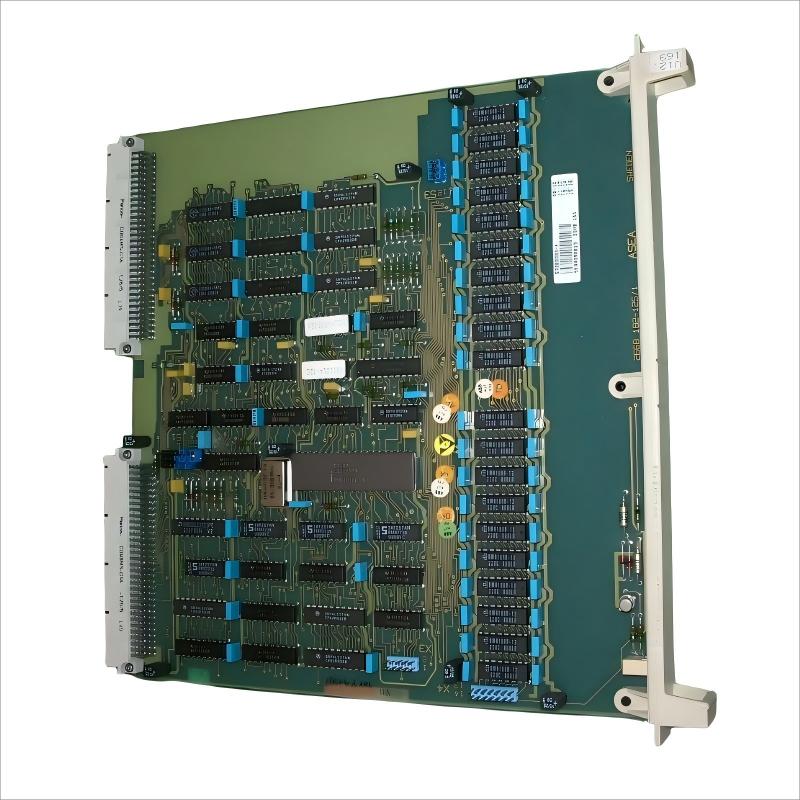
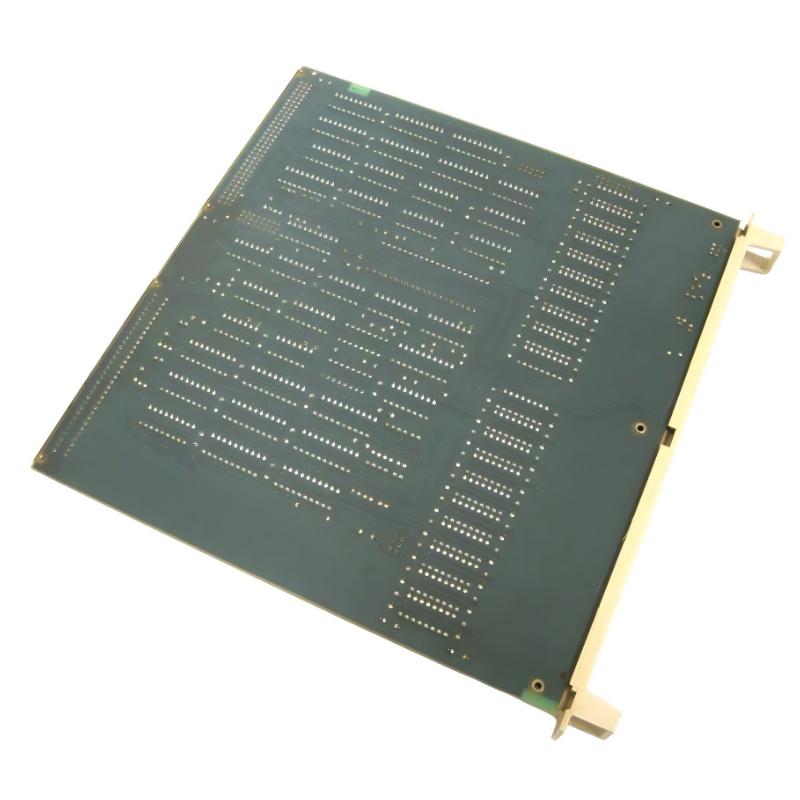
The Allen Bradley ABB DSMB 151 57360001-K DS Memory Module is a dedicated storage component for distributed control systems, ensuring reliable retention of critical automation data. It supports efficient system operation by enabling controllers to access stored programs and configurations quickly and consistently.
Designed for industrial environments, the module offers durability, stability, and seamless integration into existing control architectures. It is an essential component for systems that require dependable data management and minimal downtime.
Technical Specifications
| Parameter | Specification |
|---|
| Product Platform | Industrial Control System |
| Model Number | DSMB 151 57360001-K |
| Module Type | Memory Module |
| Function | Stores control programs, configurations, and system data |
| Installation | Rack-mounted within control system |
| Application | Industrial automation, process control, data storage |
| Data Retention | Non-volatile storage capability |
| Dimensions | 120 mm × 100 mm × 30 mm |
| Weight | 0.4 kg (0.88 lb) |
Application Context in Control Systems
The Allen Bradley ABB DSMB 151 57360001-K DS Memory Module is designed to provide reliable data storage within distributed control systems. It is typically used in industrial automation environments such as power plants, manufacturing facilities, and process industries where retaining system parameters, configurations, and operational data is essential.
This module plays a key role in storing control programs, system settings, and historical data required for stable system operation. It is especially valuable in applications where data persistence is critical during power interruptions or system restarts.
Core Advantages in Engineering Practice
One of the primary strengths of this memory module is its ability to ensure data integrity over long operational periods. Engineers rely on it to maintain critical system information without loss or corruption.
Another advantage is its seamless integration within distributed control architectures. It supports efficient data access by controllers, enabling smooth execution of control logic and system diagnostics.
The module also contributes to faster system recovery. In the event of a restart, stored configurations and programs can be quickly reloaded, minimizing downtime and operational disruption.
Its robust industrial design ensures dependable performance under continuous operation and varying environmental conditions.
Technical FAQs
1. What is the main function of this memory module?
It stores control programs, system configurations, and operational data within the automation system.
2. In which systems is it typically used?
Distributed control systems in power generation, manufacturing, and process industries.
3. How does it improve system reliability?
By preserving critical data and enabling quick recovery after system interruptions.
4. Can it retain data during power loss?
Yes, it is designed to maintain stored data even when power is interrupted.
5. How is the module accessed by the control system?
Controllers access the stored data through system backplane connections or internal interfaces.
6. Is it suitable for long-term data storage?
Yes, it is designed for stable and reliable long-term data retention in industrial environments.
7. Can it be used in system upgrades?
Yes, it supports modernization projects by providing additional storage capacity.
8. How does it handle frequent data access?
It is optimized for consistent read/write operations without degrading performance.
9. What environmental conditions can it withstand?
Standard industrial control cabinet conditions including moderate temperature and vibration.
10. Is maintenance required for this module?
Minimal maintenance is needed, typically limited to periodic system diagnostics and inspection.
 A DCS Q Co., Ltd. - PLC and DCS Industrial Control Equipment Wholesale