Product Overview
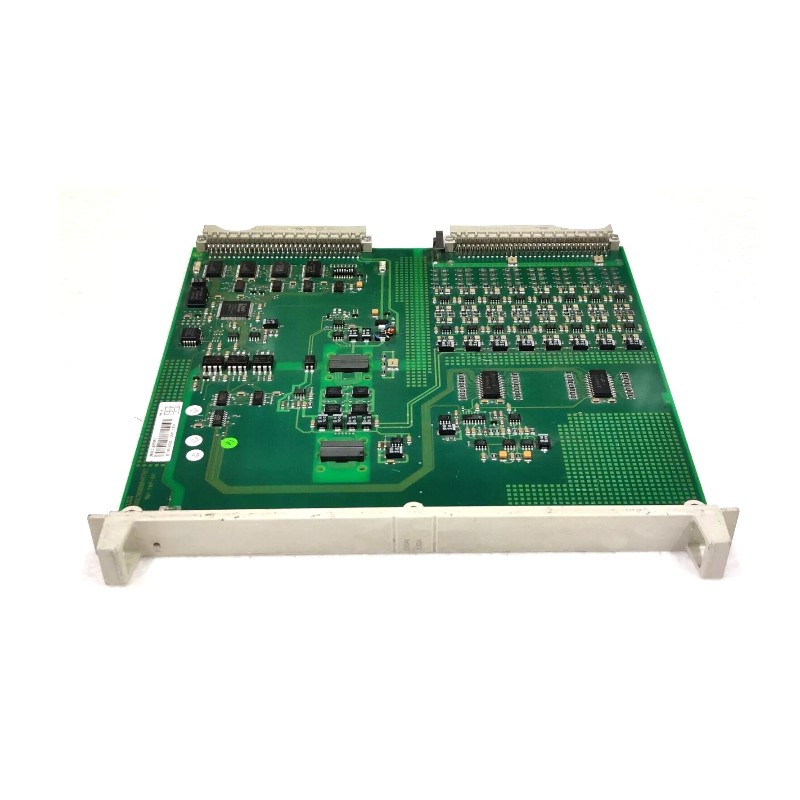
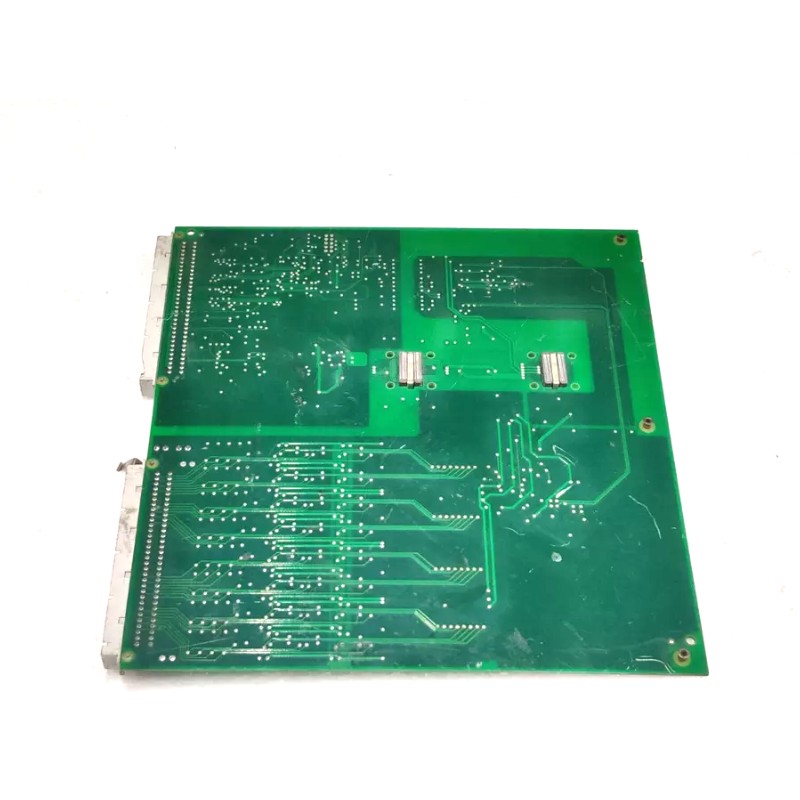
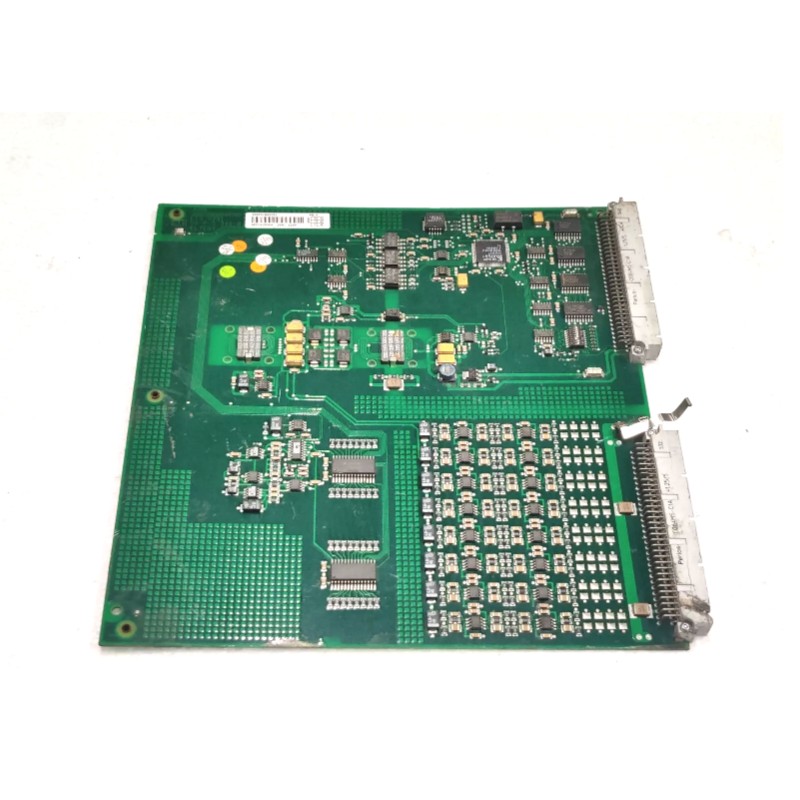
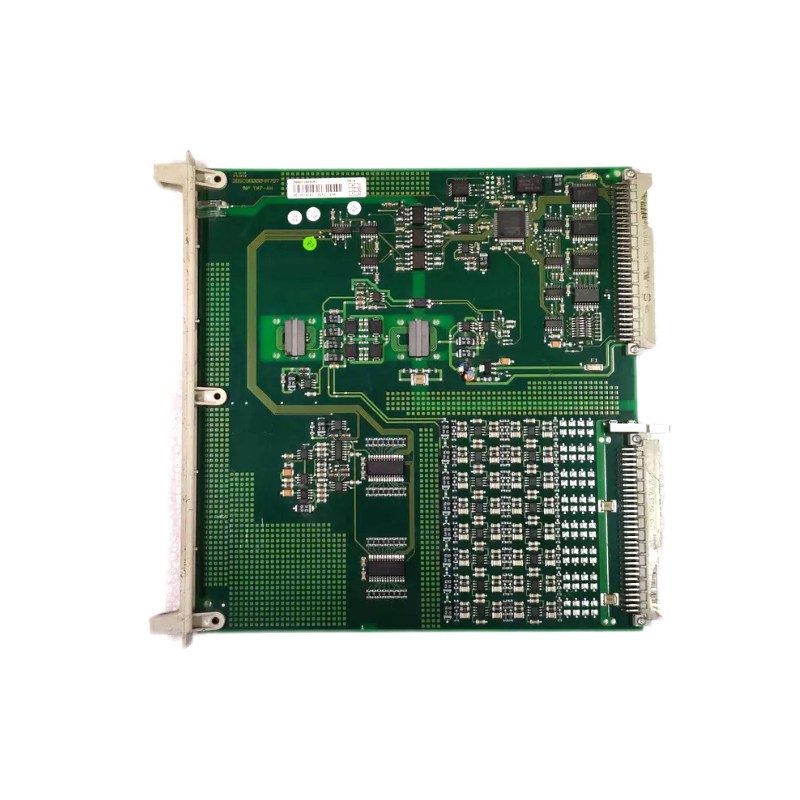
The Allen Bradley ABB DSAI 133A 3BSE018290R1 DS Digital Input Module is a compact and reliable interface component designed for capturing discrete signals in industrial automation systems. It plays a critical role in translating real-world equipment states into actionable data for controllers and process logic.
Its robust design, high noise immunity, and modular integration make it suitable for both new installations and system upgrades. This module supports efficient system expansion while maintaining stable and consistent performance in demanding industrial environments.
Technical Specifications
| Parameter | Specification |
|---|
| Product Platform | Industrial Control System |
| Model Number | DSAI 133A 3BSE018290R1 |
| Module Type | Digital Input Module |
| Function | Receives discrete input signals from field devices |
| Installation | Rack-mounted or panel integration |
| Application | Process control, industrial automation, machine monitoring |
| Signal Type | Digital (ON/OFF) inputs |
| Dimensions | 324 mm × 22.5 mm × 225 mm |
| Weight | 0.29 kg (0.64 lb) |
Application Scenarios in Modern Automation
The Allen Bradley ABB DSAI 133A 3BSE018290R1 DS Digital Input Module is widely utilized in distributed control systems where reliable acquisition of discrete signals is essential. It is typically deployed in power generation plants, industrial processing facilities, and manufacturing automation lines to monitor equipment states and process conditions.
This module is ideal for interfacing with field devices such as limit switches, relay contacts, push buttons, and proximity sensors. In complex automation systems, it provides real-time feedback to controllers, enabling accurate execution of logic sequences and safety interlocks.
Key Benefits from an Engineering Perspective
A major advantage of this module is its stable digital signal acquisition, even in electrically noisy industrial environments. Engineers rely on its ability to filter out transient disturbances and deliver consistent input readings.
Its slim form factor allows efficient use of control cabinet space, making it suitable for high-density I/O configurations. This contributes to cleaner panel layouts and improved cable management.
Additionally, the module supports structured integration within distributed control architectures, allowing seamless expansion of input channels as system requirements grow. Its durability ensures dependable performance over long operational cycles with minimal maintenance.
Technical FAQs
1. What is the primary function of this module?
It captures digital ON/OFF signals from field devices and transmits them to the control system.
2. What types of input devices can be connected?
Limit switches, push buttons, relay contacts, proximity sensors, and other discrete signal devices.
3. How does the module handle electrical noise?
It incorporates filtering and isolation mechanisms to prevent false signal detection.
4. Is it suitable for safety-related signal monitoring?
Yes, it can be used for safety signal monitoring depending on overall system design.
5. Can it be used in high-density I/O systems?
Yes, its compact design supports installations with multiple modules in limited space.
6. How is it installed within a control system?
It is mounted in a rack or panel and connected to controllers via system backplane or communication interface.
7. Does it support continuous industrial operation?
Yes, it is designed for 24/7 operation in industrial environments.
8. Can it be used in modernization projects?
Yes, it is suitable for upgrading legacy systems or expanding input capacity.
9. How does it contribute to system reliability?
By ensuring stable and accurate signal acquisition, it reduces the risk of control errors.
10. What maintenance is typically required?
Routine inspection of wiring connections and periodic system diagnostics checks.
 A DCS Q Co., Ltd. - PLC and DCS Industrial Control Equipment Wholesale