Industrial Applications
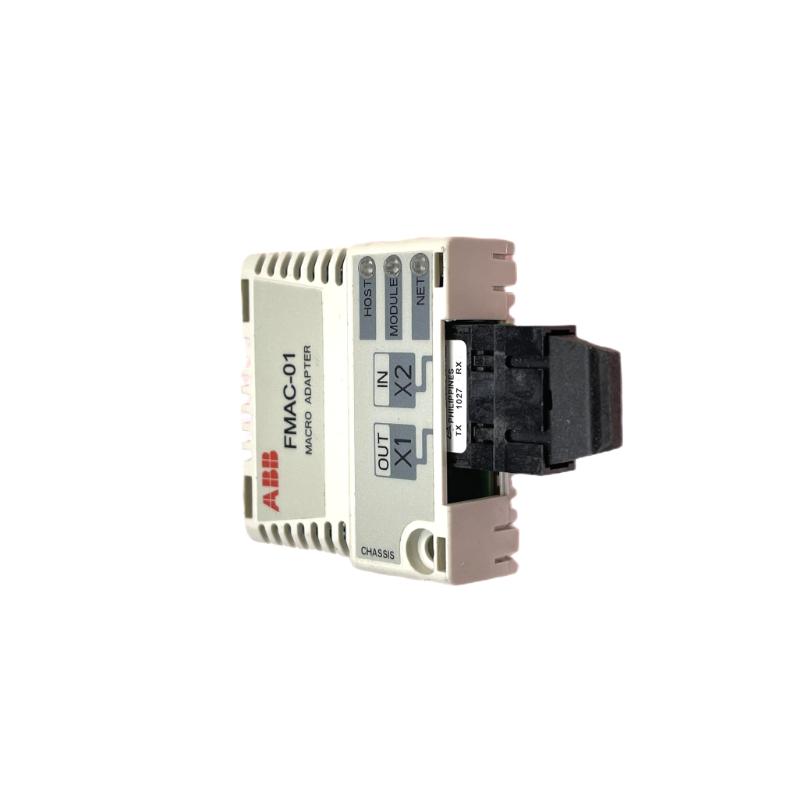
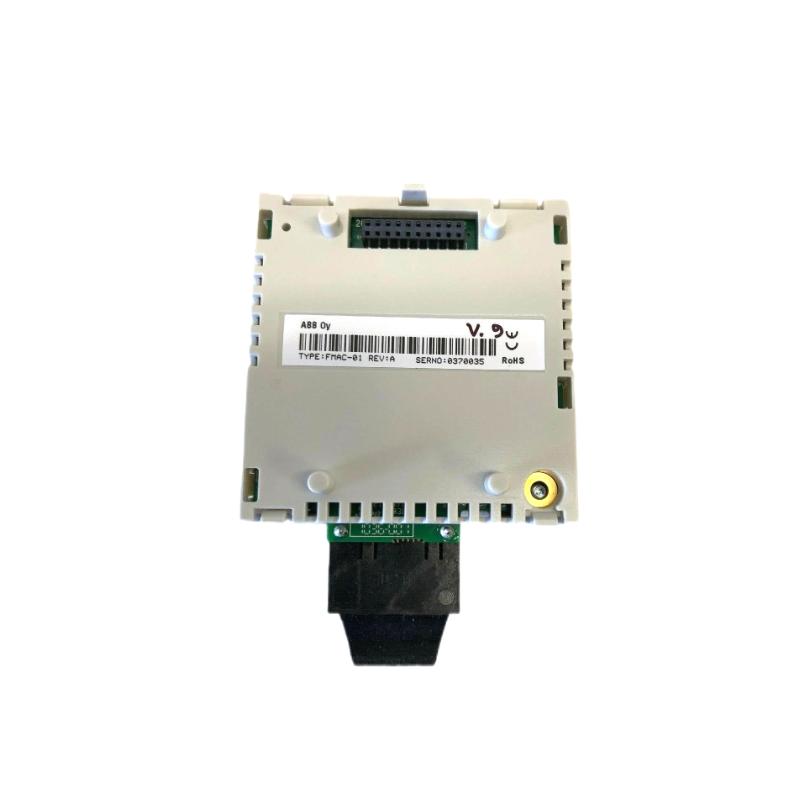
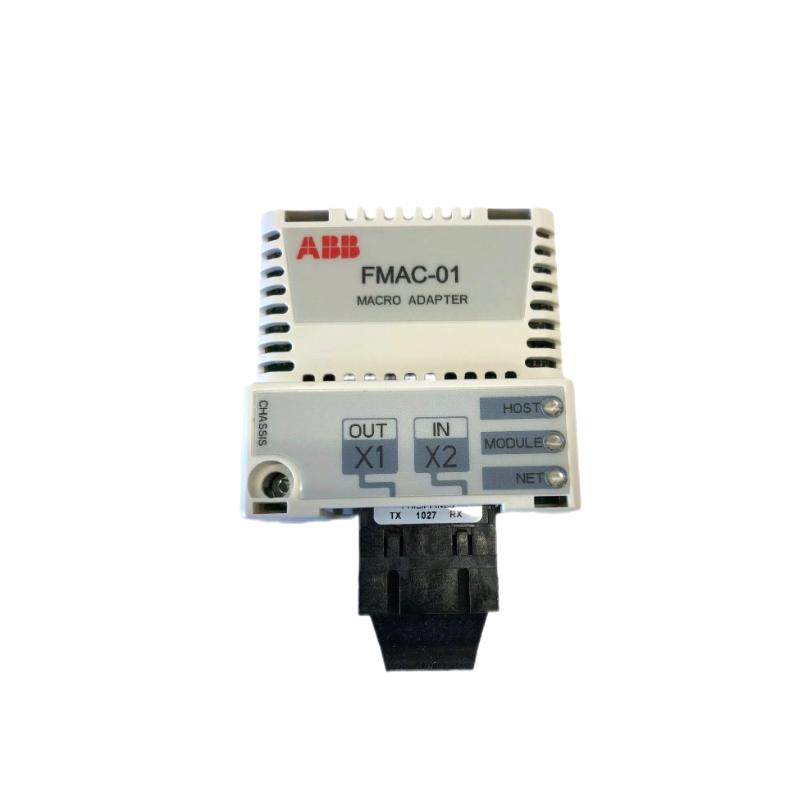
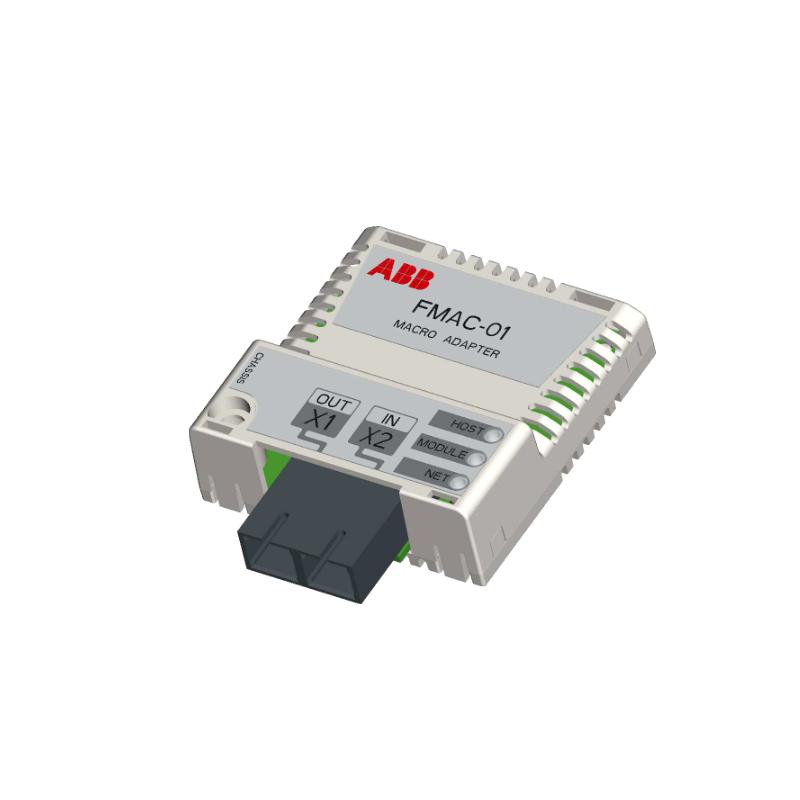
The FMAC‑01 Fiber Optic Communication Card is leveraged in systems where reliable and noise‑resistant communication is critical:
-
Drive and automation networking over long distances
-
EMC‑sensitive environments such as steel mills or RF‑rich facilities
-
Integration with SCADA and distributed control systems
-
Connectivity between remote drive cabinets
-
Critical data acquisition and motion‑control networks
Fiber‑optic communication eliminates issues associated with electrical noise and ground loops, making this module a strong choice for high‑reliability communications.
Key Advantages
-
Noise‑Immune Communication: Optical transmission resists electromagnetic interference (EMI) and ground loop issues
-
Long‑Distance Connectivity: Supports extended communication distances beyond copper limitations
-
High‑Speed Data Transfer: Enables fast and reliable exchange of control and monitoring data
-
Industrial Reliability: Designed for continuous operation in harsh environments
-
Compact & Service‑Friendly: Lightweight design simplifies integration and field replacement
This card is ideal for engineers seeking robust, long‑range communication in industrial automation and drive networks.
Technical FAQs
1. What is the main purpose of this communication card?
It provides high‑speed fiber‑optic communication between devices in industrial automation systems.
2. Which systems is it compatible with?
It is designed for ABB drives and automation equipment that support fiber‑optic communications.
3. What type of connector does it use?
Fiber‑optic connectors such as ST, SC, or LC depending on system specifications.
4. Why use fiber optics instead of copper?
Fiber optics provide immunity to electrical noise and support longer transmission distances.
5. What environments benefit most from this card?
Environments with high electrical noise or where long‑distance communication is required.
6. Is standalone power required?
No, it is typically powered through the host device’s communication interface.
7. Can it be used for control and monitoring data?
Yes, it supports high‑speed communication for both control and monitoring.
8. What is the operating temperature range?
–10 °C to +60 °C, suitable for industrial conditions.
9. Is it easy to install?
Yes, designed for rack or panel mounting within compatible control systems.
10. What industries use fiber‑optic modules?
Steel plants, power generation, manufacturing, mining, and oil & gas sectors.
 A DCS Q Co., Ltd. - PLC and DCS Industrial Control Equipment Wholesale