Applications
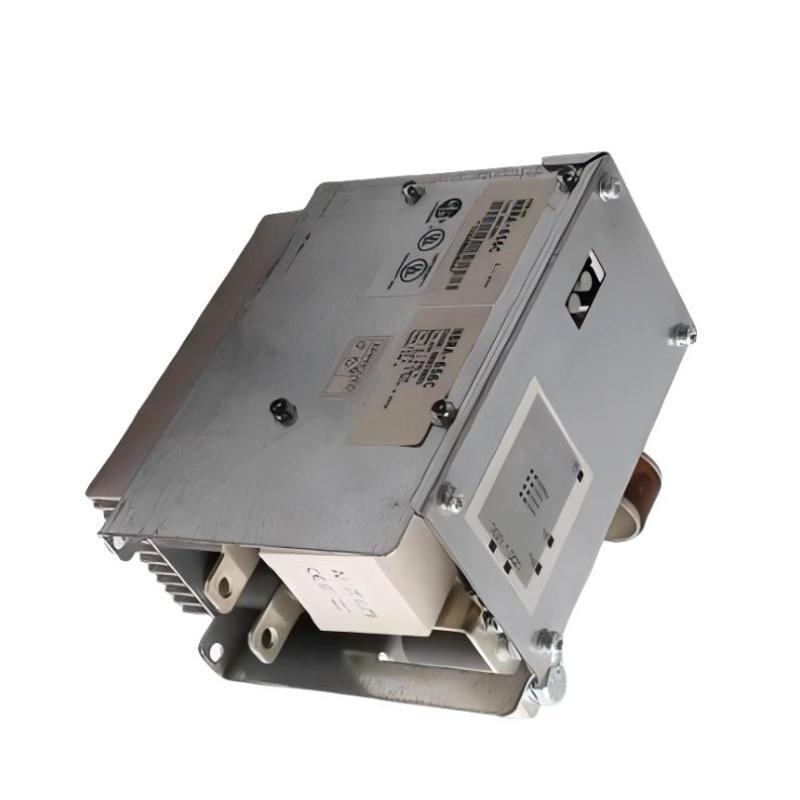
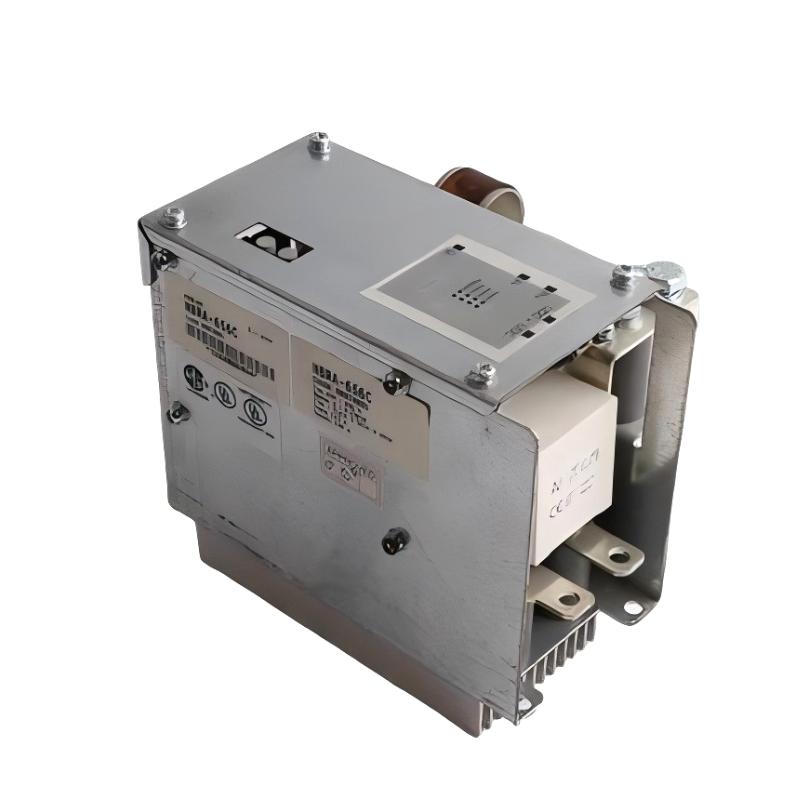
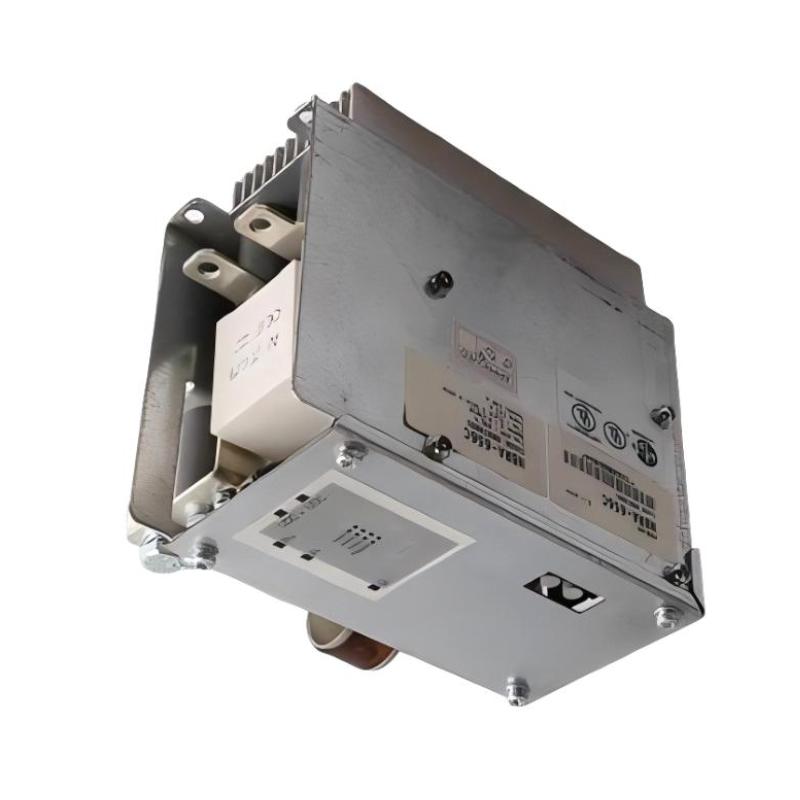
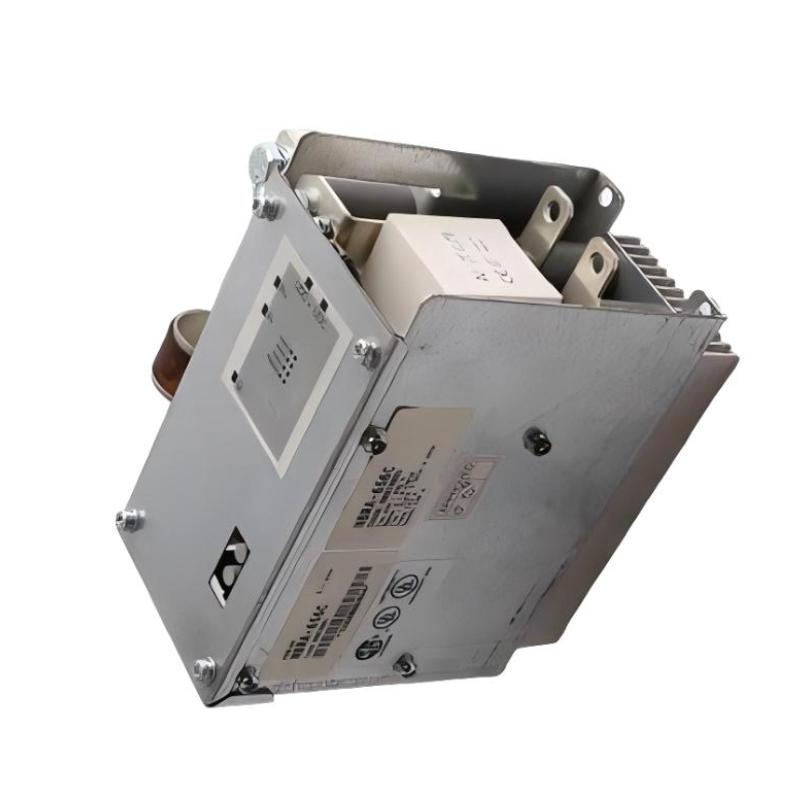
The G3LA Drives Interface Card is widely used in industrial sectors where precise drive coordination and reliable signal interfacing are essential:
-
Variable Frequency Drive (VFD) systems in manufacturing
-
Motor control for conveyors and material handling
-
Automation systems with real‑time drive feedback
-
Robotics and motion‑control applications
-
Power conversion and energy distribution systems
Its role is critical in ensuring that control logic and drive hardware communicate seamlessly for smooth motion control and optimized system performance.
Applications
The G3LA Drives Interface Card is widely used in industrial sectors where precise drive coordination and reliable signal interfacing are essential:
-
Variable Frequency Drive (VFD) systems in manufacturing
-
Motor control for conveyors and material handling
-
Automation systems with real‑time drive feedback
-
Robotics and motion‑control applications
-
Power conversion and energy distribution systems
Its role is critical in ensuring that control logic and drive hardware communicate seamlessly for smooth motion control and optimized system performance.
Technical FAQs
1. What does the G3LA Drives Interface Card do?
It connects drive controller logic with the power stage via digital and analog interfaces, enabling coordinated operation.
2. Which ABB systems use this interface card?
It is designed for ABB drives and automation platforms that require robust signal interfacing between control and drive components.
3. What types of signals does it support?
It supports both digital I/O and analog signals as part of the control interface.
4. What voltage does it operate on?
Control logic typically runs on 24 V DC, which the board uses for internal logic interfacing.
5. Does the module include diagnostics?
Yes, integrated LED indicators provide status and fault reporting to aid in troubleshooting.
6. Where is it installed?
It installs inside the drive or control cabinet, mounted on a rack or panel, depending on the system configuration.
7. Can it operate in harsh environments?
Yes, it is designed for standard industrial temperature and noise conditions.
8. Are replacement units available?
It is typically available through ABB spare parts channels and industrial supply vendors.
9. How does it improve system performance?
By ensuring accurate and responsive interface signaling, it promotes coordinated drive control and reduces communication errors.
10. Is it compatible with legacy ABB hardware?
Compatibility depends on the specific drive platform architecture, but it is generally used in supported ABB modular systems.
 A DCS Q Co., Ltd. - PLC and DCS Industrial Control Equipment Wholesale