Product Introduction
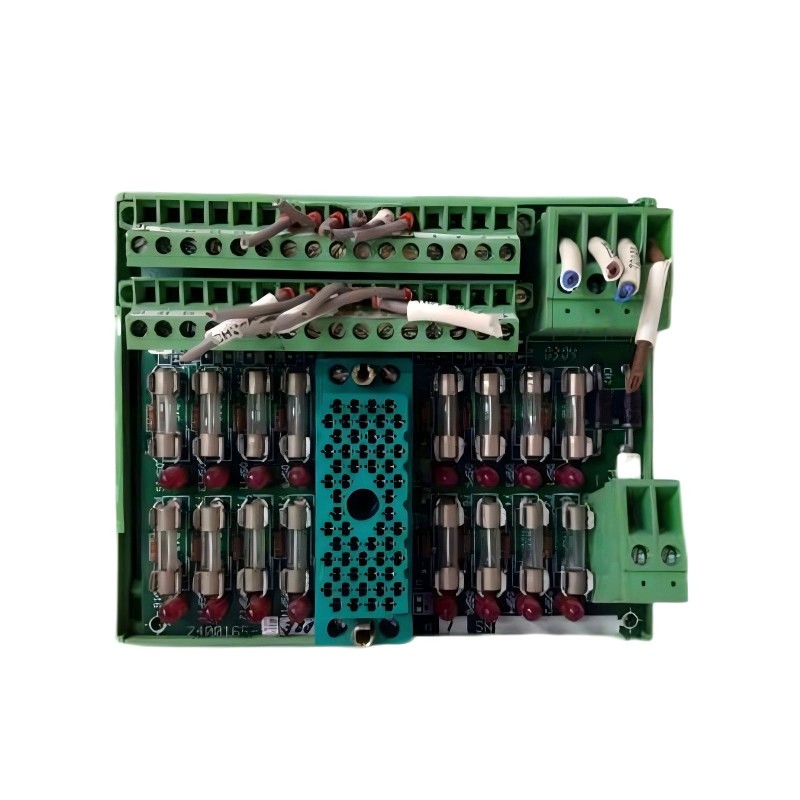
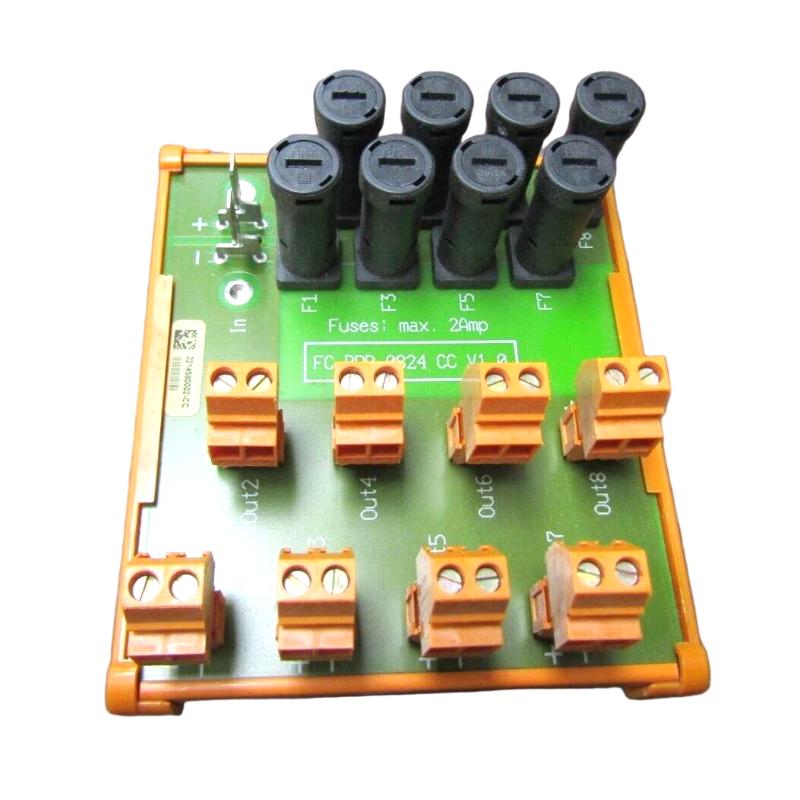
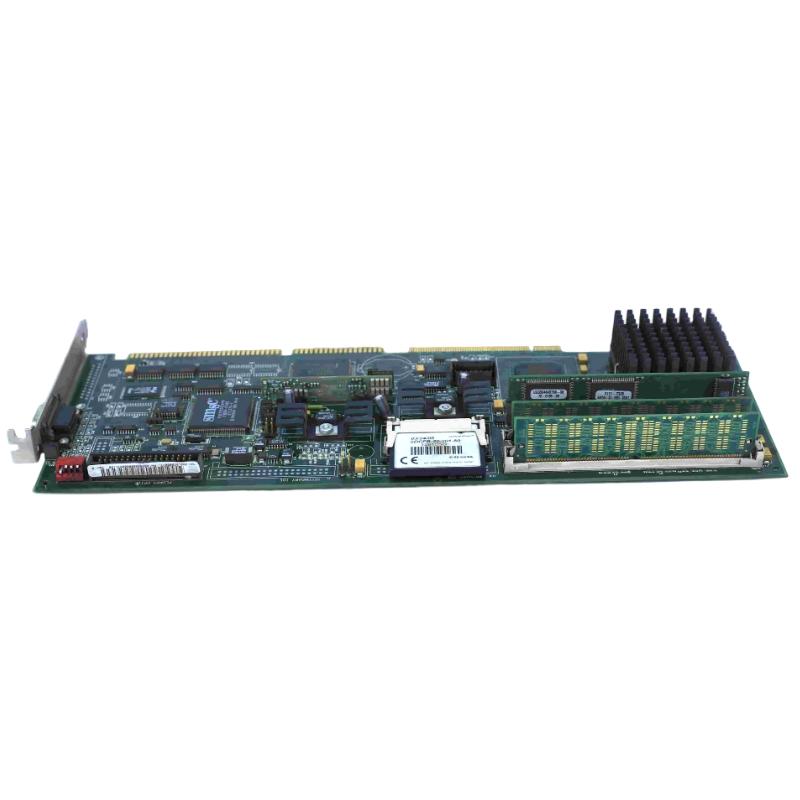
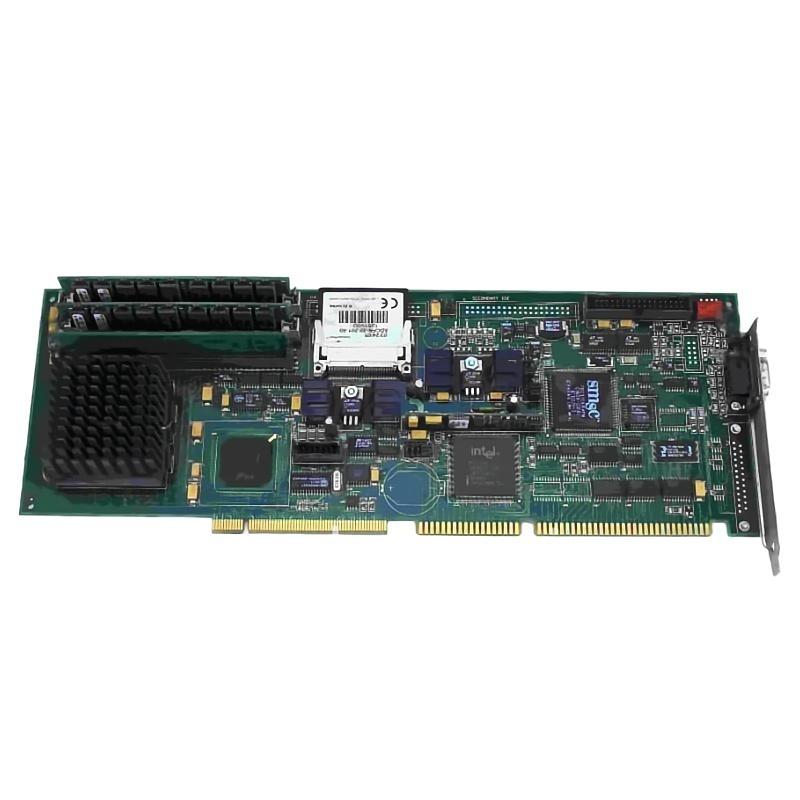
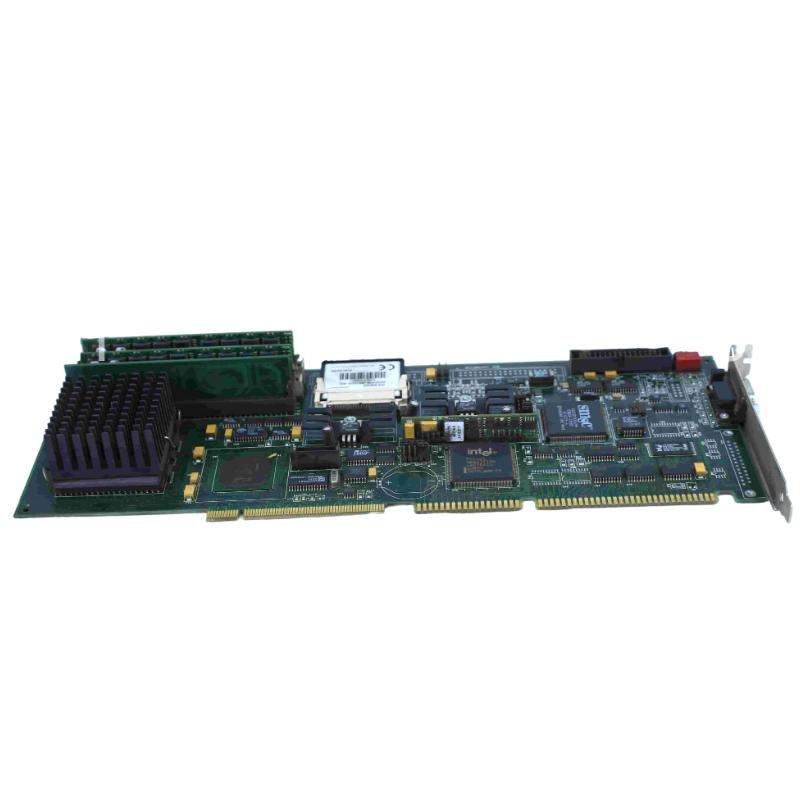
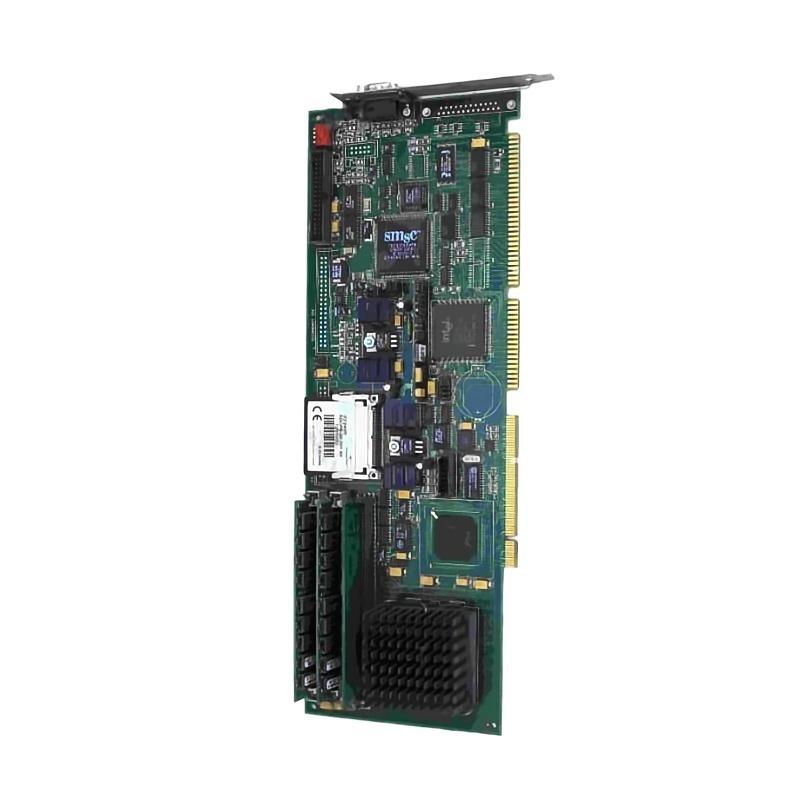
The Allen Bradley Ovation 5A26391H24 Circuit Board is a vital component in Ovation control systems, providing essential electrical interfaces and signal processing capabilities. It ensures reliable and high-fidelity communication between various system modules, supporting complex automation processes in industrial facilities.
Its robust design ensures that it can operate effectively in demanding environments, making it an excellent choice for continuous operation in power generation, process automation, and other industrial sectors. Its modular nature allows for easy integration into both existing and newly installed Ovation systems.
Technical Specifications
| Parameter | Specification |
|---|
| Control Platform | Ovation Distributed Control System |
| Model Number | 5A26391H24 |
| Module Type | Circuit Board |
| Function | Signal processing and module interface |
| Installation | Rack or panel-mounted within Ovation system |
| Industrial Application | Process control, industrial automation |
| Cooling | Passive airflow, typically within control panels |
| Dimensions | 380 mm × 120 mm × 25 mm |
| Weight | 0.45 kg (0.99 lb) |
Industrial Applications
The Allen Bradley Ovation 5A26391H24 Circuit Board plays a critical role in the operation of distributed control systems by providing the essential electrical interfaces and signal processing functions required for automation tasks. It is typically used in power generation plants, industrial manufacturing facilities, and large-scale process plants, where precise and reliable control over operations is essential.
This circuit board is integral in ensuring communication between I/O modules, control processors, and other key automation components within Ovation control systems. It can be found in systems requiring high-speed processing and high-fidelity signal transmission, supporting everything from routine process control to complex machinery coordination.
Technical FAQs
1. What is the primary function of this circuit board?
It provides signal processing and interfaces between various modules within the Ovation distributed control system.
2. In which industries is this circuit board typically used?
Power generation, petrochemical processing, manufacturing automation, and industrial utilities.
3. How does this circuit board support system reliability?
By ensuring stable signal transmission and handling complex control algorithms, it helps maintain continuous system operation.
4. What environmental conditions can the circuit board withstand?
It is designed to operate reliably in typical industrial environments with moderate temperature and vibration.
5. How does this circuit board integrate with Ovation systems?
It is directly compatible with Ovation PLCs, I/O modules, and other components, allowing for seamless system architecture.
6. Can it be used in a redundant system setup?
Yes, it is suitable for use in redundant configurations to enhance system reliability.
7. What role does it play in communication between modules?
It facilitates signal processing and data exchange between I/O modules, controllers, and communication boards, ensuring synchronized control operations.
8. How does it handle signal integrity?
It is designed with noise-resistant components and robust signal routing to minimize interference in industrial environments.
9. Is this circuit board easily replaceable?
Yes, its modular design makes replacement or repair straightforward, ensuring minimal downtime during maintenance.
10. Can it be used in system expansions?
Yes, it supports scalability and can be integrated into expanding systems without requiring significant redesigns.
 A DCS Q Co., Ltd. - PLC and DCS Industrial Control Equipment Wholesale