Product Overview
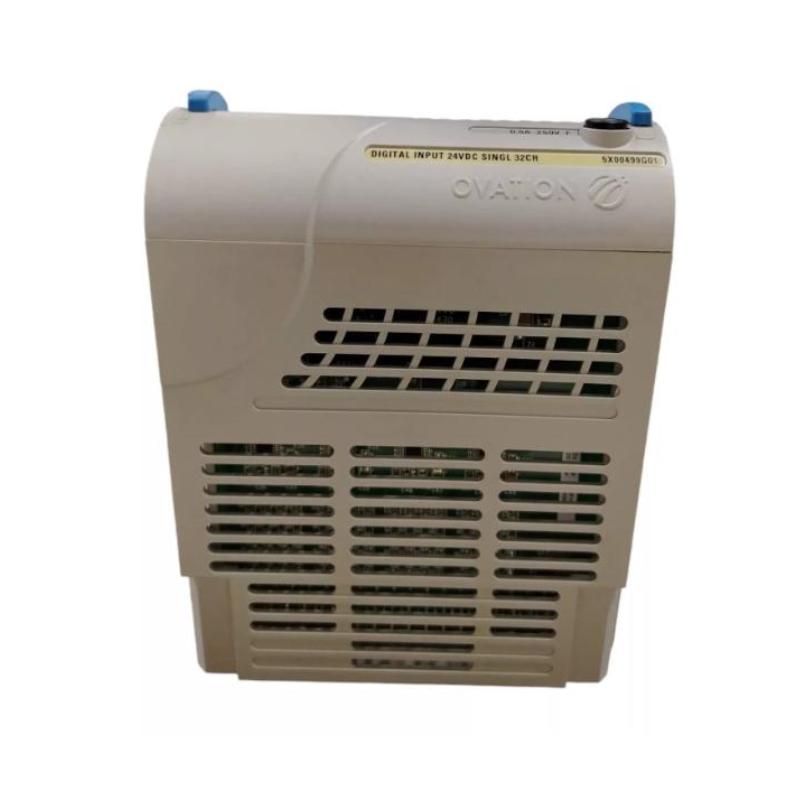
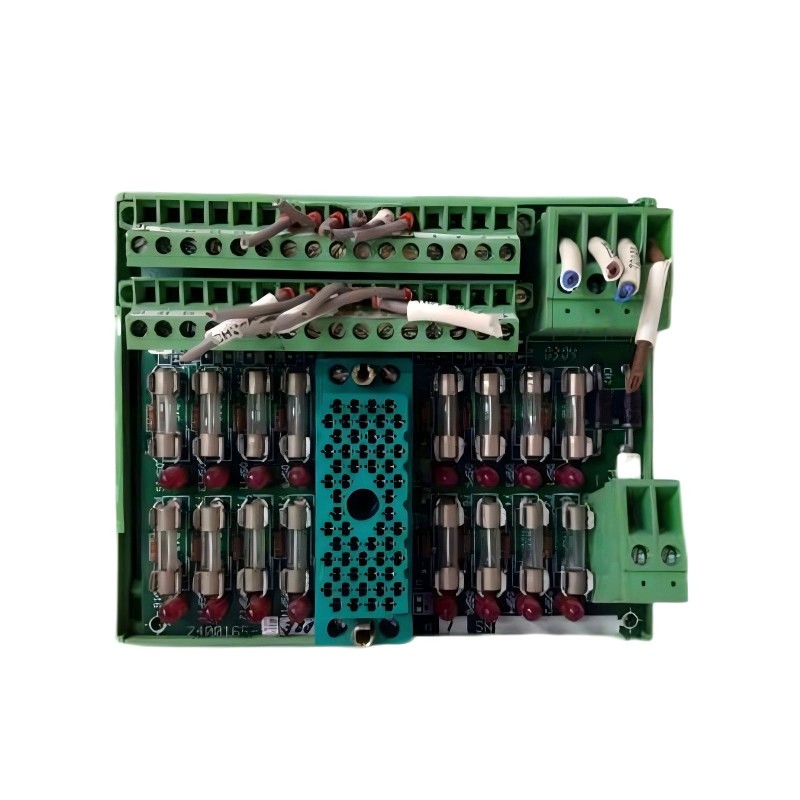
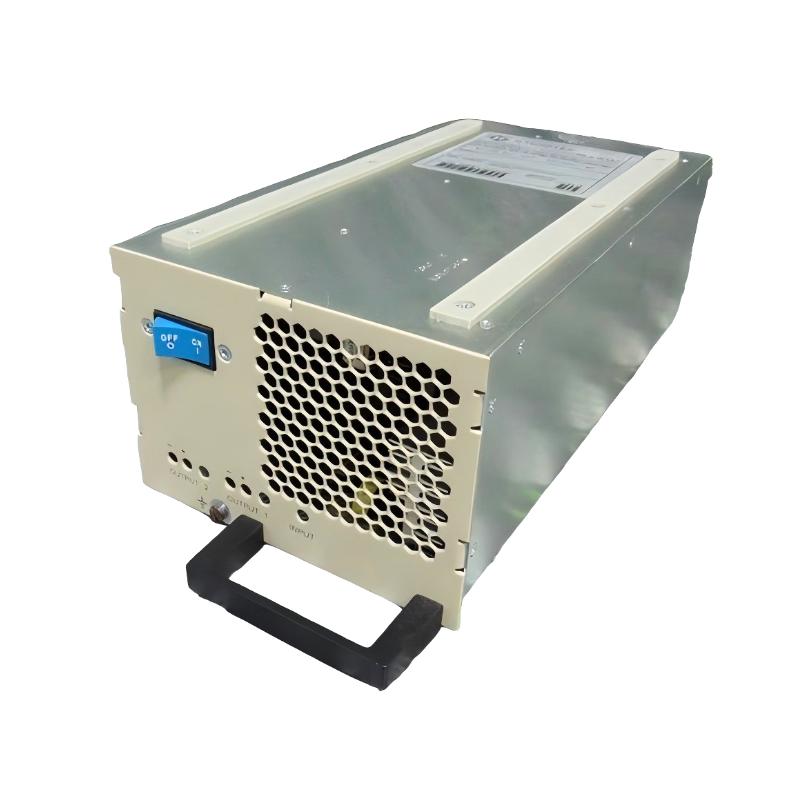
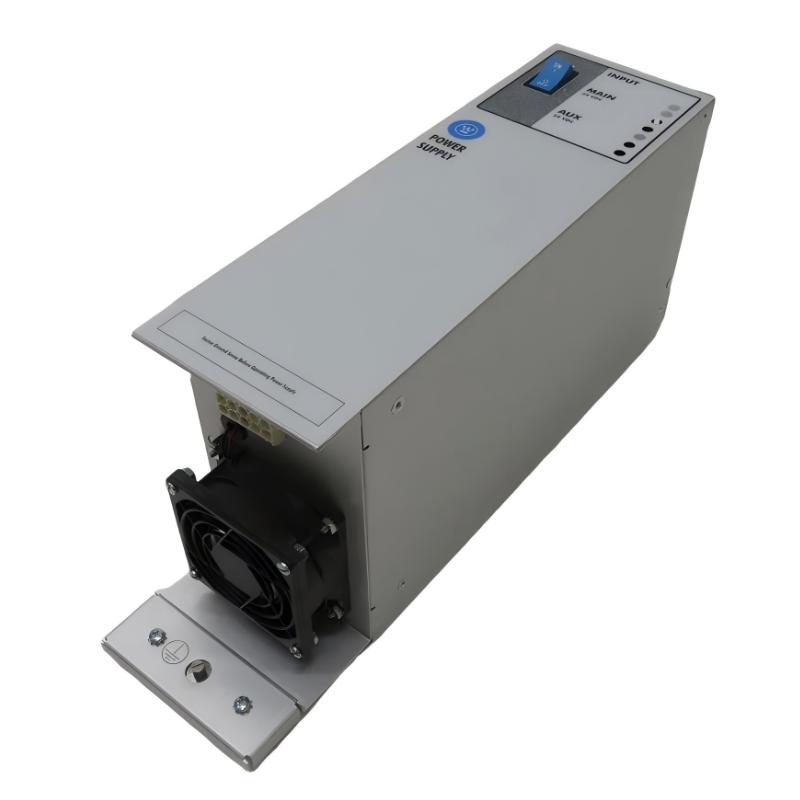
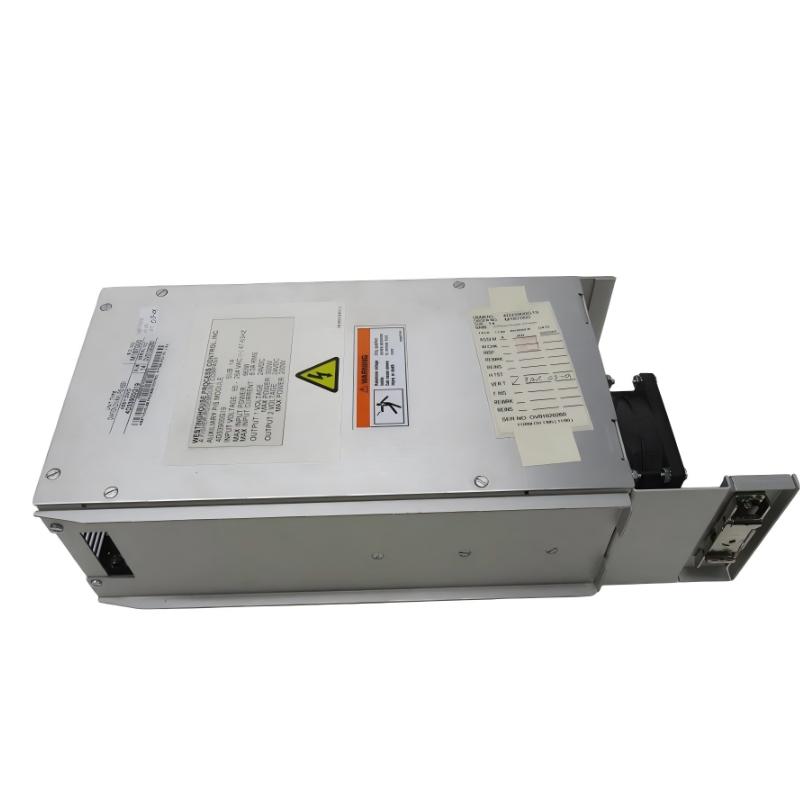
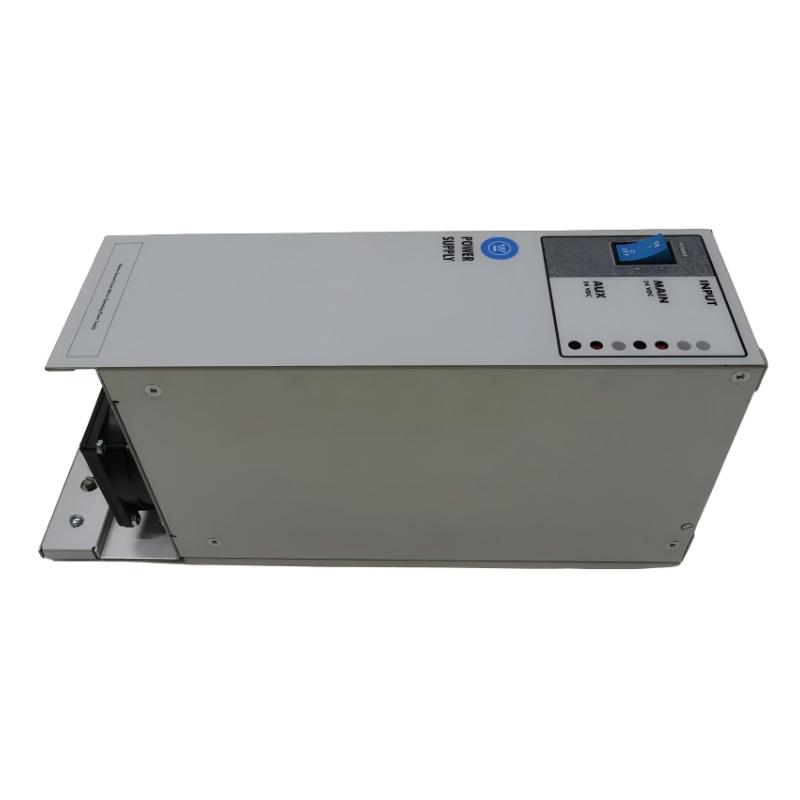
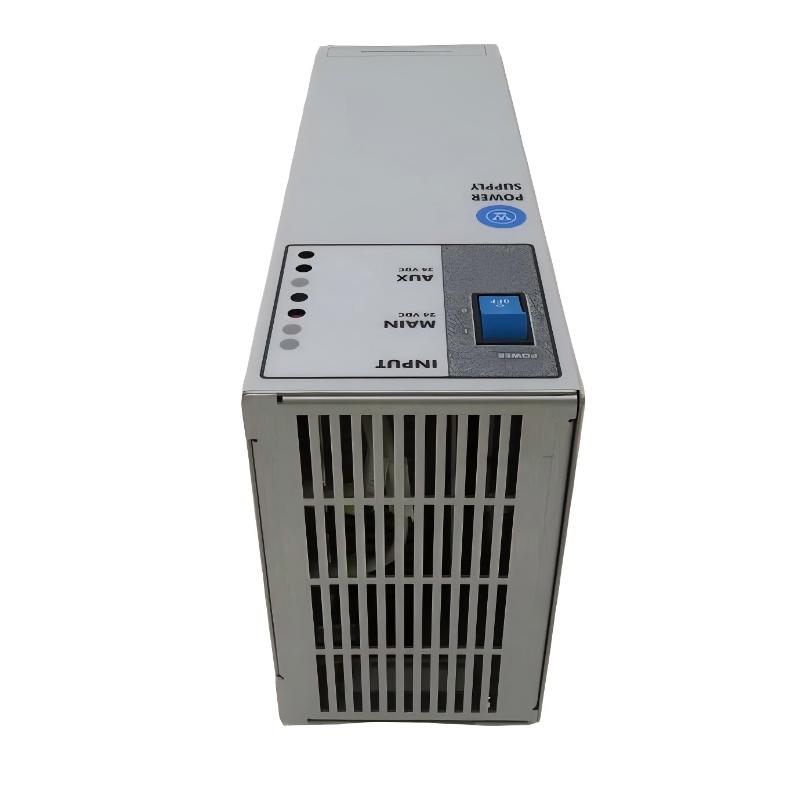
The Allen Bradley Ovation 4D33900G19 Power Supply is a high-performance module that provides regulated power for distributed control systems. It ensures reliable operation of processors, communication cards, and I/O modules within Ovation automation racks.
Designed for industrial applications, it delivers consistent electrical performance under heavy load conditions. Its integration into standard rack layouts simplifies installation and future system upgrades. With robust construction and efficient thermal design, this power supply supports continuous plant operation while minimizing maintenance requirements.
Technical Specifications
| Parameter | Specification |
|---|
| Control Platform | Ovation Distributed Control System |
| Model Number | 4D33900G19 |
| Module Type | Power Supply |
| Function | Provides regulated DC power to control system modules |
| Installation | Rack-mounted within Ovation automation system |
| Application | Industrial process control and power generation |
| Cooling | Cabinet airflow |
| Dimensions | 200 mm × 150 mm × 60 mm |
| Weight | 1.5 kg (3.31 lb) |
Industrial Applications
The Allen Bradley Ovation 4D33900G19 Power Supply is engineered to provide stable, regulated DC power to Ovation distributed control systems. It is widely used in power generation, industrial utilities, and large process plants where uninterrupted operation of control modules is critical.
In thermal and hydroelectric plants, this power supply ensures that processors, I/O modules, and communication boards receive consistent voltage, reducing the risk of system downtime. It is also implemented in petrochemical and chemical processing facilities where sensitive control electronics demand high-quality power.
The 4D33900G19 Power Supply is suitable for new installations and modernization projects alike, allowing plants to upgrade power delivery components without extensive system redesign.
Key Advantages in Operational Settings
A primary advantage of this power supply is its ability to maintain voltage stability under fluctuating industrial loads. Continuous reliability is essential in plants that operate 24/7.
Another benefit is integration simplicity. The power supply is designed to fit standard Ovation control racks, simplifying installation and reducing wiring complexity.
Thermal efficiency is also noteworthy. Its design minimizes heat generation, allowing it to function effectively in densely populated control cabinets.
The module’s durability and long operational lifespan make it a preferred choice for facilities seeking minimal maintenance interventions while maintaining high system uptime.
Technical FAQs for Control Engineers
1. What is the main function of this power supply?
It delivers stable, regulated DC power to Ovation control modules and associated electronics.
2. In which industries is this power supply commonly used?
Power generation, industrial utilities, chemical processing, and large-scale manufacturing facilities.
3. How does it contribute to system reliability?
By providing consistent voltage and current, it prevents module resets and communication interruptions.
4. Can it be used in redundant power configurations?
Yes, it supports parallel or redundant arrangements to increase system availability.
5. What type of control modules does it support?
Processors, I/O boards, communication modules, and interface cards within the Ovation system.
6. How is heat managed during operation?
Through efficient internal design and proper cabinet airflow to maintain safe operating temperatures.
7. Is it suitable for continuous operation?
Yes, it is designed for industrial environments operating 24/7.
8. How does it support modernization of existing systems?
It can replace legacy power modules without requiring major changes to control racks or wiring.
9. What maintenance is recommended?
Periodic inspection of connections, airflow, and environmental conditions ensures long-term reliability.
10. How does it affect system expansion?
Additional modules can be added without compromising power stability, allowing scalable control system growth.
 A DCS Q Co., Ltd. - PLC and DCS Industrial Control Equipment Wholesale