Product Introduction
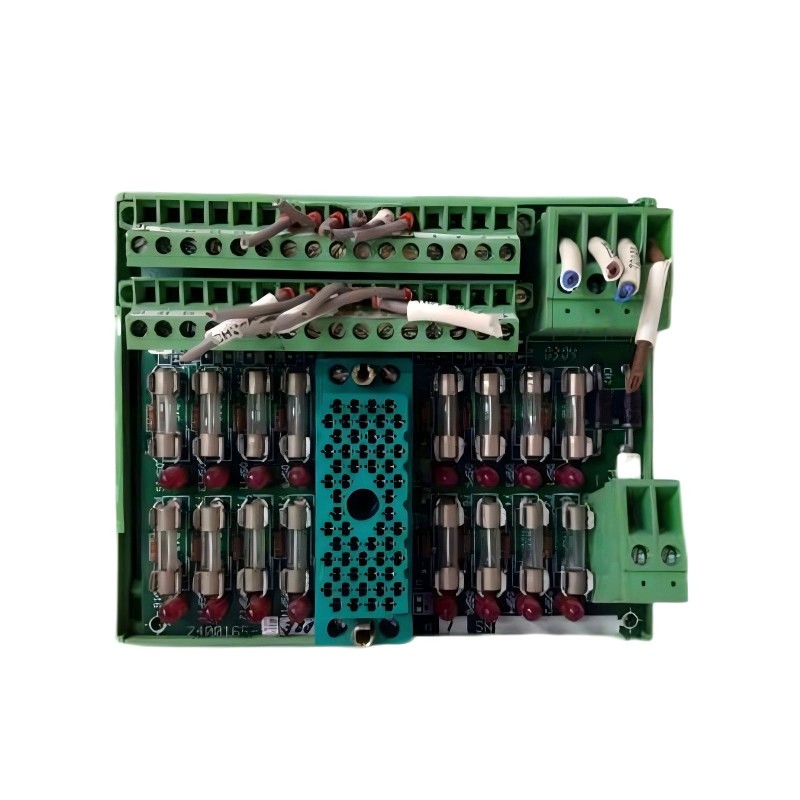
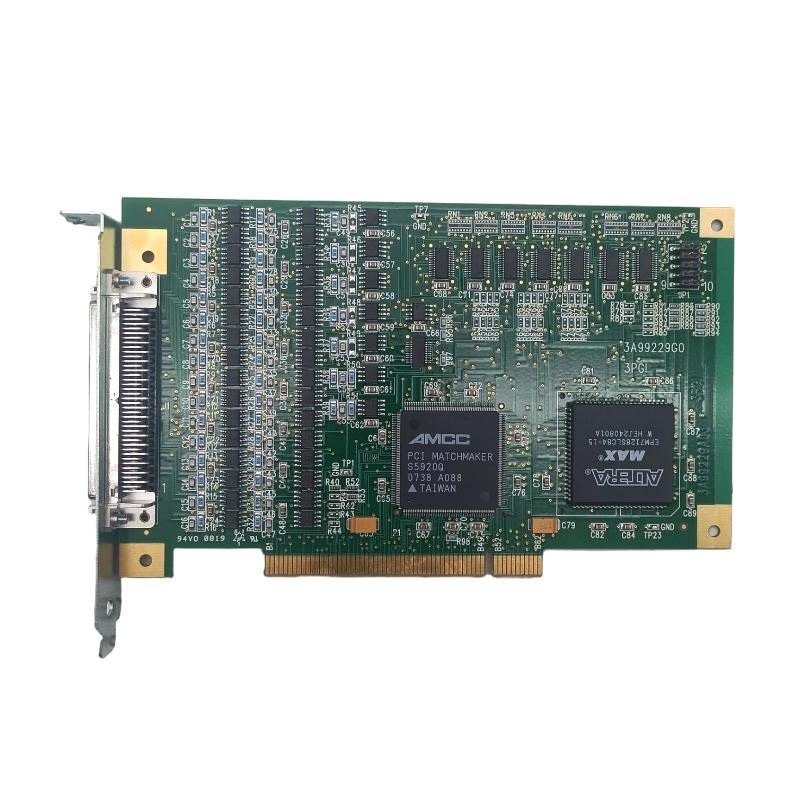
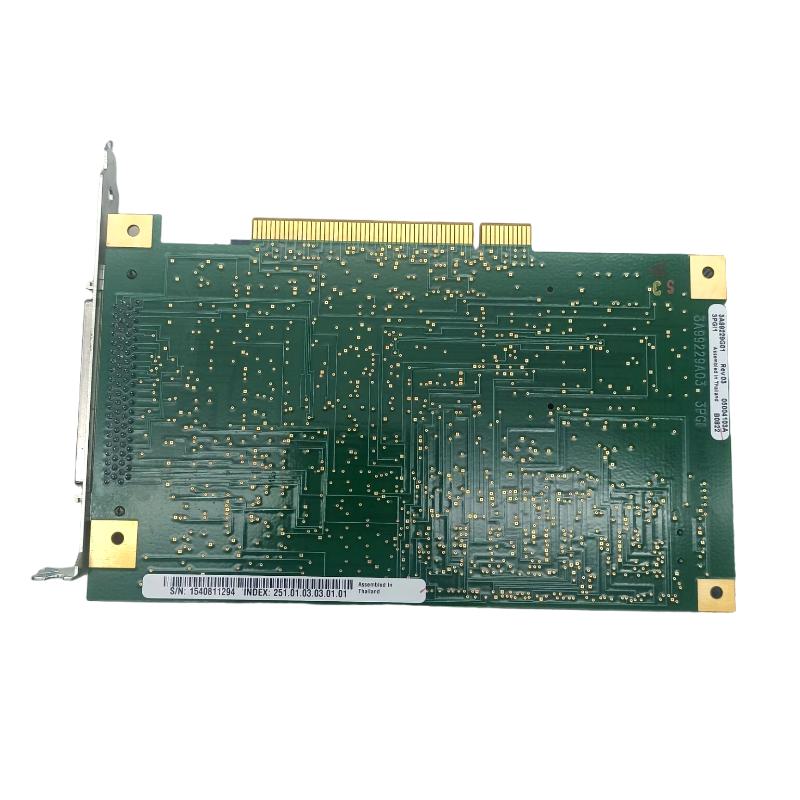
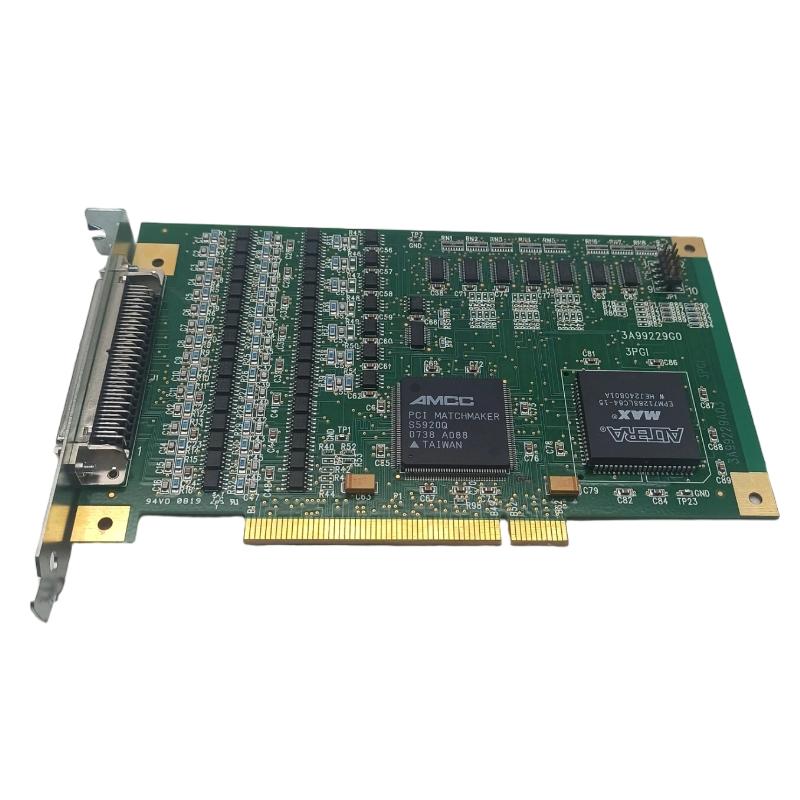
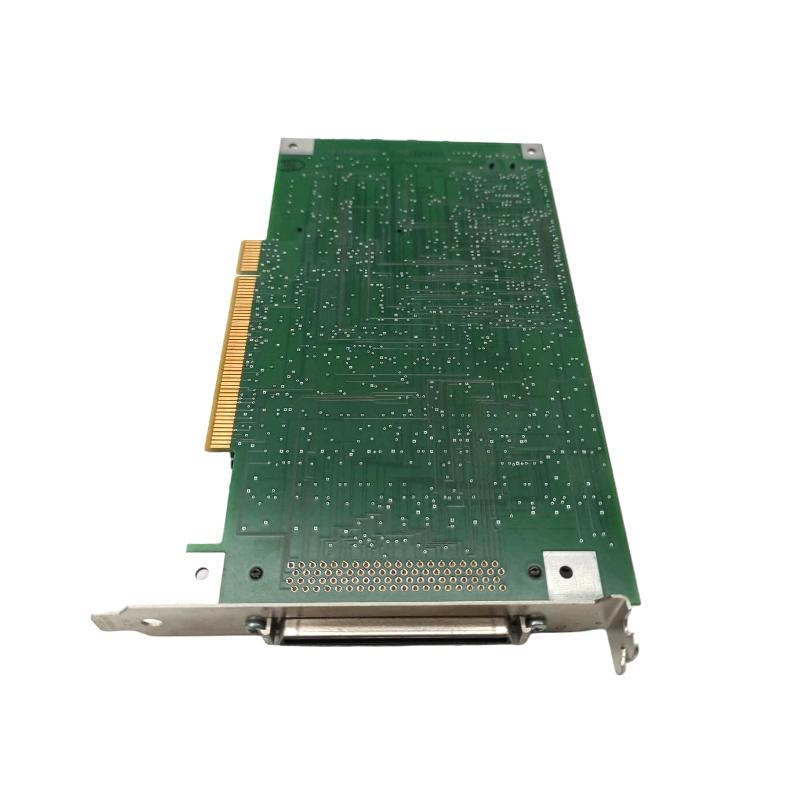
The Allen Bradley Ovation 3A99229G01 Printed Circuit Board is a modular electronic component used within Ovation distributed control system racks. It provides critical electrical connections and routing for I/O modules, processors, and interface boards, ensuring reliable signal transmission throughout the control system.
Designed for industrial environments, the board supports continuous operation while maintaining signal accuracy and system stability. Its modular design enables easy integration into both new installations and system upgrades, making it a versatile component for plant automation projects.
Engineers value this PCB for its reliability, compact design, and compatibility with the Ovation automation ecosystem.
Technical Specifications
| Parameter | Specification |
|---|
| Control Platform | Ovation Distributed Control System |
| Model Number | 3A99229G01 |
| Module Type | Printed Circuit Board |
| Functional Role | Module interface and signal routing |
| Installation | Rack-mounted within Ovation control system |
| Industrial Application | Process control, automation systems |
| Cooling | Passive cabinet airflow |
| Dimensions | 280 mm × 180 mm × 25 mm |
| Weight | 0.3 kg (0.66 lb) |
Deployment Scenarios in Industrial Control
The Allen Bradley Ovation 3A99229G01 Printed Circuit Board (PCB) is used as a critical electronic interface within distributed control systems, connecting signal pathways and supporting processing within Ovation automation racks. It is commonly found in industrial environments where high-reliability control and signal integrity are required.
Power plants, petrochemical facilities, and large-scale industrial utilities deploy these PCBs to manage communication between I/O modules, processor units, and interface boards. Its role is essential for ensuring reliable signal transmission and system operation across multiple control modules.
Additionally, the PCB is integrated into modernization and retrofit projects, providing updated electronic functionality while maintaining compatibility with legacy Ovation systems. This flexibility allows plants to extend the life of existing control infrastructure without complete hardware replacement.
Advantages in Engineering Applications
One key benefit of the 3A99229G01 PCB is its precise and reliable electronic signal routing, which minimizes interference and ensures consistent operation across control modules. Engineers often highlight its stable performance under continuous operation as a significant asset.
The board is also compact, enabling efficient use of rack space while supporting the necessary control and communication functionality. Its design reduces wiring complexity and helps maintain structured system layouts.
From a maintenance perspective, the PCB’s modular design facilitates easier replacement and inspection, improving system uptime. Additionally, the board supports scalable control system expansion, allowing new modules to be integrated without redesigning the existing hardware layout.
Technical FAQs for Industrial Engineers
1. What is the primary role of this PCB in a control system?
It provides electrical pathways and interfaces for modules within the Ovation distributed control rack.
2. Which industries commonly use this PCB?
Power generation, petrochemical, industrial utilities, and process automation plants.
3. How does it contribute to signal integrity?
By maintaining precise routing and electronic isolation, the PCB ensures reliable communication between system modules.
4. Is it suitable for continuous operation environments?
Yes, it is designed to operate reliably under 24/7 industrial conditions.
5. Can this PCB be used in system upgrade projects?
Yes, it integrates with existing Ovation systems to provide enhanced functionality.
6. How does it affect maintenance efficiency?
Modular design allows for easier inspection, replacement, and system troubleshooting.
7. Can it handle high-density signal routing?
Yes, the layout supports multiple signal connections while maintaining electrical stability.
8. Does it support distributed control system expansion?
Yes, additional modules can be added without modifying the PCB design.
9. What are typical environmental considerations?
It should be installed within controlled cabinet airflow and temperature ranges for optimal performance.
10. How is reliability ensured under industrial load conditions?
Through robust PCB construction, high-quality components, and stable electrical pathways.
 A DCS Q Co., Ltd. - PLC and DCS Industrial Control Equipment Wholesale