Product Introduction
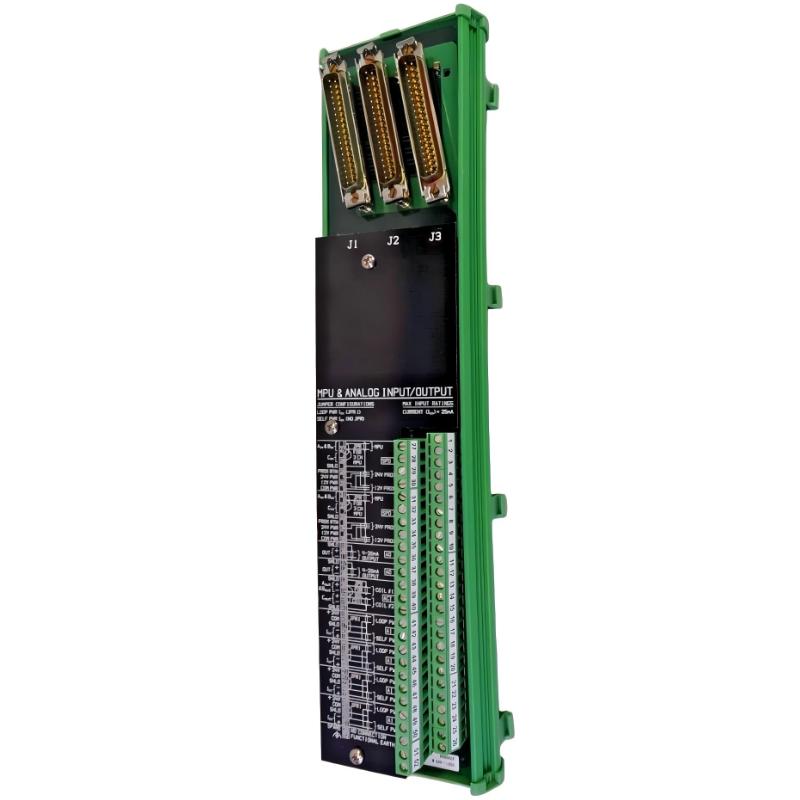
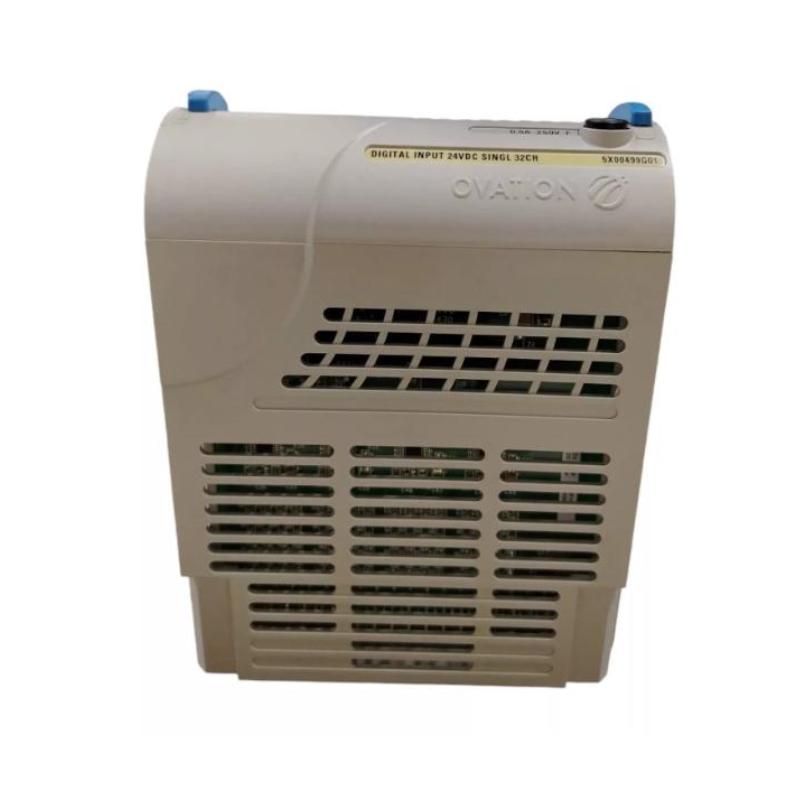
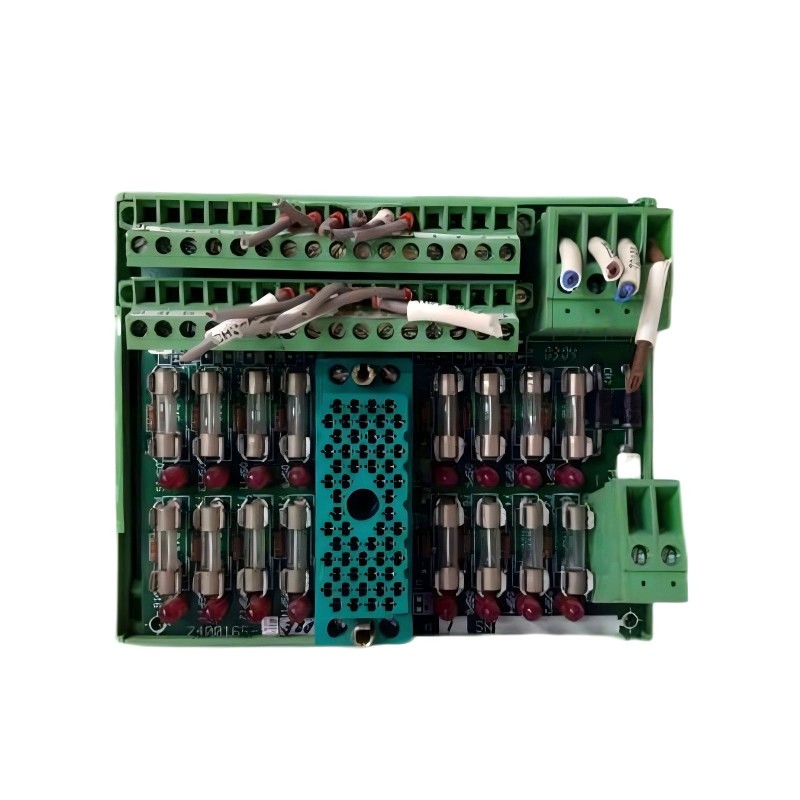
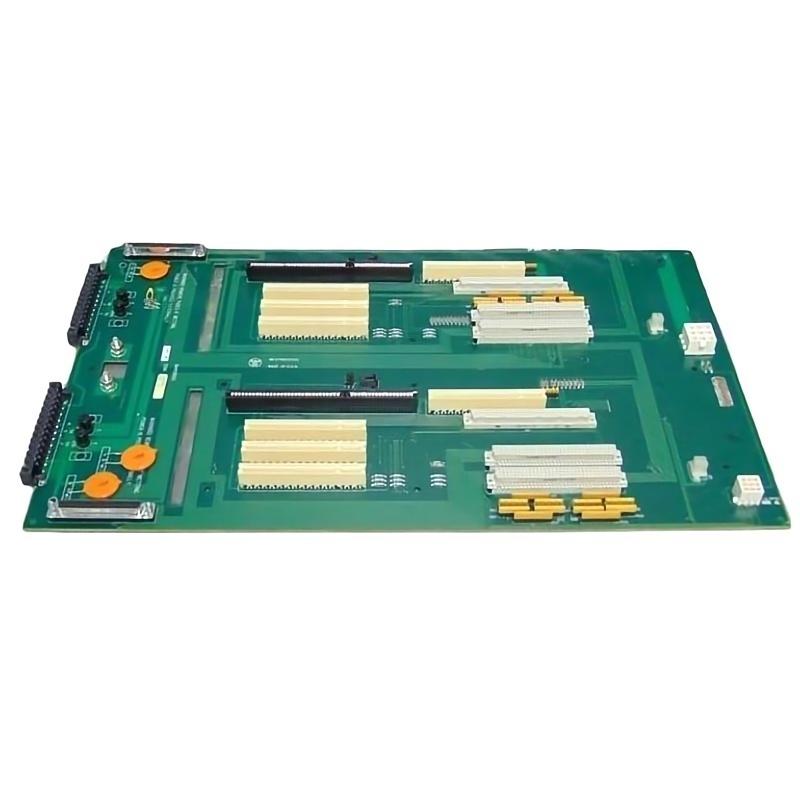
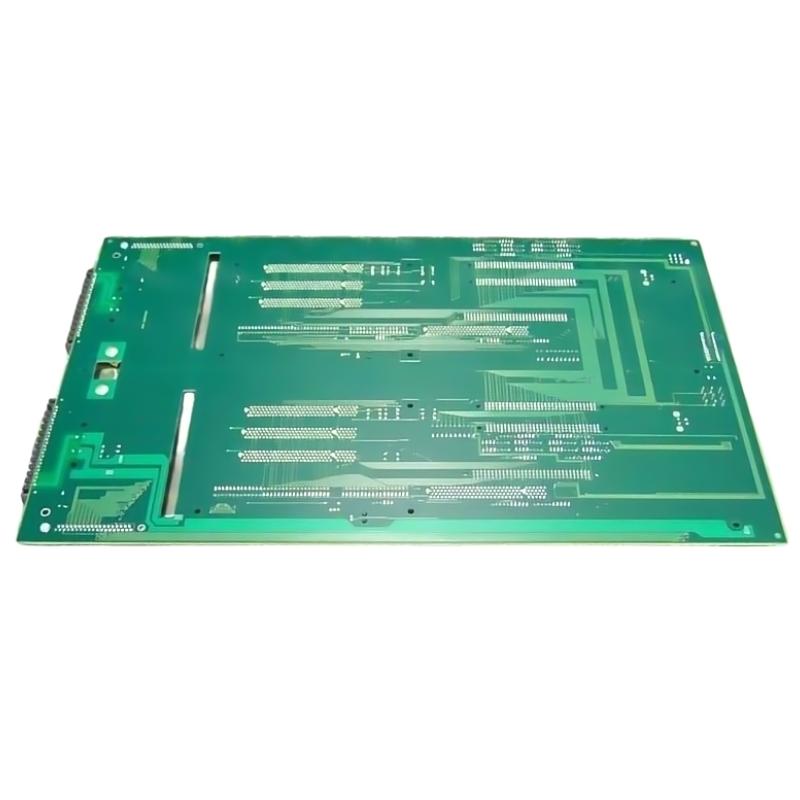
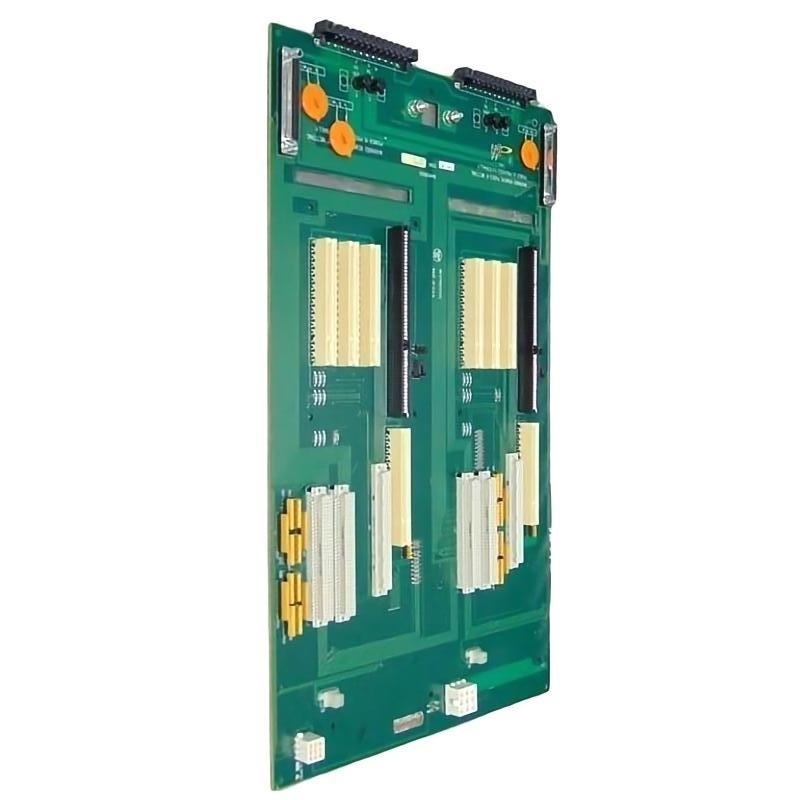
The Allen Bradley Ovation 3A99200G01 Controller Slot Rack Backplate is designed to support modular automation hardware within Ovation distributed control systems. Serving as a foundational component inside control racks, it enables secure installation and proper alignment of controllers and related modules.
In industrial automation environments where systems must remain stable over long operational periods, rack infrastructure plays a crucial role in maintaining system reliability. The backplate forms the backbone of the rack assembly, ensuring that modules remain properly connected and organized.
This component is especially important in large-scale automation projects where control systems are built using standardized rack architectures.
Technical Specifications
| Parameter | Specification |
|---|
| Control Platform | Ovation Distributed Control System |
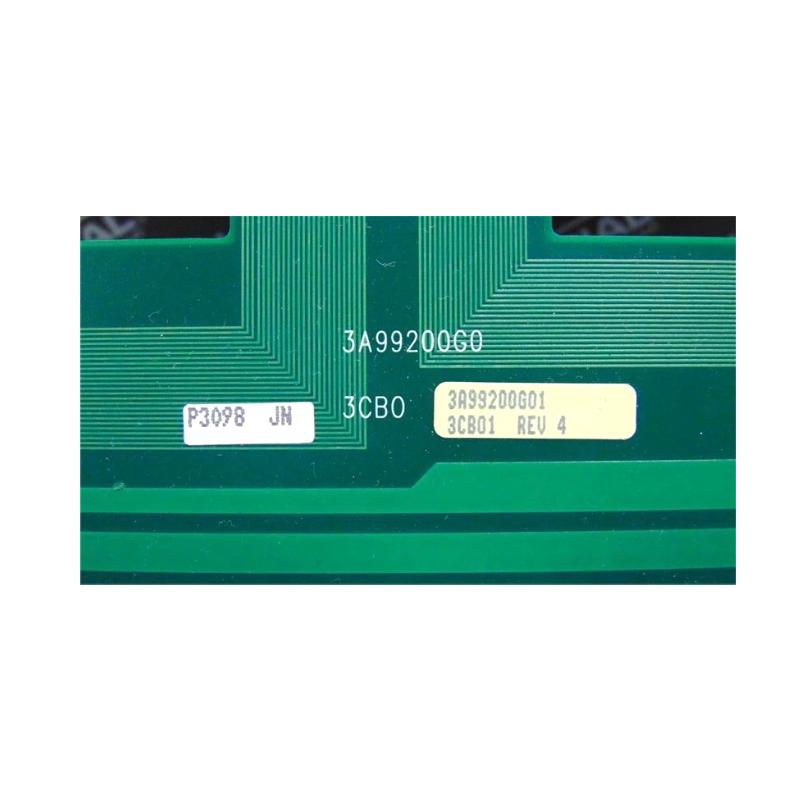
| Model Number | 3A99200G01 |
| Module Type | Controller Slot Rack Backplate |
| Functional Role | Rack mounting and module interface foundation |
| Installation | Industrial control rack assembly |
| Application | Distributed control system infrastructure |
| Structural Design | Multi-slot controller mounting support |
| Dimensions | 300 mm × 150 mm × 20 mm |
| Weight | 1.1 kg (2.43 lb) |
Where This Hardware Is Used in Automation Infrastructure
In large distributed control systems, the Allen Bradley Ovation 3A99200G01 Controller Slot Rack Backplate functions as the structural and electrical foundation for controller modules installed within an automation rack. It is typically deployed in industrial control rooms where system reliability and organized module placement are essential.
Power generation facilities frequently utilize controller slot backplates to support processor modules, communication interfaces, and power components within the Ovation control platform. These installations require stable mounting structures that ensure consistent electrical connectivity across all installed modules.
The backplate is also common in process industries such as refining, industrial utilities, and large manufacturing plants where modular control systems are used. In these environments, properly designed rack infrastructure simplifies system expansion and long-term maintenance.
Engineering Benefits Observed in Rack Design
From a control system design perspective, the 3A99200G01 backplate provides a structured interface that supports reliable installation of controller modules. Engineers working on DCS cabinets value components that maintain consistent module alignment and electrical connectivity.
Another advantage is improved system organization. When multiple modules are installed within a rack, a well-designed backplate helps maintain clear system architecture, reducing installation complexity during commissioning.
The backplate also contributes to long-term durability in industrial environments. Automation cabinets often operate continuously for years, and mechanical stability plays an important role in maintaining system integrity.
Additionally, it supports scalable system design. As plants expand control capabilities, additional modules can be integrated without restructuring the entire cabinet layout.
Technical FAQs for Control System Engineers
1. What is the main purpose of a controller slot rack backplate?
It provides the mounting and electrical interface required for installing controller and system modules within a rack.
2. How does the backplate support system reliability?
By ensuring stable module placement and consistent electrical connections across the control system hardware.
3. In what environments is this backplate typically installed?
It is commonly used in industrial control cabinets within distributed control systems.
4. Does it influence system expansion capability?
Yes, a modular backplate design allows additional controllers or modules to be added as system requirements grow.
5. How does it help during system installation?
It organizes module positions and simplifies the integration of multiple hardware components within the rack.
6. Is this component important for long-term maintenance?
Yes, structured rack hardware makes module replacement and inspection more efficient.
7. Can it be used in modernization projects?
Yes, many control system upgrades involve replacing or adding rack infrastructure components like backplates.
8. How does it interact with controller modules?
It provides the physical and electrical interface that allows modules to connect to the system backplane.
9. Does cabinet design affect its performance?
Yes, proper cabinet layout, grounding, and ventilation contribute to overall system stability.
10. Is it suitable for continuous industrial operation?
It is designed for environments where automation systems operate continuously.
 A DCS Q Co., Ltd. - PLC and DCS Industrial Control Equipment Wholesale