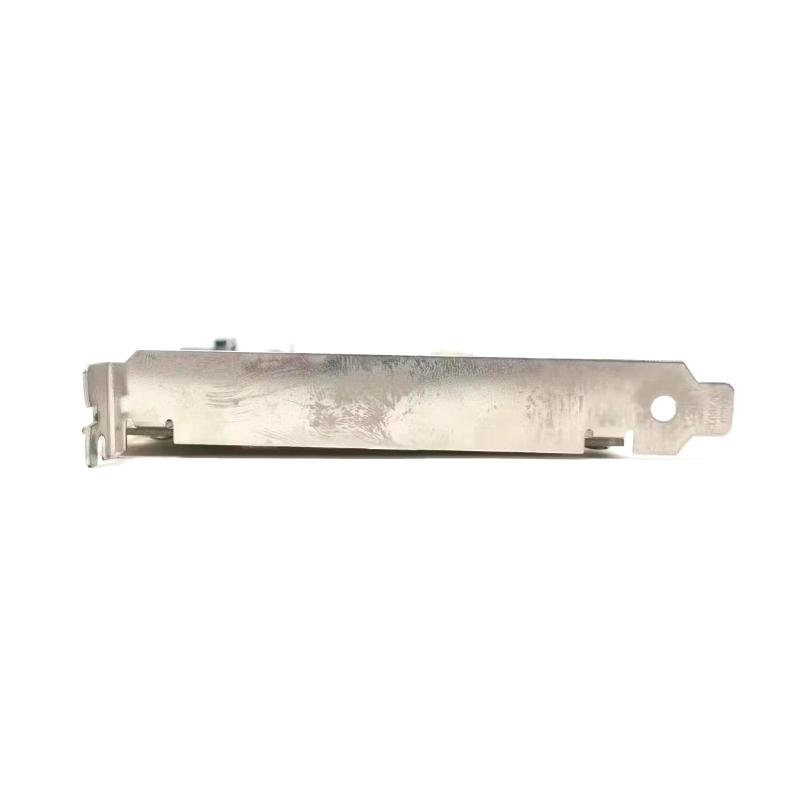
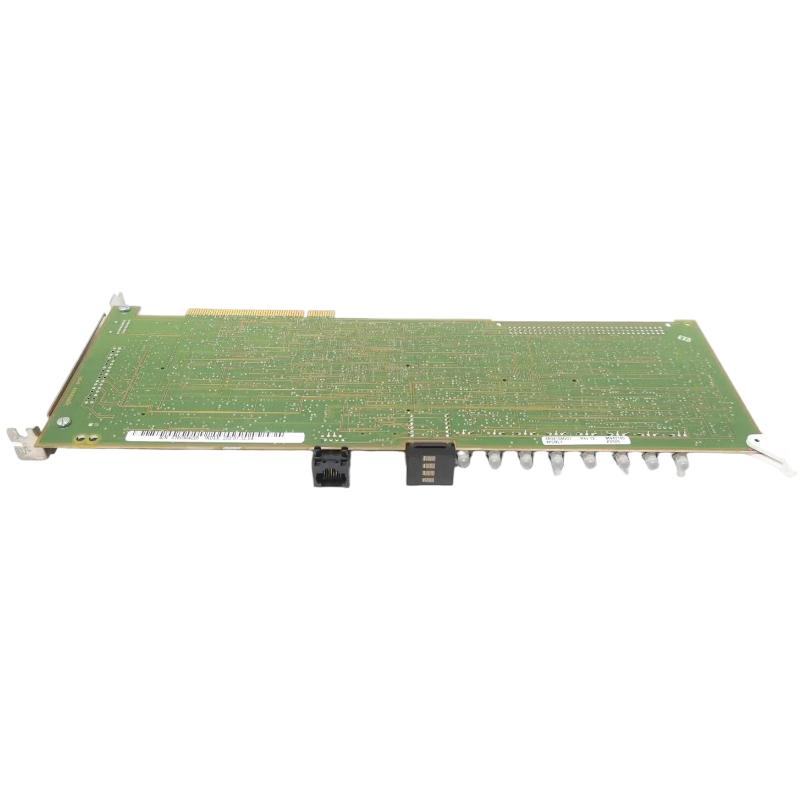
Product Introduction
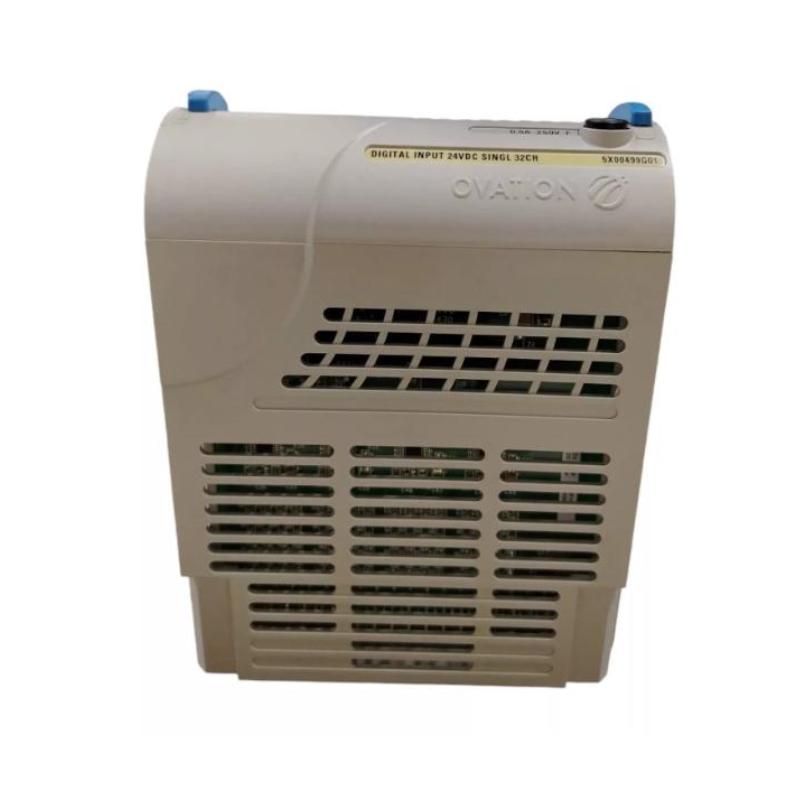
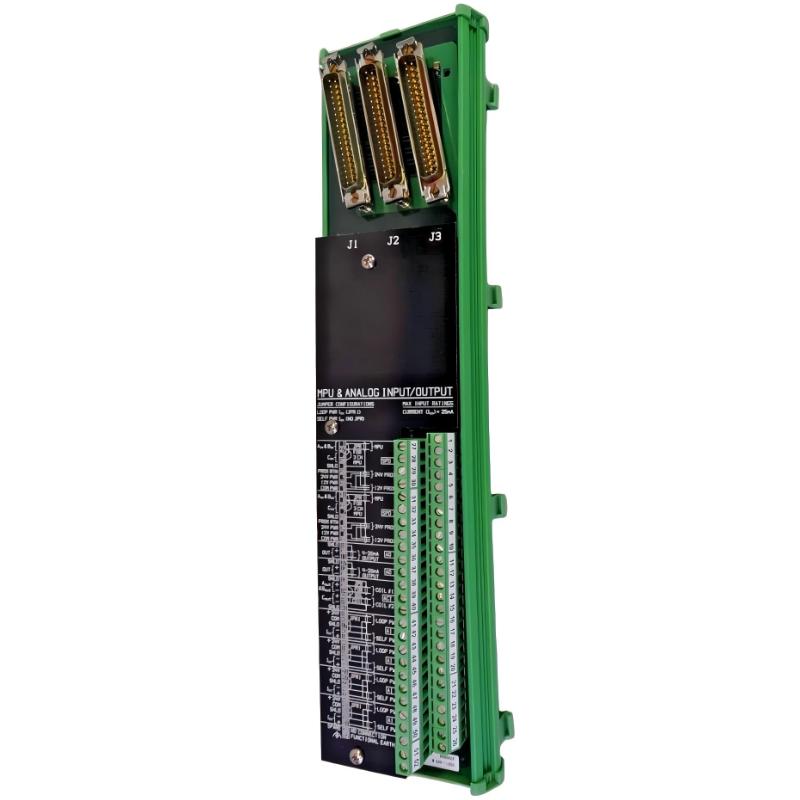
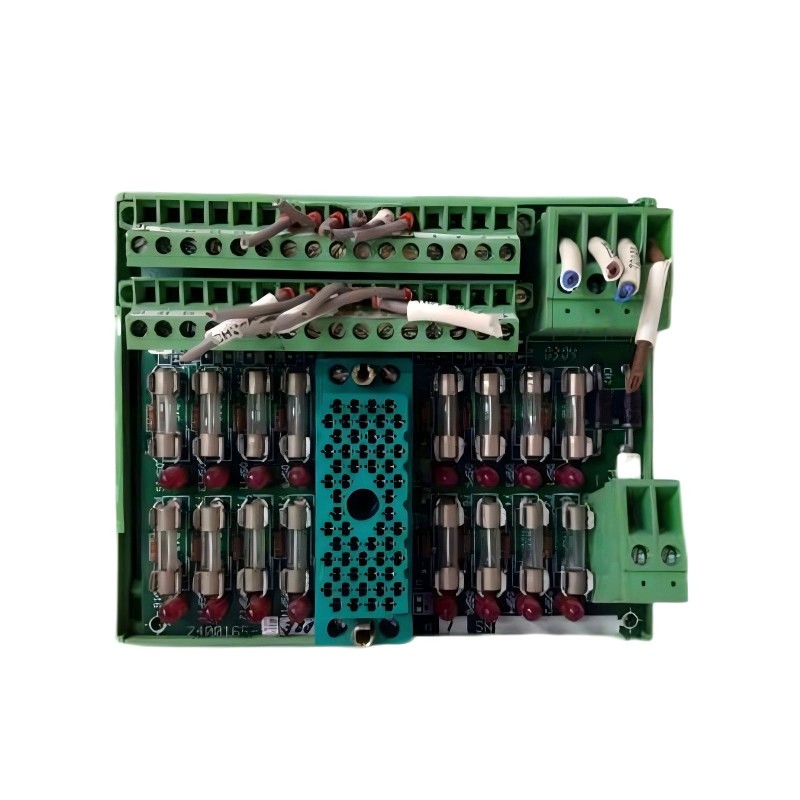
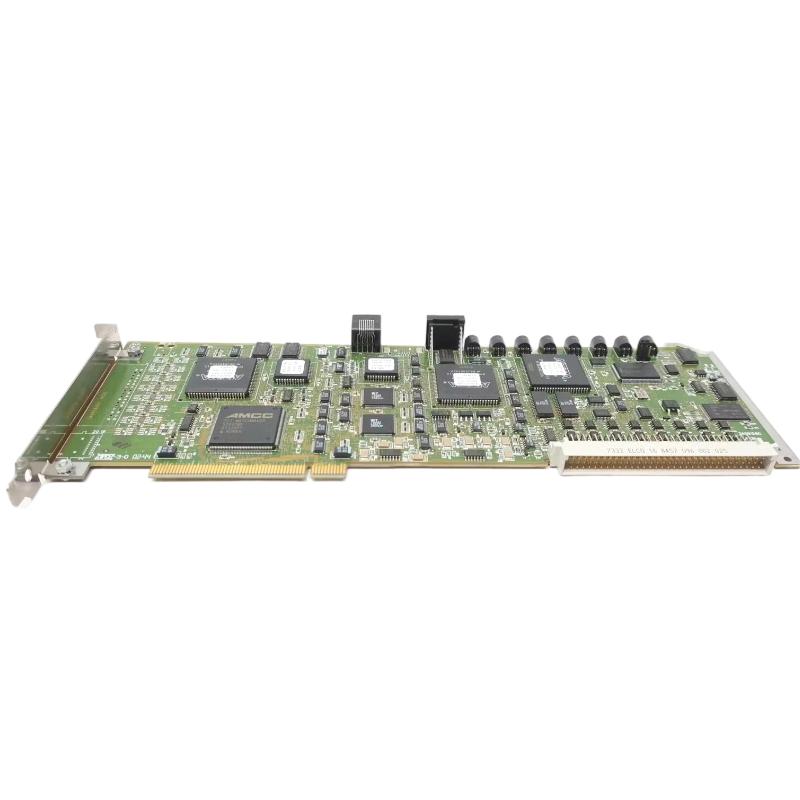
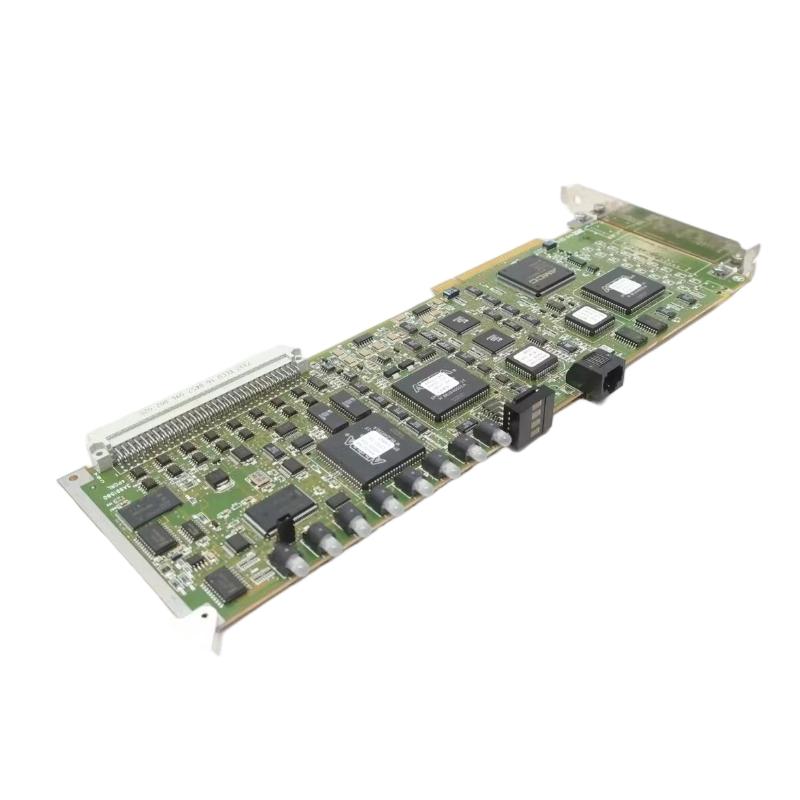
The Allen Bradley Ovation 3A99158G01 Local I/O Interface Board is designed to facilitate communication between field-level devices and the Ovation distributed control system. Within industrial automation racks, it functions as a structured interface that helps organize signal flow from sensors, switches, and actuators into the control platform.
In large process environments, reliable signal transmission is essential for maintaining operational visibility and control accuracy. This interface board supports those requirements by enabling efficient integration of local I/O channels into the broader system architecture.
Its role is particularly important in installations where multiple process variables must be monitored and controlled simultaneously.
Technical Specifications
| Parameter | Specification |
|---|
| Control Platform | Ovation Distributed Control System |
| Model Number | 3A99158G01 |
| Module Type | Local I/O Interface Board |
| System Role | Field signal interface within control rack |
| Installation | Rack-mounted automation system |
| Industrial Application | Process monitoring and equipment control |
| Cooling Method | Passive cabinet airflow |
| Dimensions | 260 mm × 100 mm × 25 mm |
| Weight | 0.15 kg (0.33 lb) |
Real-World Implementation Environments
Across large process control facilities, the Allen Bradley Ovation 3A99158G01 Local I/O Interface Board is commonly used to connect field-level signals to the central automation system. It plays a role in linking local instrumentation and sensors to the distributed control framework that manages plant operations.
In power generation plants, the board is often installed within control racks responsible for monitoring turbine subsystems, auxiliary equipment, and safety-related signals. These installations require reliable communication between nearby field devices and the main control processors.
Industrial utilities and water treatment facilities also deploy local I/O interface boards to handle signals from pumps, valves, and measurement devices. Because these environments frequently involve large numbers of input and output channels, efficient interface modules are essential for maintaining organized and scalable control architectures.
Notable Operational Benefits in Automation Projects
From a system integration perspective, one of the main advantages of the 3A99158G01 board is its ability to simplify connections between field devices and the control system. This helps reduce complexity within large automation racks.
Another benefit is improved signal coordination. By managing local I/O communication effectively, the board supports stable interaction between controllers and instrumentation located close to the control cabinet.
Engineers also appreciate its role in maintaining structured control system layouts. When multiple interface boards are used within a rack, the automation architecture remains modular and easier to maintain during system upgrades or maintenance operations.
Additionally, the board contributes to predictable system performance in environments where continuous monitoring of process variables is required.
Technical FAQs for Automation Engineers
1. What is the main function of this local I/O interface board?
It provides a connection layer between nearby field signals and the distributed control system infrastructure.
2. In which types of plants is this board commonly installed?
It is frequently used in power plants, industrial utilities, and large-scale process control facilities.
3. How does the board improve control system organization?
By structuring local I/O connections within dedicated interface hardware inside the control rack.
4. Can this board support systems with a high number of field signals?
Yes, it is designed to operate in environments where multiple sensors and actuators must be integrated into the control platform.
5. Does it contribute to system reliability?
Yes, stable local signal handling helps ensure consistent communication with the main controller.
6. What role does it play in distributed control architectures?
It acts as an intermediate interface between field devices and the core control processing modules.
7. Is it suitable for modernization projects in existing plants?
Yes, many facilities integrate interface boards when expanding or updating control system capabilities.
8. How does the module handle signal consistency?
Industrial control systems typically combine interface boards with structured wiring and signal conditioning to maintain accuracy.
9. Can it operate continuously in industrial environments?
It is designed for facilities that require 24-hour monitoring and control operations.
10. Does the board support modular system expansion?
Yes, additional interface boards can be integrated as system I/O requirements increase.
 A DCS Q Co., Ltd. - PLC and DCS Industrial Control Equipment Wholesale