Product Overview
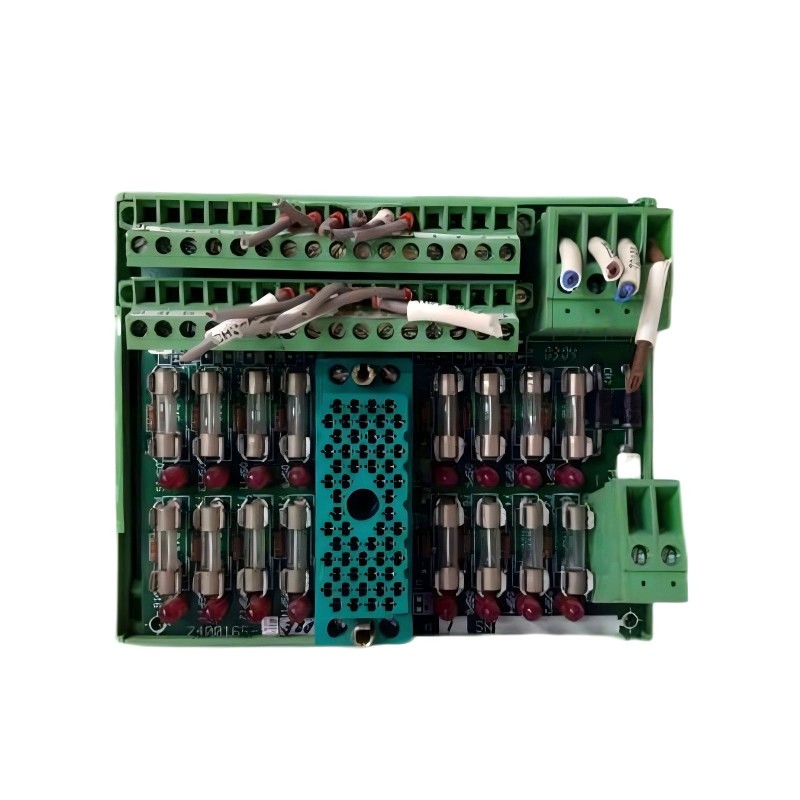
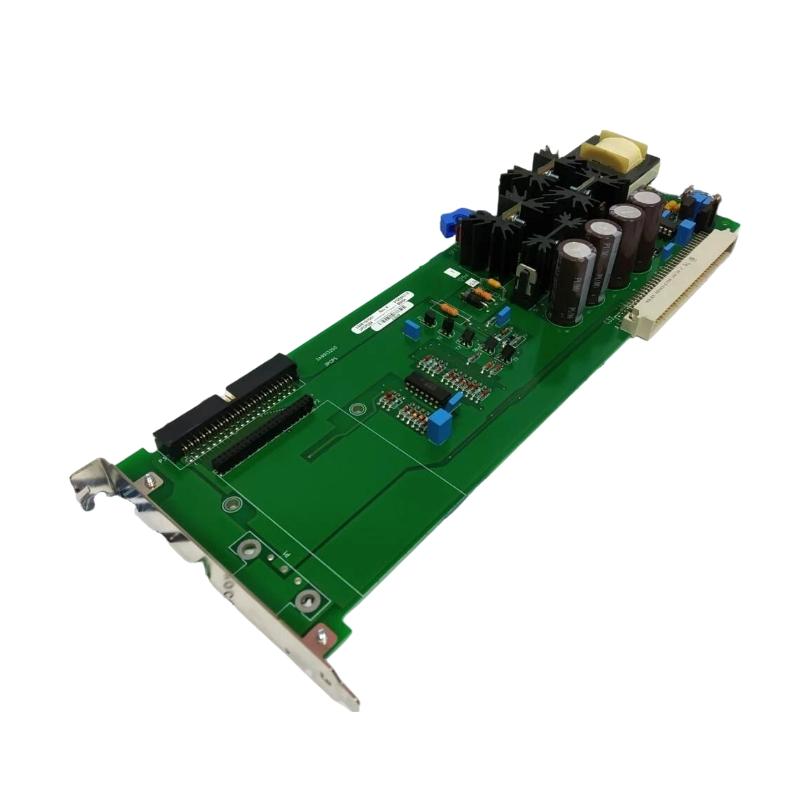
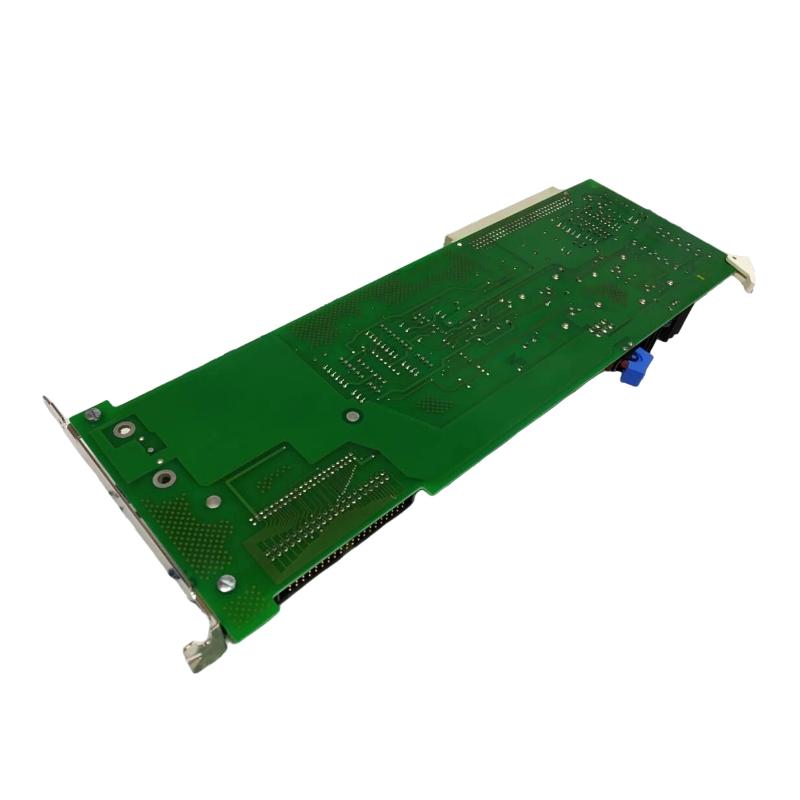
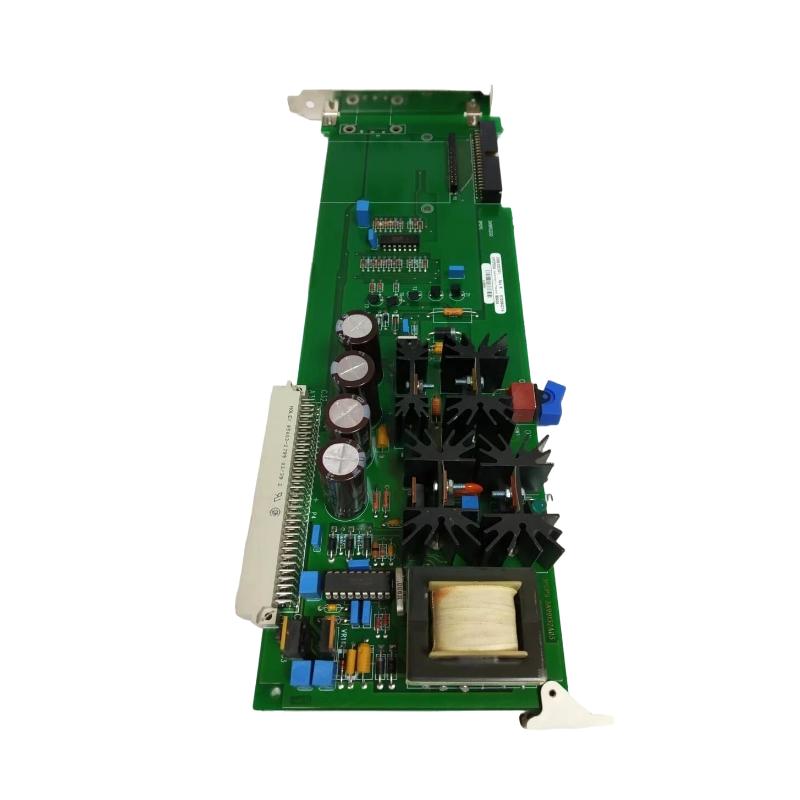
The Allen Bradley Ovation 3A99132G01 Power Board is designed to support internal power distribution within Ovation-based distributed control systems used in industrial process environments. Acting as a foundational electrical component within the control rack, it ensures that automation modules receive stable and reliable power during operation.
In large industrial plants, where control systems must operate without interruption, power boards play a significant role in maintaining the health of the overall automation infrastructure. This board fits into standardized system architectures that prioritize reliability, maintainability, and operational consistency.
Its design reflects the requirements of process industries where control platforms must remain dependable over long operational cycles.
Technical Specifications
| Parameter | Specification |
|---|
| Platform | Ovation Control System |
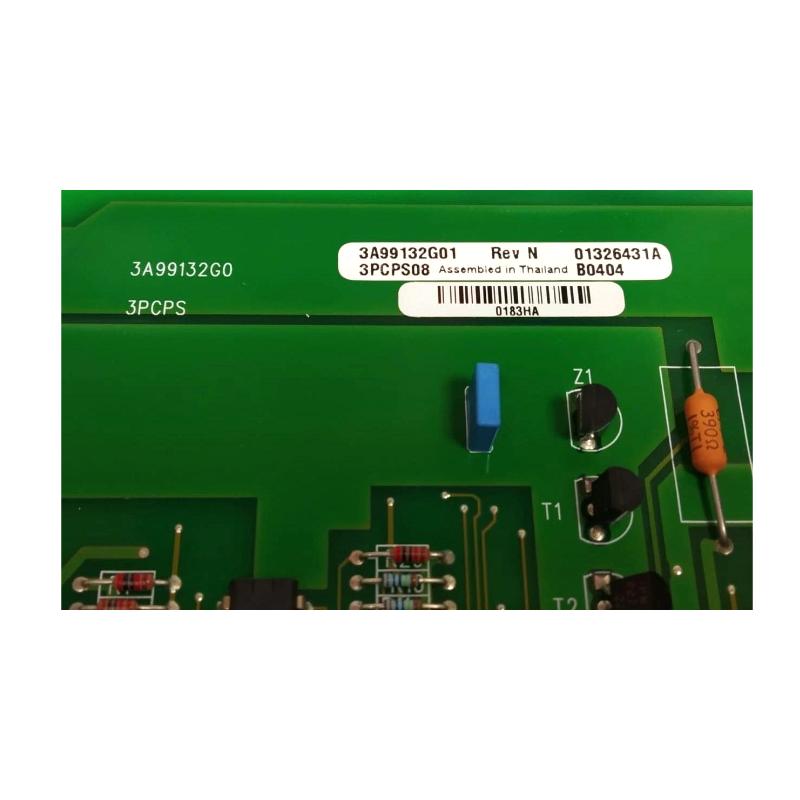
| Model | 3A99132G01 |
| Module Type | Power Board |
| System Integration | Distributed control system rack installation |
| Application Role | Internal power distribution component |
| Operating Environment | Industrial control cabinet |
| Cooling | Passive airflow within cabinet |
| Dimensions | 300 mm × 120 mm × 40 mm |
| Weight | 0.75 kg (1.65 lb) |
Industrial Application Landscape
Within distributed control systems used in critical infrastructure, the Allen Bradley Ovation 3A99132G01 Power Board serves as an internal power management component that supports stable operation of automation hardware. It is commonly installed in control racks responsible for turbine supervision, plant process monitoring, and industrial energy systems.
In power generation facilities, this board contributes to maintaining consistent electrical distribution within control cabinets that host multiple processing and communication modules. Engineers working in utility-scale environments often rely on power boards like this to support stable voltage conditions across interconnected subsystems.
It is also encountered in modernization projects where plant operators extend the lifecycle of control platforms while upgrading surrounding automation layers. In these systems, maintaining dependable internal power infrastructure remains essential for operational continuity.
Performance Highlights from Field Engineering Experience
One of the main strengths of the 3A99132G01 Power Board is its role in supporting stable internal power distribution within complex control racks. Systems that depend on synchronized operation between controllers and I/O modules benefit from reliable power regulation.
Another advantage is integration compatibility within Ovation-based control architectures. This reduces engineering complexity during installation, especially in environments where system layout and rack configuration must follow strict standards.
Engineers also note that the board contributes to overall cabinet reliability. In industrial automation panels operating continuously, consistent power delivery helps prevent unexpected controller resets and communication interruptions.
Additionally, its design supports environments where long-term operational stability and predictable maintenance cycles are necessary.
Technical FAQs (Engineering-Oriented)
1. What is the primary role of this power board in a control system rack?
It helps distribute and regulate electrical power within the control system infrastructure supporting processors, I/O modules, and communication components.
2. How does the board support system stability in large DCS environments?
By maintaining consistent electrical output, it reduces voltage fluctuations that could affect sensitive control hardware.
3. Is the board used in high-availability industrial systems?
Yes, it is commonly installed in systems that require continuous monitoring and control such as power plants and large process facilities.
4. What kind of electrical infrastructure typically accompanies this module?
It is generally integrated with redundant power supplies, filtered input sources, and structured cabinet distribution systems.
5. Can it be used in modernization or retrofit automation projects?
Yes, many facilities integrate this board when maintaining or upgrading Ovation-based control systems.
6. How is operational reliability maintained over long service periods?
Routine cabinet inspections, environmental control, and stable incoming power conditions contribute to reliable long-term operation.
7. Does the board influence communication reliability in the system?
Indirectly, yes. Stable power helps ensure controllers and network modules function without unexpected interruptions.
8. What type of control systems typically rely on this board?
Large-scale distributed control systems used in utilities, industrial energy operations, and process automation.
9. Is the board suitable for continuous operation environments?
It is designed for industrial facilities where systems operate around the clock.
10. How does the board integrate into control cabinet architecture?
It is installed within structured racks designed to support the Ovation automation platform.
 A DCS Q Co., Ltd. - PLC and DCS Industrial Control Equipment Wholesale