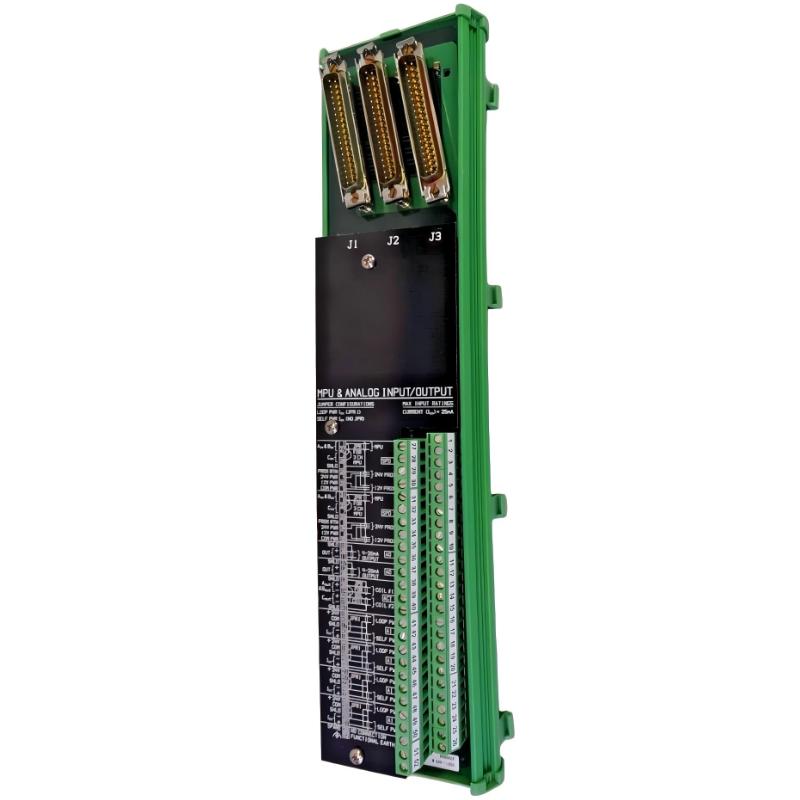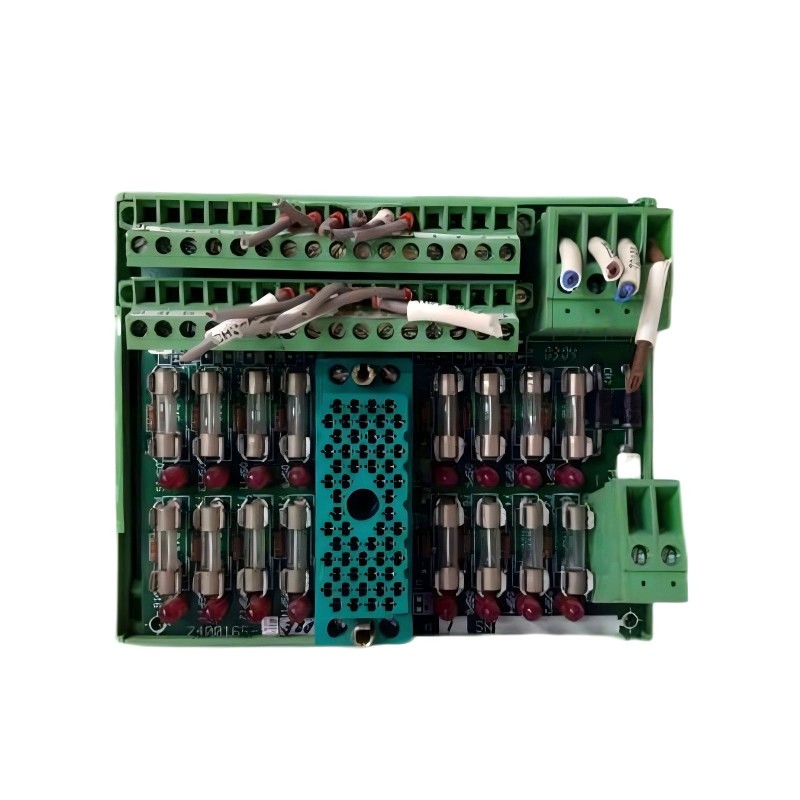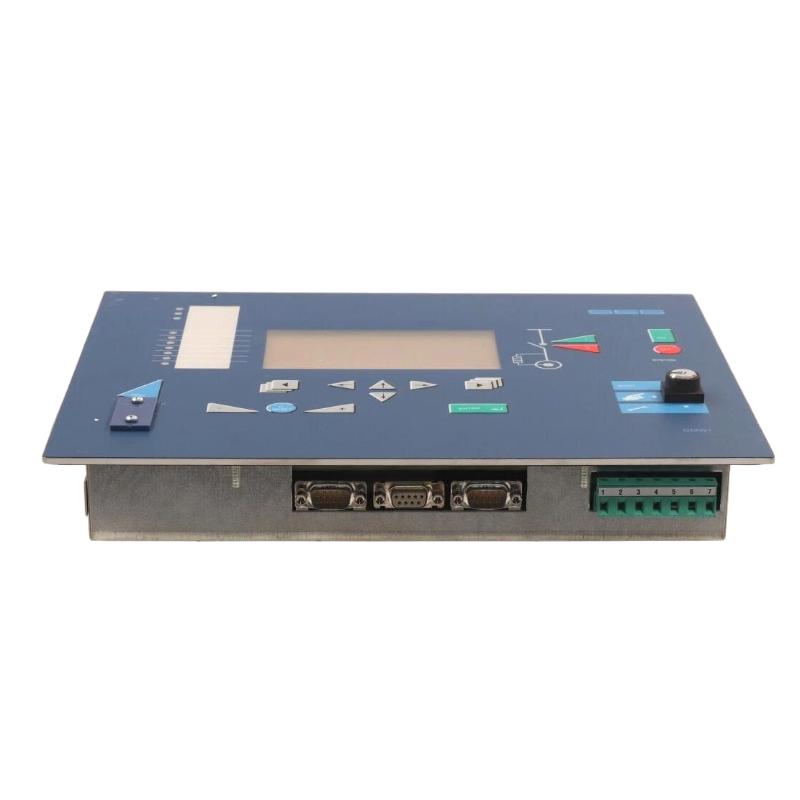
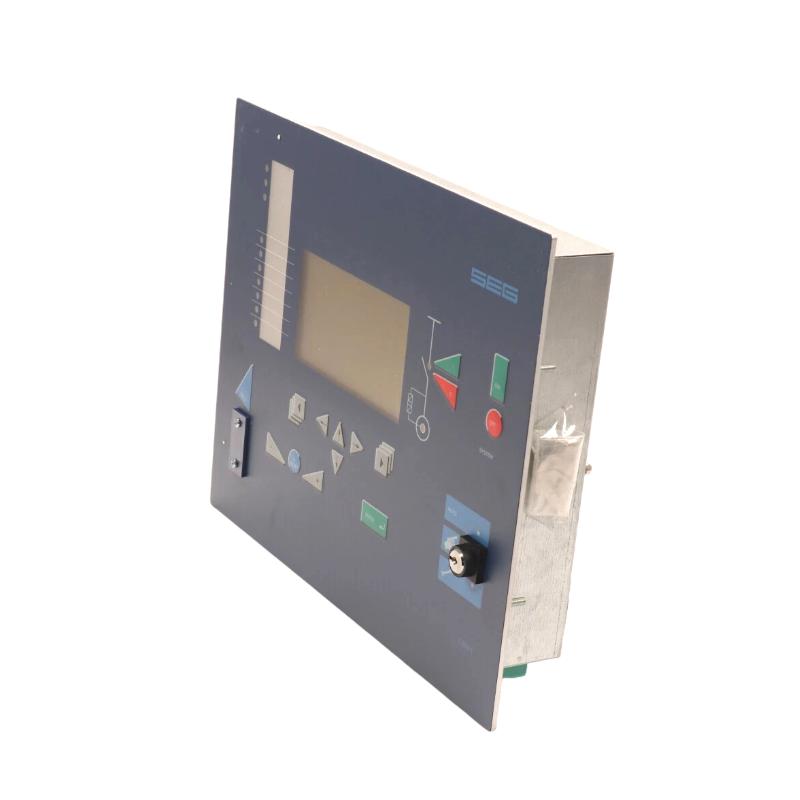
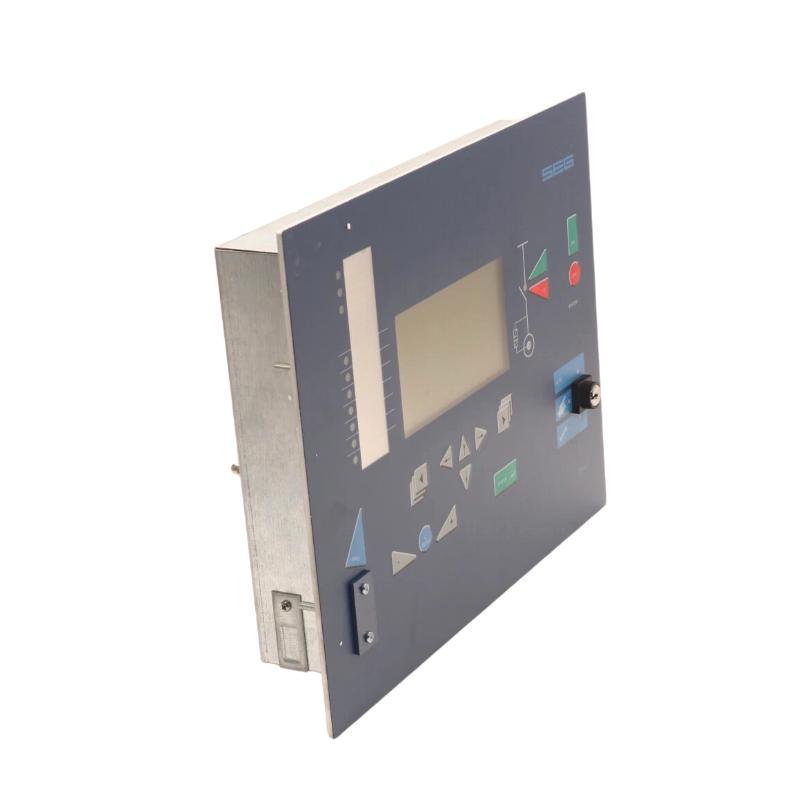
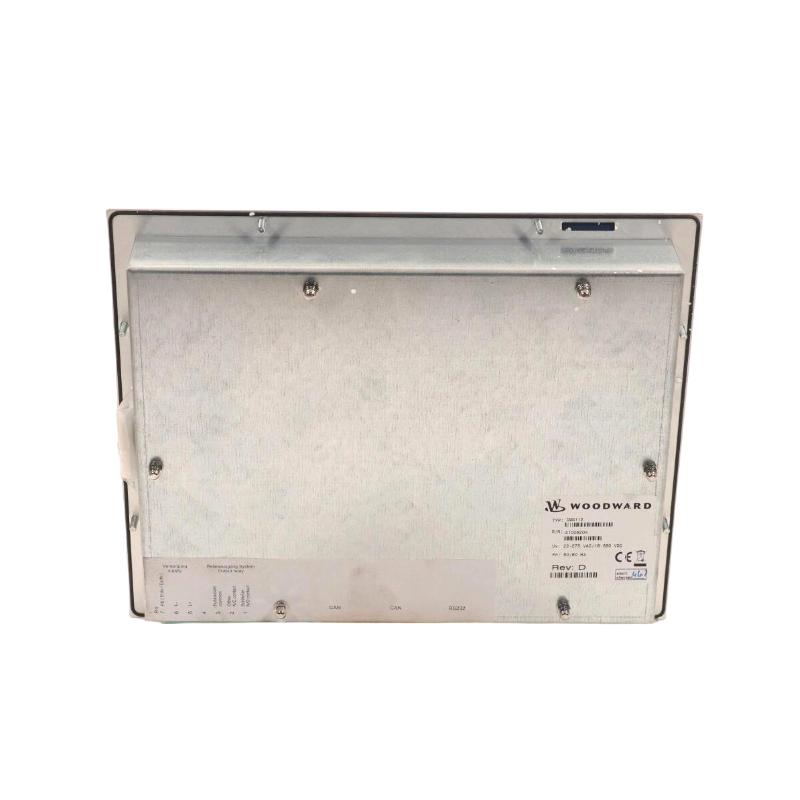
Product Overview
The Woodward CMW112 Control Unit is developed to provide reliable control functionality within industrial automation and energy systems. In complex environments where multiple processes must be regulated simultaneously, a dedicated control unit ensures that equipment operates in a stable and coordinated manner.
This unit is commonly deployed in systems responsible for managing engines, turbines, generators, and other critical industrial equipment. Its role is to process operational commands and maintain consistent control behavior across the system infrastructure.
Engineers value this type of control hardware for its dependability and ability to support long-term industrial operation. Its compact design also allows efficient installation within modern control cabinets where space optimization and structured layouts are important considerations.
Technical Specifications
| Specification | Details |
|---|
| Manufacturer | Woodward |
| Model Number | CMW112 |
| Module Type | Control Unit Module |
| Function | Industrial Control Management |
| System Application | Engine / Turbine / Automation Control |
| Installation | Control Cabinet Mounting |
| Control Type | Digital Control Unit |
| Operating Environment | Industrial Automation Systems |
| Dimensions | 160 × 130 × 60 mm |
| Weight | 0.72 kg |
Applications Across Industrial Control Environments
The Woodward CMW112 Control Unit is designed to manage and coordinate control functions within industrial automation and energy systems. It is commonly integrated into control panels where reliable regulation, monitoring, and operational control are essential for equipment performance and system safety.
Typical industrial applications include:
-
Turbine and engine control systems in power generation facilities
-
Industrial generator control and monitoring platforms
-
Oil and gas processing plants requiring stable operational control
-
Marine propulsion and auxiliary system control architectures
-
Manufacturing automation systems with centralized control units
-
Energy infrastructure systems requiring continuous monitoring and regulation
In these environments, the control unit acts as a reliable core component that supports stable process management and coordinated system behavior.
Operational Advantages in Control Architectures
Centralized Control Capability
Provides coordinated control logic for multiple connected devices within industrial automation systems.
Engineered for Industrial Reliability
Designed to operate consistently in demanding environments where control stability is critical.
Efficient System Integration
Supports integration with existing control hardware and automation infrastructure.
Stable Performance Under Continuous Operation
Built to support long operational cycles common in power, energy, and process industries.
Compact Control Hardware Design
The module’s structure allows installation within control cabinets where space efficiency is important.
Technical FAQs
-
What is the primary function of the CMW112 control unit?
It manages control processes and coordinates operational logic within industrial control systems.
-
Where is this control unit typically installed?
It is usually installed in industrial control panels or automation cabinets.
-
Is the CMW112 suitable for power generation systems?
Yes. It is frequently used in turbine, generator, and energy management systems.
-
How does the control unit improve operational stability?
It processes control signals and ensures coordinated operation across connected equipment.
-
Can this module operate continuously in industrial environments?
Yes. It is designed for long-term continuous operation in critical systems.
-
Does the unit support integration with monitoring systems?
Yes. It can function alongside monitoring platforms that track system performance.
-
What industries commonly use the CMW112 module?
Power generation, oil and gas, marine systems, manufacturing, and process industries.
-
Is the module suitable for upgrading existing control systems?
Yes. It can be used in modernization or retrofit projects in industrial automation setups.
-
How does this control unit contribute to system efficiency?
It ensures accurate control responses and stable coordination between system components.
-
Why is a dedicated control unit important in automation systems?
It centralizes control operations, improving reliability, safety, and system performance.
 A DCS Q Co., Ltd. - PLC and DCS Industrial Control Equipment Wholesale