Compact Precision Sensor for Stable Shaft Vibration Monitoring in Tight Industrial Spaces
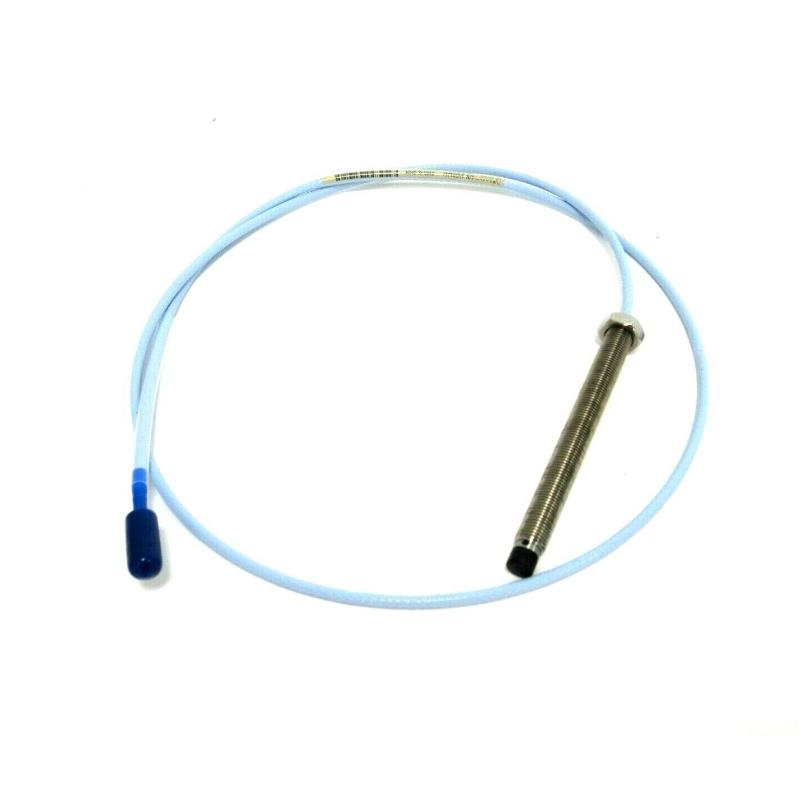
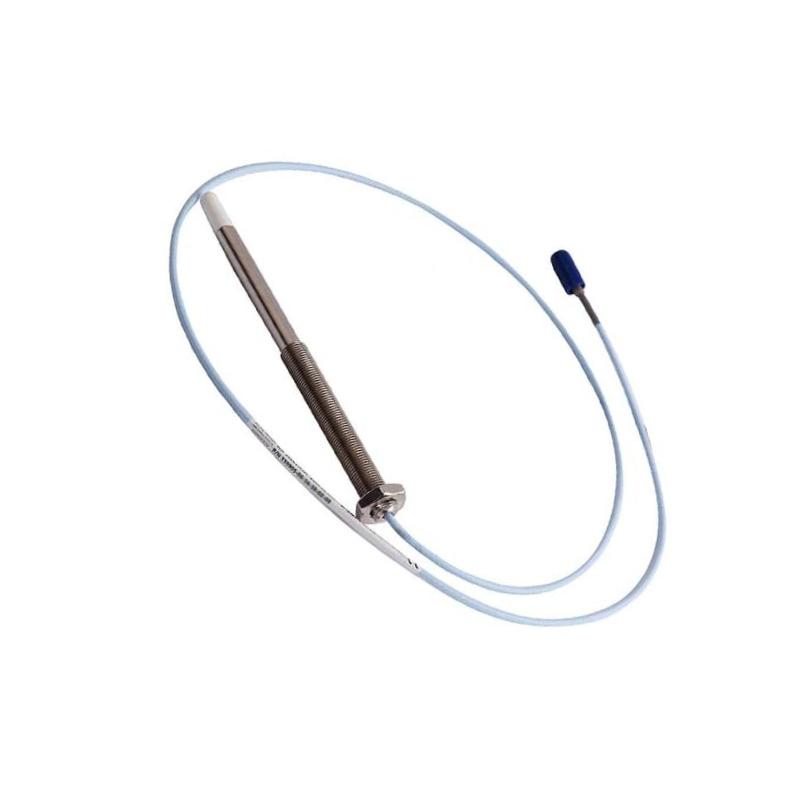
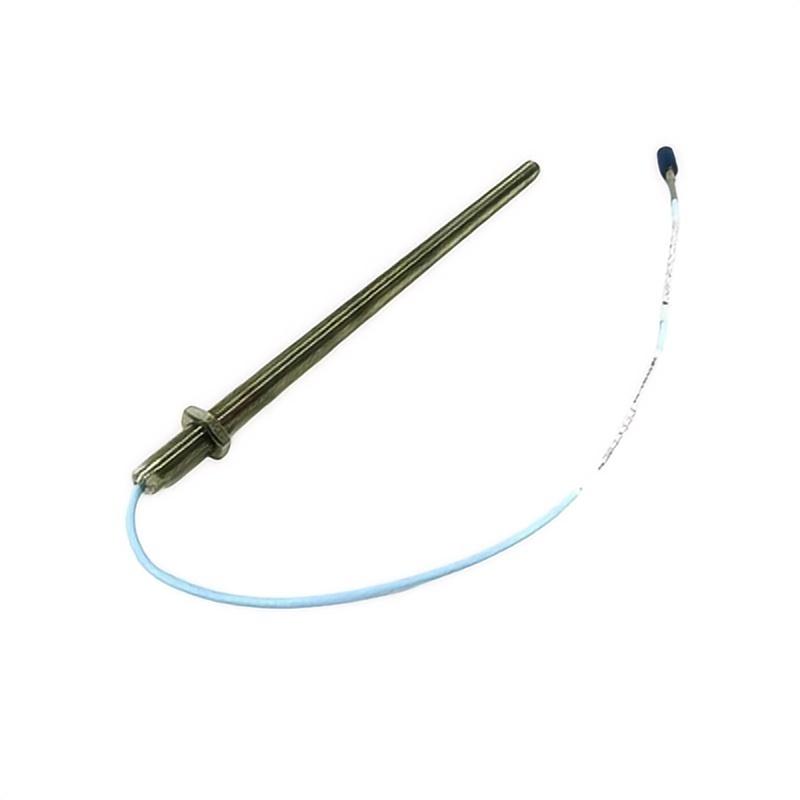
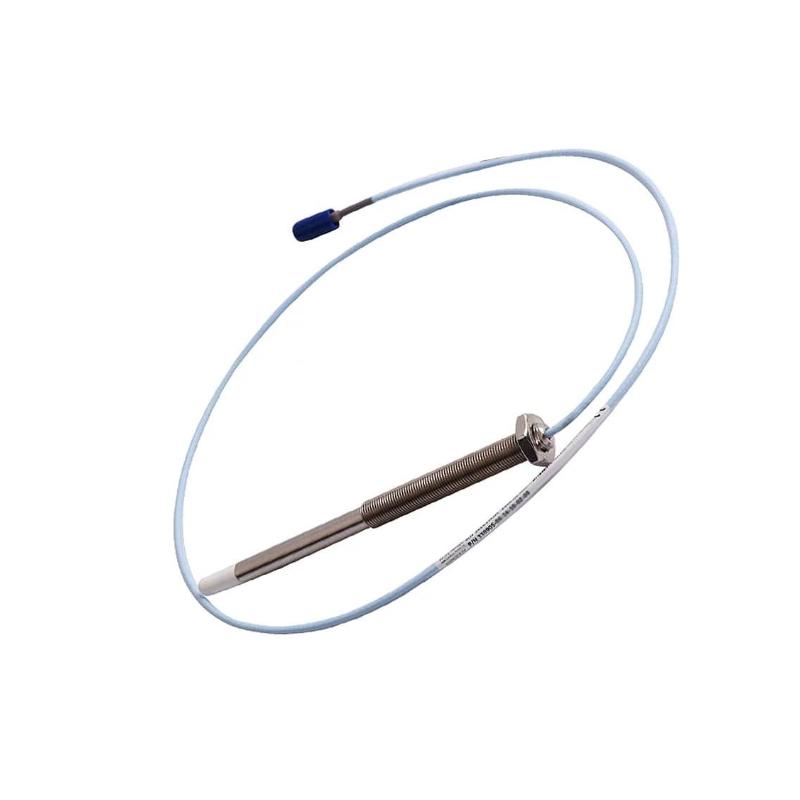
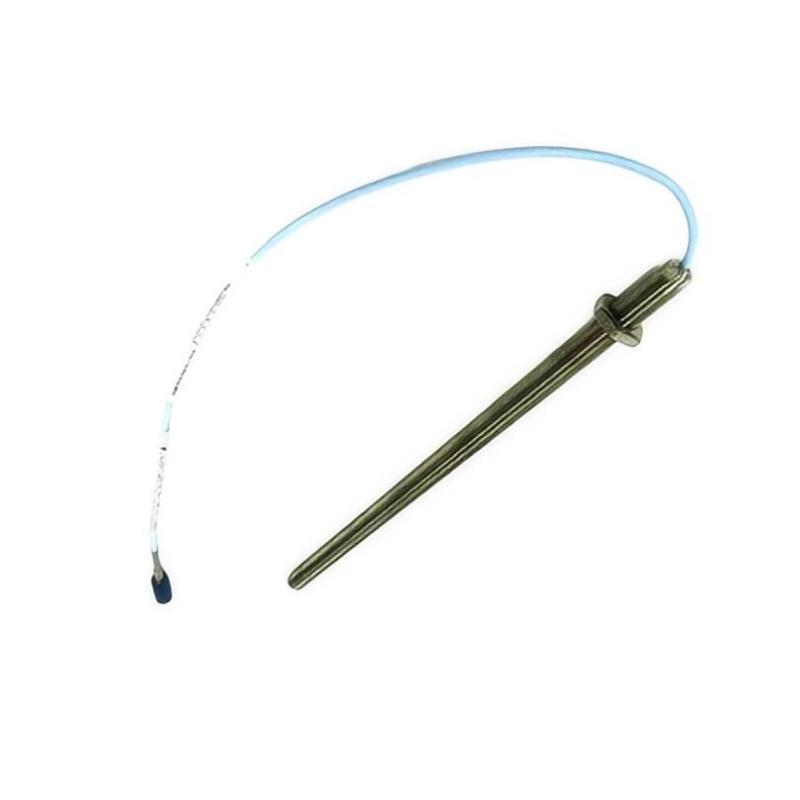
The Bently Nevada 330905-00-08-05-02-05 3300 NSv Proximity Probe is a non-contact eddy-current proximity sensor designed for high-accuracy shaft vibration and position measurement in compact rotating machinery. As part of the 3300 NSv (Narrow Side View) family, this probe is optimized to deliver stable and repeatable performance even when installed in environments with restricted clearance and nearby metallic structures that could otherwise influence signal quality.
This model is widely used in modern industrial asset protection systems, where reliable vibration data is essential for preventing unplanned downtime and supporting predictive maintenance strategies in compressors, turbines, pumps, and other critical rotating equipment. (powergearx.com)
Technical Specifications
| Specification | Details |
|---|
| Manufacturer | Bently Nevada |
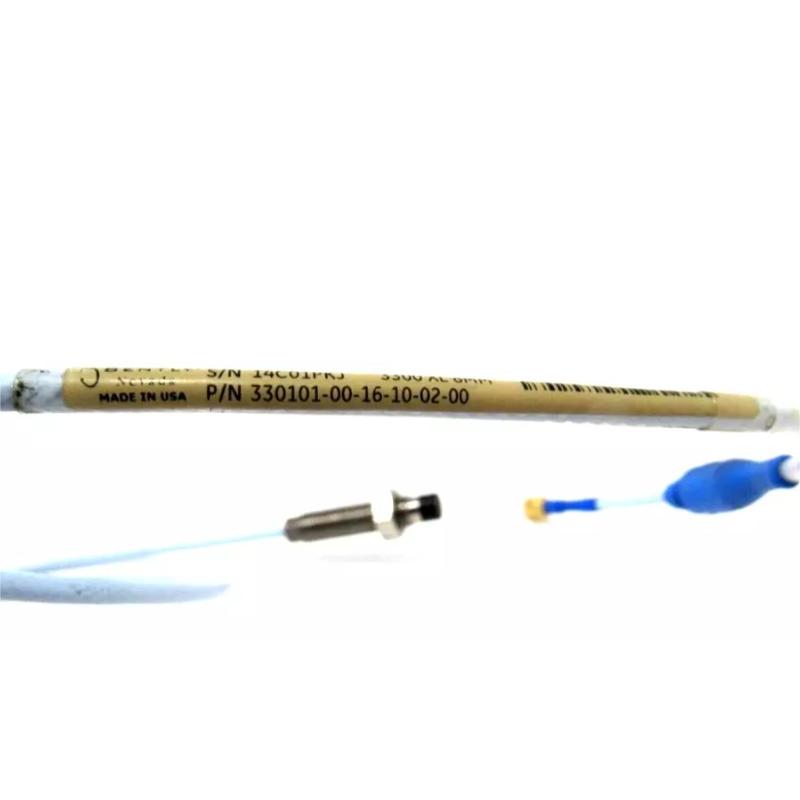
| Model Number | 330905-00-08-05-02-05 |
| Product Series | 3300 NSv Proximity Probe |
| Measurement Principle | Eddy-current non-contact sensing |
| Thread Type | M10 × 1 metric thread |
| Unthreaded Length | 0 mm |
| Case Length | 80 mm |
| Total Cable Length | 0.5 m |
| Connector Type | Miniature ClickLoc coaxial connector |
| Cable Type | 75 Ω FEP insulated coaxial cable |
| Housing Material | AISI 304 stainless steel |
| Probe Tip Material | PPS (Polyphenylene Sulfide) |
| Operating Temperature | -52°C to +177°C |
| Frequency Response | 0–10 kHz |
| Linear Measurement Range | ~1.5 mm typical NSv system behavior |
| Approx. Weight | ~0.3–0.8 kg (configuration dependent) |
Industrial Applications
This probe is commonly used in rotating machinery monitoring and protection systems, including:
-
Centrifugal compressors
-
Steam and gas turbines
-
Turbo-expanders
-
Industrial process pumps
-
Refrigeration compressors
-
Air separation units
-
Petrochemical rotating equipment
-
OEM skid-mounted machinery
-
Power generation auxiliary systems
-
Continuous condition monitoring platforms
Its compact mechanical configuration makes it particularly suitable for installations where space constraints prevent the use of larger probe assemblies.
Key Advantages
◆ Compact Mechanical Design for Tight Installations
Ideal for machinery with limited mounting clearance or confined probe access points.
◆ Stable NSv Signal Performance
Reduces interference from surrounding metallic structures for more consistent readings.
◆ High-Accuracy Non-Contact Measurement
Provides reliable shaft vibration and displacement data without physical wear.
◆ Industrial-Grade Durability
Stainless steel construction ensures long service life in harsh industrial environments.
◆ Stable Signal Transmission
75 Ω coaxial cable supports low-noise, high-integrity signal output.
◆ Predictive Maintenance Optimization
Helps detect early signs of imbalance, misalignment, and bearing degradation.
◆ OEM and Retrofit Compatibility
Suitable for both new equipment integration and legacy system upgrades.
Technical FAQs
Q1: What does this probe measure?
It measures shaft vibration and radial displacement without physical contact.
Q2: What does NSv mean?
NSv stands for Narrow Side View, designed to minimize interference from nearby metallic structures.
Q3: What does “08-05” indicate?
It typically represents an 80 mm case length with a 0.5 m integrated cable configuration.
Q4: What is the thread type?
It uses an M10 × 1 metric threaded mounting system.
Q5: Where is it commonly used?
It is widely applied in compressors, turbines, pumps, and industrial rotating machinery.
Q6: Is it suitable for high-temperature environments?
Yes, it supports continuous operation up to +177°C.
Q7: Can NSv components be mixed?
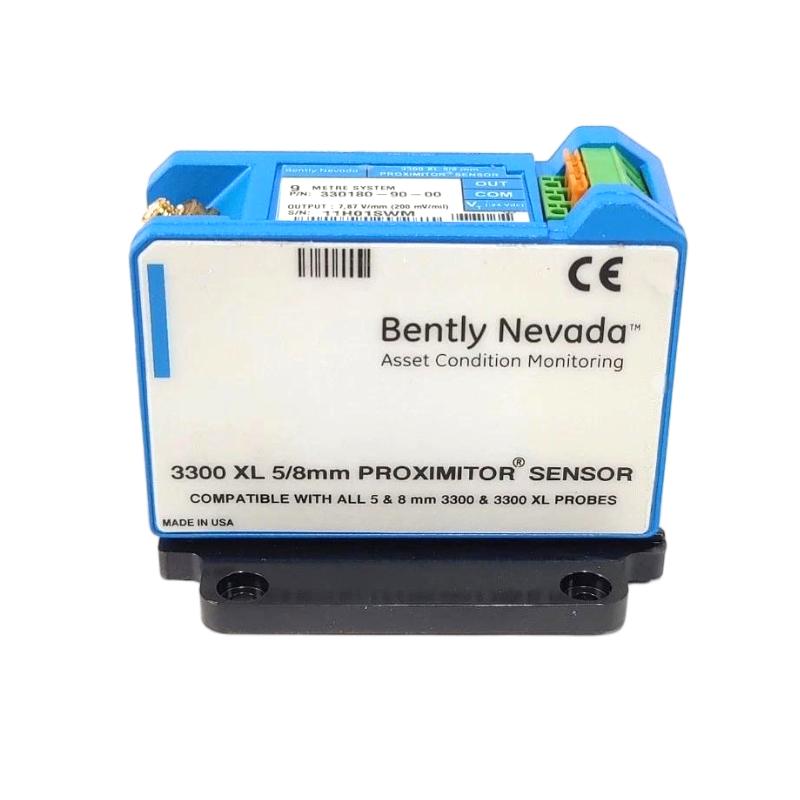
No. Probe, extension cable, and Proximitor sensor must be matched as a complete system.
Q8: What is the main installation requirement?
Proper alignment with the rotating shaft and correct air gap setting are essential.
Q9: What maintenance is recommended?
Routine inspection of cable condition, mounting integrity, and signal verification.
Q10: Why is NSv preferred in compact machinery?
Because it maintains measurement stability even in tight spaces with metallic interference.
 A DCS Q Co., Ltd. - PLC and DCS Industrial Control Equipment Wholesale