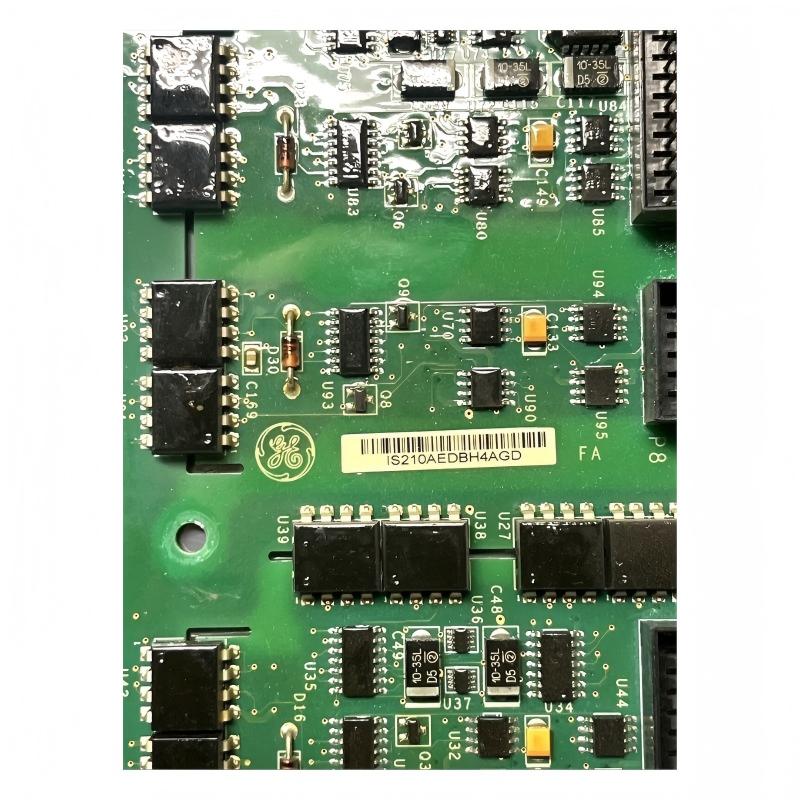
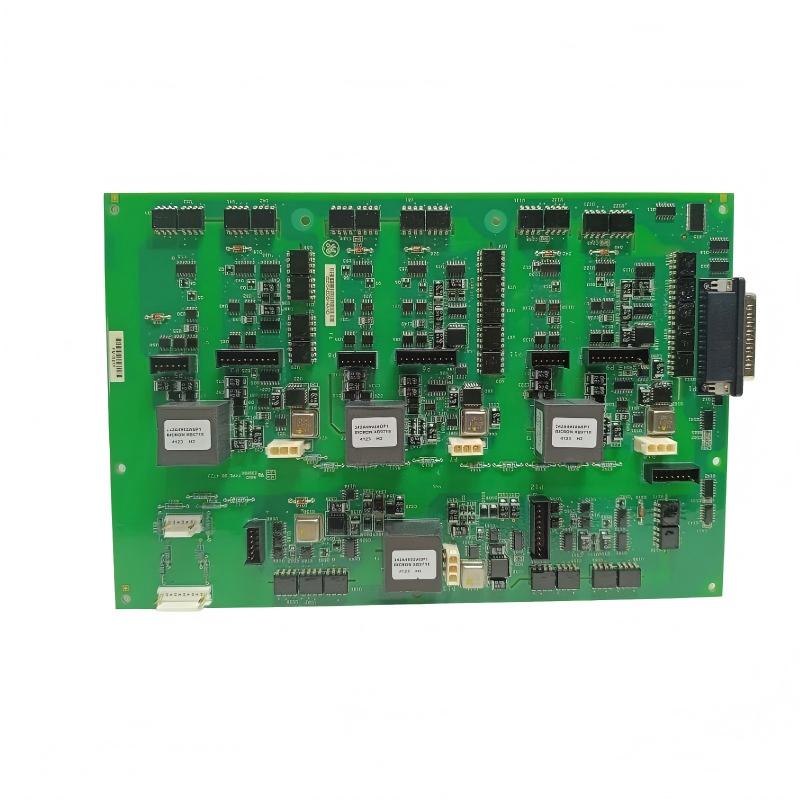
Product Introduction
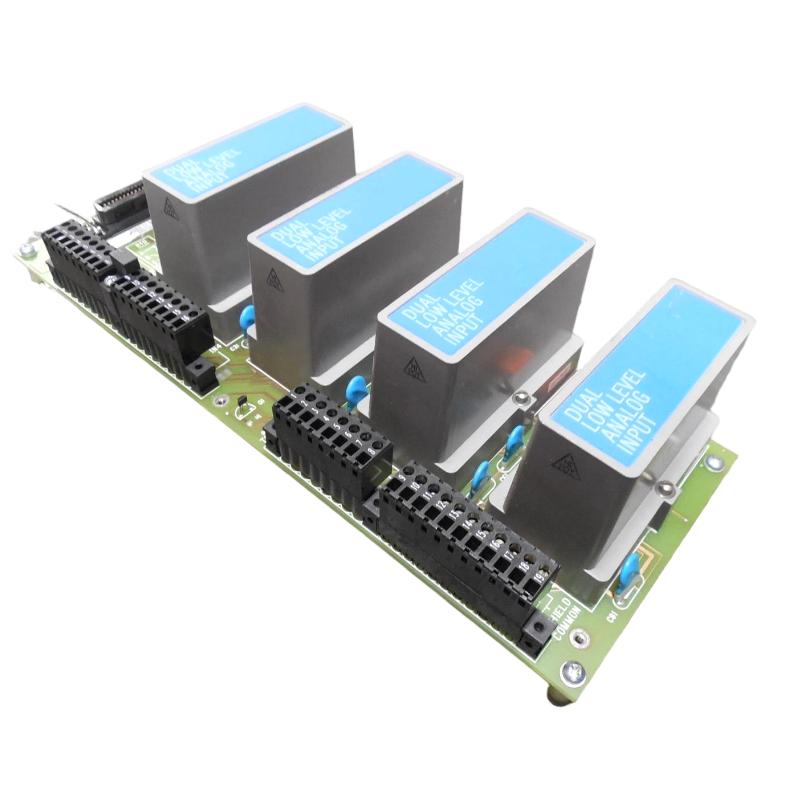
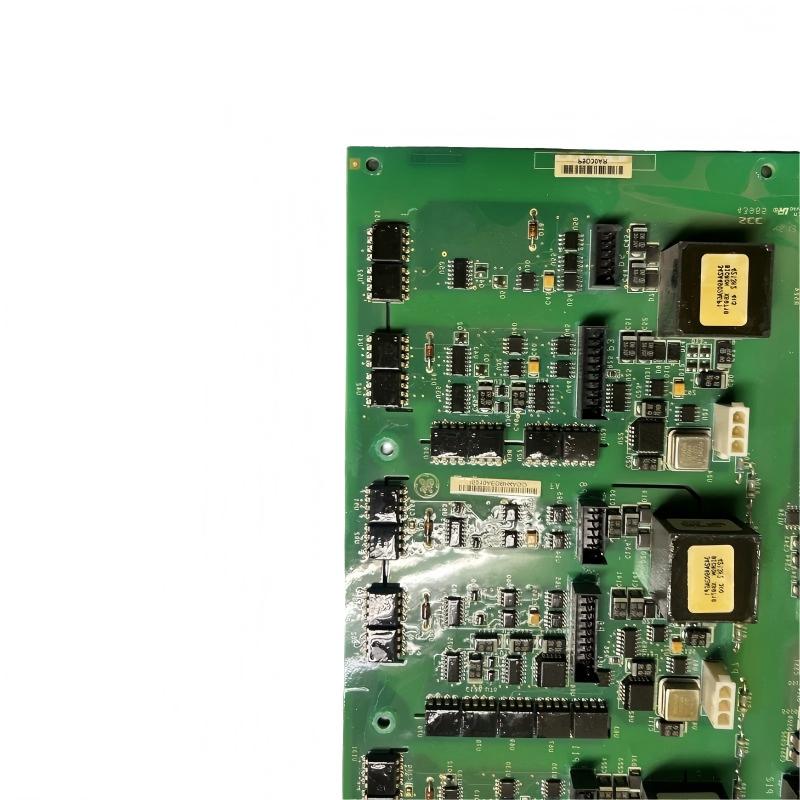
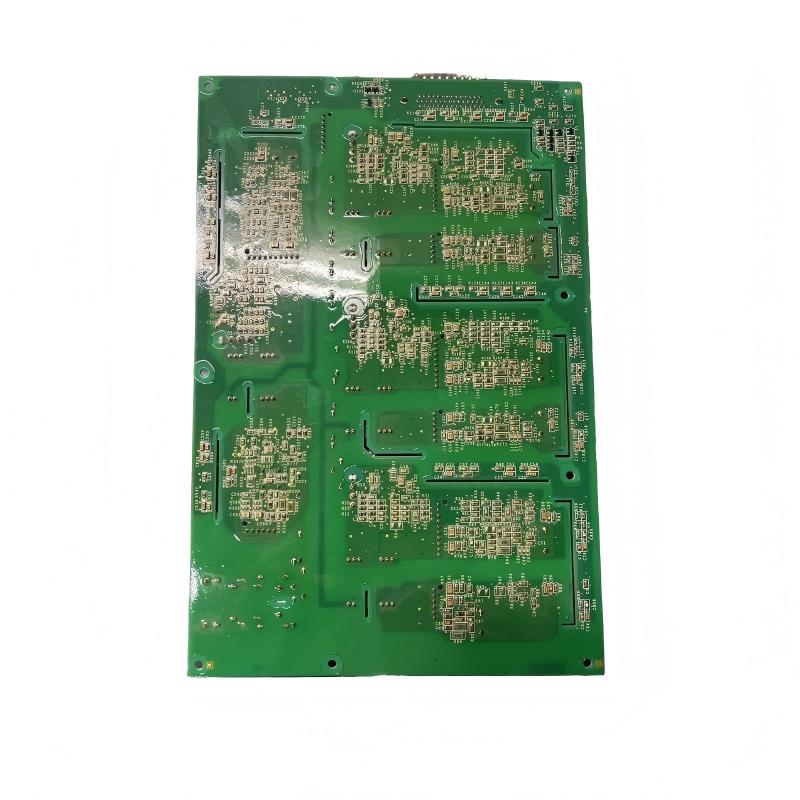
The GE IS210AEDBH4A AE Bridge Interface is a precision‑engineered module developed for integration into Mark VIe and related turbine control systems. Serving as a high‑performance analog‑to‑electronic (AE) bridge interface, this board enables accurate signal conditioning and communication between turbine field instruments and central controllers.
Designed for industrial environments, the IS210AEDBH4A supports robust data transmission from sensors and instruments into the main control architecture. It enhances system responsiveness by ensuring that critical analog inputs are reliably conditioned and interfaced with digital control logic. This module is ideal for power generation facilities, wind turbines, and large‑scale industrial automation systems where precise measurement and control integration are essential.
With industrial‑grade components and meticulous design, the AE Bridge Interface delivers dependable performance in conditions where uptime and signal integrity matter most.
Technical Specifications
| Parameter | Specification |
|---|
| Brand | GE (General Electric) |
| Model | IS210AEDBH4A |
| Module Type | AE Bridge Interface |
| Series | Mark VI / Mark VIe Turbine Control Systems |
| Board Category | Industrial Interface PCB |
| Function | Analog‑to‑Electronic Signal Bridge |
| Installation | Control Cabinet / Controller Rack |
| Operating Temperature | 0°C to 60°C |
| Storage Temperature | –40°C to 85°C |
| Relative Humidity | 5% – 95% Non‑condensing |
| Protective Coating | Industrial Conformal Coating |
| Cooling Method | Passive Airflow |
Application Scenarios
The IS210AEDBH4A AE Bridge Interface Module is engineered for control systems that demand accurate analog signal conditioning and consistent data delivery to digital controllers.
Typical applications include:
-
Turbine control cabinets in power generation facilities
-
Wind farm automation and monitoring systems
-
Industrial control panels requiring analog‑to‑digital conversion
-
Generator instrumentation and monitoring racks
-
Plant‑wide process control signal interfacing
-
Upgrades to Mark VIe / legacy turbine control systems
This interface plays a vital role in linking analog field devices—such as sensors and transducers—with the core control logic, ensuring accurate plant operation and data integrity.
Key Advantages
Accurate Signal Conditioning
Designed to convert and condition analog data for reliable use by turbine control processors.
Industrial‑Grade Reliability
Built with high‑quality components and protective coatings suited for continuous operation in industrial environments.
Seamless Controller Integration
Allows precise communication between field instruments and digital control modules in Mark VIe systems.
Enhanced System Stability
Consistent and stable signal interfacing improves overall control reliability and reduces noise interference.
Modular and Maintainable
The module’s form factor supports easy installation, inspection, and replacement within control racks.
Technical FAQs
1. What is the function of the IS210AEDBH4A module?
It serves as an AE bridge interface, conditioning analog signals and facilitating communication with digital control systems.
2. Which control platforms is this module compatible with?
It is designed for use in GE Mark VI and Mark VIe turbine control systems.
3. Where is the module installed?
Typically inside control cabinets or controller racks in power generation and automation installations.
4. What kinds of signals does it process?
It interfaces with analog inputs from field instruments and converts them into conditioned signals usable by controllers.
5. What environmental conditions can it operate in?
It functions reliably between 0°C and 60°C with non‑condensing humidity tolerance.
6. Does it require external cooling?
No, it utilizes passive airflow cooling within the control enclosure.
7. Is this module suitable for turbine system upgrades?
Yes, it supports upgrades to existing Mark VI/Mark VIe control systems requiring enhanced analog interfacing.
8. How does it improve system performance?
By ensuring accurate and consistent analog signal conditioning, it reduces noise and improves data fidelity.
9. Can the board be easily replaced?
Yes, its modular design supports straightforward maintenance and board swapping.
10. Why is this module important for control systems?
It ensures precise analog signal integration, which is essential for accurate control and monitoring in turbine systems.
 A DCS Q Co., Ltd. - PLC and DCS Industrial Control Equipment Wholesale