Product Overview (Introduction)
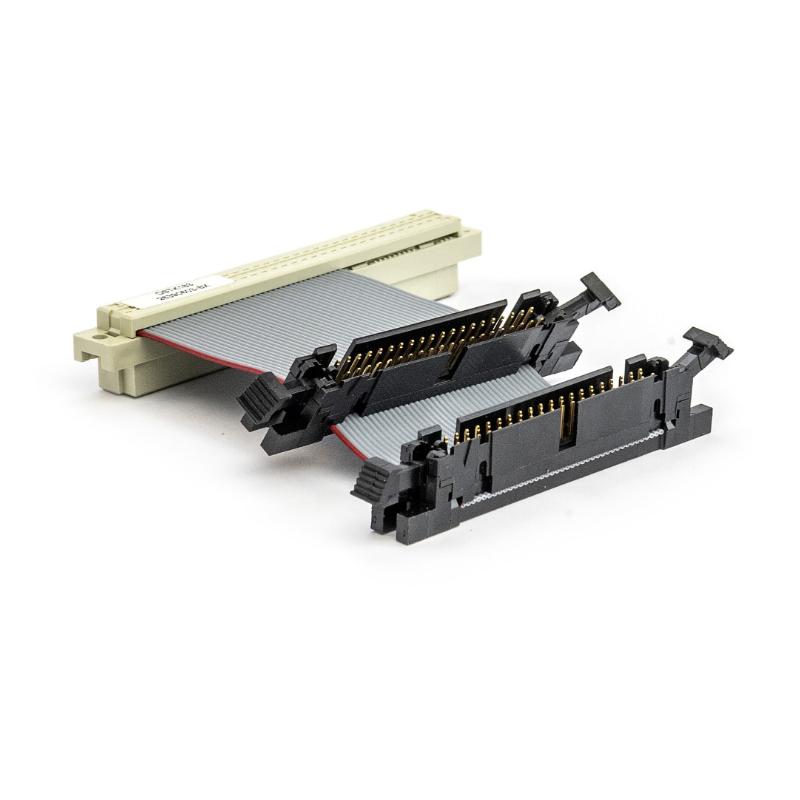
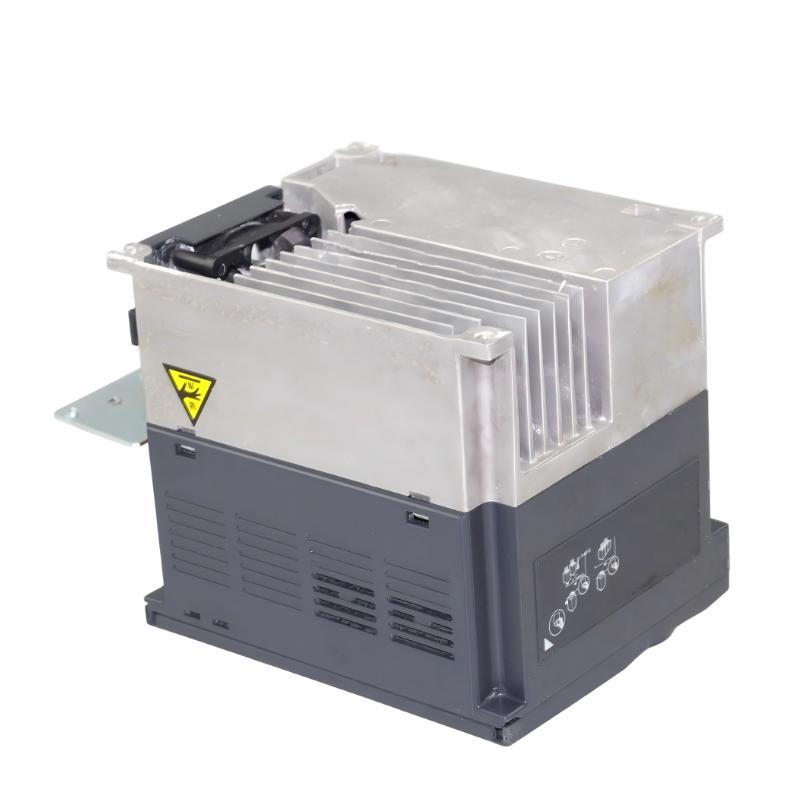
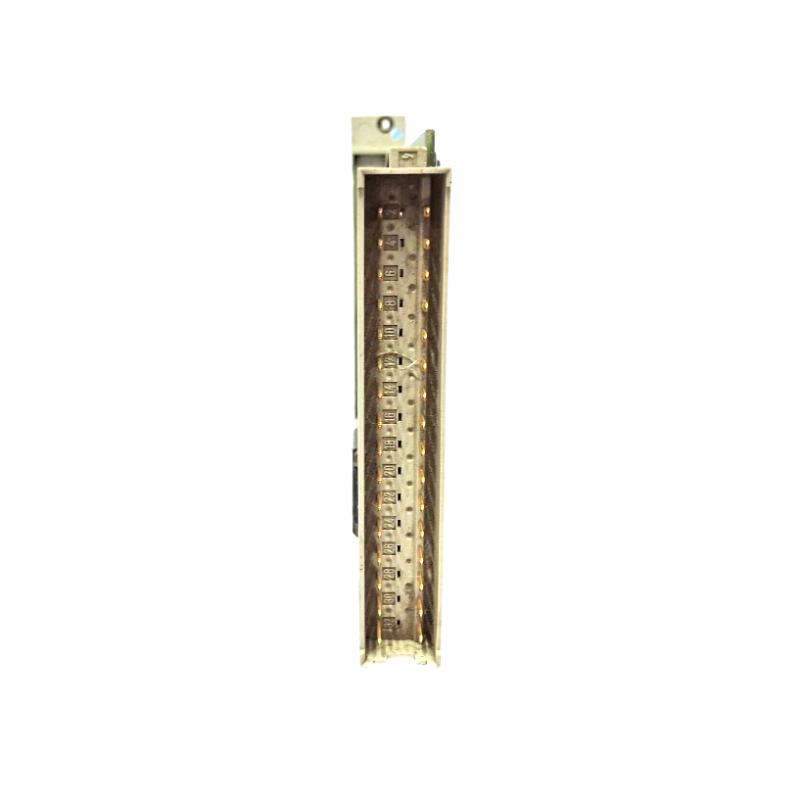
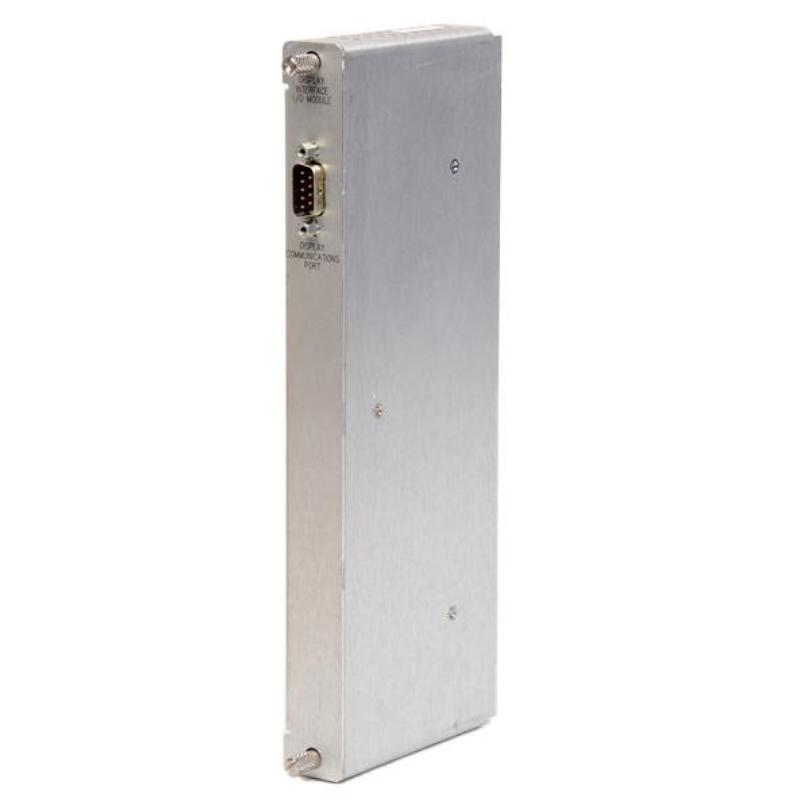
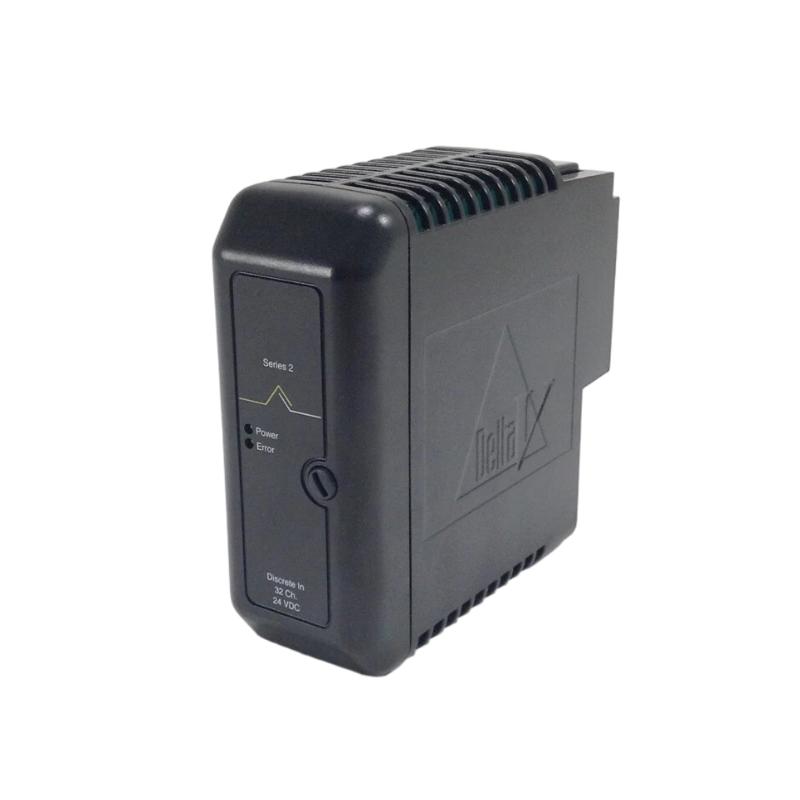
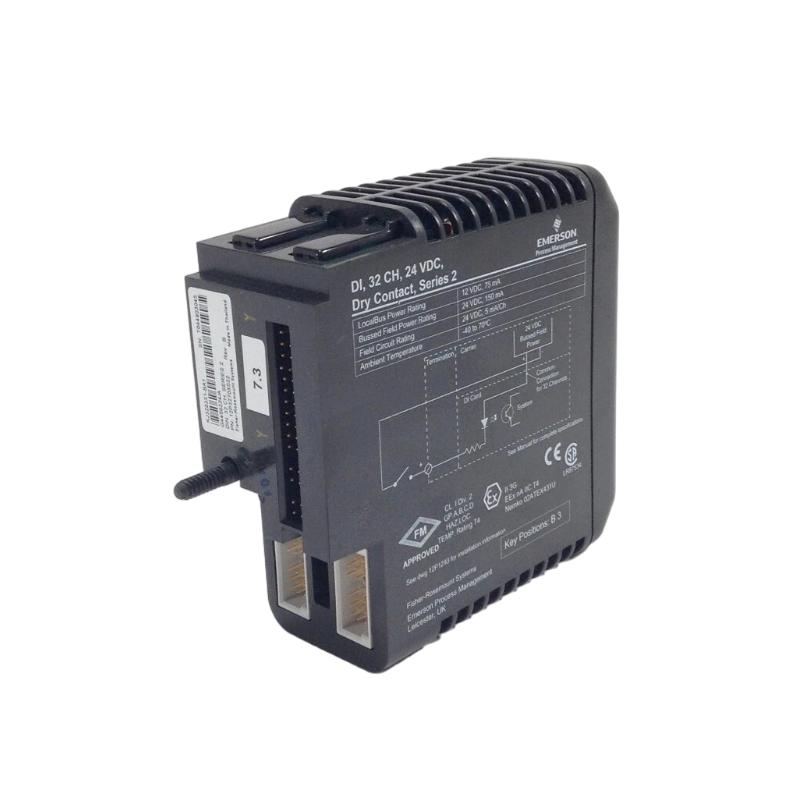
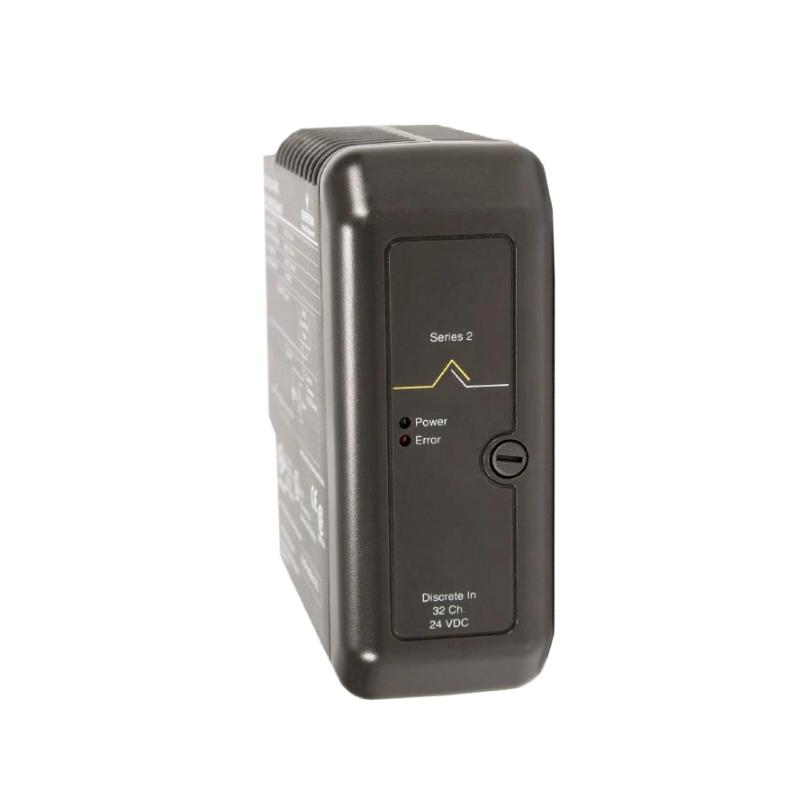
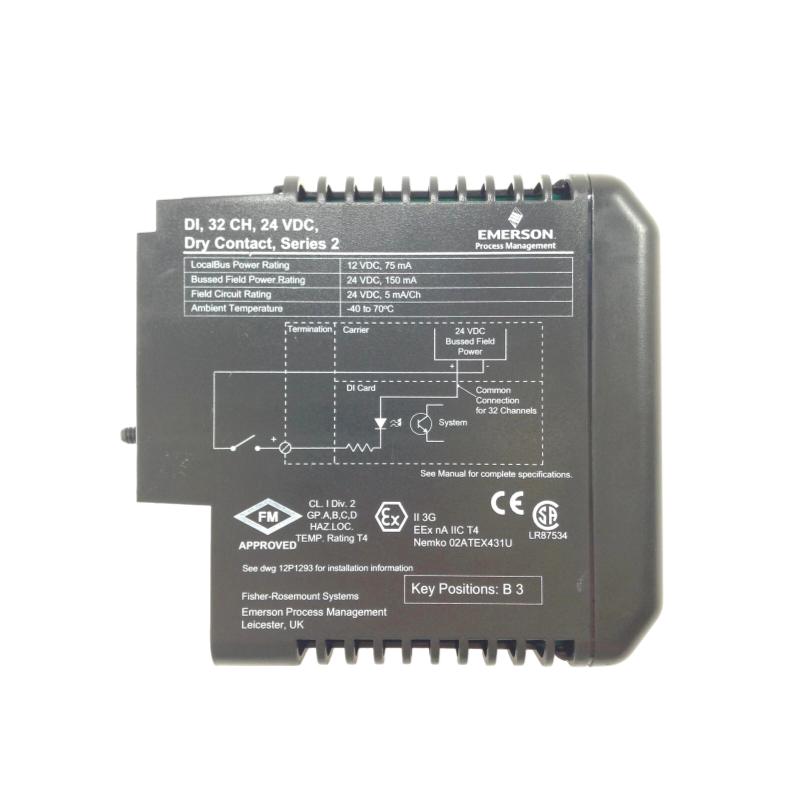
The Emerson KJ3203X1-BA1 VE4001S2T2B4 12P3270X022 Dry Contact Module is a critical component for DeltaV distributed control systems, providing reliable acquisition of dry contact signals from field devices. It enables accurate monitoring of discrete on/off conditions, supporting real-time process control, alarm management, and automated safety responses.
Its compact design allows installation in space-constrained control racks, and its robust industrial-grade performance ensures stable operation in challenging environments. By delivering reliable discrete signal monitoring, the module enhances system integrity, operational efficiency, and process safety.
Technical Specifications
| Specification | Details |
|---|
| Manufacturer | Emerson |
| Model Number | KJ3203X1-BA1 / VE4001S2T2B4 / 12P3270X022 |
| Module Type | Dry Contact Input Module |
| System Role | Discrete Signal Acquisition |
| System Compatibility | Emerson DeltaV Distributed Control Systems |
| Installation | Control Rack Mount |
| Signal Type | Dry Contact (On/Off) |
| Operating Temperature | 0°C to 60°C |
| Storage Temperature | -40°C to 85°C |
| Dimensions | 120 mm × 45 mm × 130 mm |
| Weight | 0.132 kg |
Applications in Process Control and Automation (Applications)
The Emerson KJ3203X1-BA1 VE4001S2T2B4 Dry Contact Module is designed to interface dry contact signals from field devices with the DeltaV distributed control system (DCS). It enables the monitoring and control of discrete on/off signals from switches, relays, alarms, and other binary devices, ensuring accurate system responses and reliable process automation.
Typical deployment scenarios include:
-
Oil and gas facilities monitoring safety interlocks and alarm contacts
-
Chemical processing plants tracking equipment status and emergency shutdown systems
-
Power generation plants monitoring relay outputs and binary control devices
-
Water and wastewater treatment plants supervising pump status, level switches, and flow contacts
-
Manufacturing systems integrating discrete inputs from machine sensors and control relays
-
Distributed DeltaV automation networks requiring precise and reliable discrete signal integration
By converting dry contact inputs into actionable signals for the DeltaV system, the module ensures reliable monitoring and automated process control.
Operational Advantages (Advantages)
Reliable Discrete Signal Monitoring
Accurately detects dry contact open/closed states from field devices for precise system responses.
Seamless DeltaV Integration
Compatible with Emerson DeltaV DCS for coordinated monitoring and control operations.
Compact and Lightweight Design
Allows installation in dense control racks without consuming significant space.
Fast and Accurate Response
Enables real-time monitoring of discrete inputs to support process automation and safety systems.
Industrial-Grade Performance
Maintains operation under electrical noise, vibration, and temperature variations common in industrial environments.
Technical FAQs (Technical FAQs)
-
What is the primary function of the KJ3203X1-BA1 Dry Contact Module?
It monitors and converts dry contact signals from field devices into actionable inputs for the DeltaV system.
-
Which devices can it interface with?
Switches, relays, alarm contacts, and other binary on/off field devices.
-
Is it compatible with DeltaV distributed control systems?
Yes, it is designed for seamless integration with Emerson DeltaV architectures.
-
Can it operate in harsh industrial environments?
Yes, it maintains reliable performance under electrical noise, vibration, and temperature fluctuations.
-
How is the module installed?
It mounts in a DeltaV control rack and connects to dry contact field devices.
-
Does it provide diagnostic monitoring?
Yes, it supports monitoring of channel status and connectivity.
-
Can it support safety or alarm systems?
Yes, it is suitable for monitoring emergency shutdown contacts and other safety devices.
-
How many discrete channels does it support?
It supports multiple discrete input channels depending on the system configuration.
-
Which industries commonly deploy this module?
Oil and gas, chemical processing, power generation, water treatment, and manufacturing.
-
What is the key benefit of using a dry contact module?
It ensures accurate, reliable monitoring and integration of discrete signals for process control and safety systems.
 A DCS Q Co., Ltd. - PLC and DCS Industrial Control Equipment Wholesale