Product Overview
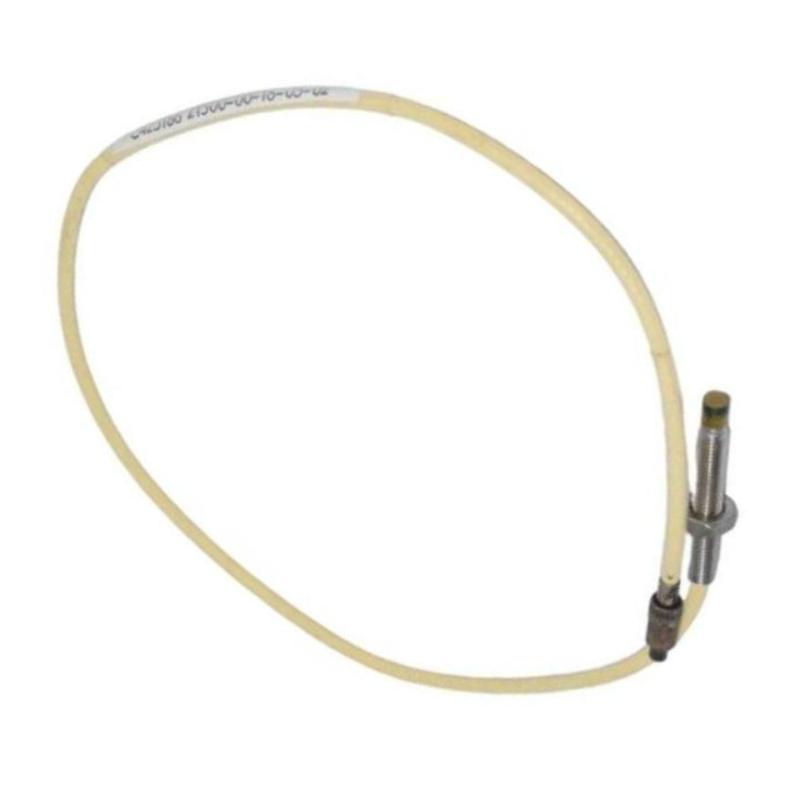
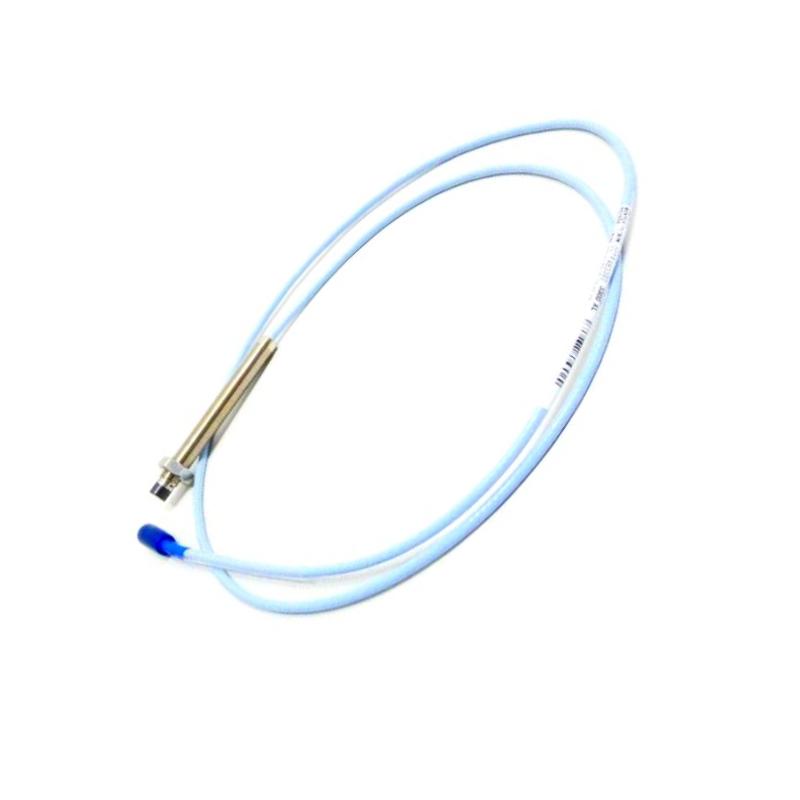
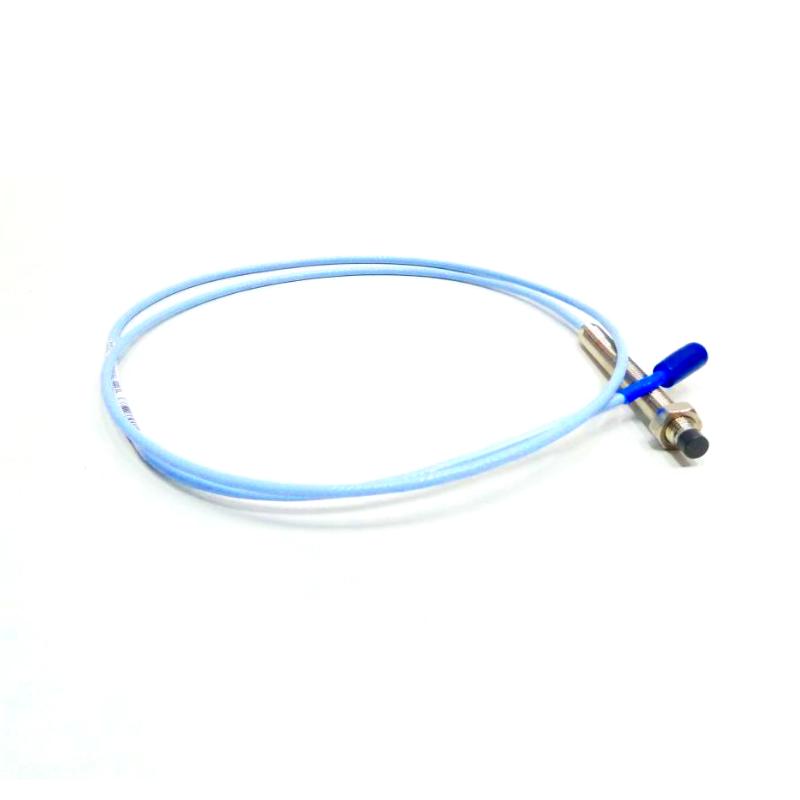
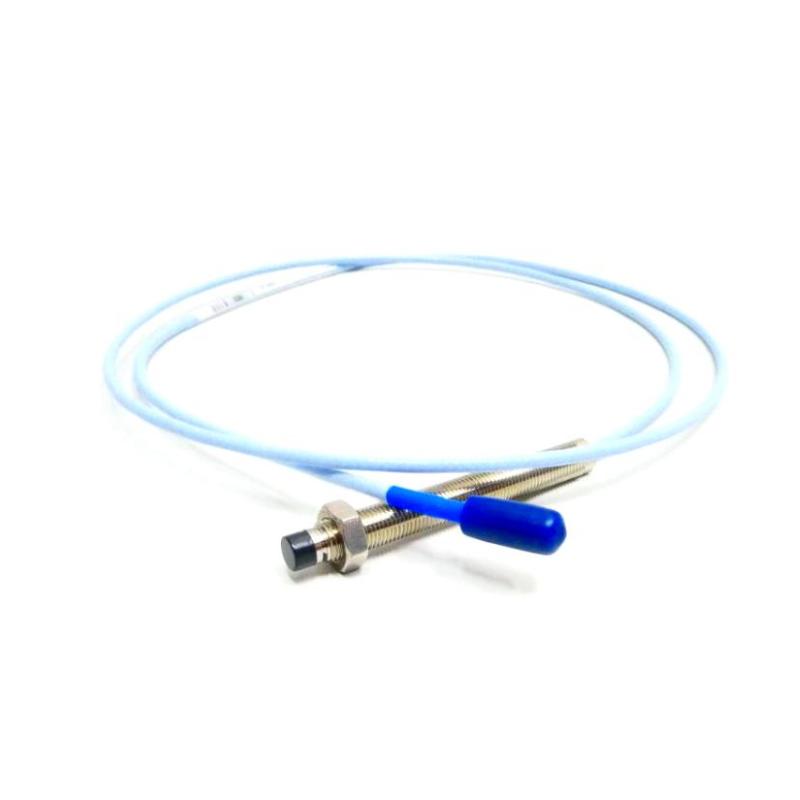
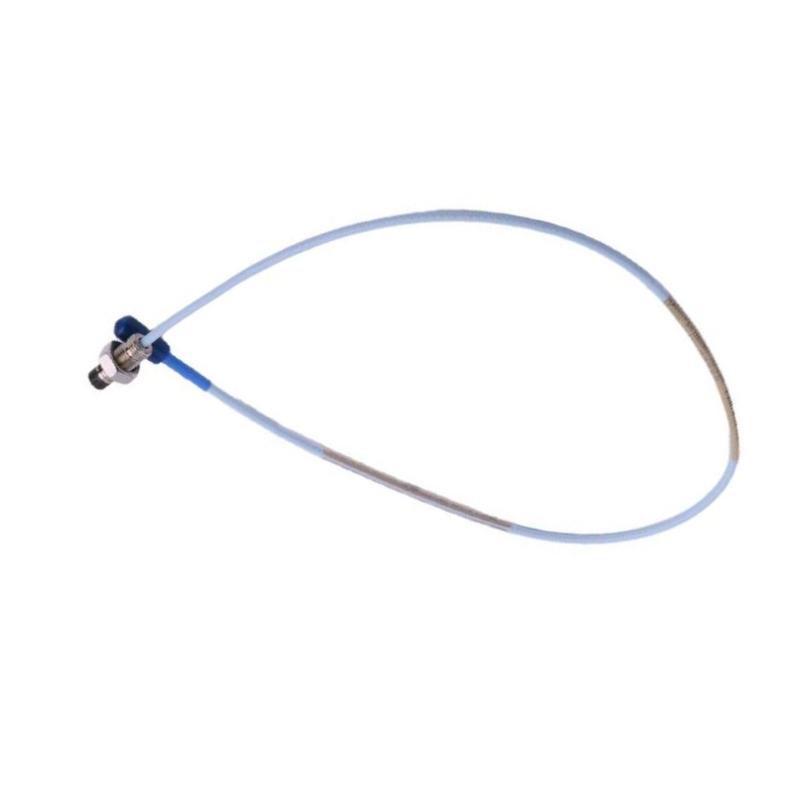
The Bently Nevada 330101‑00‑14‑15‑02‑05 3300 XL 8 mm Proximity Probe is a precision eddy‑current displacement sensor designed for advanced machinery monitoring and protection applications. Part of the industry‑trusted 3300 XL sensor family, this probe provides accurate, non‑contact measurement of radial shaft position and vibration — essential for predictive maintenance and early fault detection in critical rotating equipment.
With a rugged construction and high measurement fidelity, the 8 mm probe is ideal for monitoring shaft motion and vibration in turbines, compressors, motors, and generators across demanding industrial environments.
Technical Specifications
| Parameter | Specification |
|---|
| Product Type | Eddy‑Current Proximity Probe |
| Model Number | 330101‑00‑14‑15‑02‑05 |
| Series | 3300 XL 8 mm |
| Measurement Type | Non‑contact displacement / proximity |
| Linear Range | ~8 mm (315 mils) |
| Sensitivity | Nominal sensitivity suitable for 8 mm range |
| Frequency Response | Industrial grade, suitable for machinery vibration |
| Operating Temperature | ‑35 °C to +120 °C (continuous) |
| Intermittent Temp Capability | Up to ~250 °C |
| Cable | Rugged shielded coaxial cable |
| Standard Cable Length | Approx. 1.0 m (extendable) |
| Connector Type | Industrial 2‑pin connector |
| Mounting Thread | Standard threaded probe mount |
| Target Recommendation | Flat target ≥ 40 mm diameter |
| Housing | Stainless steel corrosion‑resistant body |
| Protection | Front and rear moisture seals |
Typical Industrial Applications
This 3300 XL 8 mm proximity probe is used for critical machinery condition monitoring across a wide variety of industries:
-
Radial shaft displacement and vibration detection on turbines, generators, and compressors
-
Machinery health assessment in power generation facilities
-
Online condition monitoring in petrochemical and refinery plants
-
Predictive maintenance systems in manufacturing and process automation
-
Structural vibration analysis near rotating equipment
-
Vibration‑based fault detection in industrial motors and pumps
By delivering precise displacement data, this probe helps engineers identify mechanical issues early — reducing unplanned downtime and extending equipment life.
Key Advantages
-
Non‑contact eddy‑current sensing: Eliminates wear and contact‑induced errors
-
Compact and rugged: Stainless steel housing withstands industrial stresses
-
Reliable 8 mm measurement range: Ideal for close‑gap monitoring
-
Wide temperature tolerance: Operates continuously from ‑35 °C to +120 °C
-
High measurement fidelity: Produces clear, stable output for analysis
-
Flexible installation: Cable length can be customized to application needs
-
Seamless integration: Compatible with 3300 XL monitoring and protection systems
Together, these benefits support dependable machinery monitoring and help optimize maintenance planning.
Technical FAQs
1. What does this probe measure?
It measures non‑contact radial shaft displacement and vibration using eddy‑current sensing.
2. What is the effective measurement range?
Approximately 8 mm, suitable for small gap or close‑range measurement.
3. What temperature environments can it withstand?
Continuous operation from ‑35 °C to +120 °C, with intermittent tolerance up to ~250 °C.
4. How is mounting performed?
It mounts via standard threaded housings or brackets near the measurement target.
5. What type of cable does it use?
Shielded coaxial cable with industrial 2‑pin connector.
6. What connector is included?
A robust 2‑pin industrial connector for secure, reliable connection.
7. What target size is recommended?
Targets with a diameter of ≥ 40 mm provide consistent measurement.
8. Is this suitable for harsh industrial environments?
Yes — sealed construction and rugged housing provide environmental protection.
9. Does it require calibration?
Periodic calibration is recommended for ensuring measurement accuracy.
10. How does it integrate with monitoring systems?
It pairs with 3300 XL monitoring hardware and data acquisition modules for vibration and displacement analysis.
 A DCS Q Co., Ltd. - PLC and DCS Industrial Control Equipment Wholesale