Introduction
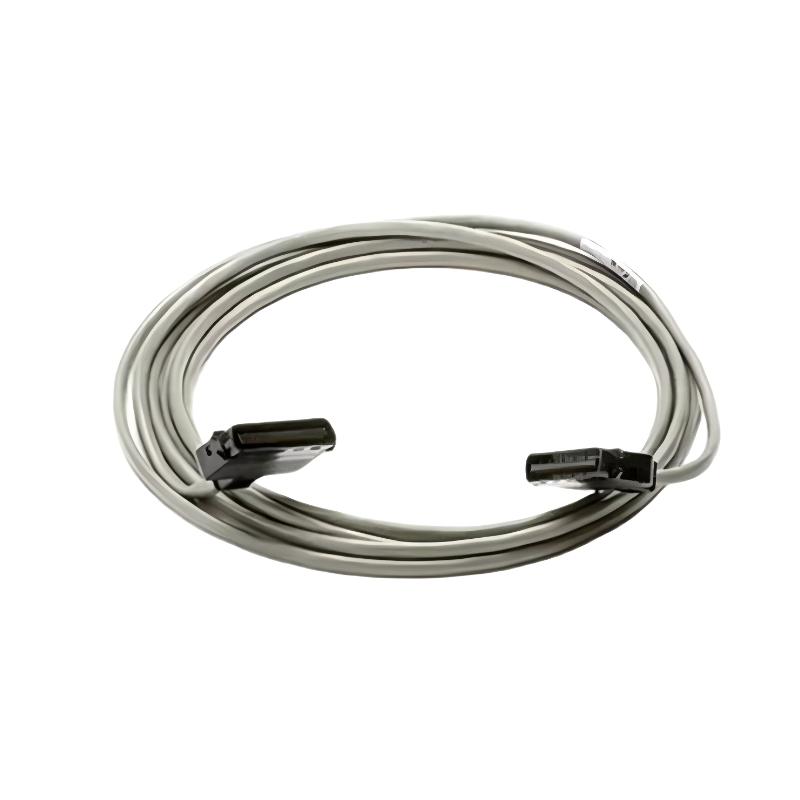
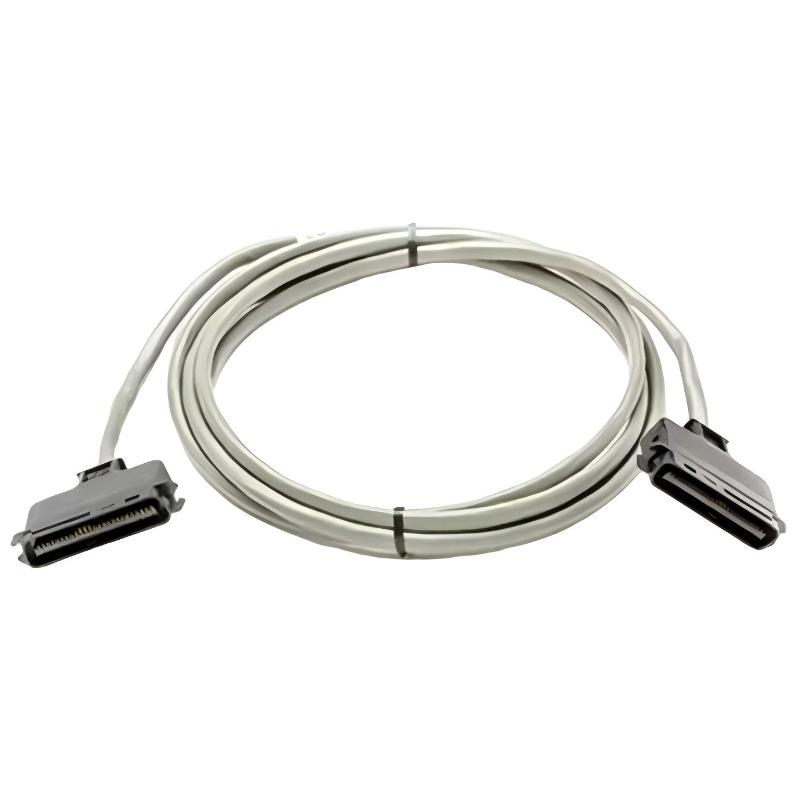
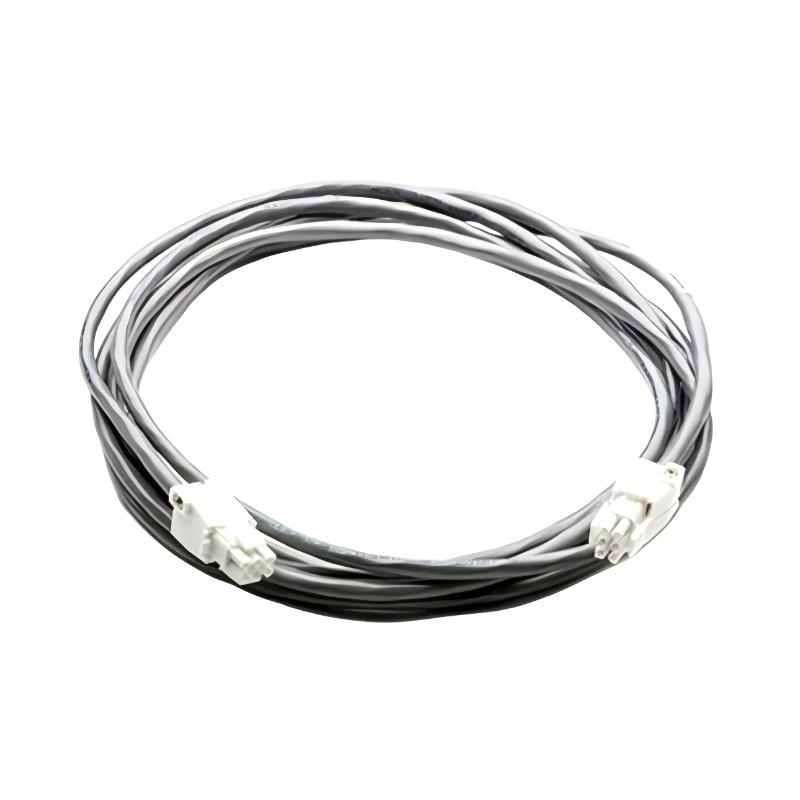
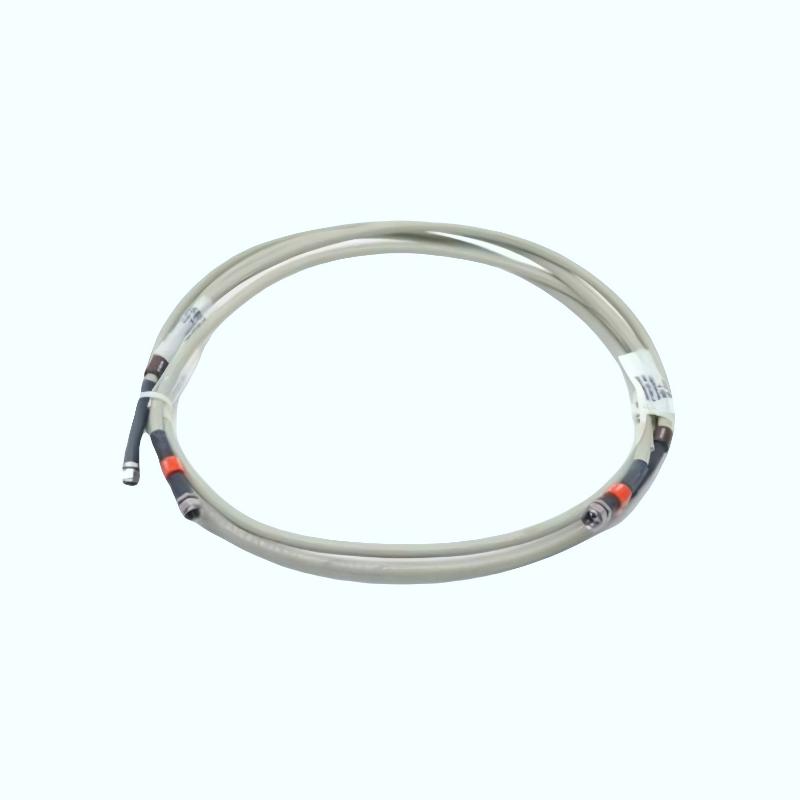
The Honeywell FS-SICC-1011 RUSIO SIC Cable Module is a specialized interface cable designed to connect RUSIO safety I/O components to systems using a female Sub-D interface. Rather than acting as a generic signal cable, it serves a defined role within Honeywell safety architectures where signal integrity, compatibility, and system conformity are critical.
From a technical integration standpoint, the FS-SICC-1011 is typically used in projects that prioritize standardized wiring practices and validated system layouts. Its availability in optional lengths allows engineers to maintain clean cabinet routing while adhering to approved connection schemes.
Technical Specifications
| Parameter | Description |
|---|
| Manufacturer | Honeywell |
| Model | FS-SICC-1011 |
| Module Type | RUSIO SIC Cable Module |
| Connection Type | SIC cable to female Sub-D |
| Primary Function | Signal interface between RUSIO and SIC systems |
| Cable Assembly | Factory-assembled industrial cable |
| Cable Length | Optional (project-specific) |
| Installation Environment | Industrial control cabinets |
| Weight | Approx. 3 kg |
Technical FAQs
1. What is the primary purpose of the FS-SICC-1011 cable?
It connects RUSIO safety I/O components to systems using a SIC interface with a female Sub-D connector.
2. Is this cable intended for general-purpose signal wiring?
No, it is designed for specific Honeywell safety system configurations.
3. Can the cable length be customized?
Yes, it is available in optional lengths to suit different cabinet layouts.
4. Is the cable supplied ready for installation?
Yes, it is factory-assembled and does not require on-site termination.
5. Does it support safety-related applications?
Yes, it is commonly used in safety and critical control systems.
6. How does it help reduce installation errors?
Predefined connectors and wiring eliminate ambiguity during installation.
7. Can it be reused in system upgrades?
It can be reused if the interface requirements remain unchanged.
8. Where is the cable typically installed?
Inside protected industrial control cabinets or enclosures.
9. Does it simplify commissioning?
Yes, standardized cabling reduces verification and testing time.
10. Why use a dedicated Honeywell interface cable instead of a generic one?
It ensures compatibility, maintains system integrity, and supports safety validation requirements.
 A DCS Q Co., Ltd. - PLC and DCS Industrial Control Equipment Wholesale