Introduction
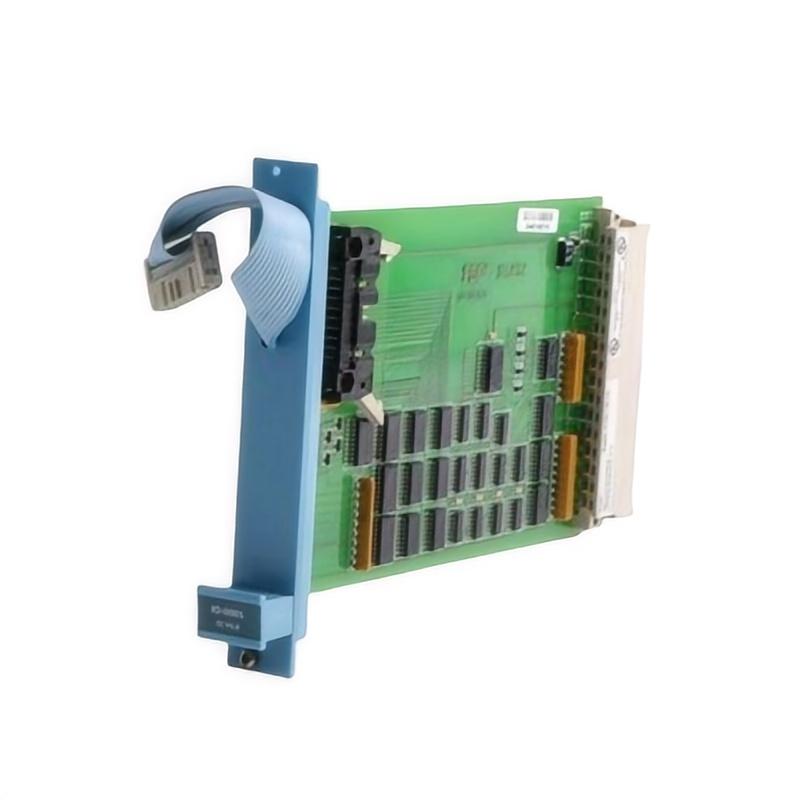
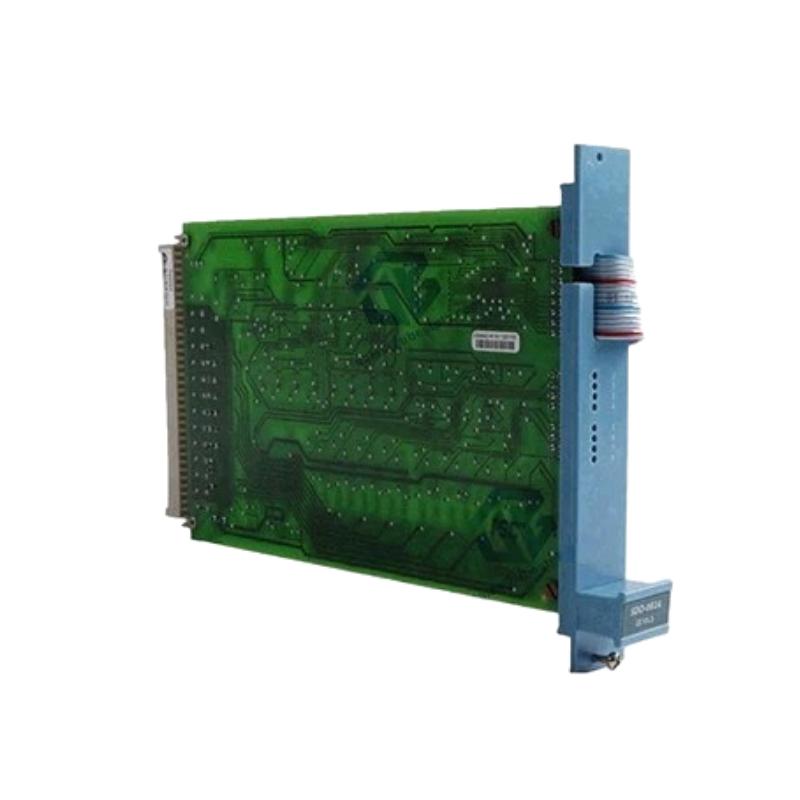
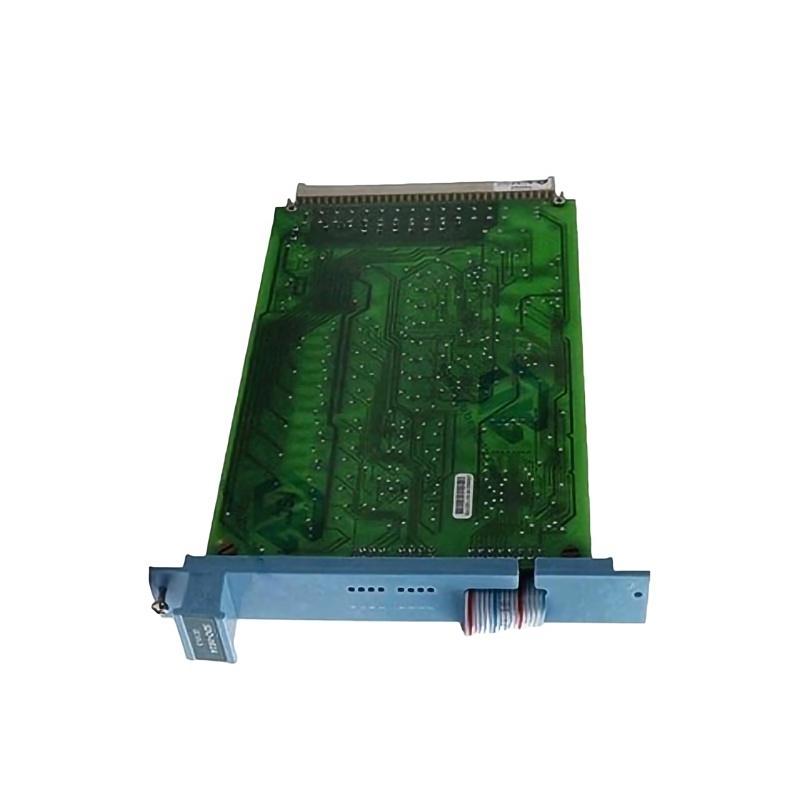
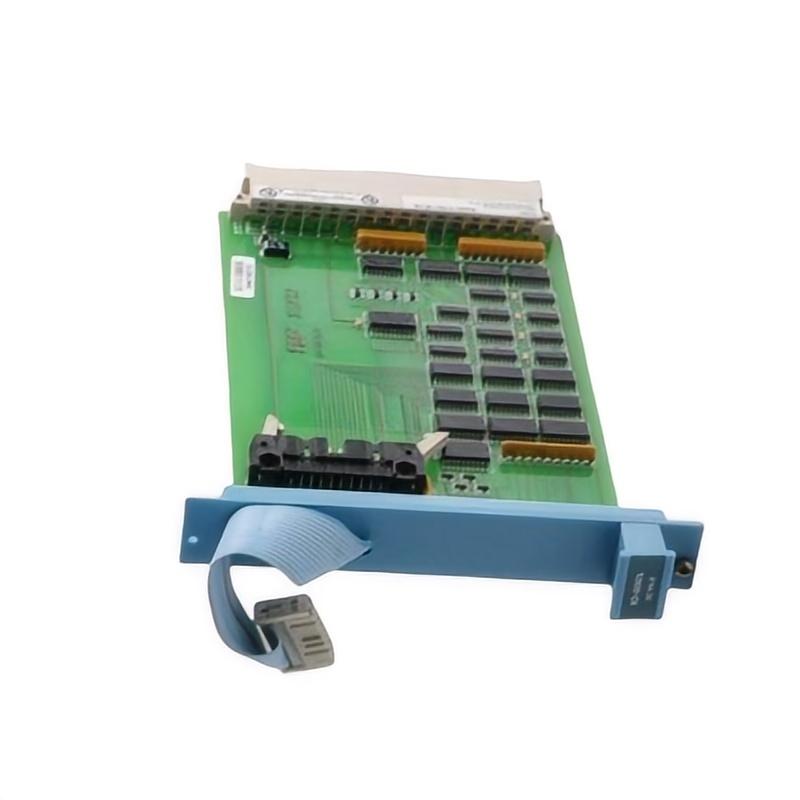
The Honeywell FS-RO-1024 Relay Output Module is a dedicated output interface designed for safety and control systems where reliable signal isolation and deterministic switching are essential. Positioned as a field-facing component, this module provides a robust bridge between the control logic layer and external devices such as actuators, alarms, and interposing relays.
From an engineering assessment perspective, the FS-RO-1024 emphasizes predictable behavior and electrical separation rather than high-speed switching. It is typically selected in systems where output integrity, diagnostic clarity, and long service life outweigh raw switching density.
Technical Specifications
| Parameter | Description |
|---|
| Manufacturer | Honeywell |
| Model | FS-RO-1024 |
| Module Type | Relay Output Module |
| Output Type | Electromechanical relay outputs |
| Channel Configuration | Multi-channel output design |
| Isolation | Electrical isolation between logic and field |
| Intended Use | Safety and control system outputs |
| Mounting | System rack or designated base |
| Dimensions | 150 × 35 × 110 mm (H x W x D) |
| Weight | Approx. 0.8 kg |
Technical FAQs
1. What is the main function of the FS-RO-1024 module?
It converts control signals into isolated relay outputs for driving external field devices.
2. Is this module intended for safety-related applications?
Yes, it is commonly used in safety and critical control systems.
3. What types of loads can it control?
It is suitable for controlling relays, solenoids, indicators, and similar devices.
4. Does it provide electrical isolation?
Yes, relay-based outputs inherently isolate control logic from field circuits.
5. Is the module suitable for high-speed switching?
It is optimized for reliability rather than high-frequency switching.
6. How does it support system diagnostics?
Its deterministic output behavior makes fault identification straightforward.
7. Can it be used alongside non-safety I/O modules?
It is typically deployed within compatible Honeywell system architectures.
8. Does it simplify commissioning?
Yes, relay outputs are easy to test and verify during system startup.
9. Is the module suitable for harsh industrial environments?
It is designed for long-term operation in standard industrial conditions.
10. Why choose relay outputs instead of solid-state outputs?
Relay outputs offer robust isolation and broad load compatibility, which is often preferred in safety systems.
 A DCS Q Co., Ltd. - PLC and DCS Industrial Control Equipment Wholesale