
Introduction
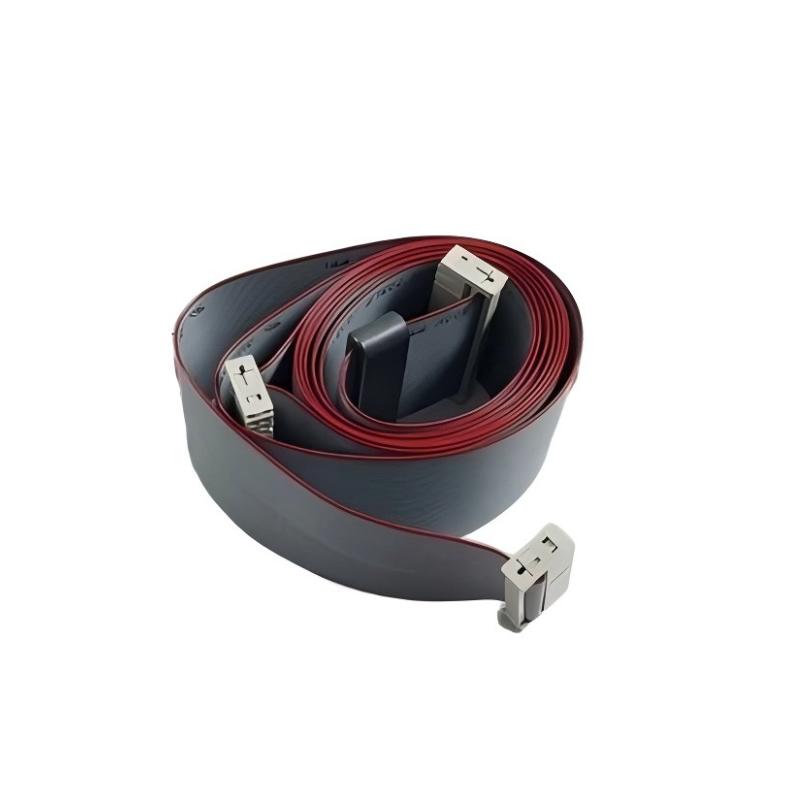
The Honeywell FS-IOBUS-CPIO4 I/O Bus Controller is engineered to regulate and coordinate communication between I/O modules within Honeywell safety and control system architectures. It ensures deterministic and reliable data transfer across the I/O bus, maintaining system integrity in safety-critical environments.
From an operational engineering perspective, the FS-IOBUS-CPIO4 functions as a control-layer infrastructure device. Its primary value is in maintaining organized, predictable communication among multiple I/O modules, which is essential in large-scale or safety-sensitive installations where signal consistency and fault prevention are critical.
Technical Specifications
| Parameter | Description |
|---|
| Module Type | I/O Bus Controller |
| System Role | Coordination of internal I/O bus communications |
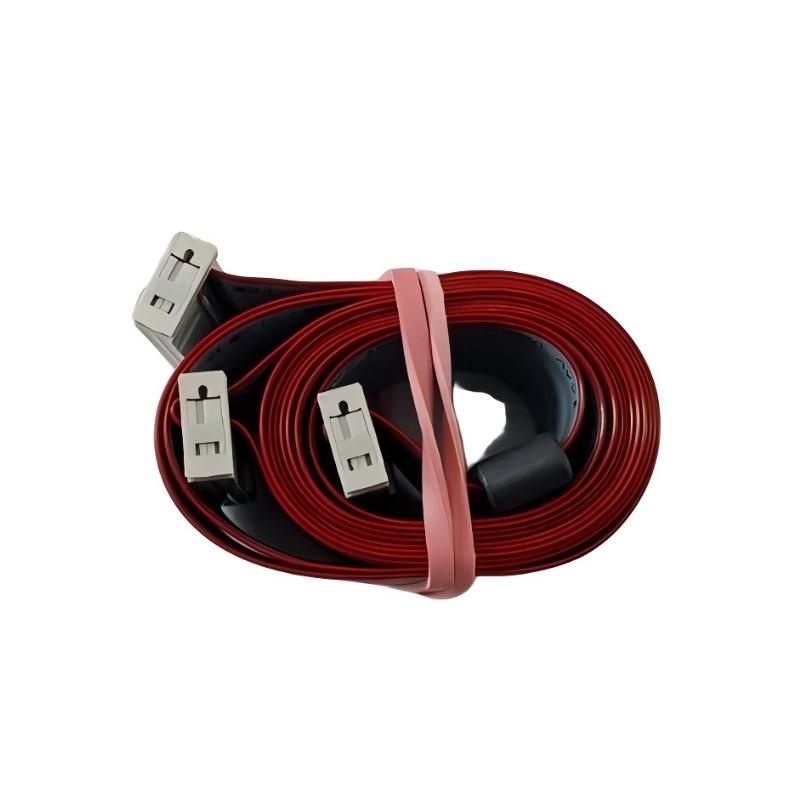
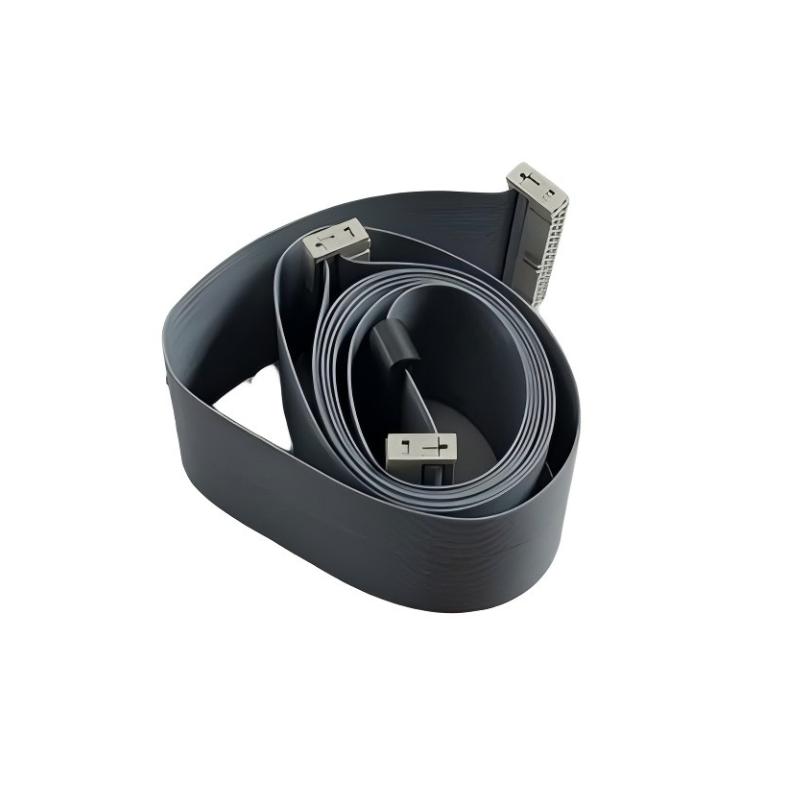
| Connector Type | 34 pole latch (female) |
| Interface Function | Managed I/O bus connectivity and signal distribution |
| Mechanical Design | Fixed controller module for cabinet installation |
| Dimensions | Connectors: 34 pole latch (female) |
| Weight | 0.31 kg |
Technical FAQs
1. What is the primary function of the FS-IOBUS-CPIO4?
It controls and coordinates communication across the internal I/O bus in Honeywell safety systems.
2. Does this module process field I/O signals?
No. It manages the bus connectivity and communication rather than processing individual signals.
3. How does it differ from a passive bus connector?
Unlike a passive connector, the CP-IO4 actively regulates bus communication to maintain orderly data flow.
4. Is this module required in all Honeywell I/O architectures?
It is used in systems where controlled bus coordination is necessary for predictable operation.
5. Does it require programming or configuration?
Minimal configuration may be needed depending on the system design, but it is largely plug-and-play.
6. Can it improve system stability?
Yes. By managing bus interactions, it reduces the chance of data conflicts and communication errors.
7. Is it suitable for cabinet installation only?
Yes. The module is designed for secure installation within control and safety cabinets.
8. Does it support expansion of the I/O system?
Yes. It maintains consistent communication as additional I/O modules are added.
9. How does it affect commissioning?
It simplifies commissioning by ensuring predictable bus communication, reducing troubleshooting time.
10. Who typically specifies the FS-IOBUS-CPIO4?
System architects or safety engineers usually select this module during the I/O bus design phase.
 A DCS Q Co., Ltd. - PLC and DCS Industrial Control Equipment Wholesale