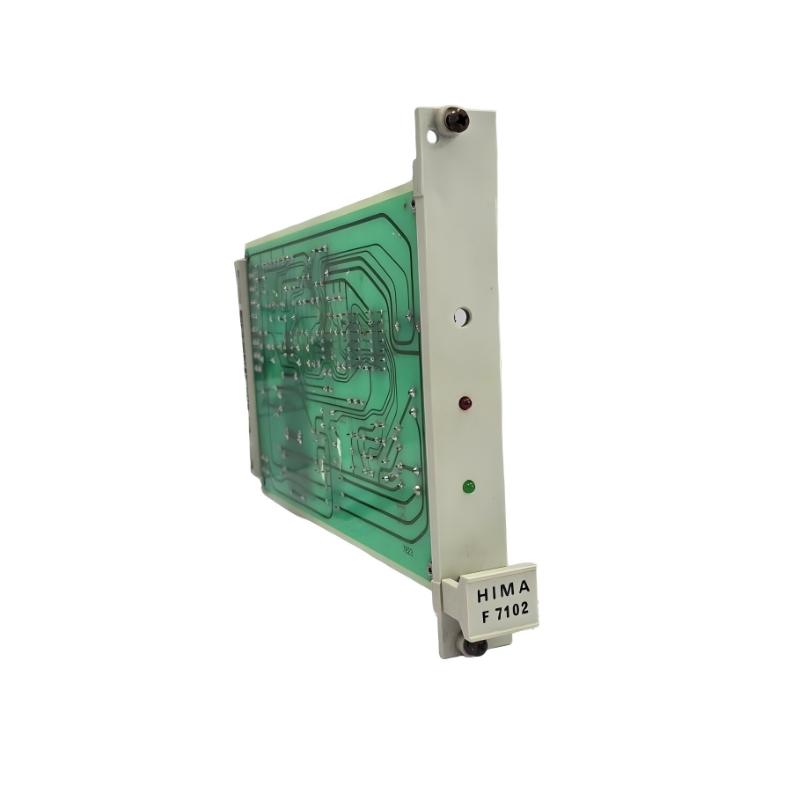
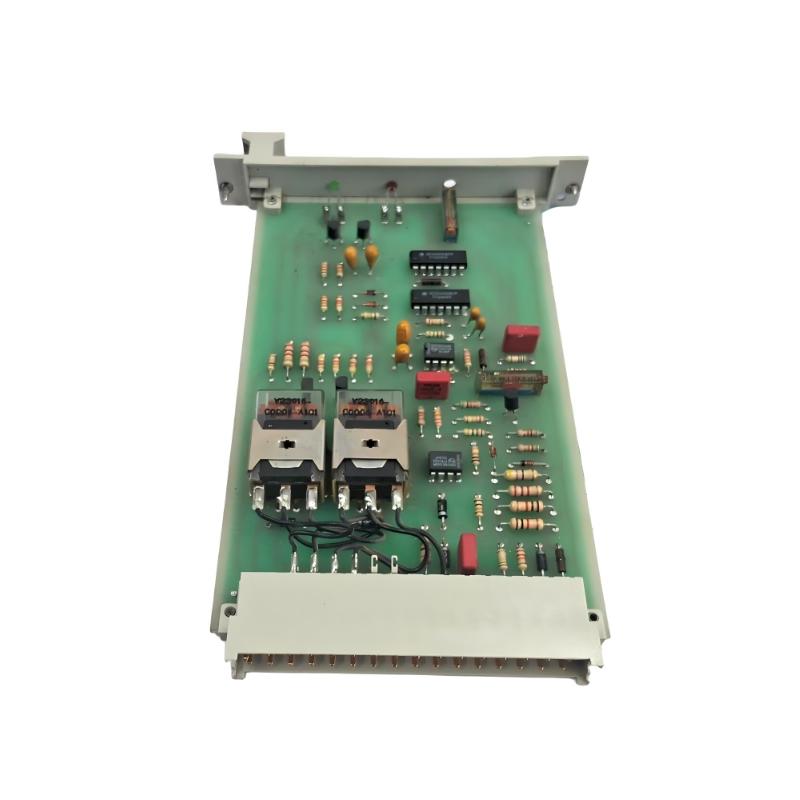
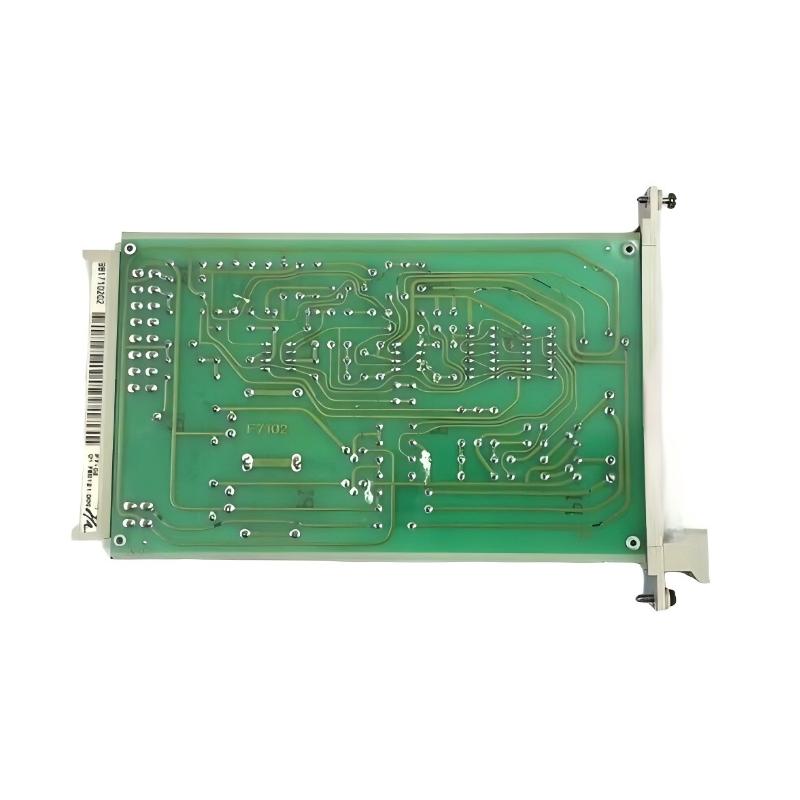
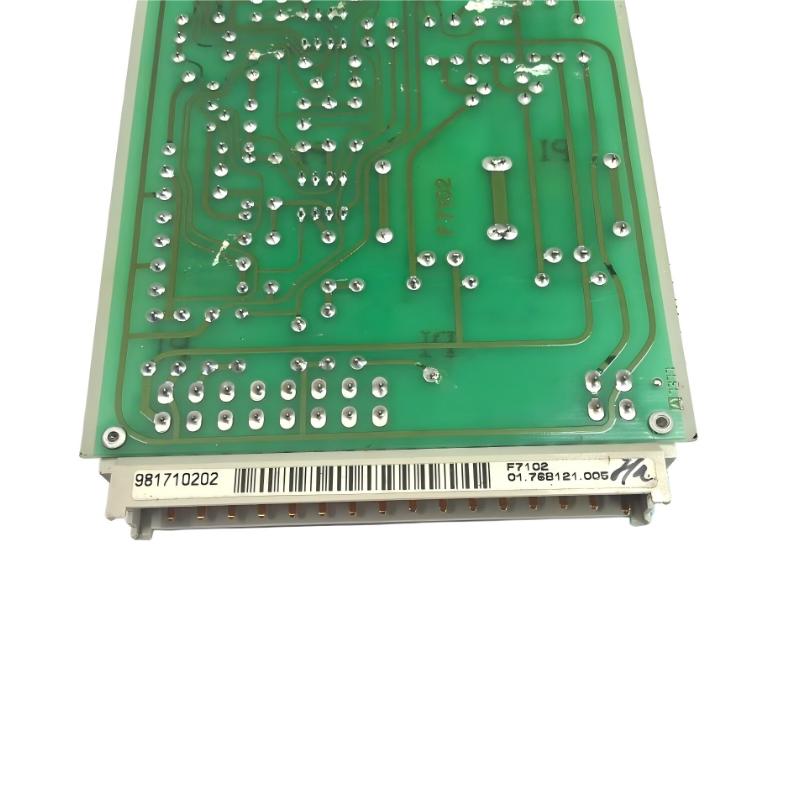
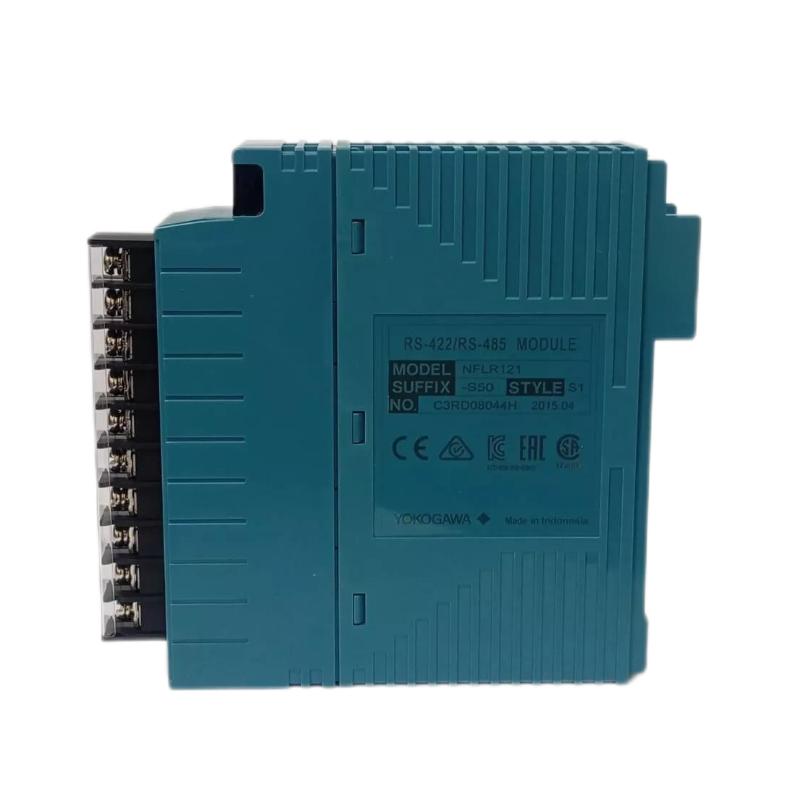
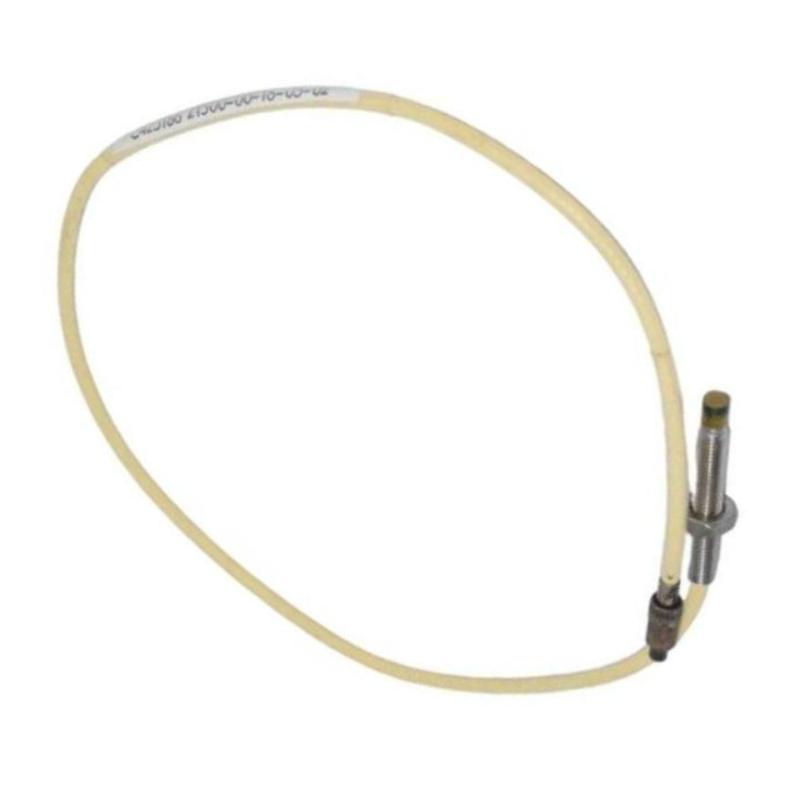
Electrical Isolation Supervision in Safety Systems
The HIMA F7102 981710202 Insulation Monitoring Module is designed to supervise insulation conditions in electrical circuits within industrial safety automation environments. In safety instrumented systems and control infrastructures, monitoring insulation integrity is essential for preventing electrical faults that could compromise system reliability or operational safety.
This module continuously monitors insulation resistance levels within connected circuits and detects abnormal conditions such as leakage currents or insulation degradation. By identifying these issues early, the control system can initiate alarms or protective actions to prevent equipment damage or hazardous situations.
Typical industrial applications include:
-
Electrical insulation monitoring in safety automation systems
-
Power distribution supervision in industrial control cabinets
-
Protection of safety instrumented system circuits
-
Electrical fault detection in automation infrastructures
-
Industrial equipment protection systems
-
Monitoring of control circuit insulation in hazardous environments
By providing real-time insulation monitoring, the module helps ensure that electrical systems operate within safe limits.
Functional Advantages
Continuous Insulation Monitoring
Provides ongoing supervision of insulation resistance in electrical circuits.
Early Fault Detection
Identifies insulation degradation and leakage currents before they lead to system failures.
Integration with HIMA Safety Platforms
Designed for compatibility with HIMA safety automation system architectures.
Improved Electrical System Protection
Helps prevent short circuits, electrical faults, and potential safety hazards.
Industrial Reliability
Engineered for long-term operation in industrial control and safety environments.
Technical FAQs
1. What is the main function of the F7102 module?
It continuously monitors insulation resistance in electrical circuits.
2. Why is insulation monitoring important in industrial systems?
It helps detect electrical leakage or insulation failure that could cause faults or hazards.
3. Which systems typically integrate this module?
HIMA safety automation and safety instrumented systems.
4. What types of faults can the module detect?
Insulation degradation, leakage currents, and abnormal electrical isolation conditions.
5. Where is the module typically installed?
Inside industrial control cabinets or safety automation system racks.
6. How does the module contribute to system safety?
It allows early detection of electrical issues so corrective actions can be taken quickly.
7. What industries commonly require insulation monitoring?
Oil and gas processing, chemical production, power generation, and industrial manufacturing.
8. Can the module operate continuously in automation systems?
Yes, it is designed for continuous monitoring in industrial environments.
9. How does early fault detection improve system reliability?
It helps prevent unexpected equipment failure and operational downtime.
10. What systems benefit most from insulation monitoring modules?
Systems that rely on stable electrical circuits for safety and automation control.
 A DCS Q Co., Ltd. - PLC and DCS Industrial Control Equipment Wholesale