Introduction
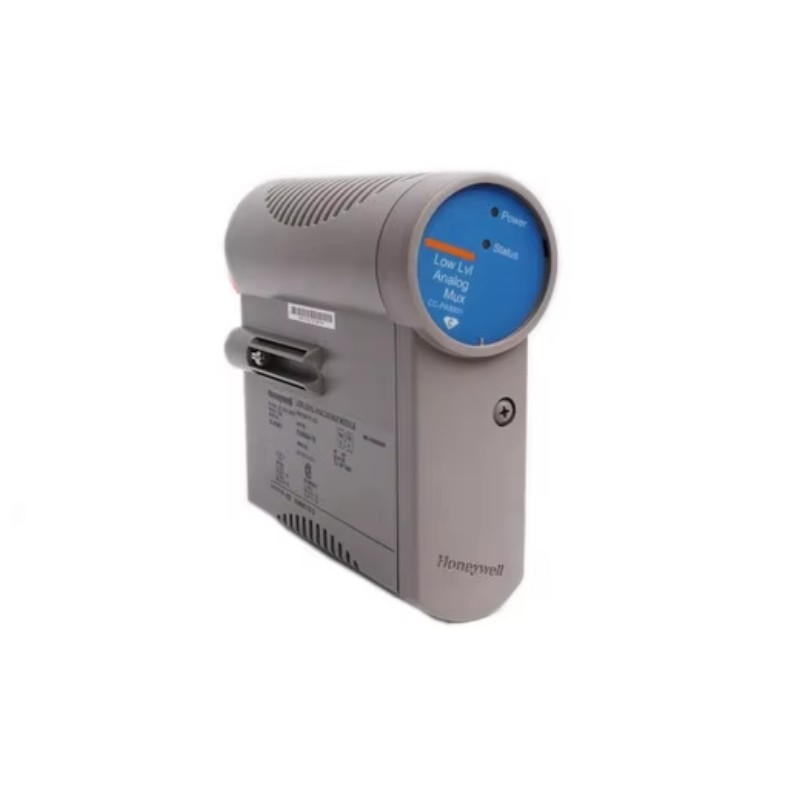
The Honeywell FS-IOBUS-CPIO3 I/O Bus Controller is designed to manage and stabilize internal I/O bus communication within Honeywell safety and control system architectures. Acting as a coordination point rather than a signal processor, it ensures that connected I/O modules exchange data in a controlled, deterministic manner.
From an engineer’s system-review standpoint, the FS-IOBUS-CPIO3 is best understood as a control-layer infrastructure component. Its importance lies in maintaining orderly communication across I/O assemblies, especially in safety-oriented designs where predictable data flow and connection discipline are fundamental to overall system integrity.
Technical Specifications
| Parameter | Description |
|---|
| Module Type | I/O Bus Controller |
| System Role | Coordination and control of internal I/O bus communication |
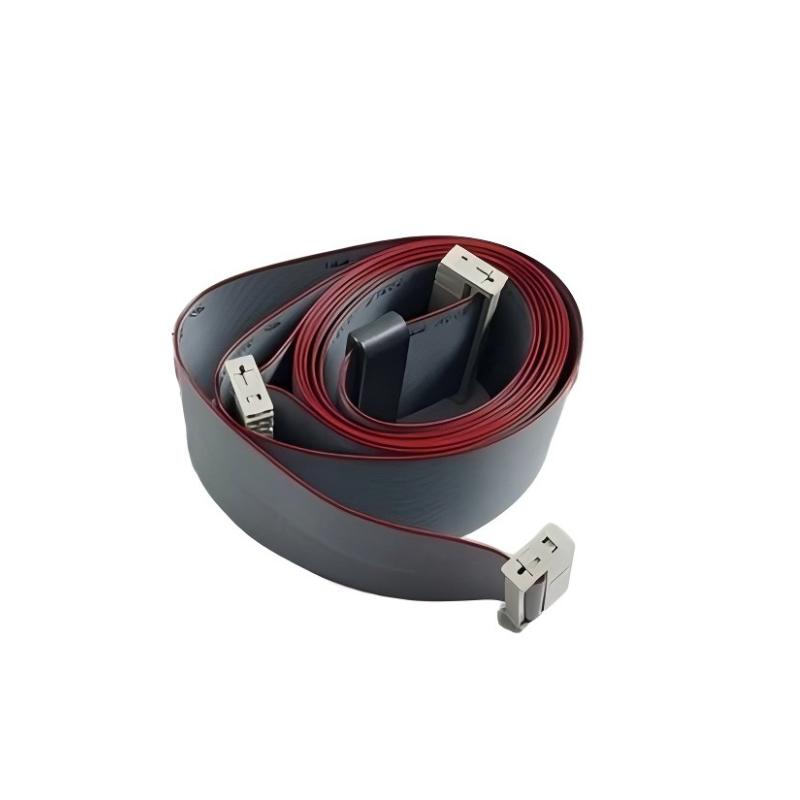
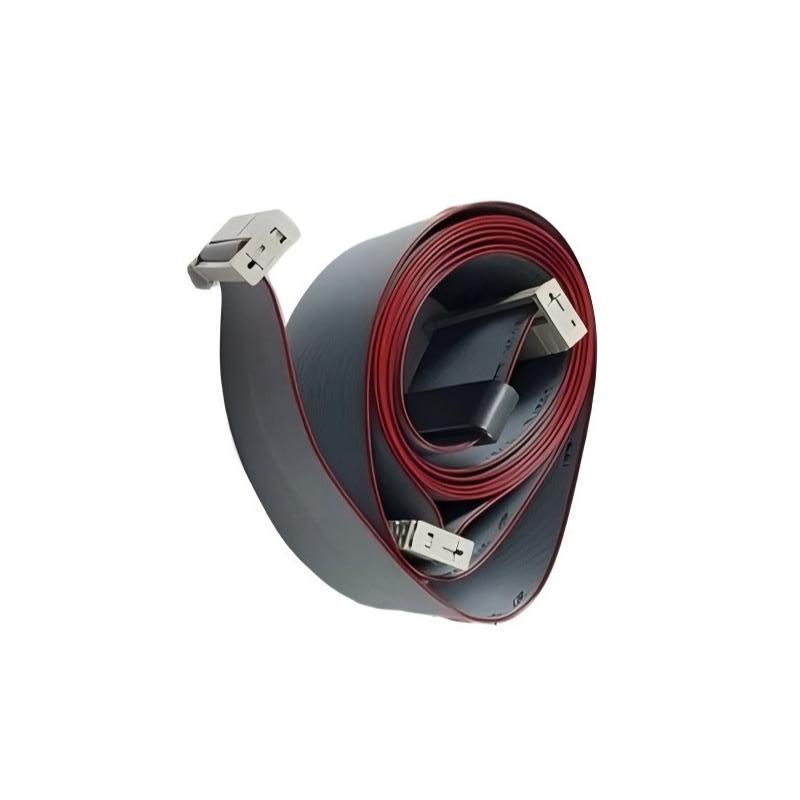
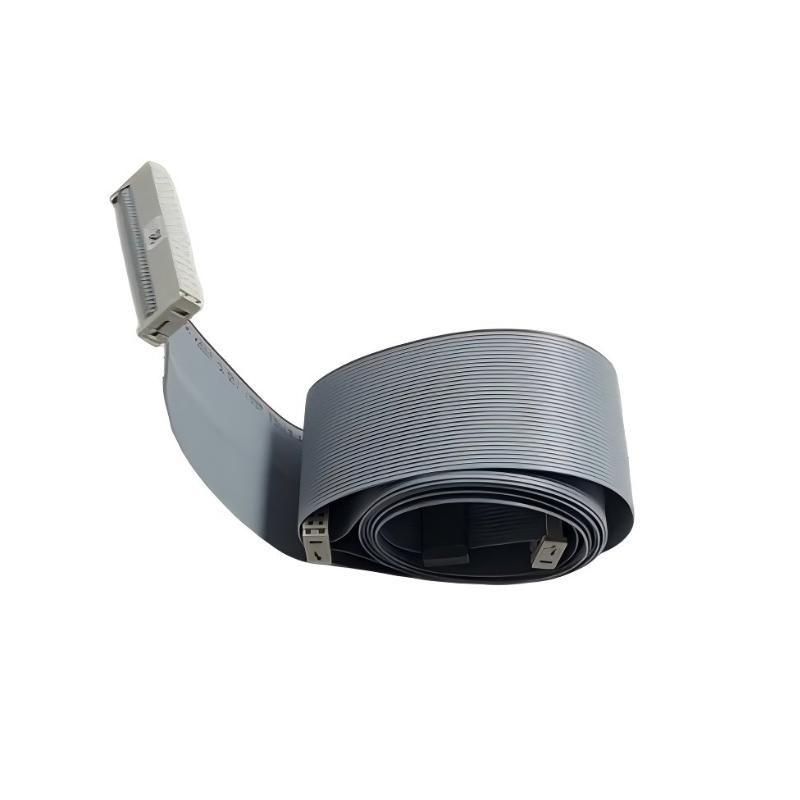
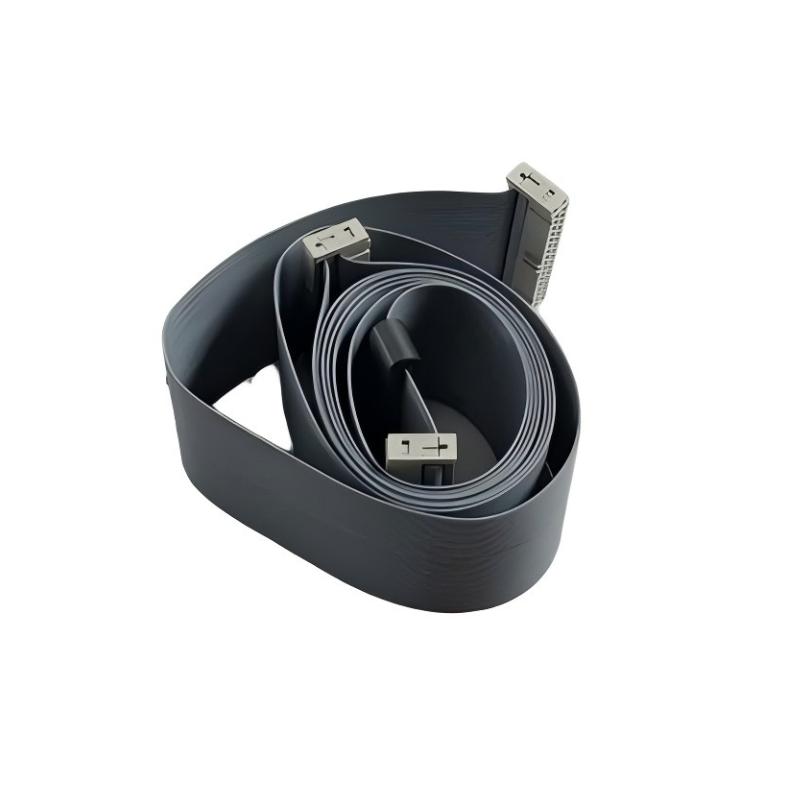
| Connector Type | 34 pole latch (female) |
| Interface Function | Managed I/O bus connectivity |
| Mechanical Design | Fixed controller module for cabinet installation |
| Dimensions | Connectors: 34 pole latch (female) |
| Weight | 0.31 kg |
Technical FAQs
1. What is the main purpose of the FS-IOBUS-CPIO3?
It controls and manages communication across the internal I/O bus within a Honeywell system.
2. Does this module process field I/O signals directly?
No. It coordinates bus communication rather than handling field-level signals.
3. How does it differ from a passive I/O bus connector?
Unlike passive connectors, it actively manages bus behavior to ensure orderly data exchange.
4. Is it required in every I/O configuration?
It is typically used in architectures where controlled bus coordination is necessary.
5. Does it require software configuration?
Configuration requirements are minimal and depend on the overall system architecture.
6. Can it improve system reliability?
Yes. Managed bus communication reduces the likelihood of data conflicts or instability.
7. Is it intended for cabinet installation only?
Yes. It is designed for installation within control or safety cabinets.
8. Does it support system scalability?
It supports scalable architectures by maintaining consistent communication as I/O systems grow.
9. How does it affect commissioning activities?
Clear bus control simplifies verification and reduces troubleshooting during commissioning.
10. Who typically specifies the FS-IOBUS-CPIO3?
It is usually specified by system architects or safety engineers during I/O bus design.
 A DCS Q Co., Ltd. - PLC and DCS Industrial Control Equipment Wholesale