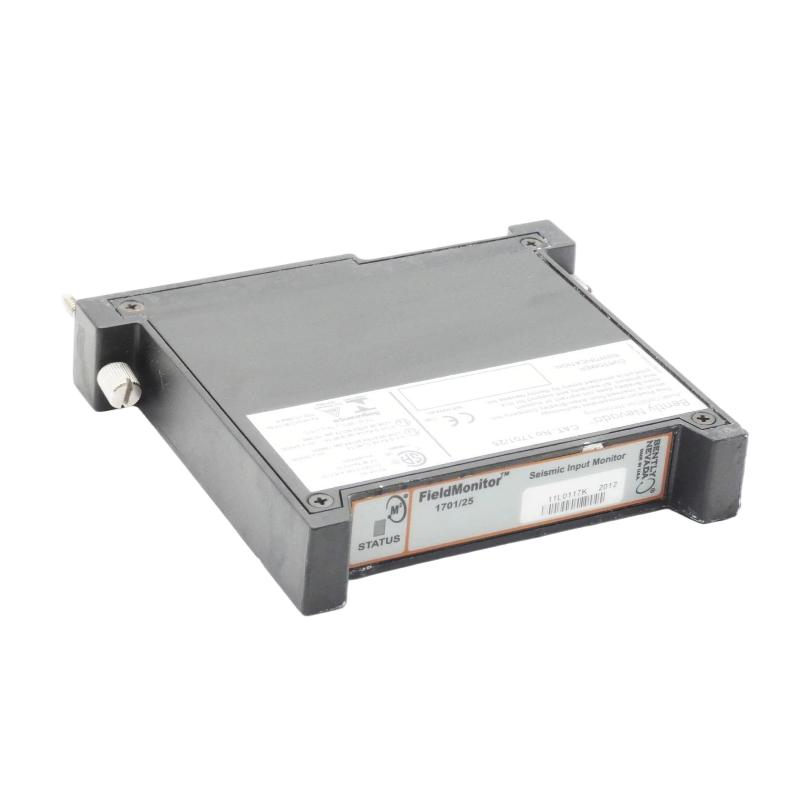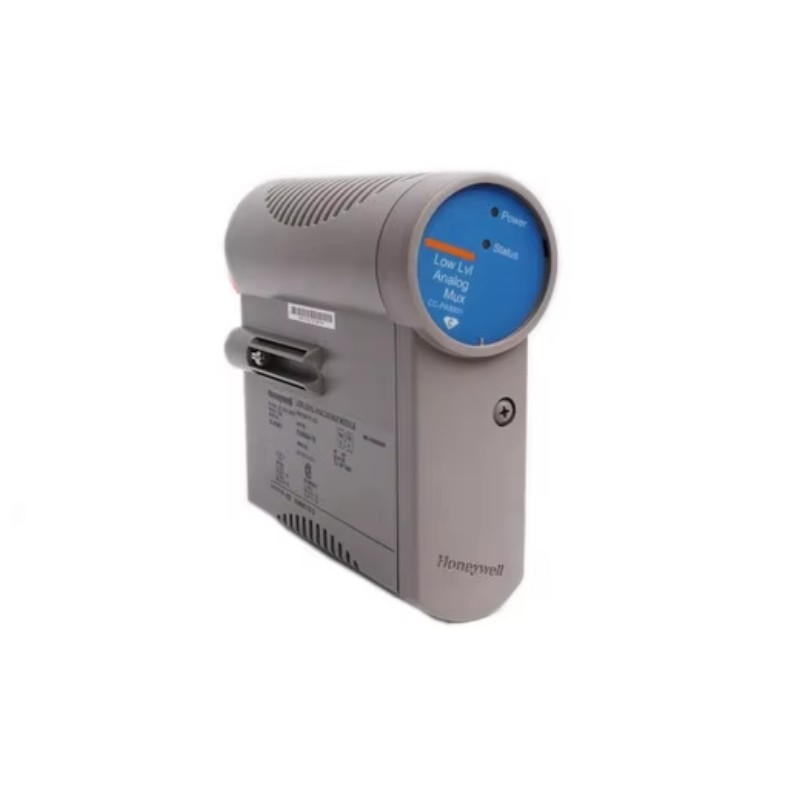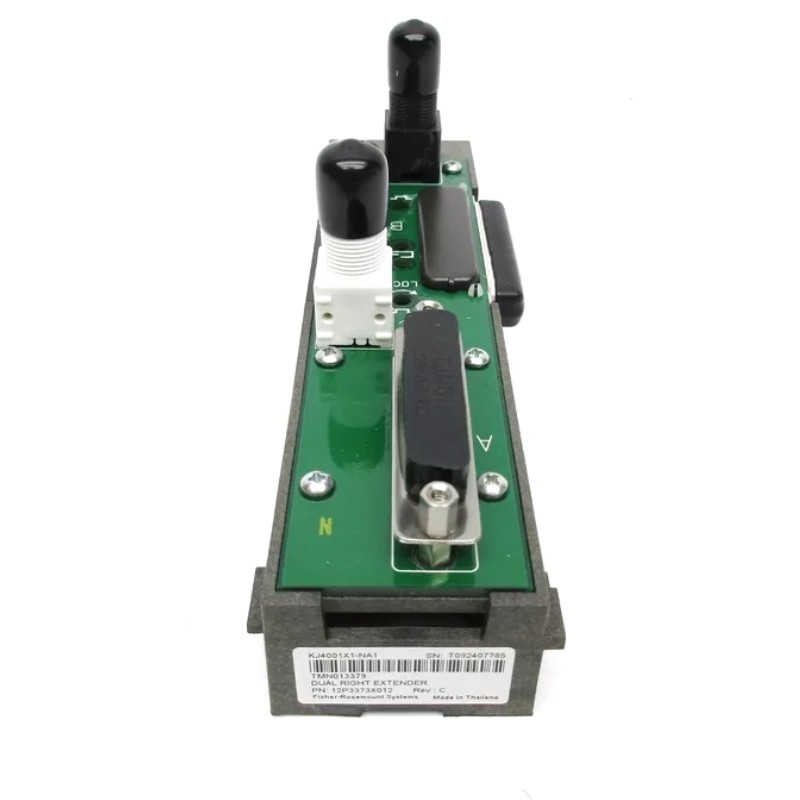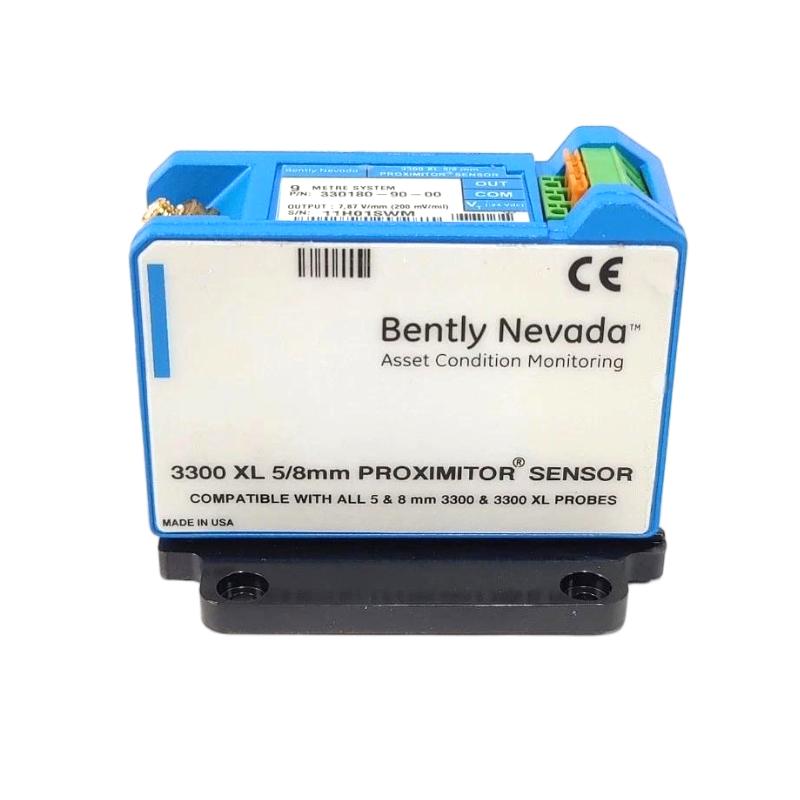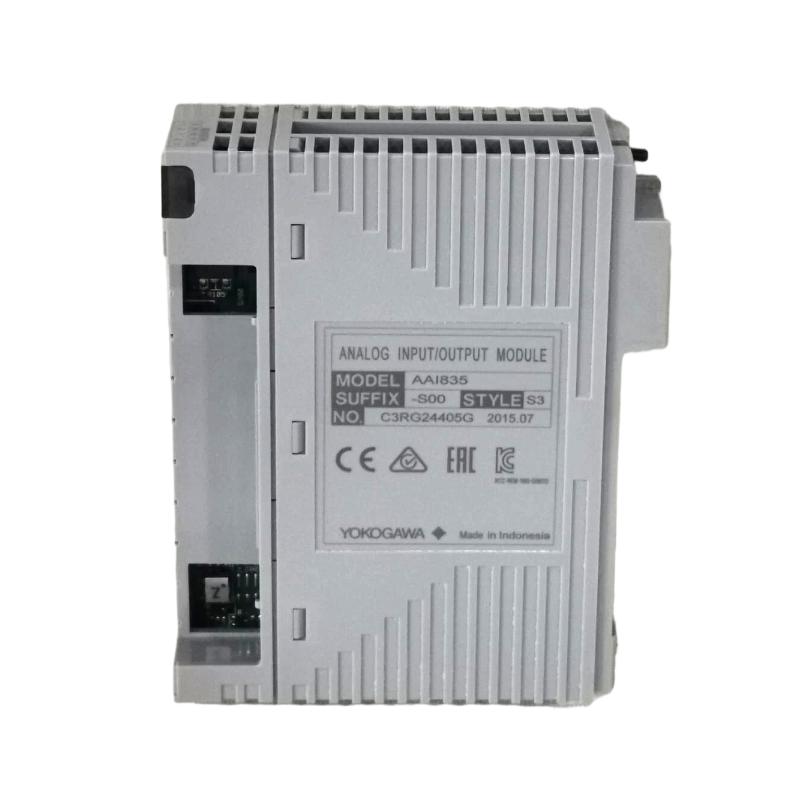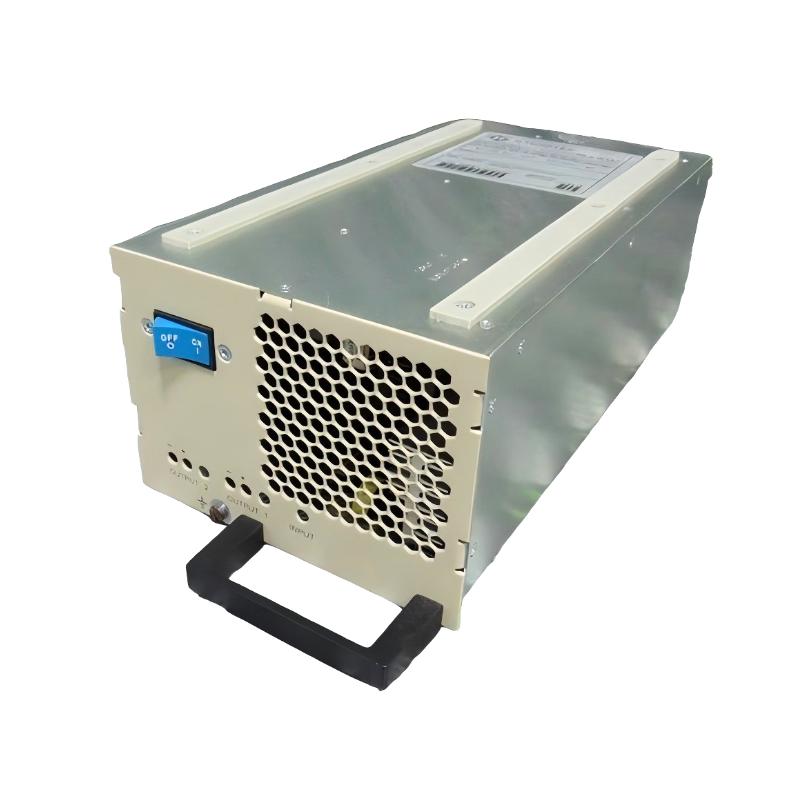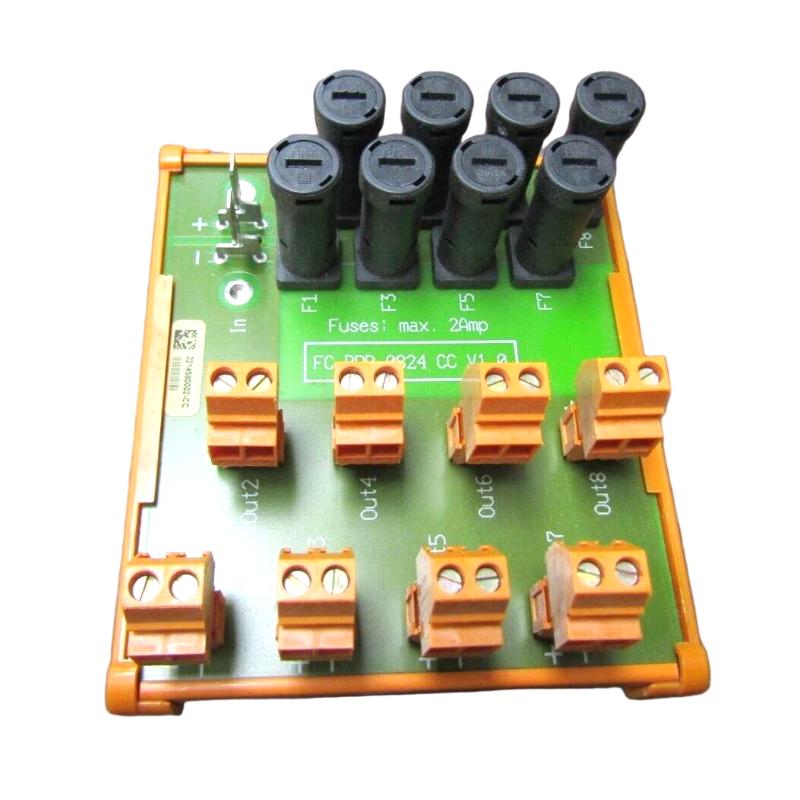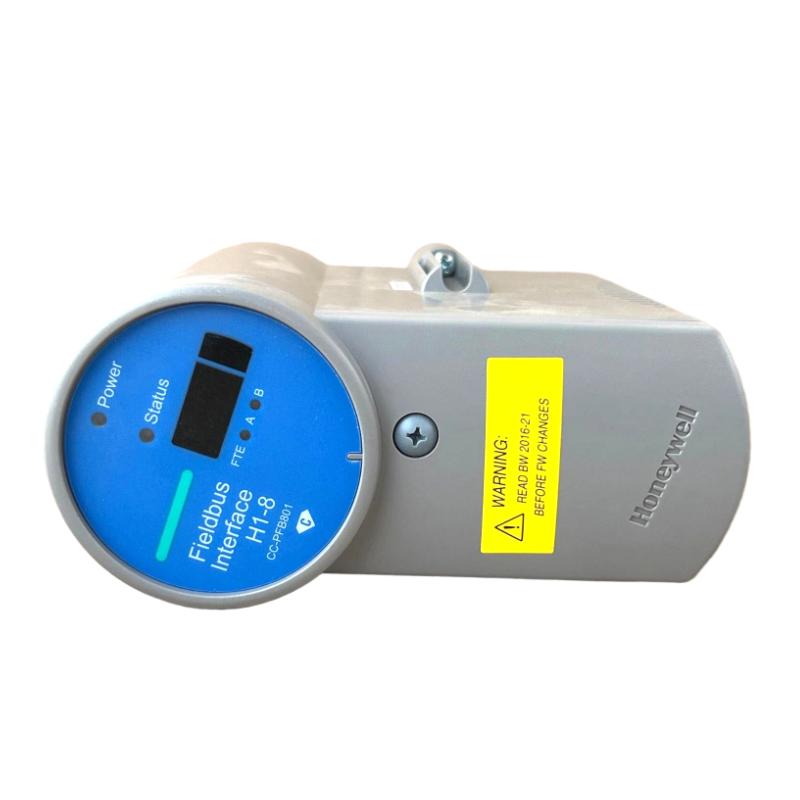
Introduction
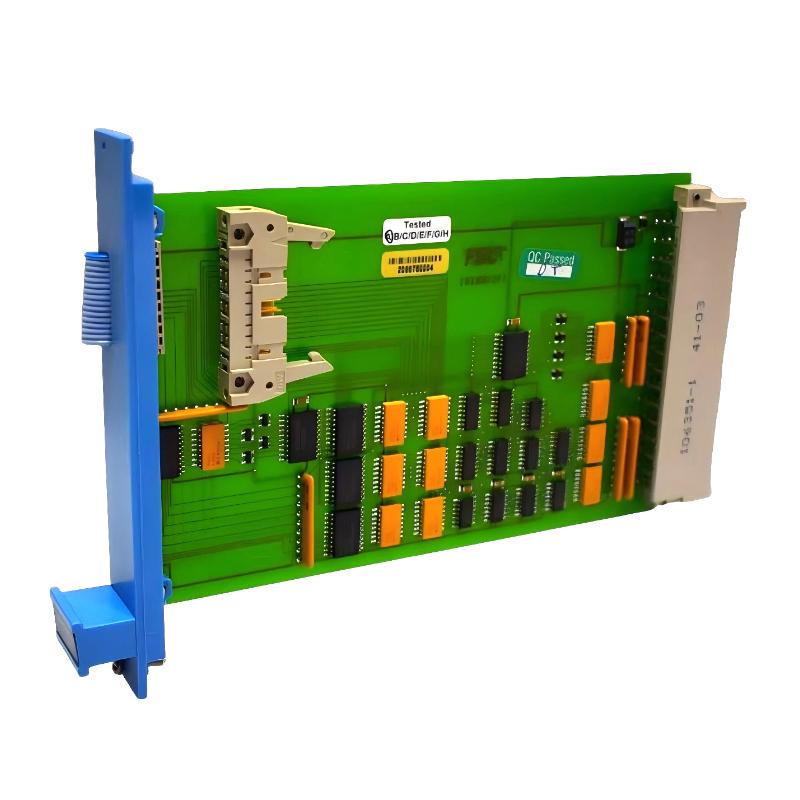
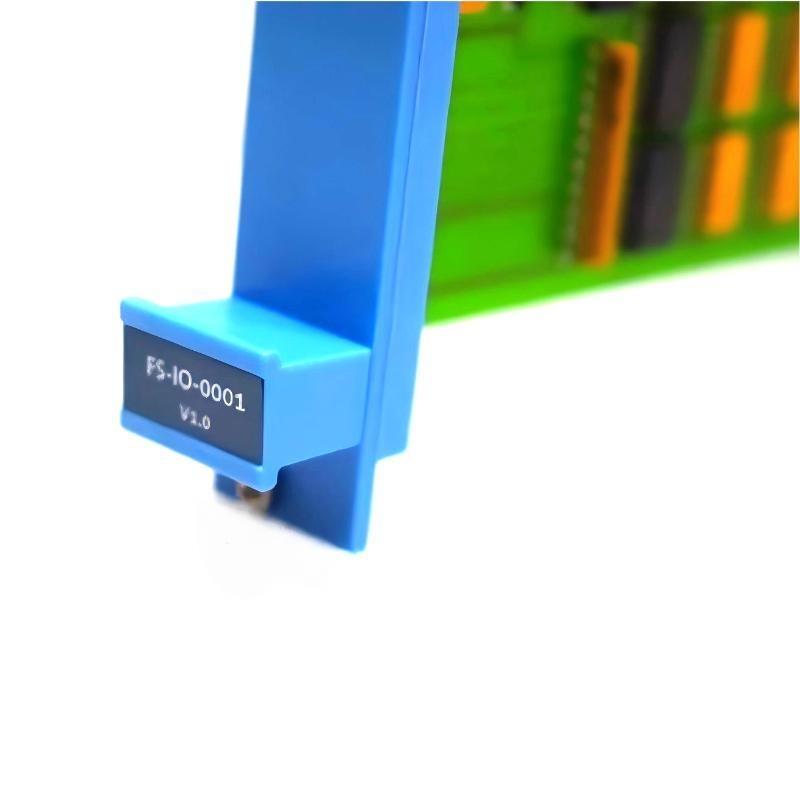
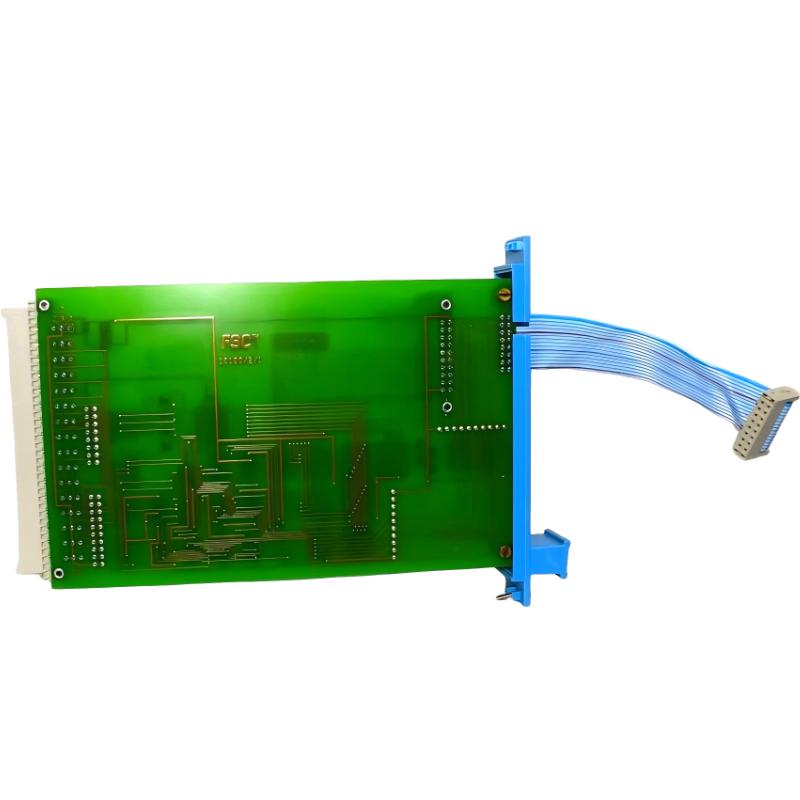
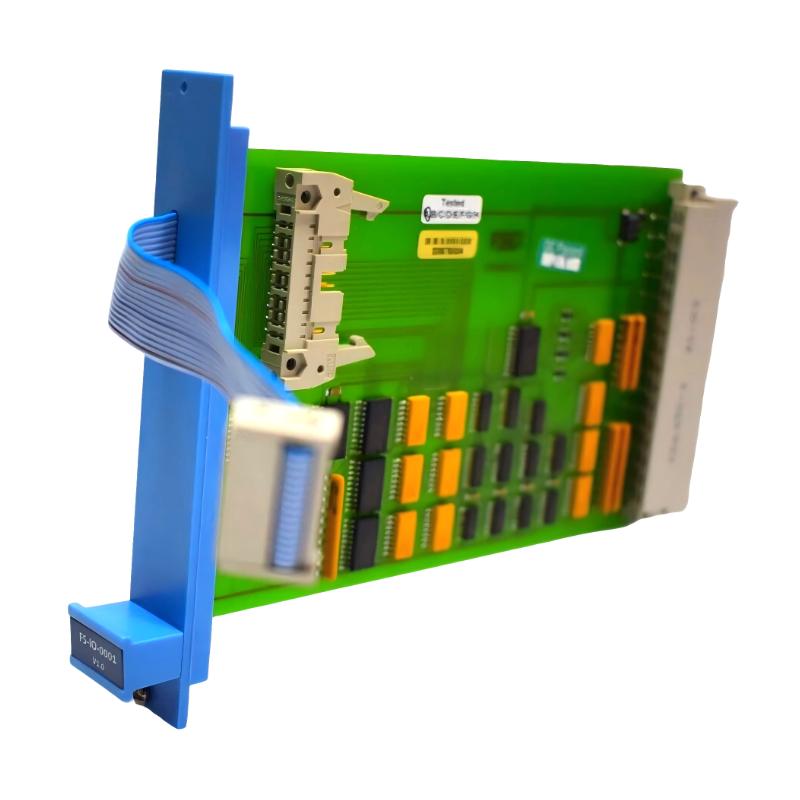
The Honeywell FS-IO-0001 Input / Output Extender Module is engineered to extend safety and control I/O capacity in distributed industrial systems. Rather than acting as a control element itself, it serves as a field-level extension that preserves deterministic behavior and system integrity while enabling flexible I/O deployment.
From an engineering standpoint, the module emphasizes robustness, predictable fault response, and ease of integration. Its role is particularly valuable in large-scale or safety-critical installations where centralized I/O would otherwise lead to excessive wiring complexity and reduced maintainability.
Technical Specifications
| Parameter | Description |
|---|
| Module Type | Input / Output Extender Module |
| System Compatibility | Honeywell Safety and Control Systems |
| Function | Remote extension of digital I/O |
| Mounting | DIN rail or panel mounting |
| Enclosure | Industrial-grade, vibration-resistant housing |
| Dimensions | 150 × 90 × 40 mm (H x W x D) |
| Weight | 0.11 kg |
Technical FAQs
1. What is the primary role of the FS-IO-0001 in a control system?
It functions as an I/O extension module, enabling additional field signals to be connected without altering the main controller logic.
2. Is the module suitable for safety-related systems?
Yes. It is designed to operate within safety and control architectures where predictable behavior is essential.
3. Why use an I/O extender instead of centralized I/O?
Distributed I/O reduces wiring complexity and improves signal reliability, especially in large installations.
4. Can the module operate on its own?
No. It relies on communication with a central Honeywell control or safety system.
5. How does it help with troubleshooting?
By localizing I/O, faults can be identified and isolated more efficiently during maintenance.
6. Is it designed for continuous industrial operation?
Yes. The module is intended for continuous duty in demanding industrial environments.
7. What type of signals are typically connected?
It is primarily used for digital input and output signals in control and safety applications.
8. Does it support system expansion?
Yes. Multiple extender modules can be added as system requirements grow.
9. Does adding an extender impact system performance?
When properly engineered, performance remains predictable and within system design limits.
10. Who typically handles configuration and commissioning?
Configuration is usually performed by control or safety engineers experienced with Honeywell systems.
 A DCS Q Co., Ltd. - PLC and DCS Industrial Control Equipment Wholesale