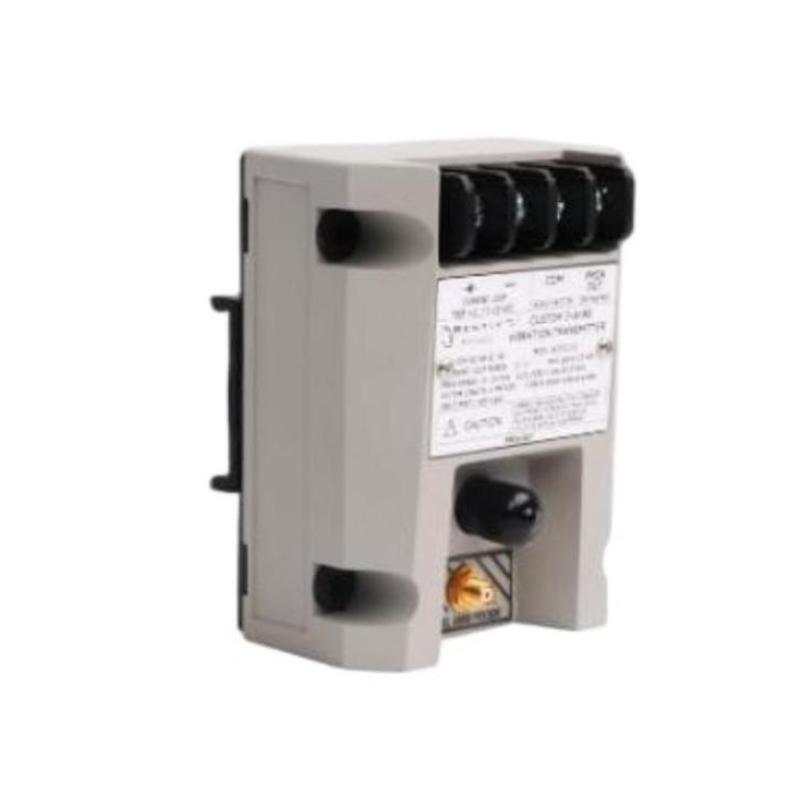
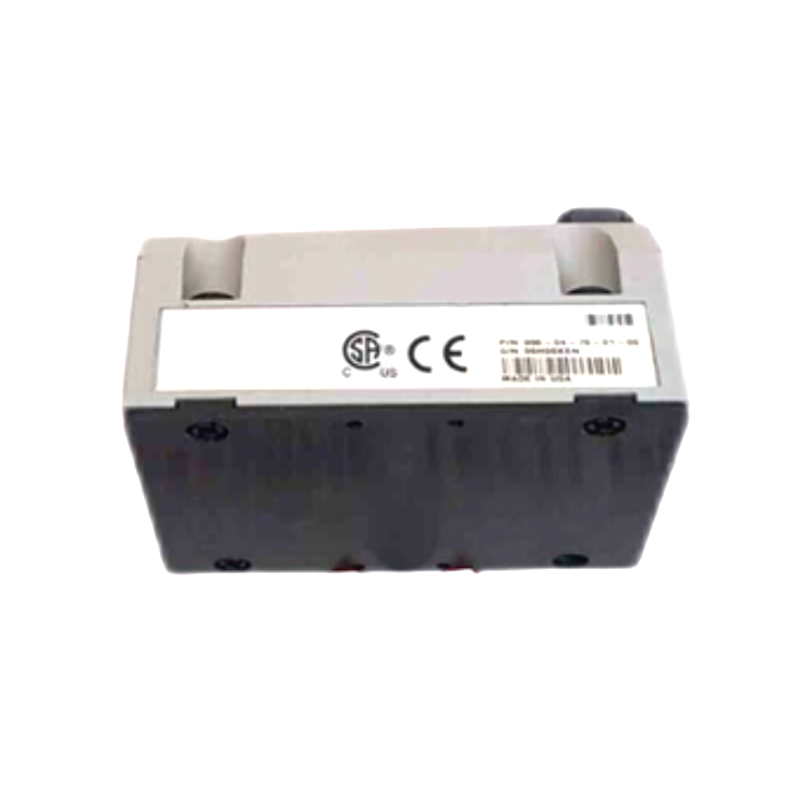
Product Introduction: Reliable Vibration Monitoring for Rotating Equipment
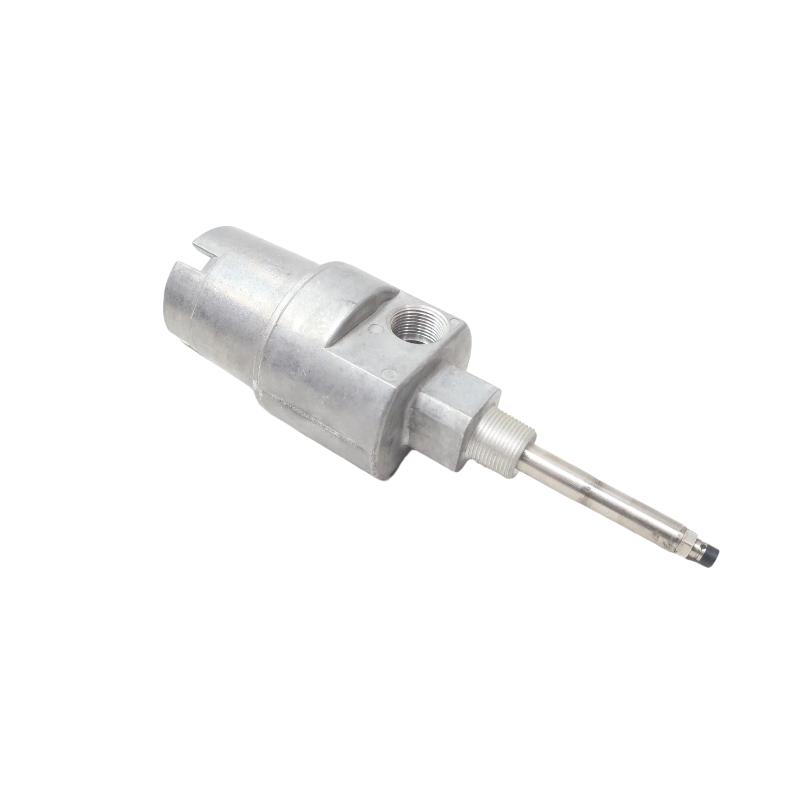
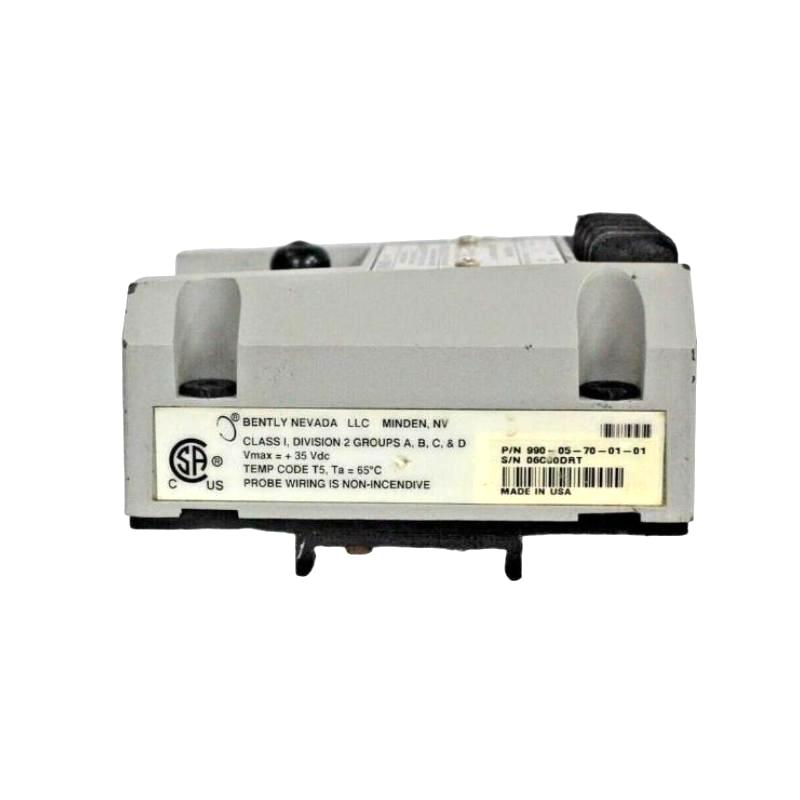
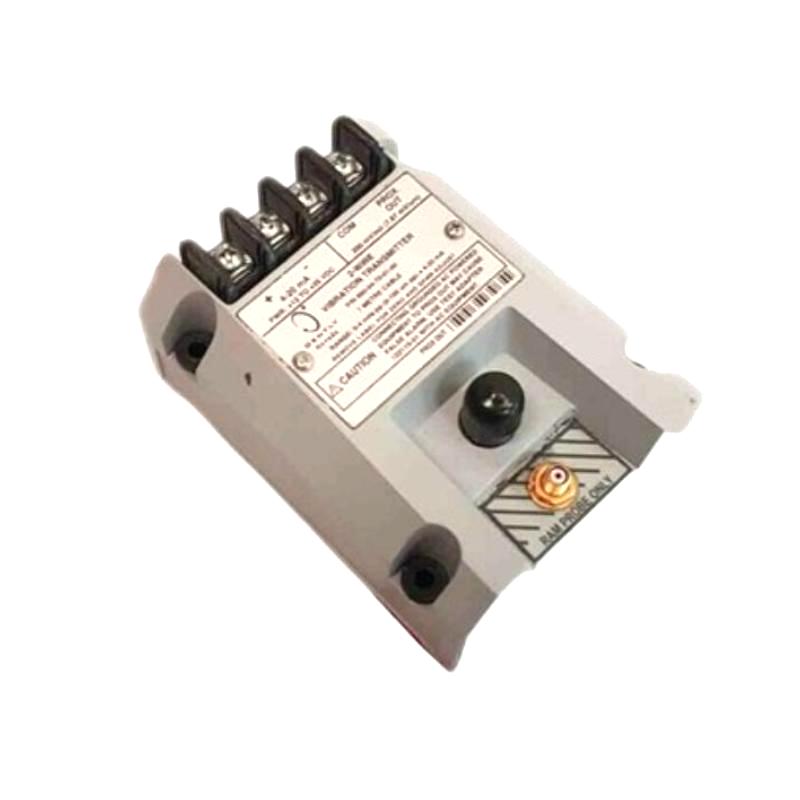
The Bently Nevada 990-05-70-03-RU 990 Vibration Transmitter is a compact, two-wire, loop-powered vibration monitoring device designed to provide continuous condition monitoring for industrial rotating machinery. This transmitter receives displacement vibration signals from a compatible 3300 NSv proximity probe and extension cable system, processes the signal internally, and delivers a proportional 4–20 mA output for direct integration with PLC, DCS, SCADA, and machinery control systems.
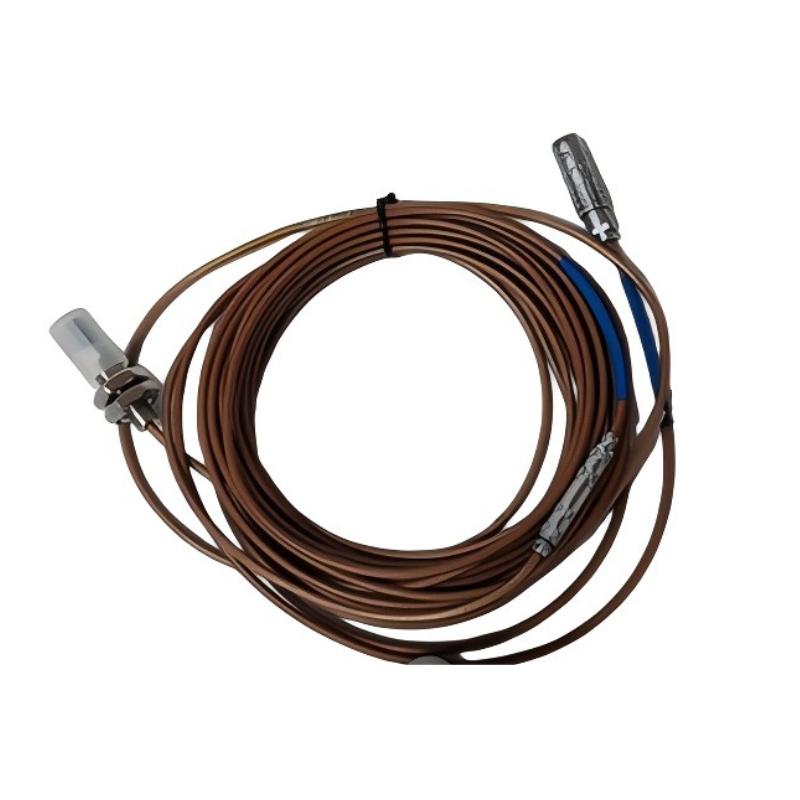
Designed for OEM equipment packages and general industrial machinery applications, the 990 series combines a built-in Proximitor® sensor with a compact transmitter housing, eliminating the requirement for a separate external signal conditioning module. The 7-meter transducer system configuration and DIN rail plus screw mounting arrangement provide installation flexibility for equipment where sensor distance and cabinet layout are important considerations.
The 990-05-70-03-RU configuration is optimized for applications requiring dependable vibration feedback, simplified wiring, and efficient machinery health monitoring. It is commonly applied on compressors, pumps, motors, fans, and other rotating assets where early detection of abnormal vibration helps improve equipment reliability.
Technical Specifications: Product Data and Engineering Parameters
| Parameter | Specification |
|---|
| Manufacturer | Bently Nevada |
| Model Number | 990-05-70-03-RU |
| Product Type | 990 Vibration Transmitter |
| Measurement Range | 0–5 mils peak-to-peak (0–125 μm pp) |
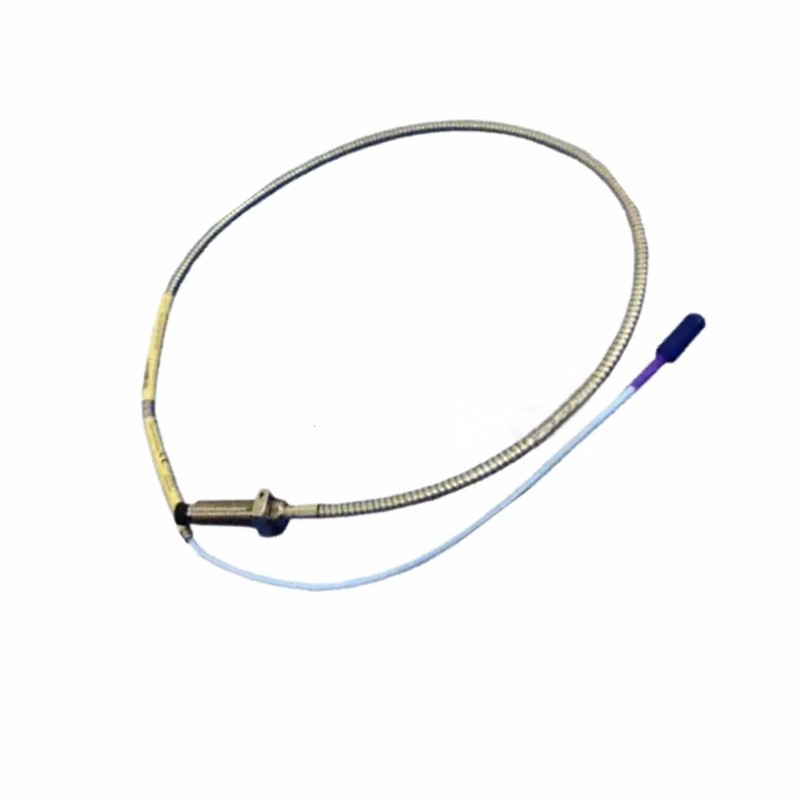
| Input Sensor | 3300 NSv Non-contacting Proximity Probe |
| Transducer System Length | 7.0 m (23 ft) |
| Output Signal | 4–20 mA proportional vibration output |
| Power Supply | +12 to +35 VDC |
| Loop Type | Two-wire loop powered |
| Mounting Type | DIN rail clips and mounting screws |
| Frequency Response | 5 Hz to 6 kHz |
| Diagnostic Output | PROX OUT and COM terminals |
| Signal Conditioning | Integrated Proximitor® electronics |
| Maximum Loop Resistance | 1,000 Ω at 35 VDC |
| Current Limiting | Approximately 23 mA |
| Operating Temperature | -35°C to +85°C |
| Storage Temperature | -51°C to +100°C |
| Environmental Protection | Potted construction for industrial environments |
| Dimensions | Approx. 100 mm × 74 mm × 53 mm |
| Weight | Approx. 0.43 kg |
Industrial Applications: Designed for Machinery Reliability
The 990-05-70-03-RU vibration transmitter provides a practical monitoring solution for rotating equipment where continuous vibration information is required without installing a complete rack-based protection system.
| Industry | Typical Equipment |
|---|
| Oil & Gas | Centrifugal compressors, process pumps |
| Petrochemical | Rotating process machinery |
| Power Generation | Auxiliary turbines and generators |
| Manufacturing | Motors, fans, blowers, gearboxes |
| Water Treatment | Pumping systems |
| OEM Equipment | Compressor skids and packaged machinery |
Typical applications include:
-
Machinery vibration trending
-
Condition-based maintenance
-
Remote vibration monitoring
-
Equipment health assessment
-
PLC and DCS alarm input
-
Preventive maintenance programs
The transmitter is especially suitable for OEM machinery manufacturers who require a simple, reliable 4–20 mA vibration signal for integration into control systems.
Advantages: Key Performance Benefits
Integrated Proximitor® Technology
The built-in Proximitor® electronics combine probe signal conditioning and vibration transmission functions into one compact device. This reduces installation complexity, minimizes additional hardware requirements, and provides a cleaner machinery monitoring solution.
Extended 7-Meter Sensor System Capability
The 70 option supports a 7-meter transducer system, allowing greater flexibility when the proximity probe is installed away from the monitoring cabinet or control panel. This configuration is beneficial for larger machinery packages and equipment layouts with longer cable routing requirements.
Flexible Mounting Configuration
The 03 mounting option provides both DIN rail clips and mounting screws, allowing engineers to install the transmitter according to different panel and equipment requirements. This flexibility simplifies retrofit projects and new machinery installations.
Standard 4–20 mA Industrial Interface
The transmitter provides a widely accepted analog output signal that can be connected directly to industrial automation systems. This allows operators to monitor vibration levels through existing PLC, DCS, or SCADA infrastructure without additional conversion equipment.
Built-In Diagnostic Access
The PROX OUT and COM connections allow technicians to access dynamic vibration signals and gap voltage information for commissioning, calibration, and troubleshooting activities.
Rugged Industrial Construction
The potted electronics design improves resistance against moisture, vibration, and harsh industrial environments, supporting stable long-term operation in demanding applications.
Technical FAQs
1. What is the Bently Nevada 990-05-70-03-RU used for?
The transmitter is used for continuous vibration monitoring of rotating machinery by converting proximity probe measurements into a proportional 4–20 mA output.
2. Which probe is compatible with this transmitter?
The unit is designed to work with a Bently Nevada 3300 NSv proximity probe and matching extension cable system.
3. What does “05” mean in the model number?
The “05” indicates a vibration measurement range of 0–5 mils peak-to-peak (0–125 μm pp).
4. What does “70” represent?
The “70” identifies the 7.0-meter (23 ft) transducer system length.
5. What does the “03” mounting code indicate?
The “03” option provides DIN rail clips and mounting screws for flexible installation.
6. What output signal does the transmitter provide?
It provides a standard 4–20 mA proportional vibration signal suitable for industrial control systems.
7. Does the transmitter require an external Proximitor module?
No. The unit includes integrated Proximitor® electronics, reducing the need for external signal conditioning hardware.
8. What power supply is required?
The transmitter requires +12 to +35 VDC at the transmitter terminals.
9. What diagnostic features are available?
The transmitter provides PROX OUT and COM terminals for vibration signal checking and gap voltage diagnostics.
10. What equipment commonly uses this model?
Typical applications include compressors, pumps, motors, fans, blowers, and other industrial rotating machinery.
 A DCS Q Co., Ltd. - PLC and DCS Industrial Control Equipment Wholesale