Product Perspective
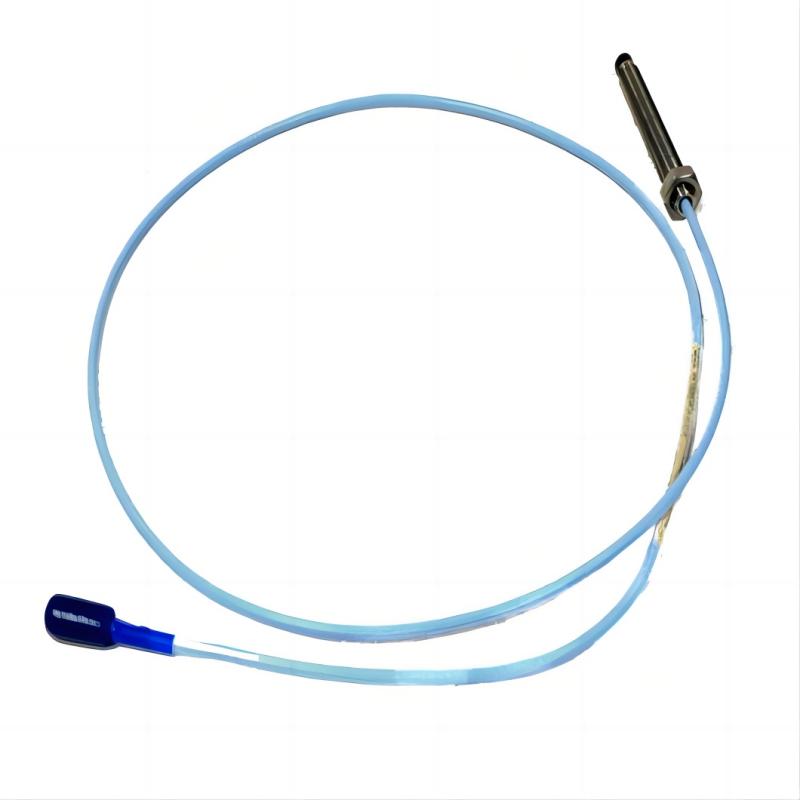
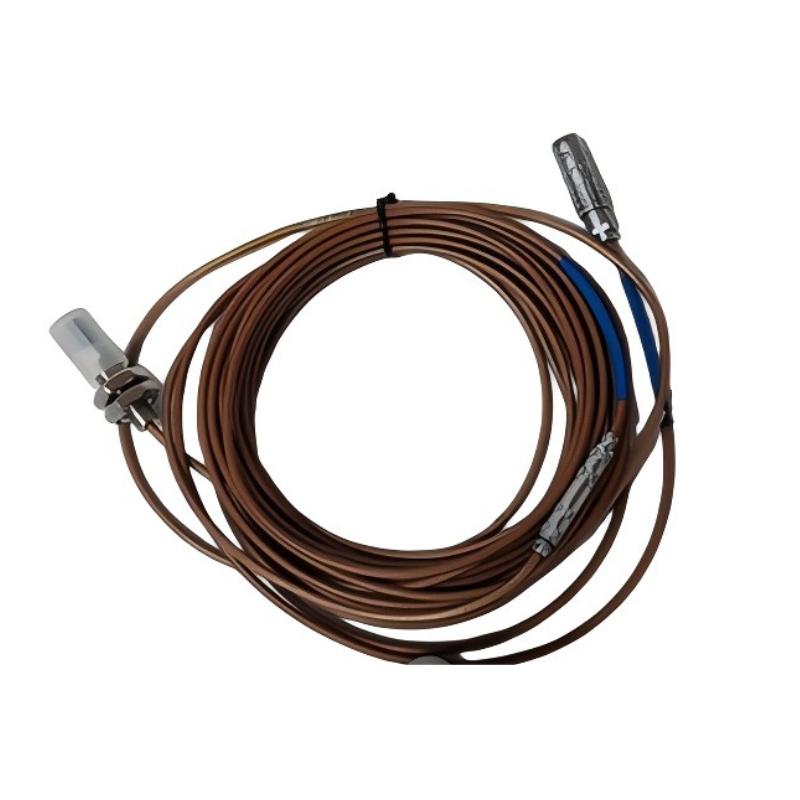
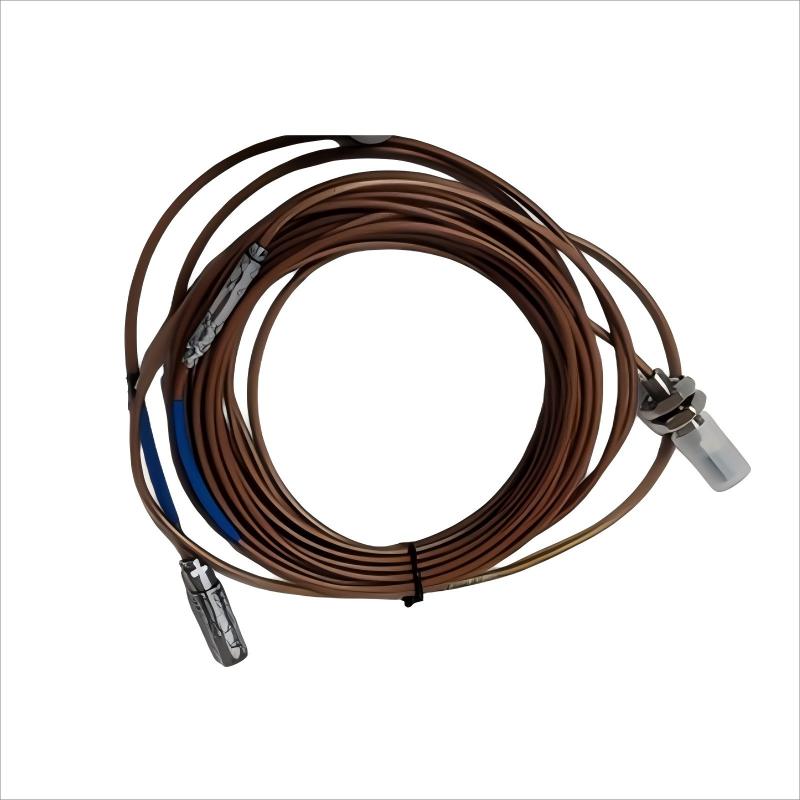
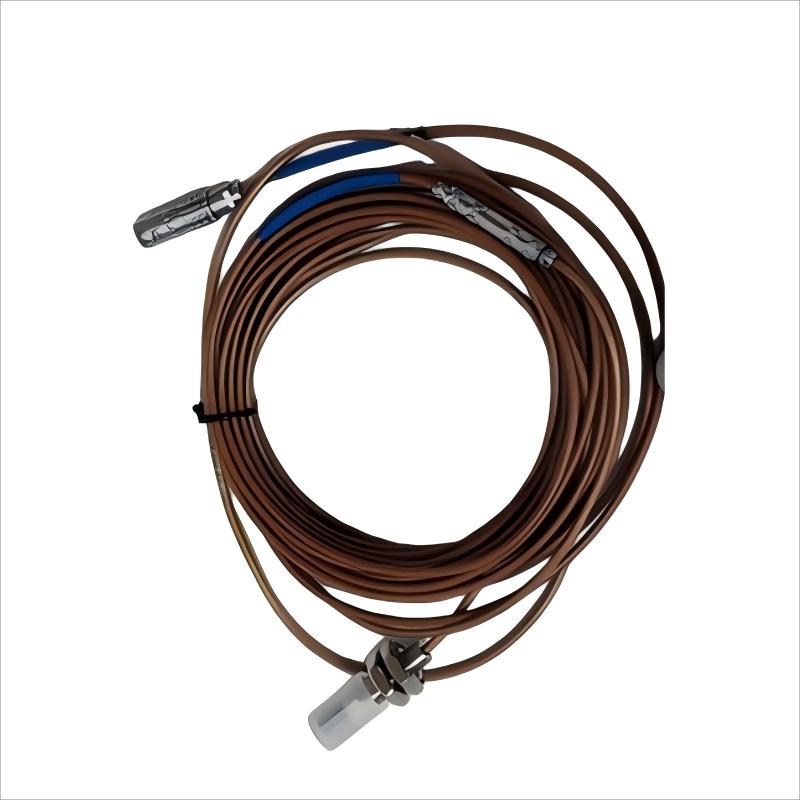
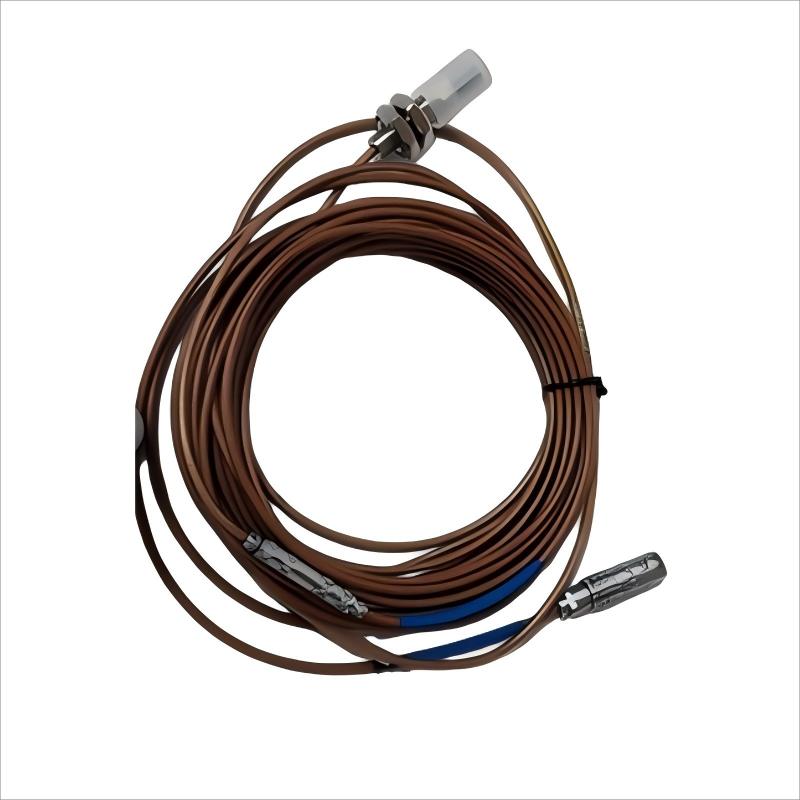
The PR6423/003-020 represents a streamlined solution for engineers requiring reliable and precise shaft monitoring. Its compact design and high sensitivity make it ideal for critical machinery where space constraints and accuracy requirements coexist.
Engineered for durability and long-term stability, this sensor supports continuous monitoring applications without frequent maintenance. It plays a key role in reducing unplanned downtime and extending equipment life through accurate condition feedback.
Technical Specifications
| Parameter | Specification |
|---|
| Model | PR6423/003-020 |
| Sensor Type | Eddy Current (Non-contact) |
| Probe Diameter | 8 mm |
| Measurement Principle | Eddy Current |
| Compatible Materials | Conductive metals |
| Output Signal | Requires external signal converter |
| Operating Temperature | -35 to 180°C |
| Mounting Type | Threaded installation |
| Cable Type | Shielded coaxial |
| Environmental Resistance | Oil, dust, vibration resistant |
| Dimensions (Sensor Head) | 8 mm diameter |
| Weight | 0.1 kg (0.220 lb) |
Typical Deployment Scenarios
The PR6423/003-020 eddy current sensor is designed for high-precision, non-contact measurement in rotating machinery environments. It is commonly installed in turbine monitoring systems to measure shaft displacement and vibration with exceptional accuracy.
In industrial compressors and pumps, this sensor enables continuous shaft position tracking, helping maintenance teams identify imbalance or misalignment before it escalates into mechanical failure. It is also frequently used in power generation and heavy process industries where equipment reliability is mission-critical.
Its compact 8 mm probe design makes it particularly suitable for installations with tight mechanical tolerances and limited mounting space.
Core Strengths
The sensor delivers outstanding measurement precision, capable of detecting extremely small displacement changes. This allows early fault detection and supports predictive maintenance strategies in high-value equipment.
Its non-contact operating principle eliminates physical wear, ensuring long operational life and stable performance even under continuous use. This is particularly beneficial in high-speed rotating systems where contact-based sensors would degrade quickly.
Another advantage is its strong resistance to industrial interference. The sensor maintains consistent output in environments affected by oil, dust, and vibration, ensuring reliable signal integrity.
Additionally, the module is engineered for seamless integration with vibration monitoring and protection systems, allowing straightforward deployment in both new and existing installations.
Technical FAQs
1. What is the sensing principle used?
It operates based on eddy current technology for non-contact displacement measurement.
2. What type of targets can be measured?
It is optimized for conductive metallic surfaces such as steel shafts.
3. Is the sensor suitable for high-speed machinery?
Yes, it is specifically designed for high-speed rotating equipment.
4. How does it handle environmental contamination?
It is resistant to oil, dust, and industrial contaminants.
5. What is the expected signal stability?
It provides highly stable output with minimal drift over time.
6. Can it be used for vibration monitoring?
Yes, it is widely used for shaft vibration and displacement measurement.
7. Does installation position affect accuracy?
Yes, proper alignment and gap calibration are critical for optimal performance.
8. Is shielding required for signal cables?
Yes, shielded cables are recommended to minimize electromagnetic interference.
9. How often should calibration be performed?
Periodic calibration is recommended depending on operating conditions.
10. Can it integrate with monitoring systems?
Yes, it is compatible with standard machinery protection and monitoring systems.
 A DCS Q Co., Ltd. - PLC and DCS Industrial Control Equipment Wholesale