Application Scenarios
The IS420CCGAH2A module is used wherever robust communication and protocol bridging are required in industrial control systems:
-
Turbine Control and Power Generation – routing control data between controllers and field devices
-
Control System Networking – connecting Mark VIe systems to Ethernet, serial, or auxiliary fieldbus networks
-
Protocol Bridging – enabling interface between controllers, SCADA, and HMI platforms
-
Edge Data Aggregation – collecting and forwarding data from distributed I/O devices
-
Industrial Automation Integration – linking multi‑vendor devices into a unified control framework
By acting as a communication hub, it simplifies network architecture while enhancing data accessibility and system responsiveness.
Key Advantages
This gateway module delivers significant communication flexibility and system resilience:
-
Multi‑Port Connectivity: Multiple Ethernet and serial ports support concurrent network paths and device interfaces.
-
Protocol Compatibility: Designed to interface with a range of industrial protocols used in power and automation networks.
-
Embedded Operating Environment: Runs embedded communications software, enabling reliable packet routing and protocol translation.
-
Compact, Rack‑Ready Format: Fits directly into the Mark VIe or VIeS backplane assembly for neat integration.
-
Industrial‑Grade Design: Built for demanding environments, offering temperature tolerance and rugged operation.
These strengths make the IS420CCGAH2A ideal for modern automation systems requiring high‑speed data exchange and broad device interoperability.
Technical FAQs
1. What role does this gateway module serve?
It bridges communications between the GE controller and diverse network protocols, enabling data exchange across systems.
2. How many Ethernet ports are included?
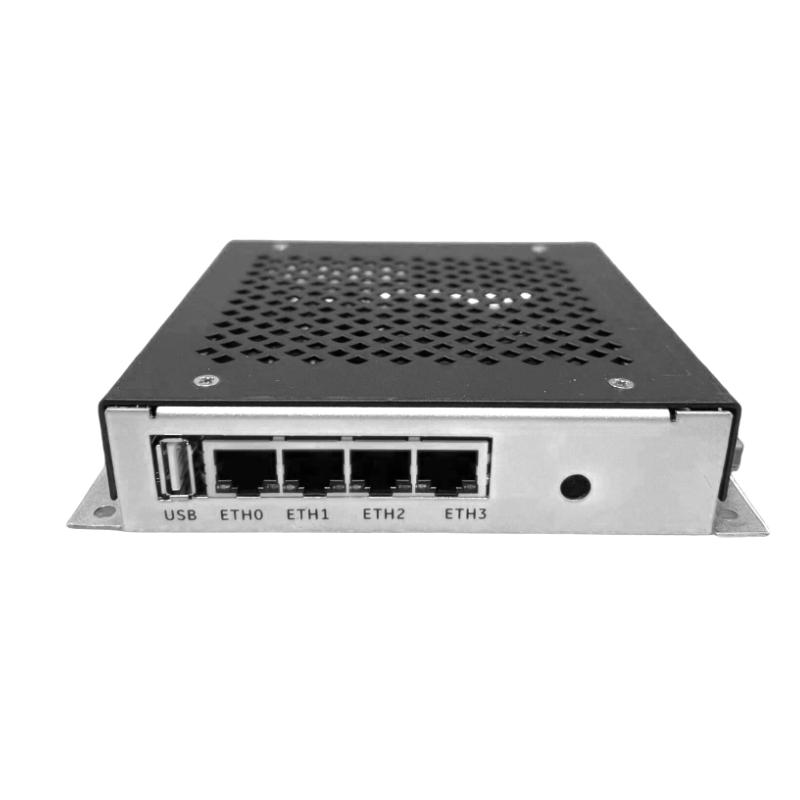
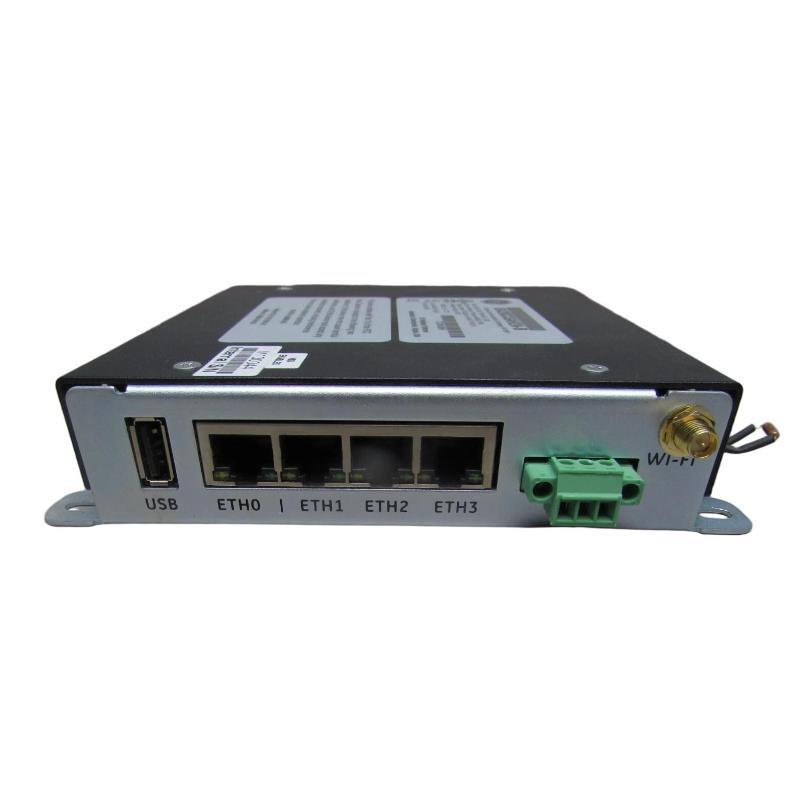
Typically four Ethernet ports labeled for various network connections.
3. Does it support serial communications?
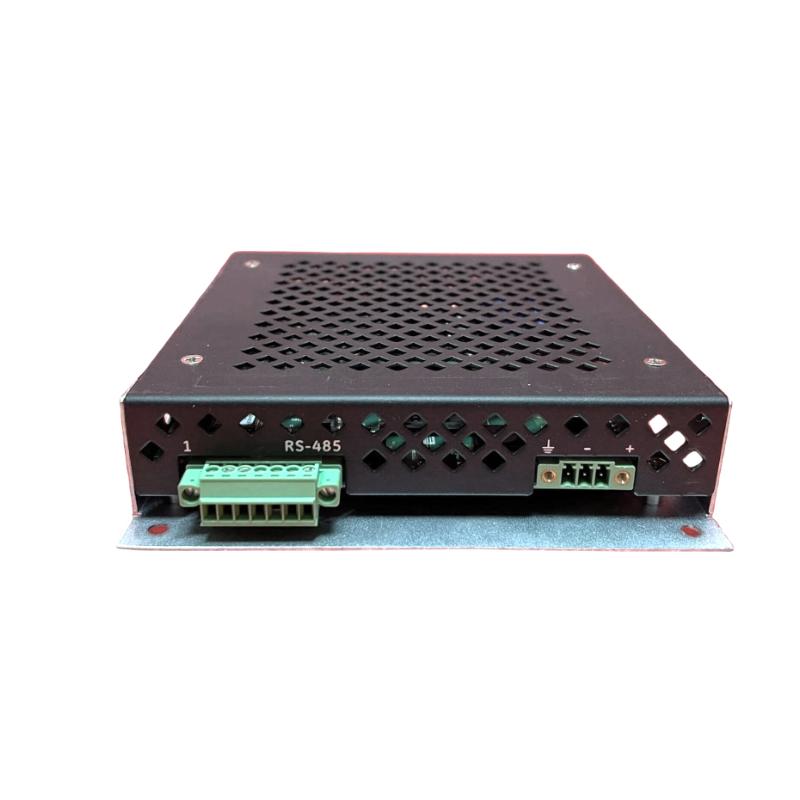
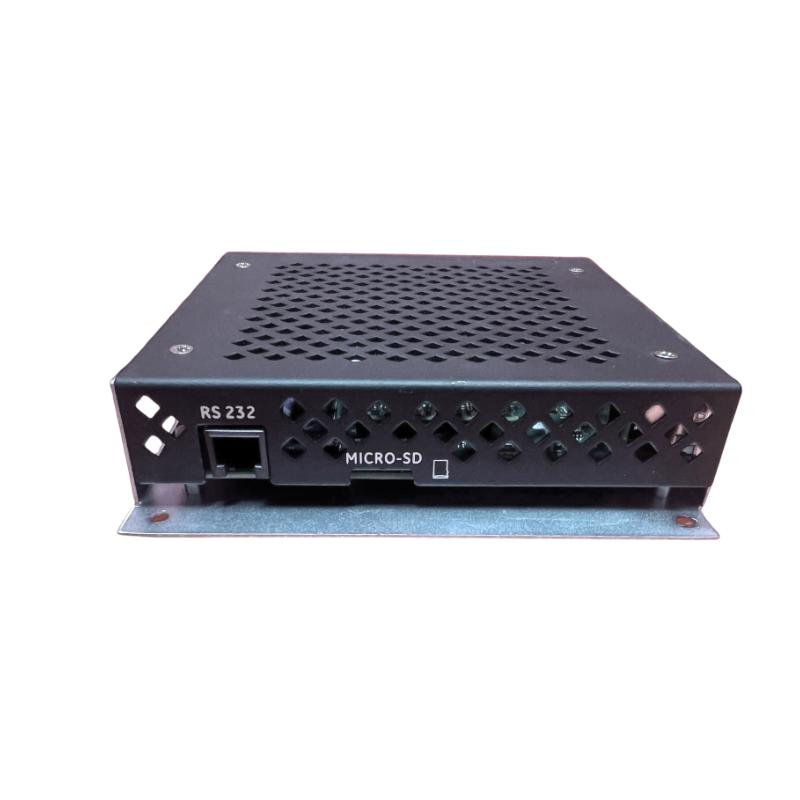
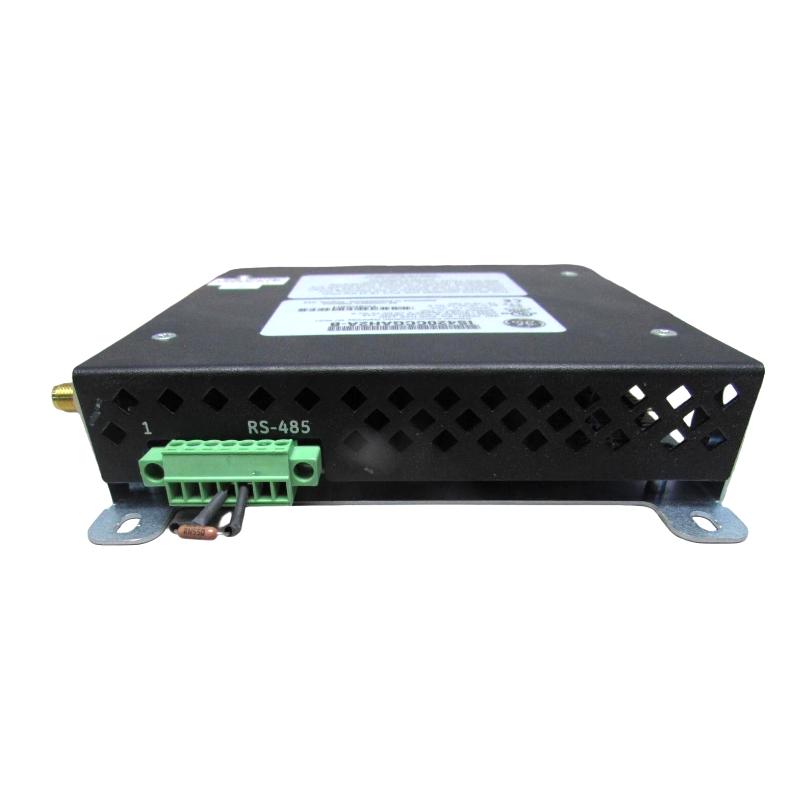
Yes — it generally includes RS‑232 and RS‑485 serial communication interfaces.
4. What operating system does it run?
It uses embedded communications firmware, often Linux‑based, for gateway functions.
5. What industrial protocols can it handle?
It is designed to support and bridge multiple communication standards common in industrial control (e.g., Ethernet‑based, serial fieldbus).
6. How is it powered?
It draws power from the control system backplane at a 24 V DC nominal input.
7. Where is this module installed?
It mounts within the Mark VIe or Mark VIeS control rack assembly.
8. Is it suitable for harsh environments?
Yes, it maintains operation across typical industrial temperature and humidity ranges.
9. Does it offer storage or logging capabilities?
A micro‑SD slot and embedded firmware support configuration and data logging.
10. What makes this module valuable in control systems?
Its ability to unify communications across protocols, enhancing interoperability and system scalability.
 A DCS Q Co., Ltd. - PLC and DCS Industrial Control Equipment Wholesale