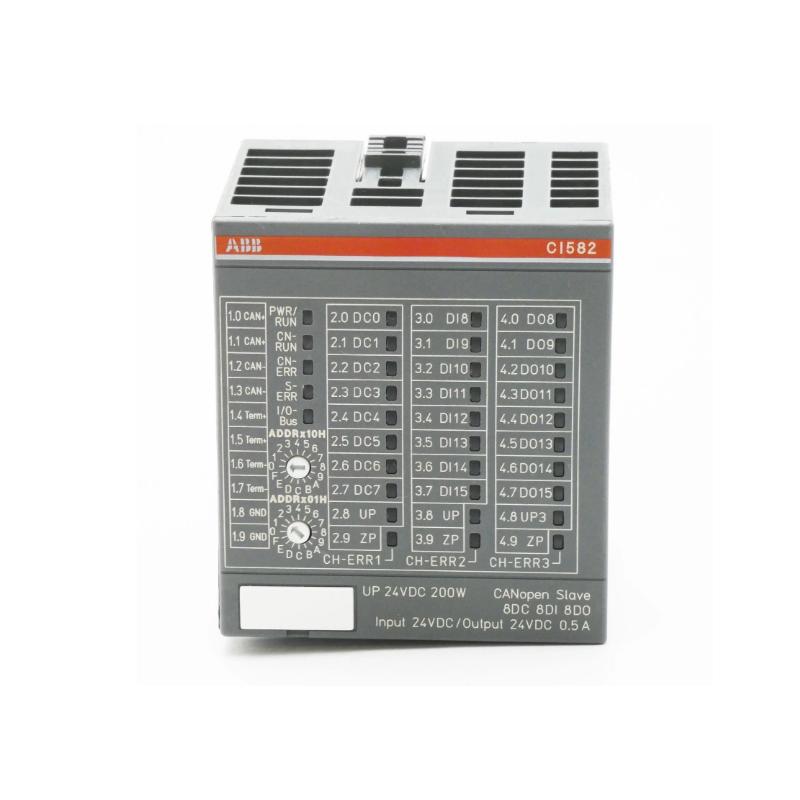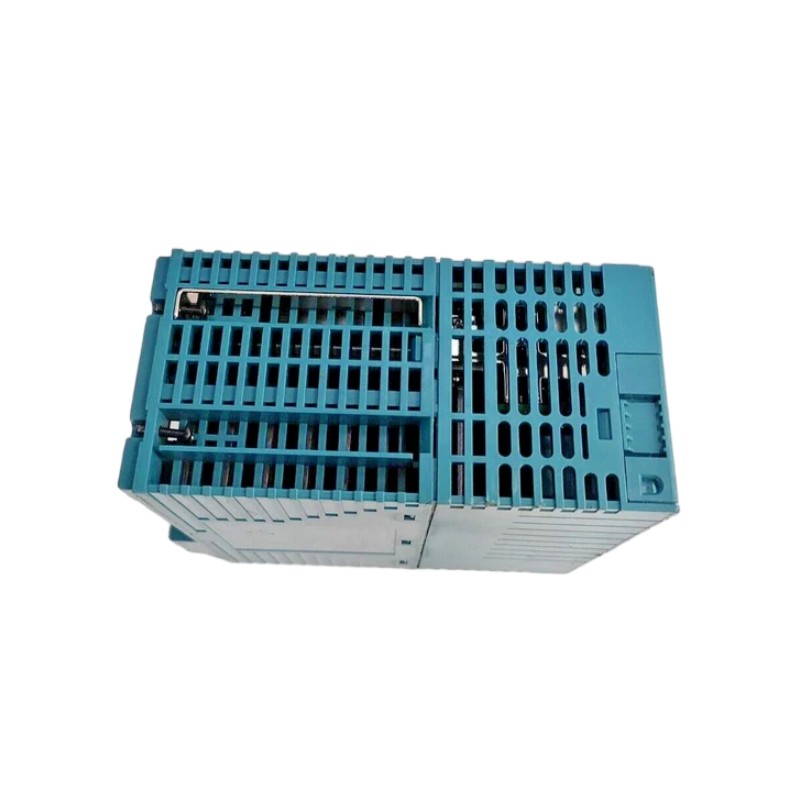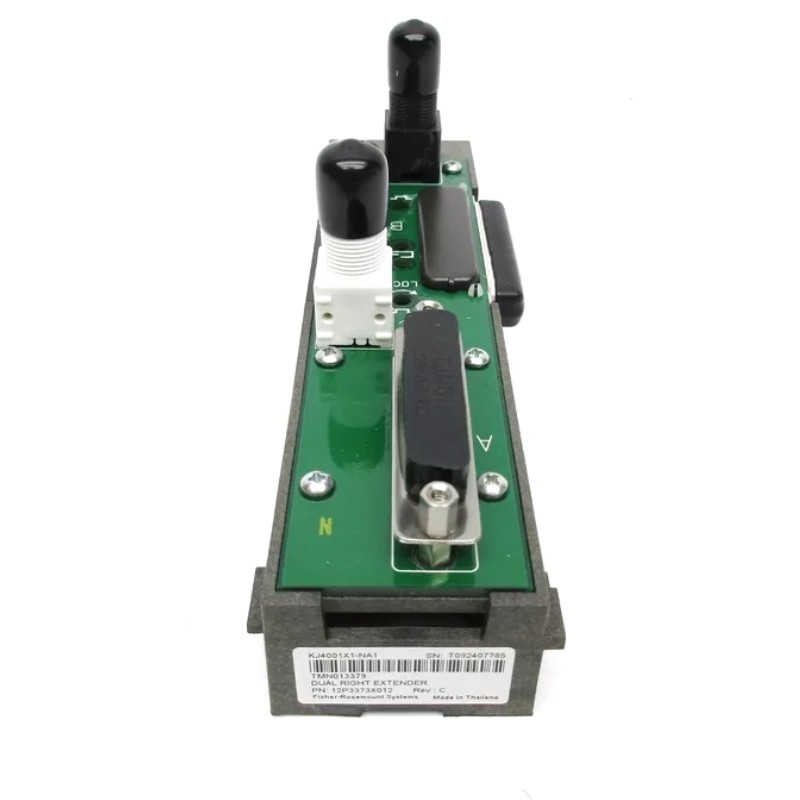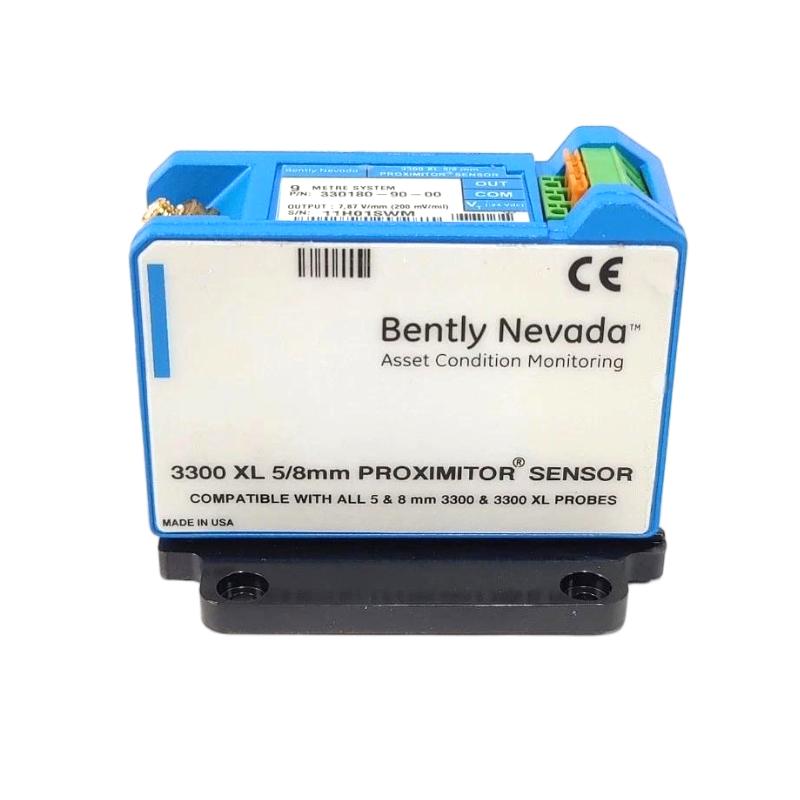
High-Performance Industrial Control Intelligence for Modern Automation Architecture
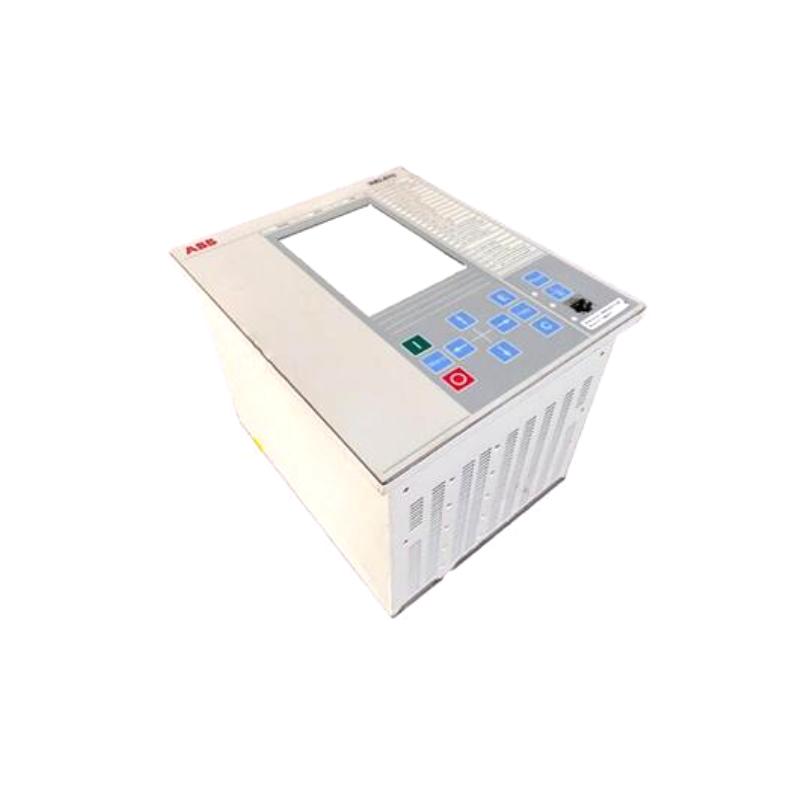
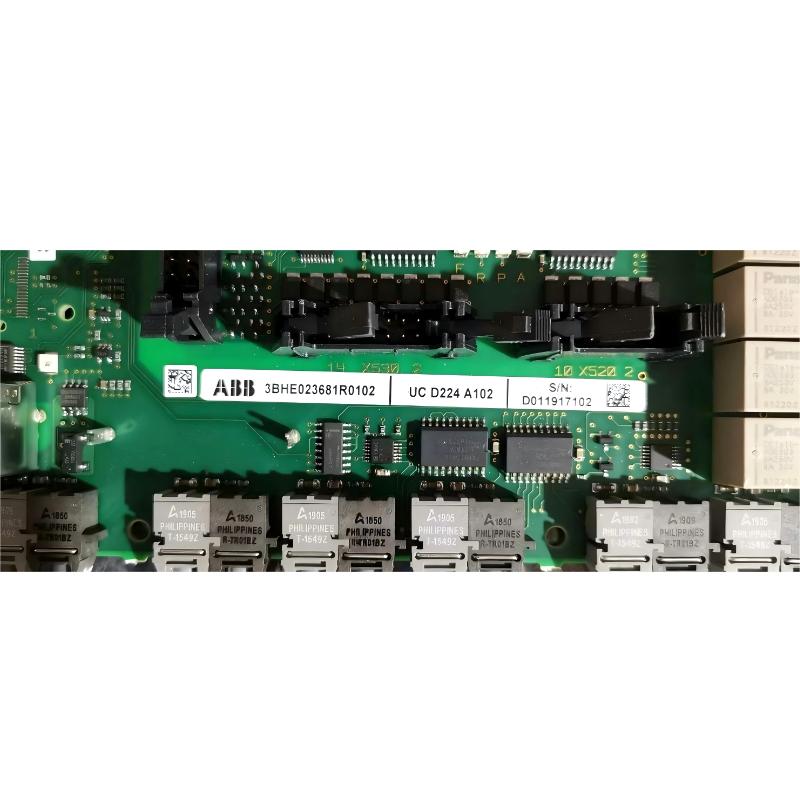
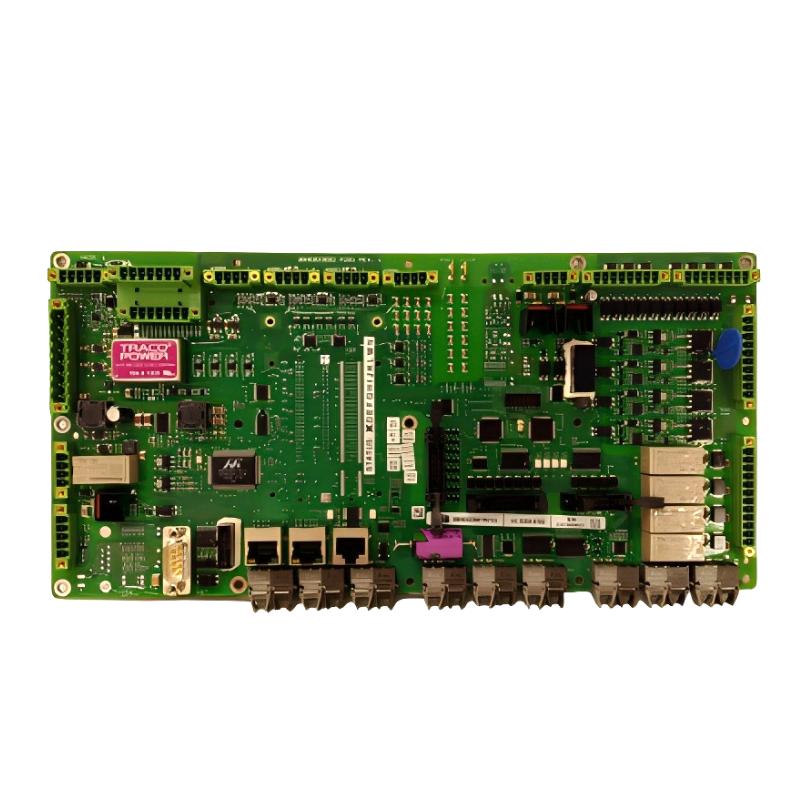
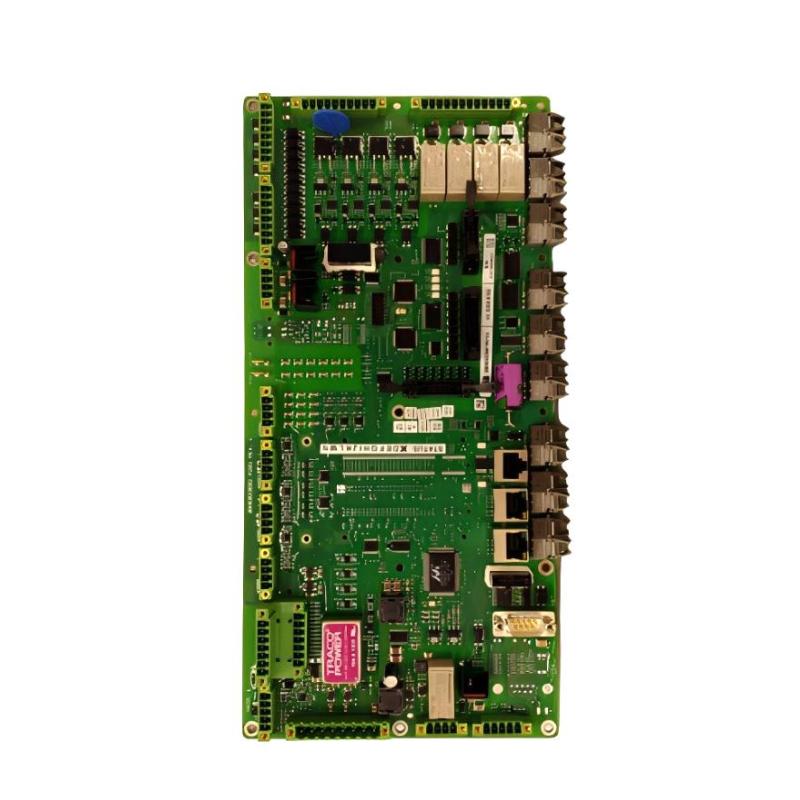
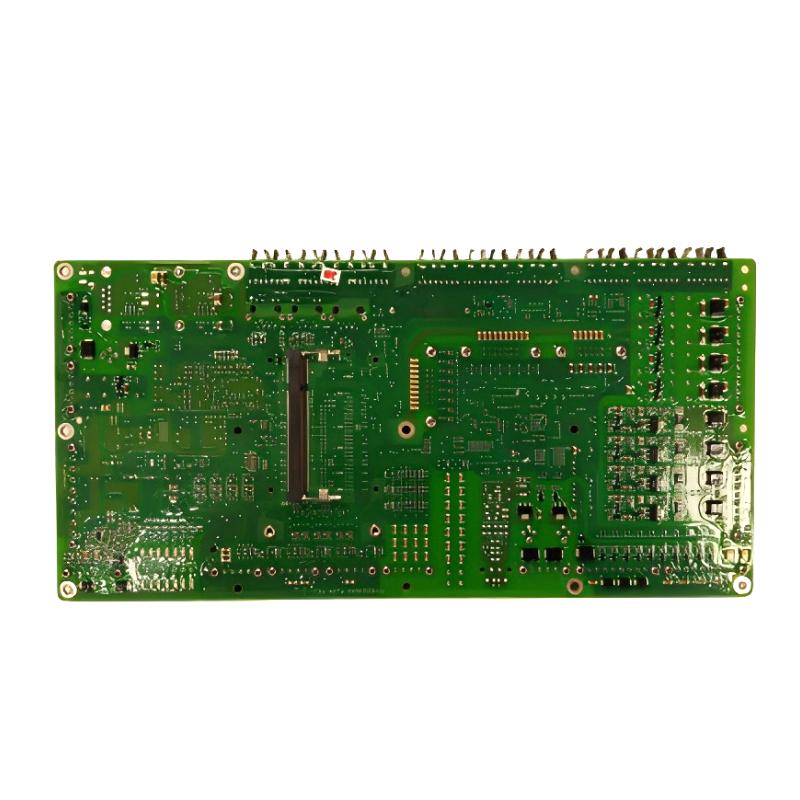
The ABB UC D224 A102 Control Module (3BHE023681R0102) is an advanced process control module designed for Distributed Control Systems (DCS) and industrial automation environments. It serves as a central processing and control unit responsible for managing real-time process logic, signal acquisition, and system-level coordination in complex industrial applications.
Built with ABB’s proven control system engineering, this module delivers stable computation performance, reliable I/O handling, and seamless integration with ABB excitation, drive, and automation platforms. It is widely used in mission-critical environments where precision, uptime, and system reliability are essential.
Technical Specifications
| Parameter | Specification |
|---|
| Manufacturer | ABB |
| Model | UC D224 A102 |
| Part Number | 3BHE023681R0102 |
| Product Type | Control Module / DCS Process Controller |
| System Application | ABB DCS / Industrial automation systems |
| Control Function | Process logic, I/O management, system coordination |
| Input/Output Capacity | Multi-channel digital & analog I/O (system dependent) |
| Communication Protocol | Industrial fieldbus / system bus integration |
| Operating Voltage | 24 V DC (typical DCS architecture) |
| Operating Temperature | -20°C to +70°C |
| Storage Temperature | -40°C to +85°C |
| Protection Features | Electrical isolation, surge resistance (system dependent) |
| Installation Type | Rack-mounted control system module |
| Dimensions | Approx. 150 × 100 × 53 mm |
| Weight | Approx. 1–1.5 kg |
| Communication Interfaces | Modbus TCP/IP, Profibus DP (variant dependent) |
Industrial Applications
The ABB UC D224 A102 module is widely deployed in industrial environments requiring stable process control and high system integration:
-
Power plant distributed control systems (DCS)
-
Turbine and generator control systems
-
Industrial process automation plants
-
Oil & gas production and refining systems
-
Chemical processing and manufacturing lines
-
Heavy industrial machinery control platforms
-
Energy management and grid automation systems
-
Marine and offshore control systems
It acts as a reliable control backbone for coordinated multi-loop industrial processes.
Key Advantages
Advanced Process Control Capability
Delivers precise execution of industrial control logic for stable and efficient plant operation.
High System Integration Flexibility
Designed to interface seamlessly with ABB DCS, PLC, and excitation control systems.
Stable Real-Time Performance
Ensures fast response to process changes, improving system efficiency and operational safety.
Industrial-Grade Reliability
Built for continuous operation in harsh environments with strong resistance to electrical noise.
Scalable Architecture
Supports expansion through modular I/O and communication integration.
ABB Engineering Quality
Manufactured to strict industrial standards for long lifecycle and dependable performance.
Technical FAQs
1. What is the main function of the ABB UC D224 A102?
It acts as a process control module managing logic, I/O, and system coordination in DCS systems.
2. Where is it commonly used?
It is used in power plants, industrial automation systems, and process industries.
3. Is it a PLC or DCS module?
It is primarily a DCS control module but functions similarly to a PLC in process control tasks.
4. What systems is it compatible with?
It integrates with ABB DCS, excitation systems, and industrial control platforms.
5. What is its operating voltage?
Typically 24V DC in standard industrial control architectures.
6. What is its operating temperature range?
From -20°C to +70°C.
7. What is its weight?
Approximately 1–1.5 kg.
8. Does it support industrial communication protocols?
Yes, including Modbus and Profibus variants depending on system configuration.
9. Can it be used in retrofit projects?
Yes, it is commonly used for system upgrades and replacements in DCS environments.
10. Why is a DCS control module important?
It ensures coordinated process control, stable automation performance, and high system reliability.
 A DCS Q Co., Ltd. - PLC and DCS Industrial Control Equipment Wholesale