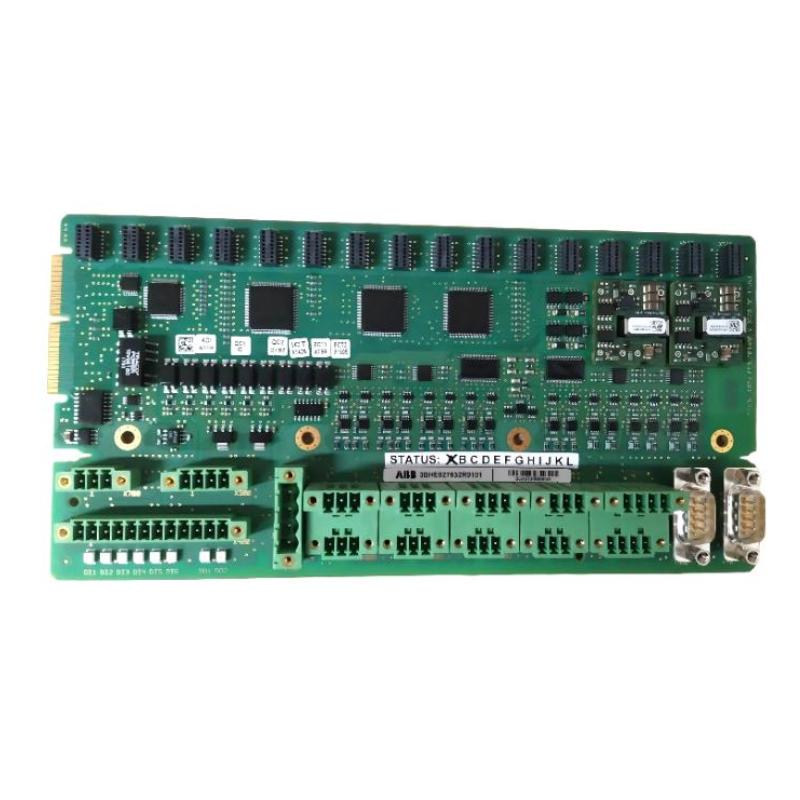
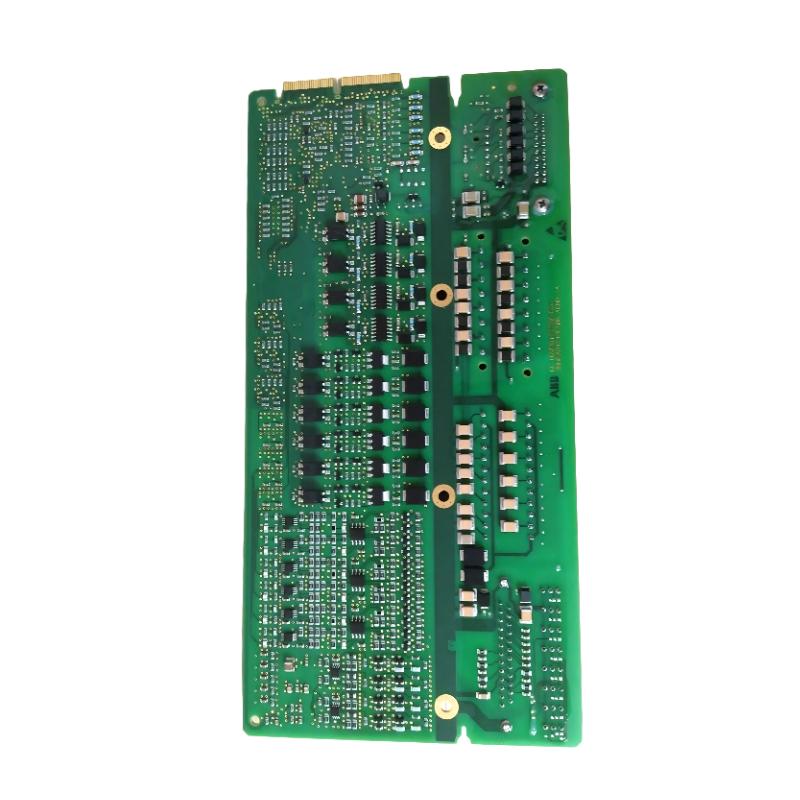
High-Performance Industrial Control Core for ABB Automation and Excitation Systems
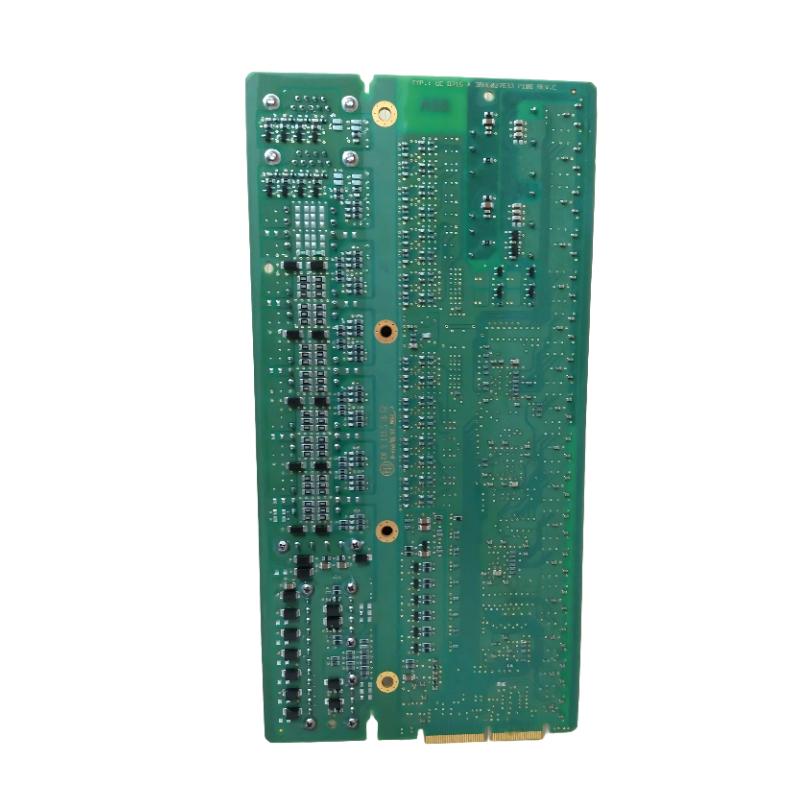
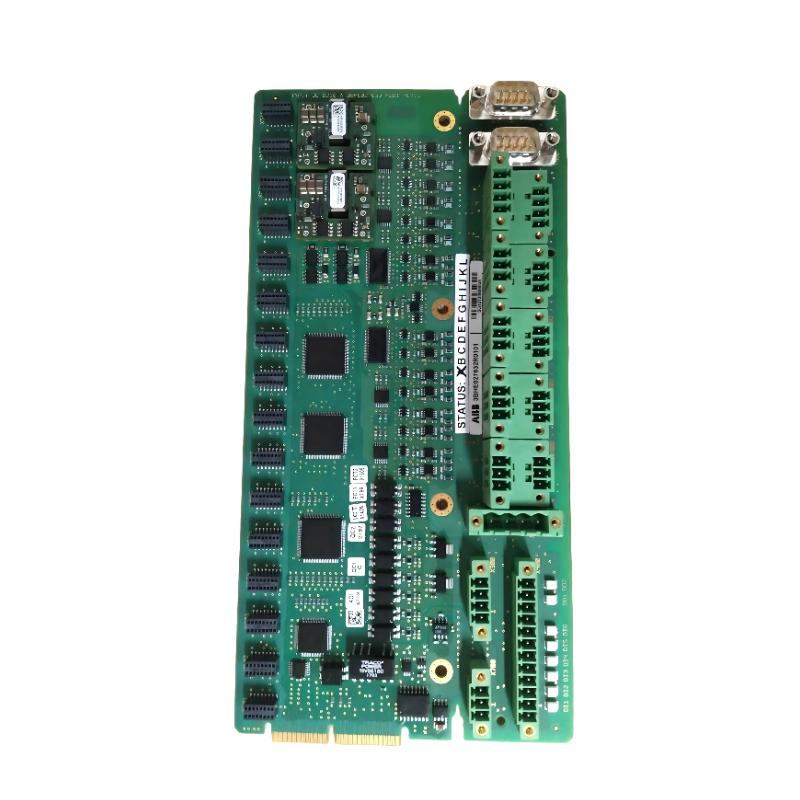
The ABB UC D216 A 3BHE027632R0101 Mainboard is an advanced industrial control motherboard designed for integration within ABB excitation, drive, and automation platforms. It functions as a central processing unit for system coordination, signal handling, and control logic execution, ensuring stable and precise operation in complex industrial environments.
Engineered with ABB’s robust control architecture, this mainboard supports high-speed data processing, reliable field signal communication, and stable system-level coordination for power generation and industrial automation applications.
Technical Specifications
| Parameter | Specification |
|---|
| Manufacturer | ABB |
| Model | UC D216 A |
| Part Number | 3BHE027632R0101 |
| Product Type | Mainboard / Control Module |
| System Application | ABB excitation & industrial control systems |
| Primary Function | Central control, signal processing & system coordination |
| Control Type | Digital industrial control logic |
| Input/Output Interface | System-dependent analog & digital signal handling |
| Communication | Internal ABB system bus architecture |
| Operating Temperature | -20°C to +60°C |
| Storage Temperature | -40°C to +85°C |
| Humidity Range | 5%–95% non-condensing |
| Installation Type | Rack-mounted control system module |
| Cooling Method | Cabinet airflow / passive cooling |
| Construction | Industrial-grade PCB with reinforced components |
Industrial Applications
The ABB UC D216 A mainboard is widely used in high-reliability industrial control systems where centralized processing and stable signal coordination are essential:
-
ABB excitation and generator control systems
-
Industrial automation and process control systems
-
Power plant control cabinets
-
Turbine and generator management systems
-
Energy distribution and grid control platforms
-
Heavy industrial machinery control systems
-
Marine and offshore electrical systems
-
Retrofit and system upgrade projects
It serves as the “brain” of the control architecture, ensuring synchronized operation between measurement, communication, and execution modules.
Key Advantages
Centralized Control Intelligence
Acts as the core processing unit, coordinating multiple subsystems for stable and synchronized operation.
High Reliability Architecture
Designed for continuous industrial operation with strong resistance to electrical noise and environmental stress.
Stable Signal Processing Performance
Ensures accurate handling of control and feedback signals across connected modules.
ABB System Integration
Fully compatible with ABB excitation and automation platforms for seamless deployment.
Robust Industrial Construction
Built with durable PCB design and high-quality components for long service life.
Efficient System Coordination
Improves overall system responsiveness by managing communication between multiple control layers.
Technical FAQs
1. What is the main function of the ABB UC D216 A mainboard?
It acts as a central control board managing system logic, signal processing, and coordination.
2. Where is it commonly used?
It is used in power plants, industrial automation systems, and ABB excitation platforms.
3. Is it a PLC or control motherboard?
It functions as a system-level industrial control mainboard within ABB architectures.
4. What systems is it compatible with?
It is typically used in ABB excitation and distributed control systems.
5. What is its operating temperature range?
It operates between -20°C and +60°C.
6. Is it suitable for continuous operation?
Yes, it is designed for 24/7 industrial environments.
7. Does it support communication with other modules?
Yes, it connects via ABB internal system bus architectures.
8. What is its role in excitation systems?
It coordinates control signals between measurement, regulation, and protection modules.
9. Is it suitable for retrofit projects?
Yes, it is often used in replacement and upgrade scenarios.
10. Why is a mainboard important in industrial systems?
It ensures synchronized control, stable operation, and efficient system-level coordination.
 A DCS Q Co., Ltd. - PLC and DCS Industrial Control Equipment Wholesale