Applications
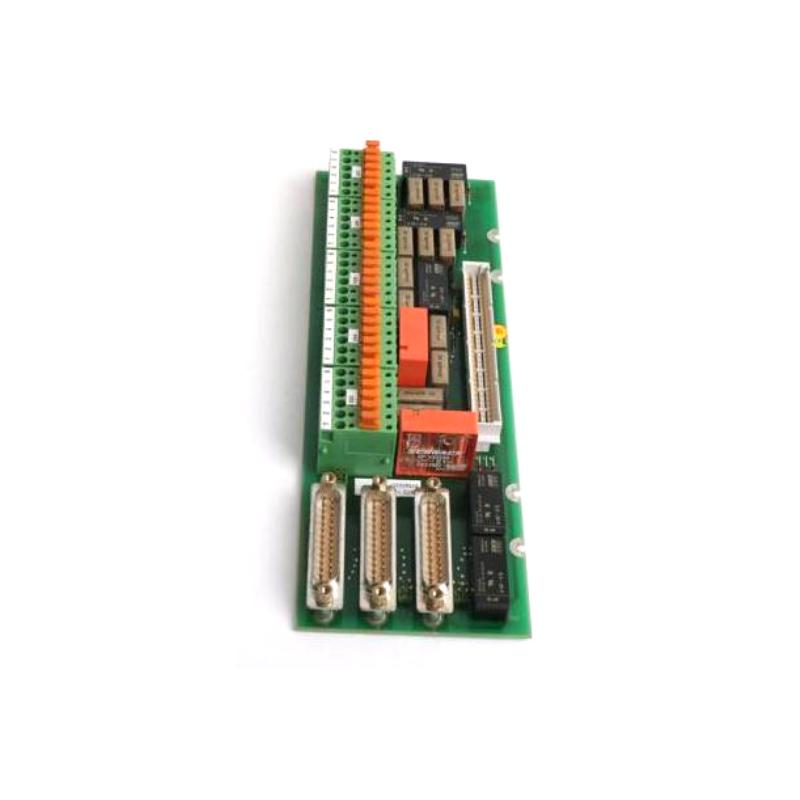
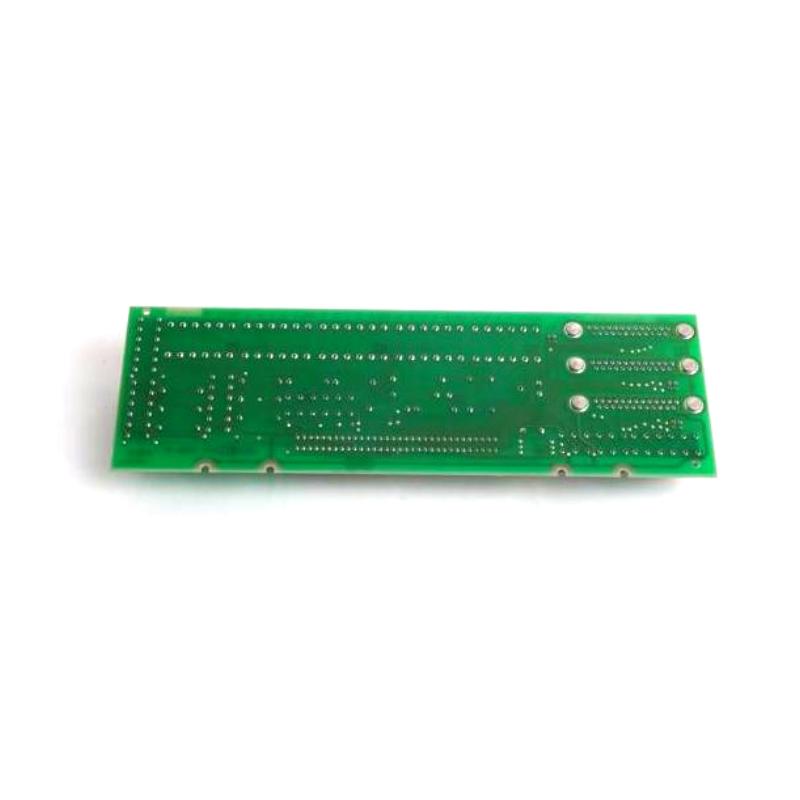
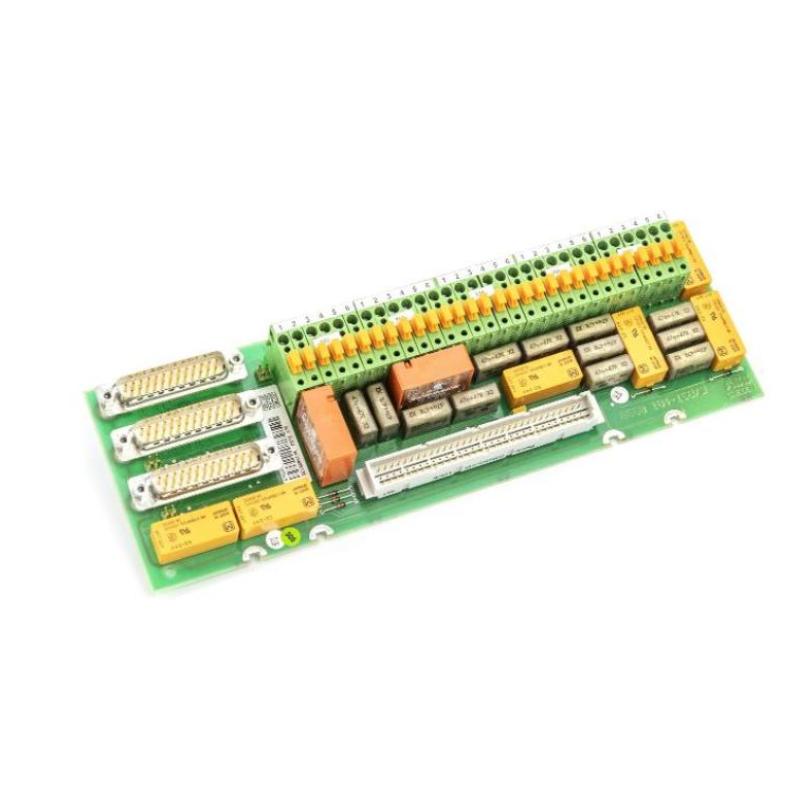
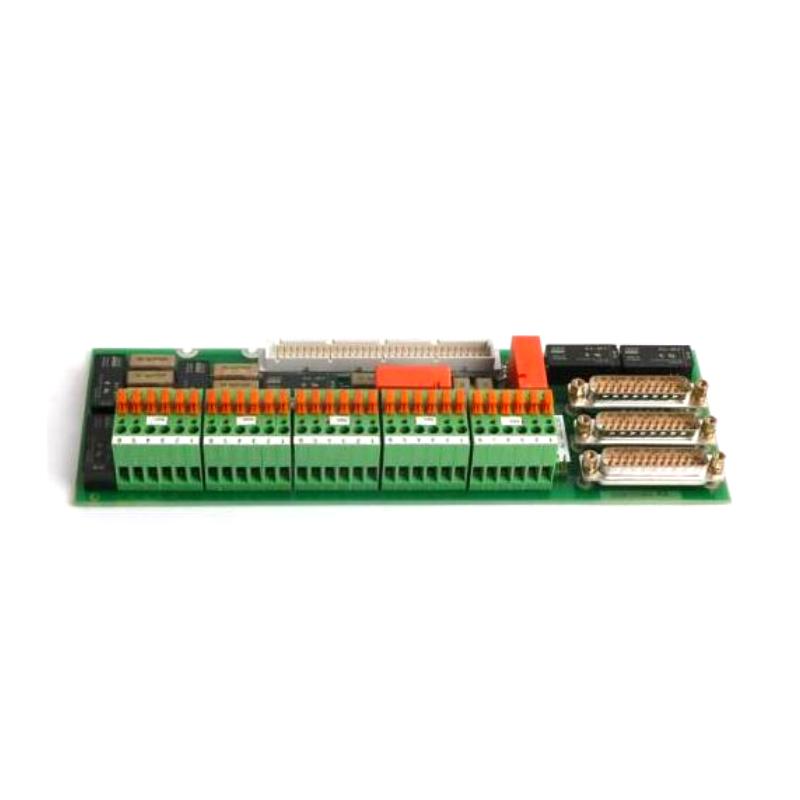
The DSTC 170 Connection Unit is engineered for industrial automation environments where structured signal handling and communication interfacing are required:
-
Central wiring hub for distributed I/O in robot controllers and PLC systems
-
Organized termination point for asynchronous communication lines
-
Interface between field sensors/actuators and controller networks
-
Wiring consolidation in production cabinets and OEM automation panels
-
Retrofit installations that require structured signal re‑routing
By reducing cable clutter and centralizing signal connections, the DSTC 170 enhances operational clarity and simplifies troubleshooting.
Advantages
-
Organized Signal Management: Centralizes diverse wiring into a structured interface, improving accessibility and reducing errors.
-
Industrial‑Ready Build: Designed to withstand typical factory temperatures and humidity without performance degradation.
-
Flexible Mounting: Supports DIN rail, panel, or rack installation to suit varying control architectures.
-
Clear Terminal Labeling: Simplifies installation, inspection, and maintenance for technicians.
-
Broad Signal Support: Accommodates digital I/O, control lines, and asynchronous communication paths in a single unit.
-
Seamless Integration: Works with ABB controllers, I/O modules, and communication networks in complex automation systems.
These features make the DSTC 170 a reliable foundation for signal interfacing and communication organization in industrial automation.
Technical FAQs (Frequently Asked Questions)
-
What is the primary purpose of the DSTC 170 unit?
It centralizes and organizes signal and communication wiring between field devices and controller networks.
-
What signal types does it support?
It supports digital I/O, control wiring, and asynchronous communication lines as configured in the system design.
-
What power supply does it require?
It uses system‑provided 24 V DC logic reference; no independent power supply is required.
-
Can it be mounted in different panel types?
Yes — it supports DIN rail, panel, or rack mounting depending on installation requirements.
-
Does it help with wiring organization?
Yes — the structured interface reduces cable clutter and streamlines routing.
-
Is the module suitable for industrial environments?
Yes — it’s designed to operate within typical factory temperature and humidity ranges.
-
How does it interface with the controller?
Signals connect via backplane or harness interfaces to the controller communication bus.
-
Is specialized cabling required?
Standard industrial cabling applies; no proprietary cables are necessary beyond system design.
-
Which industries commonly use this unit?
Automotive, robotics, discrete manufacturing, and process automation environments frequently deploy this connection hub.
-
Is maintenance and replacement straightforward?
Yes — clear label points and modular design make servicing accessible for qualified technicians.
 A DCS Q Co., Ltd. - PLC and DCS Industrial Control Equipment Wholesale