Introduction
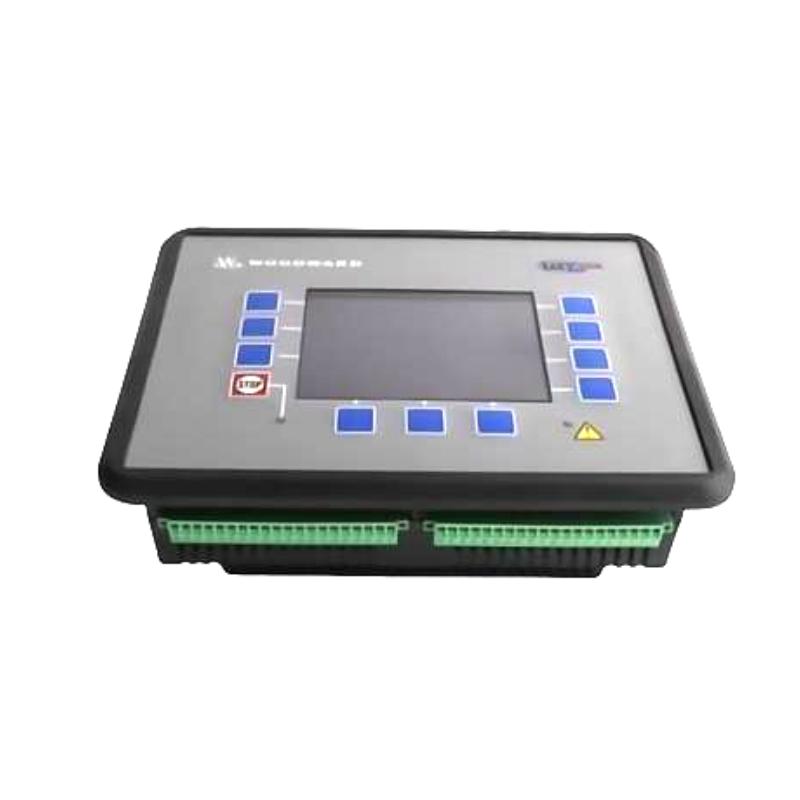
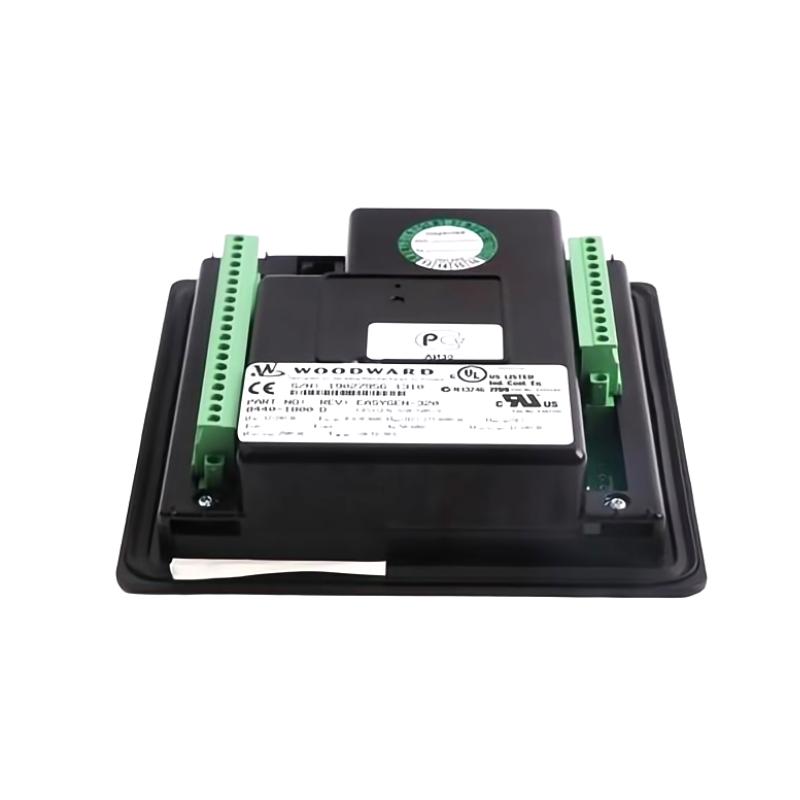
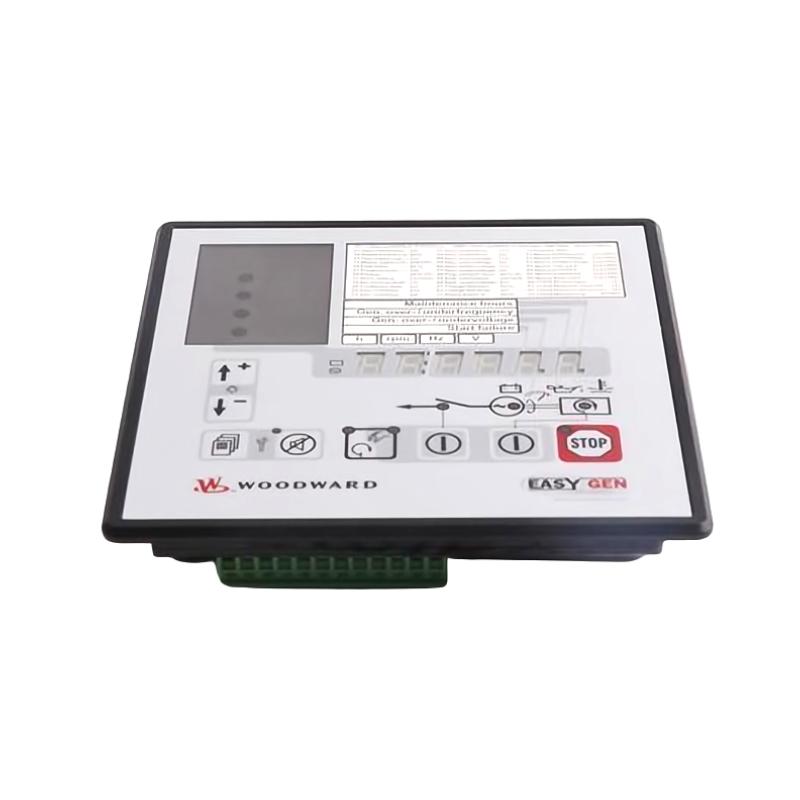
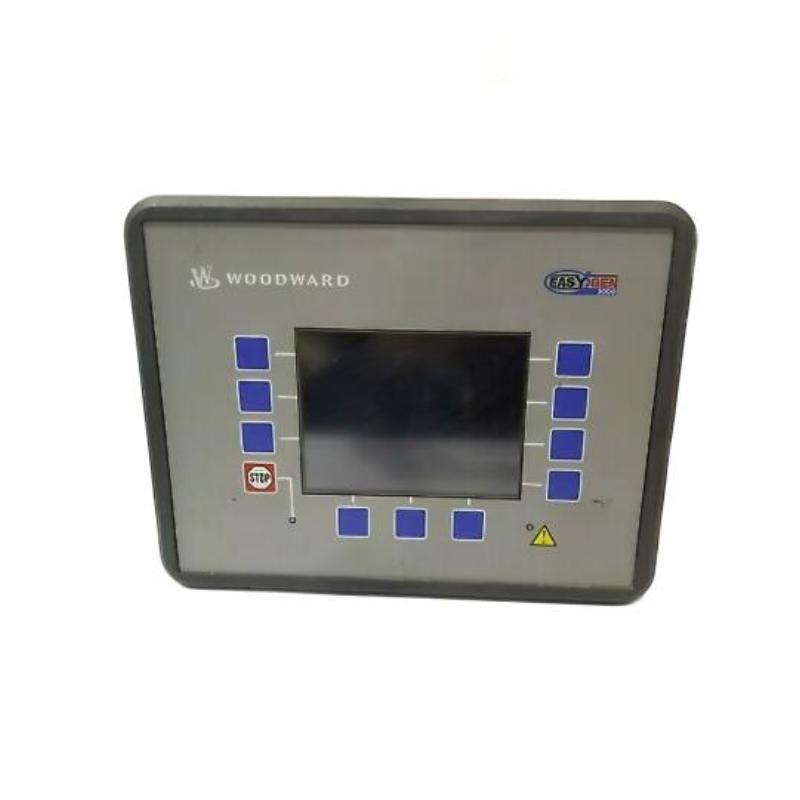
The Woodward 8440‑1800 Genset Controller is a rugged, high‑performance automation controller designed to deliver reliable operation in generator set (genset) applications across power generation, industrial, marine, and standby power systems. As part of the Woodward 8440 control family, this module offers advanced logic execution, fast response times, and comprehensive monitoring features that ensure stable control of engine, alternator, protection, and load management functions.
Built for harsh environments and continuous operation, the 8440‑1800 combines precise control with extensive communication and I/O support to optimize performance, safety, and uptime.
Technical Specifications
| Parameter | Specification |
|---|
| Model | 8440‑1800 |
| Product Type | Genset Controller Module |
| Manufacturer | Woodward |
| Control Platform | Woodward 8440 Distributed Control Architecture |
| Processor | High‑performance real‑time embedded CPU |
| Memory | Non‑volatile program storage + system RAM |
| I/O Interfaces | Digital I/O, Analog I/O, serial/network interfaces |
| Communication Protocols | Modbus, CAN, Ethernet, proprietary field protocols |
| Supported Systems | Standby gensets, prime power, base load, hybrid configurations |
| Power Supply | 24 V DC (nominal) |
| Operating Temperature | −20 °C to +70 °C |
| Storage Temperature | −40 °C to +85 °C |
| Humidity | 5–95 % non‑condensing |
| Mounting | DIN‑rail or panel mount |
| Dimensions (approx.) | ~230 × 150 × 70 mm |
| Weight | ~1.5 kg |
Applications
The 8440‑1800 Genset Controller is engineered for use in systems where reliable generation control and protection are essential:
-
Standby power systems for critical facilities (hospitals, data centers)
-
Prime power generation plants
-
Commercial and industrial generator sets
-
Marine propulsion and auxiliary power systems
-
Hybrid microgrid and distributed generation applications
Its deterministic processing and broad I/O support allow precise management of engine and alternator parameters under dynamic load conditions.
Advantages
-
Deterministic Genset Control: Real‑time execution supports coordinated protection and load management logic.
-
Broad I/O Flexibility: Digital and analog interfaces enable comprehensive monitoring and control of engine and generator parameters.
-
Protocol Versatility: Supports standard industrial protocols including Modbus, CAN, Ethernet, and proprietary communications.
-
High Environmental Tolerance: Designed to perform reliably across wide temperature and humidity ranges.
-
Adaptable Integration: Works seamlessly with operator interfaces, network gateways, and supervisory systems.
These capabilities make the 8440‑1800 an effective core controller for modern genset automation needs.
Technical FAQs
1. What is the primary application of the 8440‑1800?
It serves as a genset controller for standby, prime, and continuous power systems.
2. Which communication protocols are supported?
Modbus, CAN, Ethernet, and other field protocols depending on configuration.
3. What type of I/O does the controller support?
It supports a combination of digital and analog I/O, as well as network interfaces.
4. What power supply is required?
The controller typically operates on a nominal 24 V DC supply.
5. Can it handle load sharing between multiple generators?
Yes — with appropriate configuration and supporting modules, it supports load sharing logic.
6. Is it suitable for marine environments?
Yes — its rugged design and wide environmental ratings support demanding marine applications.
7. How is it mounted?
It can be mounted on a DIN rail or within a control panel rack.
8. Does it support redundancy?
Genset redundancy is achieved at the system level with appropriate architecture and hardware support.
9. How are alarms and protection sequences managed?
The controller executes built‑in logic for standard alarms and protective functions, configurable via engineering tools.
10. Can it interface with SCADA or auxiliary systems?
Yes — its Ethernet and industrial protocol support enables integration with higher‑level systems.
 A DCS Q Co., Ltd. - PLC and DCS Industrial Control Equipment Wholesale