Applications
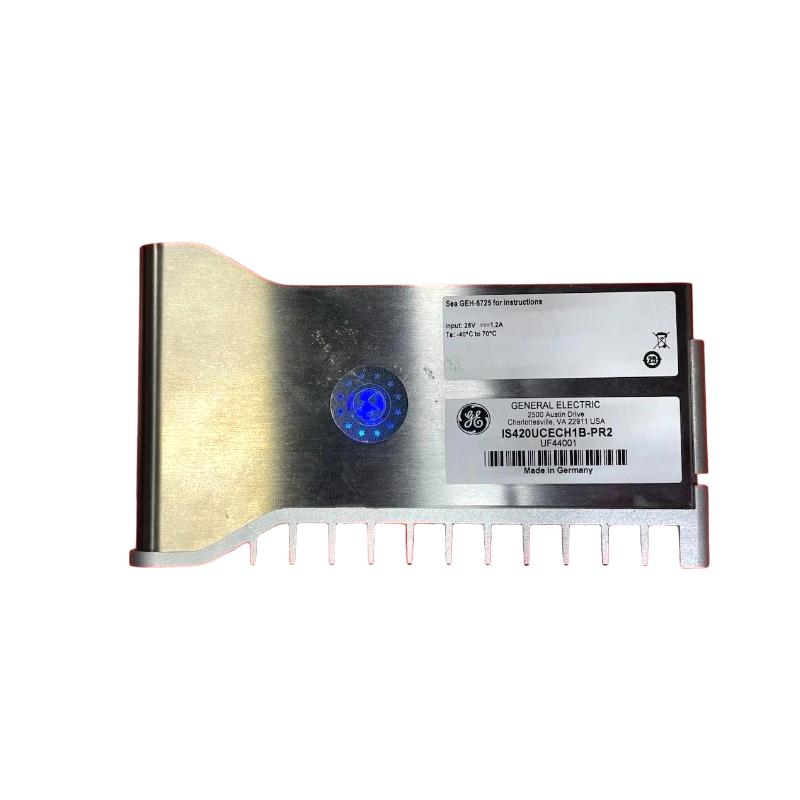
The IS420UCSCH1A controller is widely adopted in high‑availability industrial environments requiring deterministic, real‑time control:
-
Gas and steam turbine automation in power generation
-
Balance‑of‑Plant control systems for thermal and combined cycle plants
-
Offshore and onshore oil & gas facilities
-
Industrial process automation with tight synchronization requirements
-
Distributed control systems (DCS) supporting redundant configurations
It excels in scenarios where system stability, precise timing, and industrial Ethernet integration are essential for complex control tasks.
Advantages
The IS420UCSCH1A stands out for its blend of processing power and robust industrial design. Its quad-core processor delivers fast execution of control algorithms and supports multitasking under the QNX real-time operating system, ensuring deterministic performance even in demanding conditions.
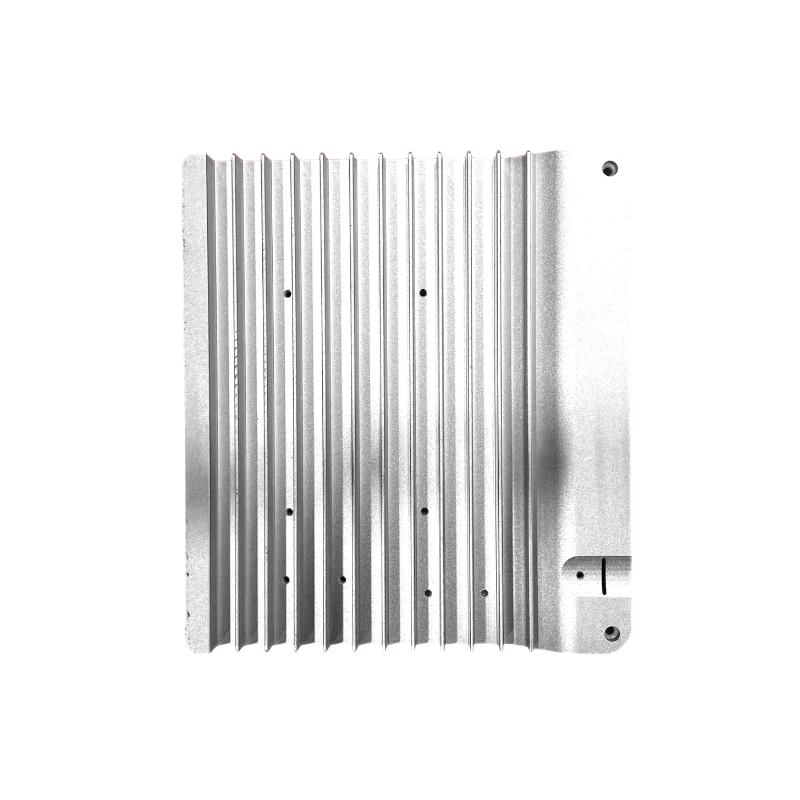
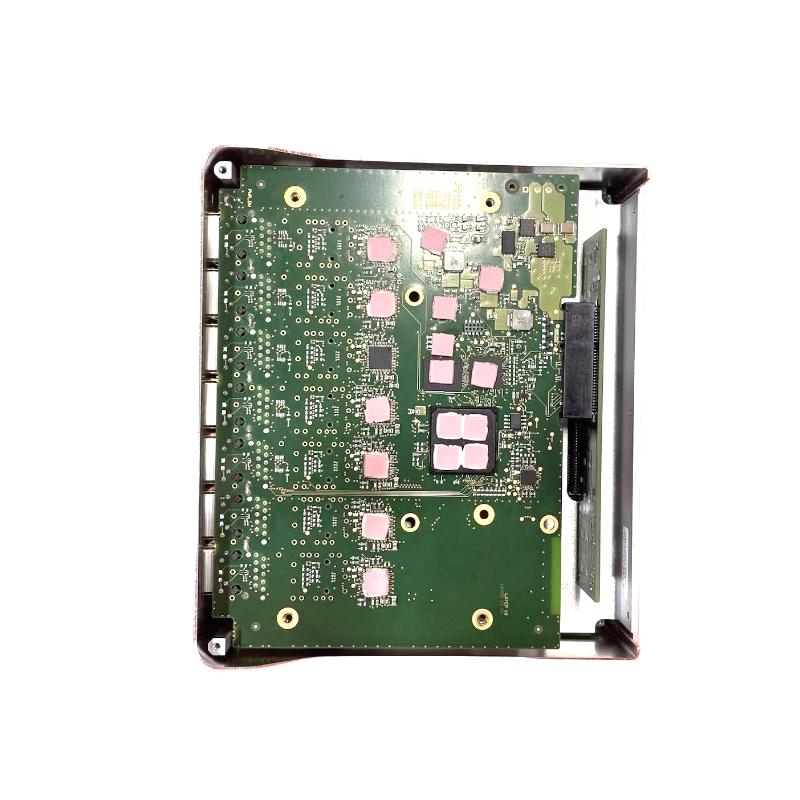
With multiple network ports and broad protocol support, it integrates seamlessly into Mark VIe architectures, enabling flexible communication paths and simplified system expansions. Its convection cooling and fanless construction enhance reliability by eliminating moving parts, reducing maintenance needs and extending operational life.
The module’s precision time synchronization and real-time data handling provide dependable control coordination across large installations, helping minimize latency, improve system responsiveness, and support redundancy schemes when required.
Technical FAQs
1. What operating system does the IS420UCSCH1A run?
It runs on QNX Neutrino, a real-time operating system designed for deterministic performance.
2. What kind of processor does it use?
A quad-core AMD G-Series processor (approx. 1.2 GHz).
3. How many network ports are available?
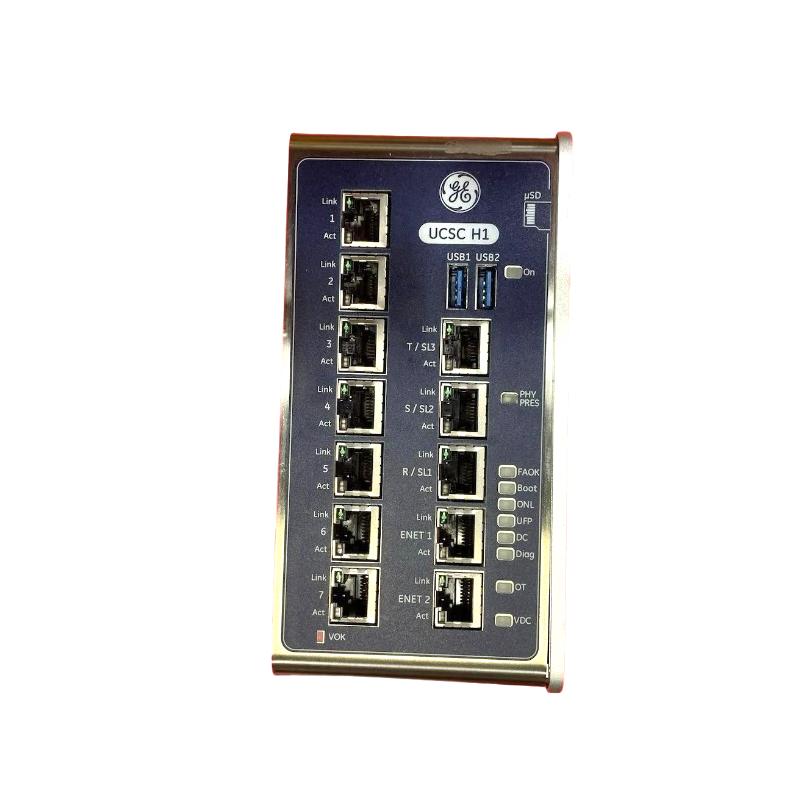
Typically six or more industrial Ethernet ports for flexible connectivity.
4. Does it support redundancy configurations?
Yes, it can be integrated into systems with simplex, dual, or TMR redundancy schemes.
5. What is the typical operating temperature range?
Designed to operate reliably from approximately -40°C to +70°C.
6. How does it handle synchronization across I/O modules?
It uses IEEE 1588 Precision Time Protocol for synchronized control across distributed I/O.
7. Can it run cloud-enabled or advanced analytics?
With its robust OS and embedded architecture, it supports advanced communication and integration layers that can interface with higher-level analytics systems.
8. Is it suitable for harsh environments?
Yes, its rugged design and broad temperature tolerance make it suitable for industrial conditions.
9. What are its primary communication protocols?
IONet industrial Ethernet with optional support for PROFINET, EtherCAT, and other protocols depending on system setup.
10. Does it support remote monitoring?
Yes, Ethernet connectivity and real-time data capabilities facilitate integration with HMIs and monitoring systems.
 A DCS Q Co., Ltd. - PLC and DCS Industrial Control Equipment Wholesale