Smart Fieldbus Connectivity for Distributed I/O
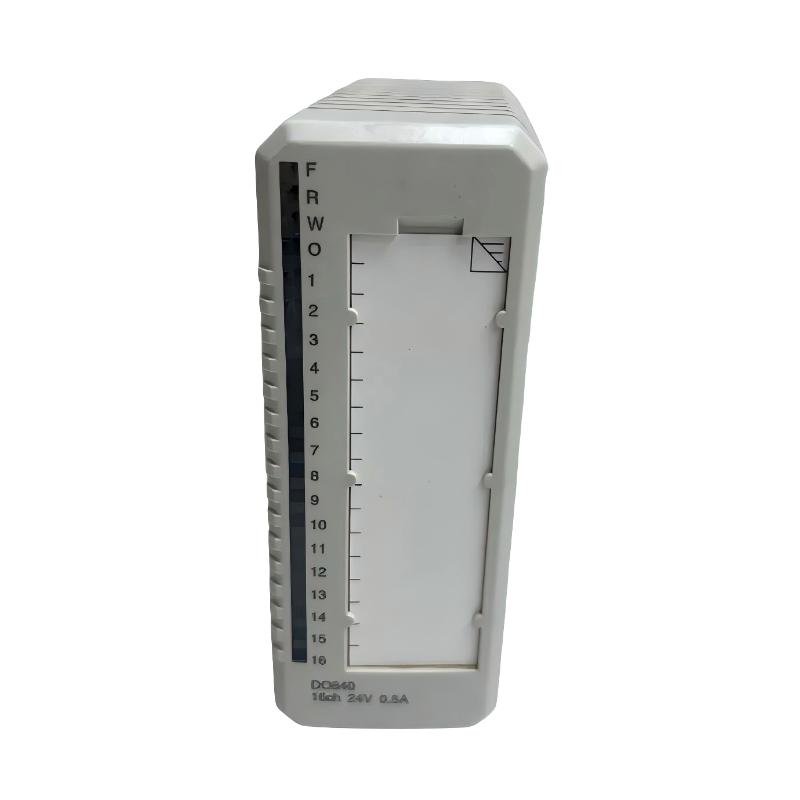
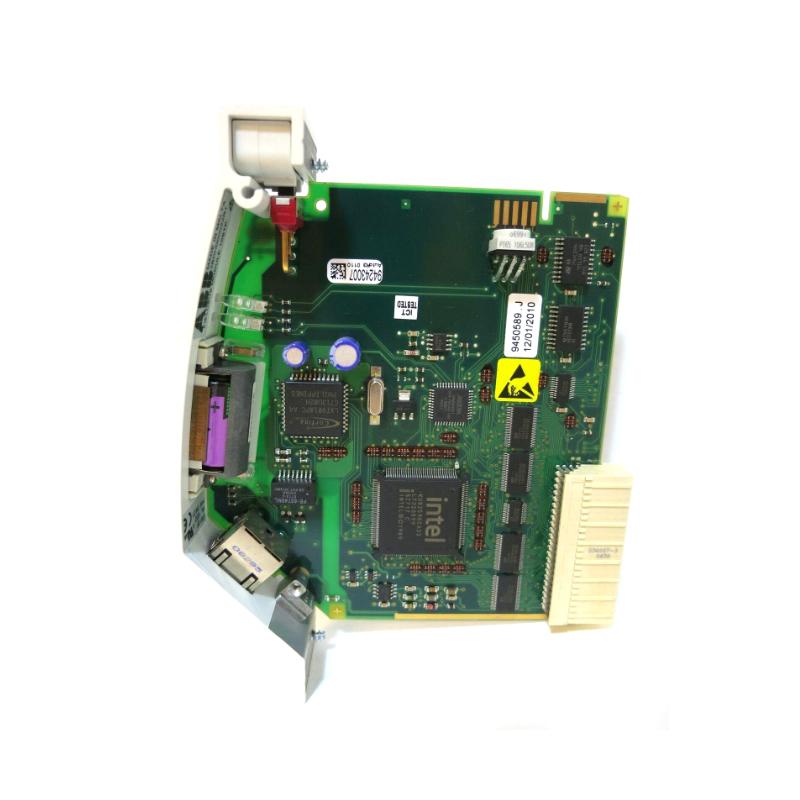
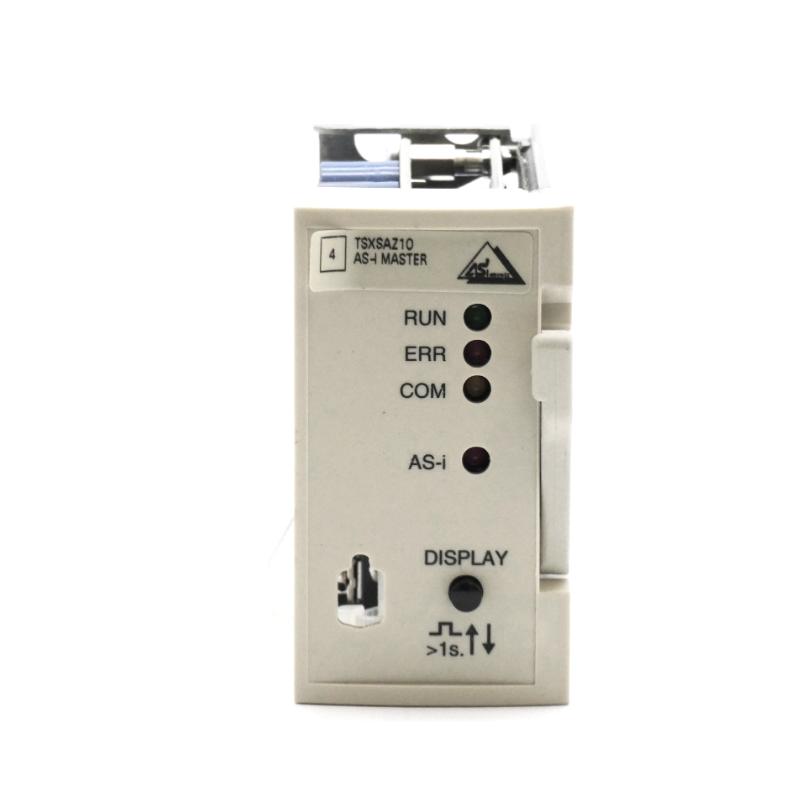
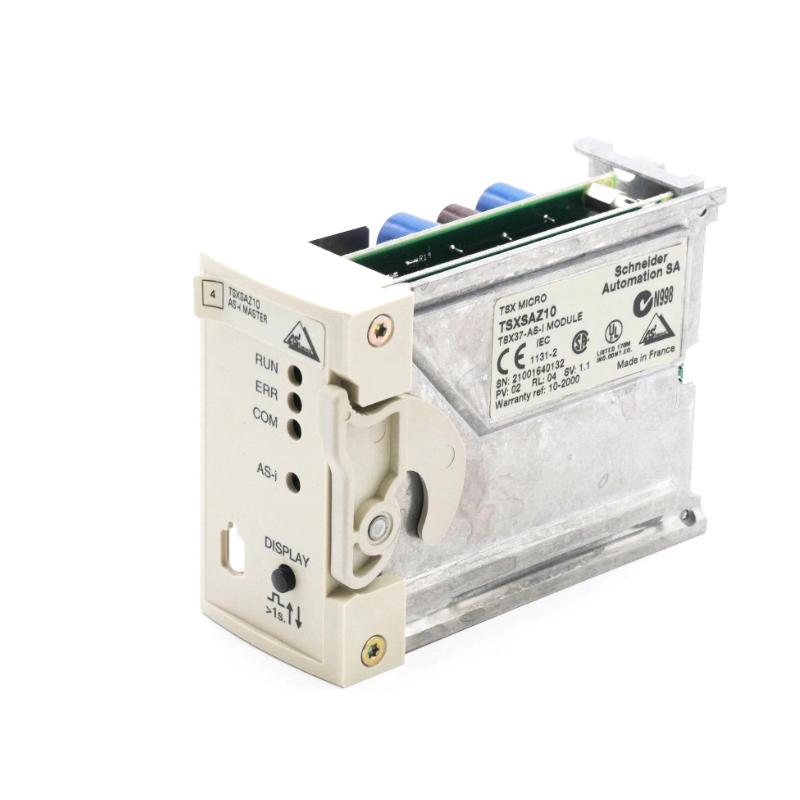
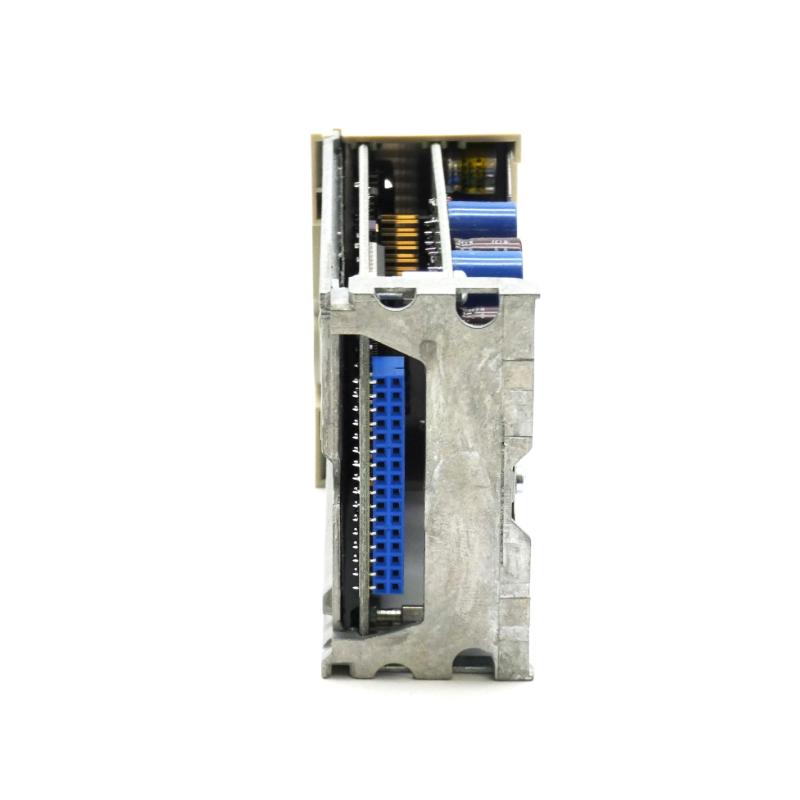
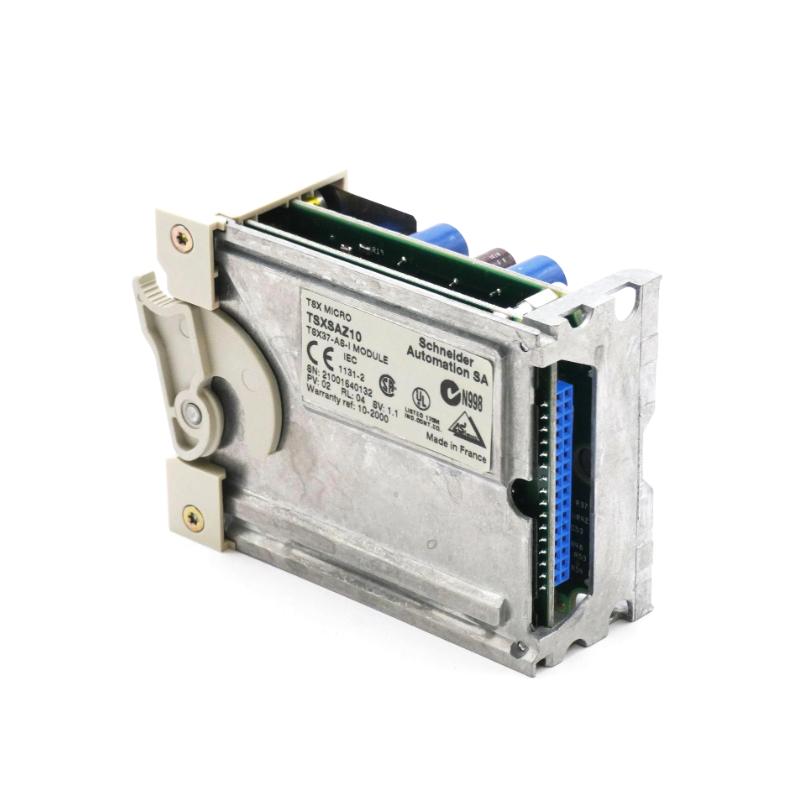
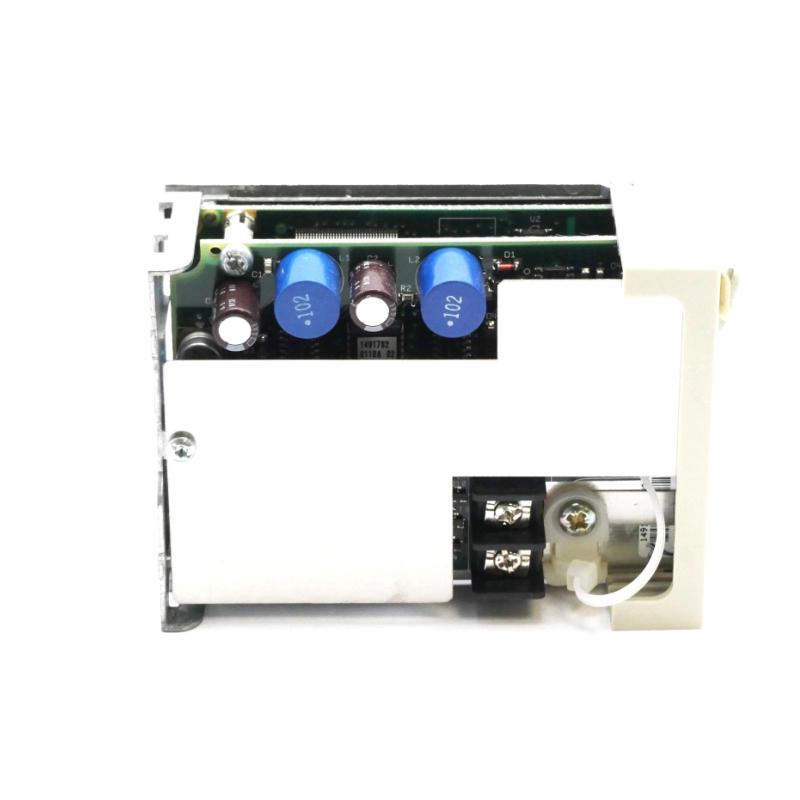
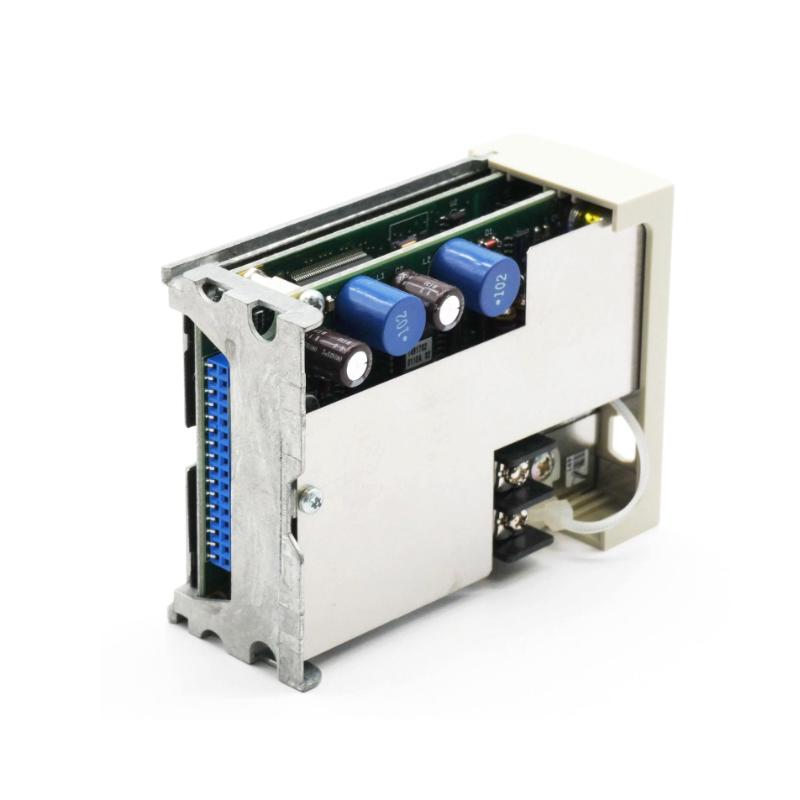
The Schneider TSXSAZ10 AS‑Interface Master Module is a rugged industrial communication interface designed to serve as the gateway between an AS‑Interface (Actuator‑Sensor Interface) network and a higher‑level programmable controller or automation system. It enables fast, deterministic exchange of discrete I/O data with field devices such as sensors, actuators, and safety components, simplifying wiring and enabling scalable distributed control solutions.
This module fits naturally into modular PLC architectures, providing robust fieldbus performance, easy expansion, and clear diagnostics—making it a reliable choice for machine builders and process automation engineers.
Technical Specifications
| Parameter | Specification |
|---|
| Product Type | AS‑Interface Master Module |
| Model Number | TSXSAZ10 |
| Fieldbus Interface | AS‑Interface v2.1 compliant |
| Max AS‑I Nodes Supported | Up to 62 per segment |
| AS‑Interface Baud Rate | 167 kBaud |
| Communication Master Port | Fieldbus to PLC backplane / CPU interface |
| I/O Data Exchange | Cyclic input/output data |
| Status Indicators | Power, Bus, Error, Activity LEDs |
| Isolation Voltage | 500 V DC between fieldbus & logic |
| Operating Temperature | 0°C to 60°C |
| Storage Temperature | ‑20°C to 70°C |
| Mounting | DIN‑rail or panel mount |
| Dimensions (HxWxD) | Approx. 90 × 70 × 60 mm |
| Weight | Approx. 0.35 kg |
Typical Applications
The TSXSAZ10 is widely used in automation environments where a large number of discrete I/O points are distributed across machines or along production lines. Its AS‑Interface connectivity greatly reduces wiring complexity for sensors and actuators, making it ideal for:
-
Material handling and packaging systems where multiple proximity switches and solenoids must be coordinated.
-
Conveyor systems with distributed I/O requiring real‑time control feedback.
-
Machine safety networks pairing safety interlocks with master controllers.
-
Modular production cells with frequent reconfiguration requirements.
By placing I/O intelligence closer to the field devices, this module helps shorten installation time and improve diagnostics, while maintaining high‑speed cyclic communication.
Key Advantages and Benefits
The TSXSAZ10 Master Module stands out for its combination of performance, ease of use, and industrial reliability:
-
Simplified Field Wiring: AS‑Interface drastically reduces cabling for discrete I/O networks compared to individual point‑to‑point wiring.
-
High Node Capacity: Supports up to 62 nodes per segment, enabling dense sensor/actuator networks.
-
Real‑Time Data Exchange: Provides fast cyclic data transfer suitable for high‑speed control loops.
-
Robust Diagnostics: Visual LED indicators for power, bus status, and communication activity assist with rapid troubleshooting.
-
Industrial Durability: Designed to withstand temperature variations, electrical noise, and vibration common in automation panels.
This module improves system scalability and flexibility while lowering installation costs and streamlining maintenance routines.
Technical FAQs
1. What fieldbus standard does this module support?
AS‑Interface (AS‑I) v2.1 compliant networking for discrete field devices.
2. How many AS‑I nodes can it manage?
Up to 62 devices per segment.
3. What is the typical AS‑I baud rate?
167 kBaud for cyclic communication.
4. What types of devices can be connected through AS‑I?
Sensors, actuators, solenoids, safety modules, and other discrete I/O devices.
5. Does it provide diagnostic feedback?
Yes, status LEDs indicate power presence, bus activity, and errors.
6. What environments can it operate in?
Industrial environments with operating temperatures from 0°C to 60°C.
7. How is it mounted?
DIN‑rail or panel mounting for flexible cabinet installation.
8. Is it isolated from the PLC logic?
Yes, fieldbus and logic circuitry are isolated for enhanced noise immunity.
9. Can it support multiple AS‑I segments?
Yes, with appropriate cabling and network configuration.
10. What is its typical use in automation systems?
Distributed I/O networking for discrete field devices in machine control, packaging, and material handling applications.
 A DCS Q Co., Ltd. - PLC and DCS Industrial Control Equipment Wholesale