Industrial Deployment Scenarios
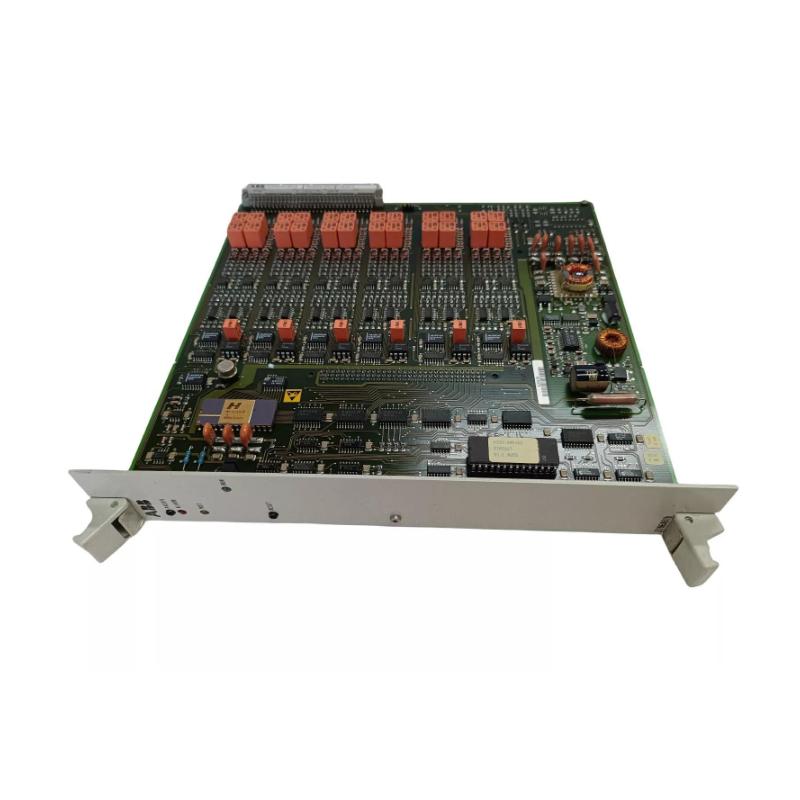
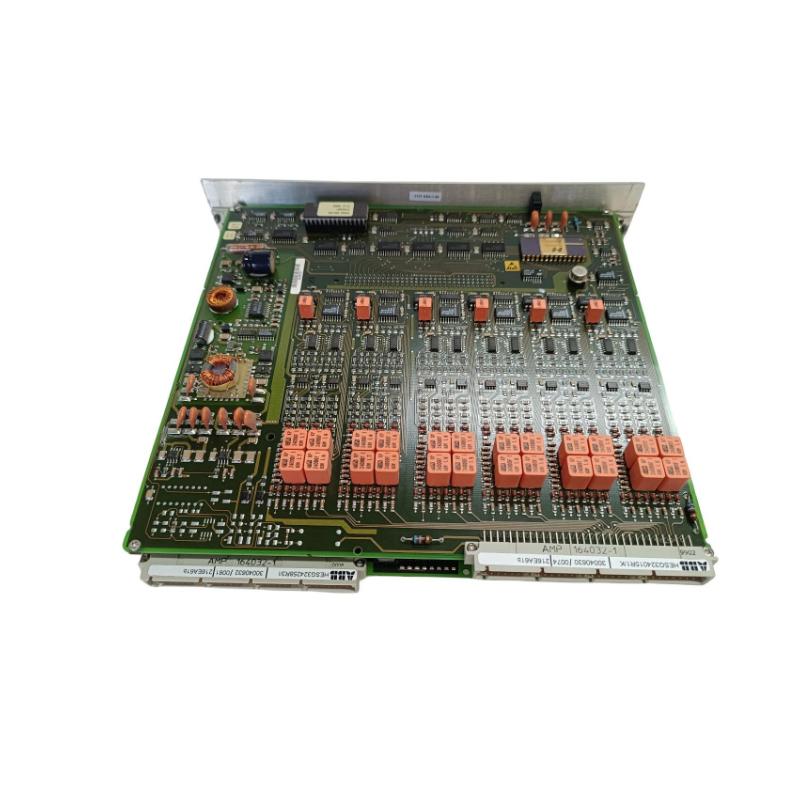
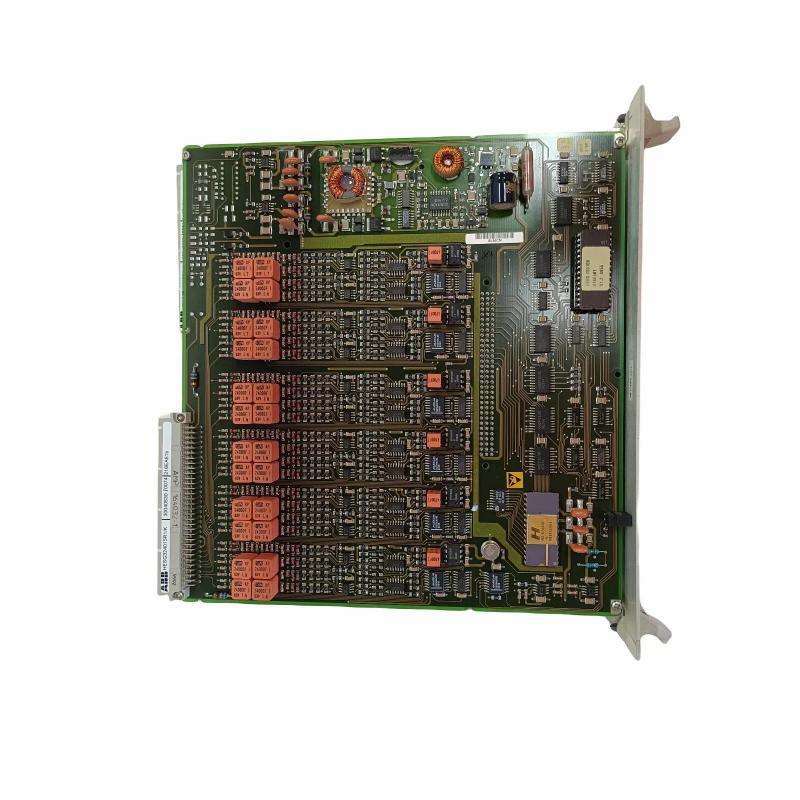
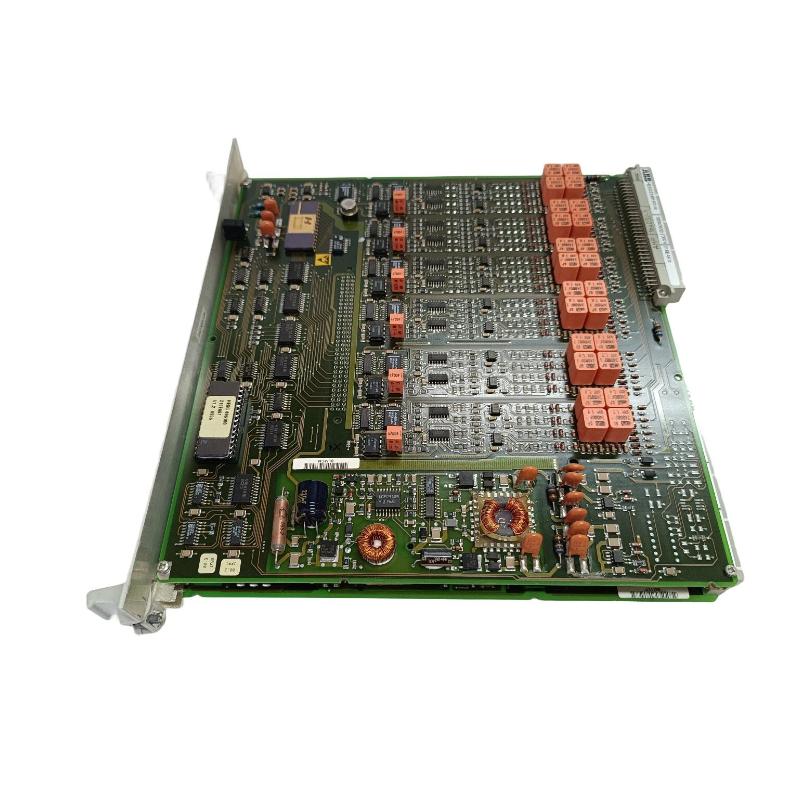
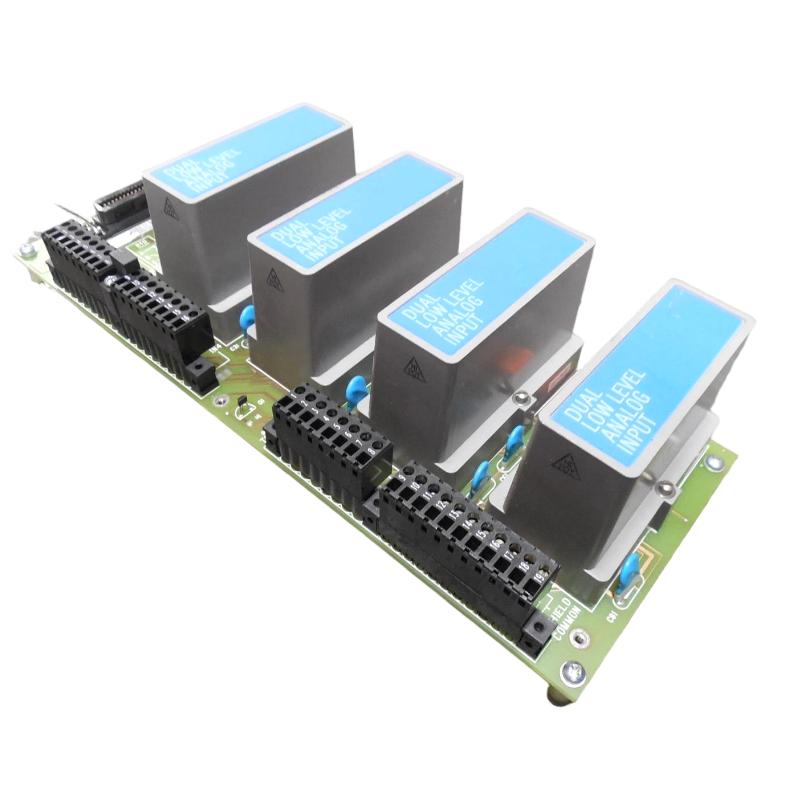
The ABB 216EA61B HE010207-306/40 Input Module is designed for reliable signal acquisition within industrial automation systems where accurate monitoring of field devices is essential. In complex control environments, this module acts as the interface between external sensors and the central control system, converting real-world signals into usable data for processing and decision-making.
Typical operational environments include:
-
Process automation systems in chemical and petrochemical facilities
-
Power generation plants monitoring instrumentation signals
-
Manufacturing lines requiring precise machine status feedback
-
Water and wastewater treatment facilities managing distributed sensors
-
Industrial monitoring systems where stable signal acquisition is required
By providing dependable input signal handling, the module
Engineering Benefits in Control Systems
Reliable Signal Acquisition
The module is designed to consistently capture input signals from field devices such as switches, sensors, and monitoring equipment, ensuring dependable system feedback.
Industrial System Compatibility
Engineered for integration with ABB automation platforms, the module works seamlessly within modular control system architectures.
Stable Operation in Harsh Environments
Industrial-grade design allows the module to maintain consistent performance under temperature fluctuations and continuous operational loads.
Efficient System Diagnostics
Integrated diagnostic capabilities help maintenance teams quickly identify signal anomalies, communication interruptions, or hardware faults.
Simplified System Expansion
The modular architecture allows additional input modules to be installed easily when system capacity needs to increase.
Technical FAQs
1. What type of signals can the 216EA61B input module process?
The module is designed to receive digital input signals from field devices such as limit switches, sensors, and status contacts.
2. How does the module communicate with the controller?
It communicates through the system backplane of the automation rack, allowing real-time data transfer to the central controller.
3. Does the module support diagnostic monitoring?
Yes. The module includes diagnostic features that help detect wiring faults, signal inconsistencies, and operational status conditions.
4. Can the module be used in distributed automation systems?
Yes. When integrated with compatible ABB controllers and communication networks, it can operate within distributed control architectures.
5. What type of wiring configuration is typically used?
Field devices are connected through terminal blocks designed to ensure stable signal transmission and easy maintenance.
6. How does the module handle electrical noise from industrial equipment?
The design incorporates filtering and signal conditioning features to reduce the impact of electrical interference.
7. Is hot-swapping supported in automation racks?
Depending on the system configuration, certain ABB racks allow module replacement without shutting down the entire control system.
8. What happens if an input signal is lost?
The system controller can detect the change of state and trigger alarms or predefined control logic.
9. Can the module be integrated into redundant control systems?
Yes. In redundant architectures, the module can provide input signals to backup controllers to maintain operational continuity.
10. How are maintenance diagnostics typically accessed?
Diagnostics are usually accessed through the system engineering software used for configuring and monitoring the ABB automation platform.
 A DCS Q Co., Ltd. - PLC and DCS Industrial Control Equipment Wholesale