Introduction
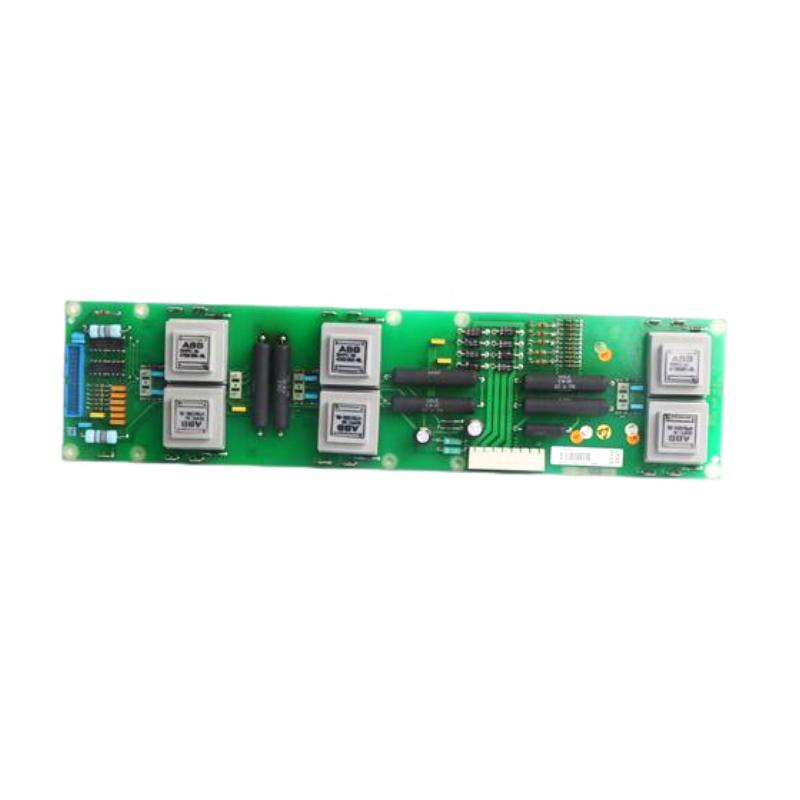
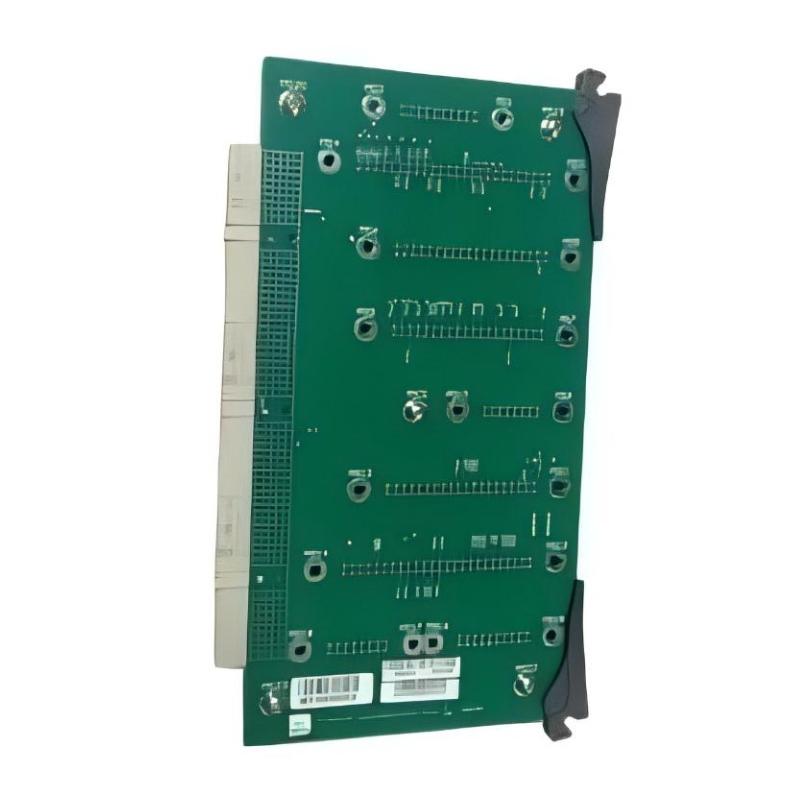
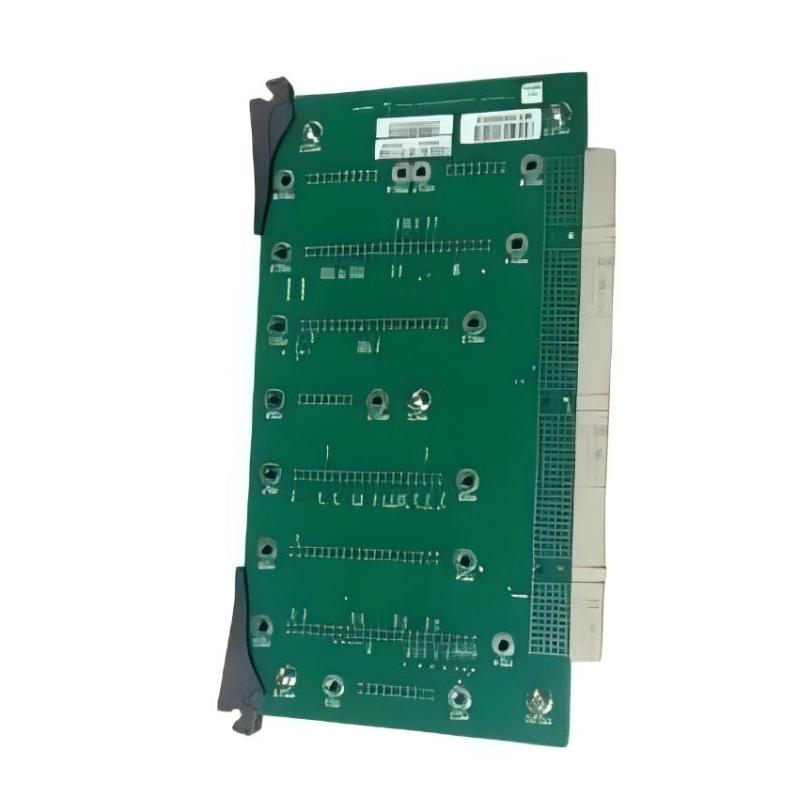
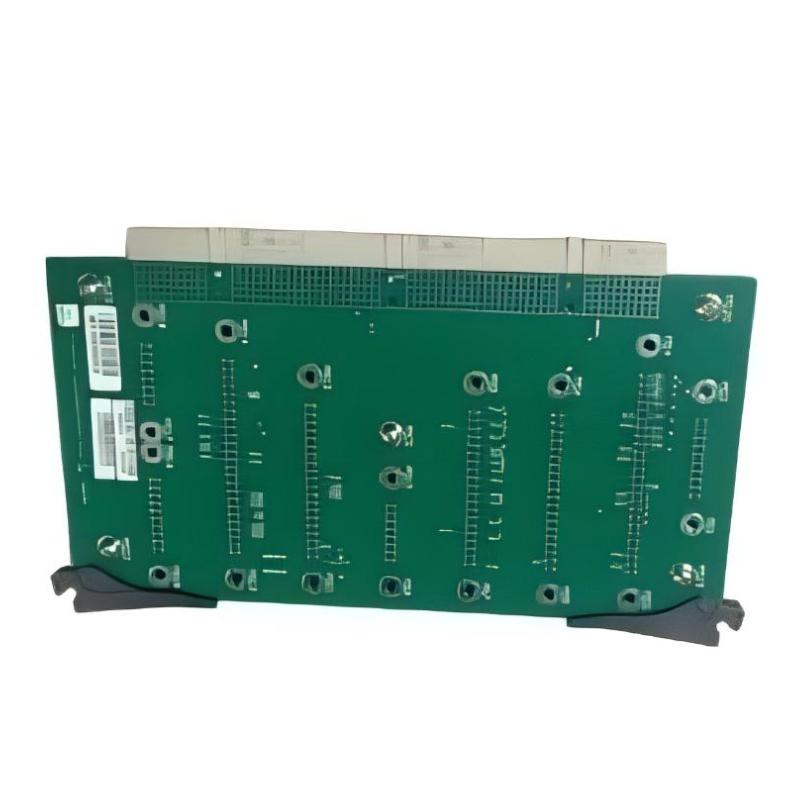
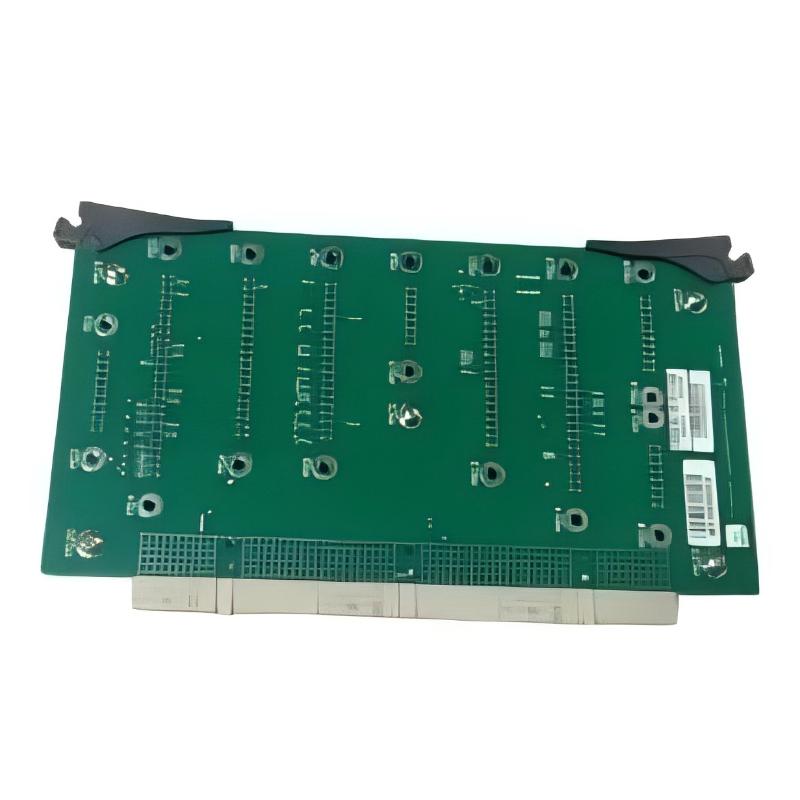
The ABB 3BUS208802-001 Standard Signal Jumper Board (SSJB) is an industrial signal distribution and interface module designed to support reliable signal routing, connection, and protection within ABB automation and control systems. It is commonly used in complex Distributed Control Systems (DCS) and process automation architectures where stable signal transmission and simplified wiring layouts are critical.
Built for high-density industrial environments, this jumper board provides a structured way to distribute field signals between control modules, reducing wiring complexity while improving system maintainability. Its robust ABB design ensures consistent performance in demanding applications such as power generation, process industries, and large-scale automation plants.
Technical Specifications
| Parameter | Details |
|---|
| Model | 3BUS208802-001 |
| Product Type | Standard Signal Jumper Board (SSJB) |
| Manufacturer | ABB |
| Function | Signal routing, distribution, and interface bridging |
| System Compatibility | ABB DCS / process automation systems |
| Signal Handling | Digital & analog signal distribution (system-dependent) |
| Electrical Isolation | Provided via internal jumper architecture |
| Communication | Passive interface / backplane integration |
| Operating Temperature | -20°C to +70°C |
| Storage Temperature | -40°C to +85°C |
| Power Requirement | Passive board (powered via system interface if applicable) |
| Dimensions | ~18 cm × 18 cm × 10 cm |
| Weight | ~0.3–1.0 kg (typically ~0.38 kg–1.0 kg depending on configuration) |
Applications
The ABB 3BUS208802-001 signal jumper board is widely used in industrial automation systems where structured signal routing and cabinet-level organization are required.
Typical applications include:
-
Power plant control and monitoring systems
-
Oil & gas process automation and instrumentation panels
-
Chemical and petrochemical production facilities
-
ABB DCS cabinet signal distribution systems
-
Industrial I/O signal routing and expansion panels
-
Turbine and generator control systems
-
Utility and substation automation infrastructure
-
Retrofit and modernization of legacy ABB systems
Its ability to simplify signal architecture makes it especially valuable in large-scale control cabinets with dense wiring requirements.
Advantages
The 3BUS208802-001 jumper board offers several operational benefits in industrial environments:
-
Simplified Signal Wiring – Reduces complex field wiring into structured internal routing
-
Improved System Organization – Enhances clarity inside control cabinets
-
Industrial Reliability – Built for continuous operation in harsh environments
-
Signal Protection Support – Helps reduce risk of interference and signal degradation
-
ABB System Integration – Designed for seamless compatibility with ABB DCS architectures
-
Maintenance Efficiency – Easier troubleshooting and module replacement
-
Scalable Architecture Support – Suitable for large multi-module control systems
These advantages make it a practical and reliable component in long-life industrial installations.
Technical FAQs (10 Questions)
1. What is the main function of the ABB 3BUS208802-001 board?
It distributes and routes control signals between system modules in ABB automation systems.
2. Is it an active or passive module?
It is primarily a passive signal interface board.
3. What systems use this board?
It is used in ABB DCS and industrial control cabinet systems.
4. What type of signals does it handle?
It supports both digital and analog signal routing depending on system configuration.
5. Does it require external power?
No, it is generally a passive interface board.
6. What is its weight?
Approximately 0.38 kg to 1.0 kg depending on configuration listings.
7. What is its operating temperature range?
From -20°C to +70°C.
8. Is it suitable for harsh environments?
Yes, it is designed for industrial-grade durability.
9. Does it improve system performance?
It improves system reliability by organizing and stabilizing signal routing.
10. Is it still used in modern systems?
Yes, especially in ABB installed base and legacy DCS infrastructure.
 A DCS Q Co., Ltd. - PLC and DCS Industrial Control Equipment Wholesale