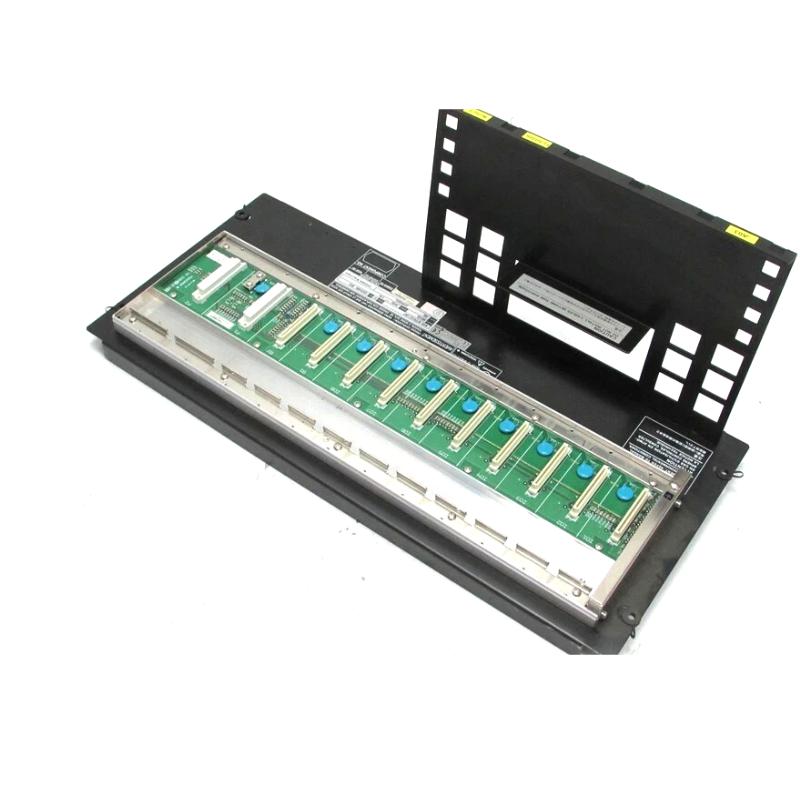
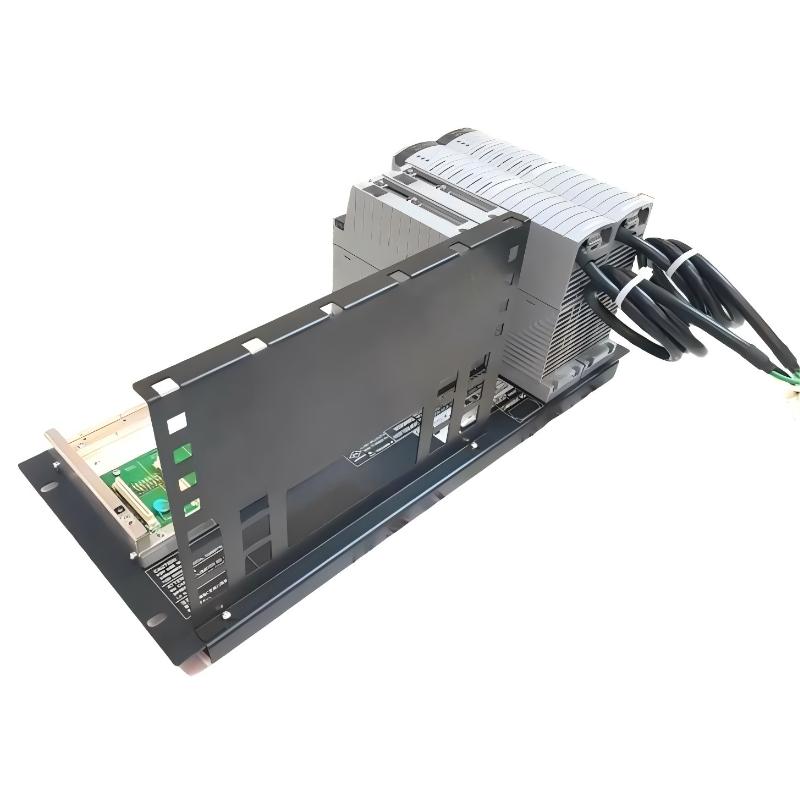
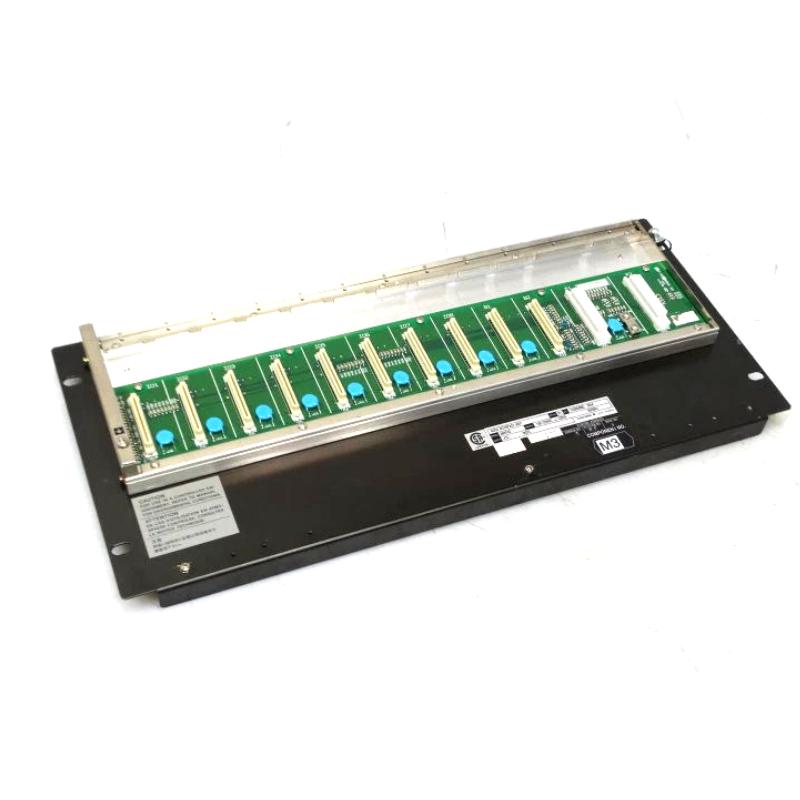
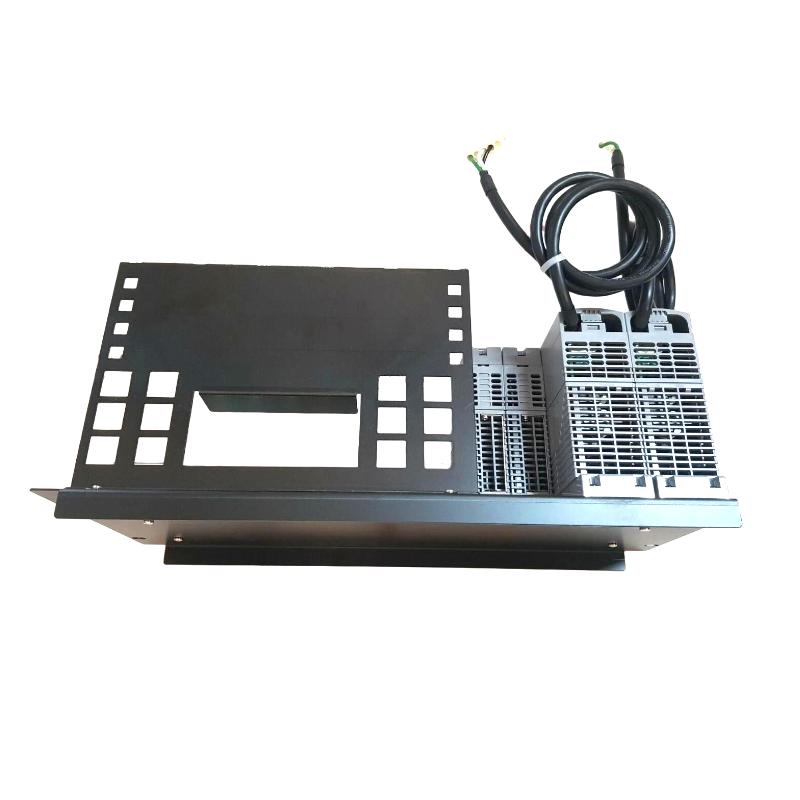
Product Perspective and Engineering Context
The ANB10D-445/CU2N reflects Yokogawa’s approach to building highly reliable and long-lasting control system components. Rather than focusing on generic networking flexibility, this unit is purpose-built for deterministic communication within ESB-based distributed control systems.
Its design prioritizes system continuity and operational predictability. In industries such as oil & gas or power generation, where process interruptions can result in significant financial and safety impacts, this module plays a critical role in maintaining stable operations.
The hardware architecture is optimized for long service life, often exceeding a decade in continuous operation. Combined with Yokogawa’s consistent software support, it ensures that the module remains a dependable part of the control system throughout its lifecycle.
Technical Specifications
| Parameter | Specification |
|---|
| Model | ANB10D-445/CU2N |
| Module Type | ESB Bus Node Unit |
| System Compatibility | Yokogawa CENTUM VP |
| Communication Protocol | ESB (Enhanced Serial Bus) |
| Redundancy Support | Yes |
| Installation | Rack-mounted |
| Operating Environment | Industrial control systems |
| Dimensions | 482.6 × 221.5 × 205 mm |
| Weight | 10 kg (22.05 lb) |
Deployment in Complex Control Networks
The Yokogawa ANB10D-445/CU2N ESB Bus Node Unit is typically deployed in highly structured distributed control environments where communication integrity and system segmentation are essential. It is frequently used in large petrochemical complexes, refinery process units, and integrated energy facilities where multiple control domains must operate cohesively.
This module functions as a key node within the ESB (Enhanced Serial Bus) network, facilitating communication between field control stations (FCS) and supervisory layers. In practice, it is often installed in central control rooms or remote equipment rooms, acting as a communication bridge that ensures stable data exchange across geographically distributed plant areas.
Engineers often select this model variant in projects where system expansion or migration requires maintaining strict compatibility with existing Yokogawa architectures while improving communication resilience.
Operational Strengths and System-Level Benefits
From a control system engineering perspective, the ANB10D-445/CU2N delivers consistent and predictable communication performance. Its deterministic data handling ensures that control signals are transmitted within fixed time intervals, which is critical for maintaining process stability in continuous operations.
One of its major advantages is redundancy capability. When configured in dual-node architecture, the unit enables seamless failover between primary and standby communication paths. This design significantly reduces the risk of system downtime, making it suitable for industries where uninterrupted operation is mandatory.
The module also demonstrates strong resistance to industrial environmental challenges, including electromagnetic interference and temperature fluctuations. This robustness allows it to maintain stable operation in demanding plant conditions over extended periods.
Another notable benefit is its tight integration with Yokogawa engineering tools. Configuration, diagnostics, and monitoring are streamlined, allowing engineers to manage system performance efficiently without introducing unnecessary complexity.
Technical FAQs
1. What is the primary function of the ANB10D-445/CU2N?
It serves as a communication node within the ESB network, linking control stations and ensuring stable data exchange.
2. Does it support redundant configurations?
Yes, it is designed to operate in dual-redundant ESB setups for high availability.
3. What systems is it compatible with?
It is intended for Yokogawa CENTUM VP and related distributed control systems.
4. How does it maintain communication stability?
Through deterministic transmission cycles and automatic failover mechanisms in redundant configurations.
5. Can it be used in large-scale plants?
Yes, it is specifically designed for large, complex industrial environments with extensive control networks.
6. What type of mounting does it require?
It is installed in a rack-mounted configuration within control cabinets.
7. How are faults detected and diagnosed?
Built-in diagnostic functions provide real-time status monitoring via Yokogawa engineering software.
8. Is it suitable for harsh industrial environments?
Yes, it is built to withstand electrical noise, temperature variation, and continuous operation.
9. Can it be integrated into existing systems without major redesign?
Yes, it is often used in system upgrades due to its compatibility with legacy Yokogawa infrastructure.
10. What is its role in system scalability?
It enables structured expansion by maintaining stable communication across additional control nodes.
 A DCS Q Co., Ltd. - PLC and DCS Industrial Control Equipment Wholesale