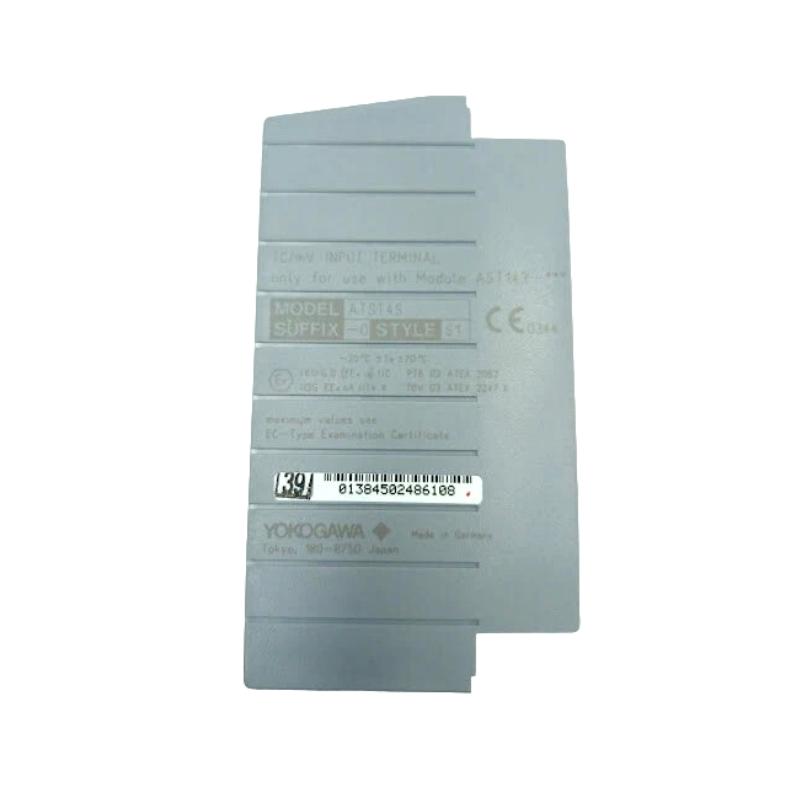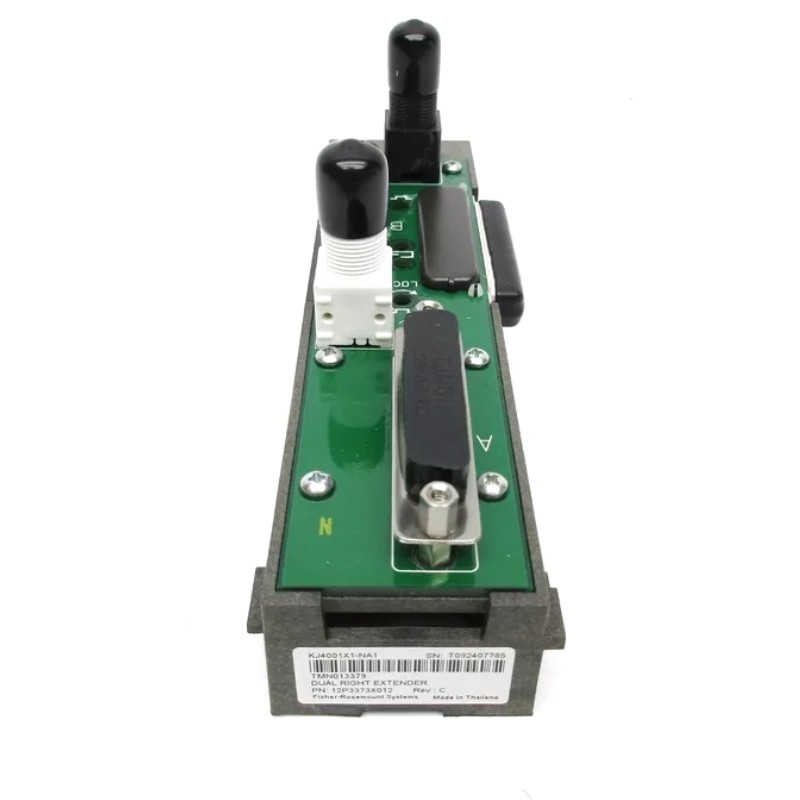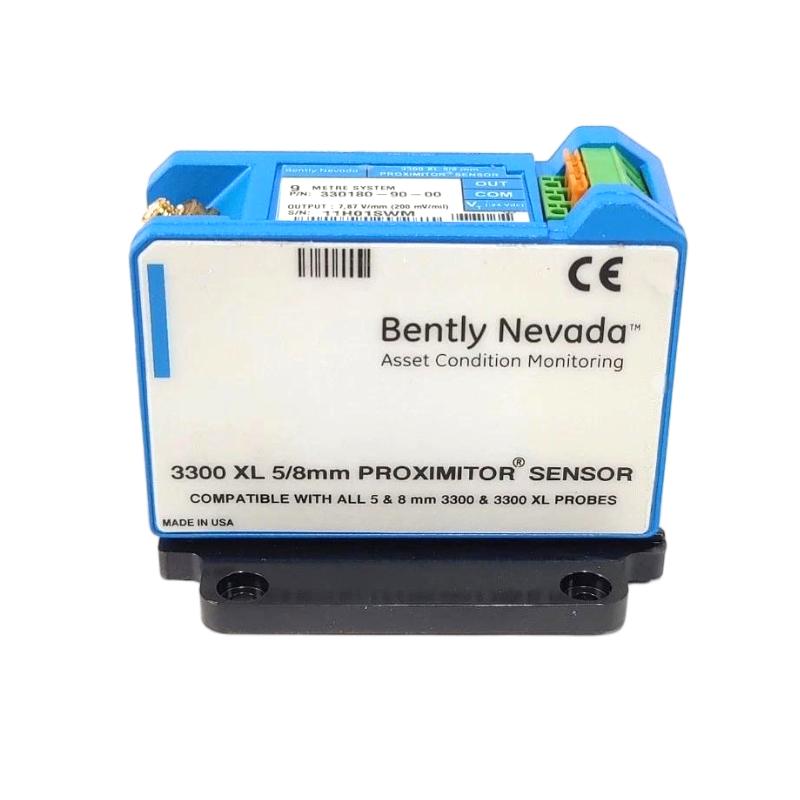
Introduction
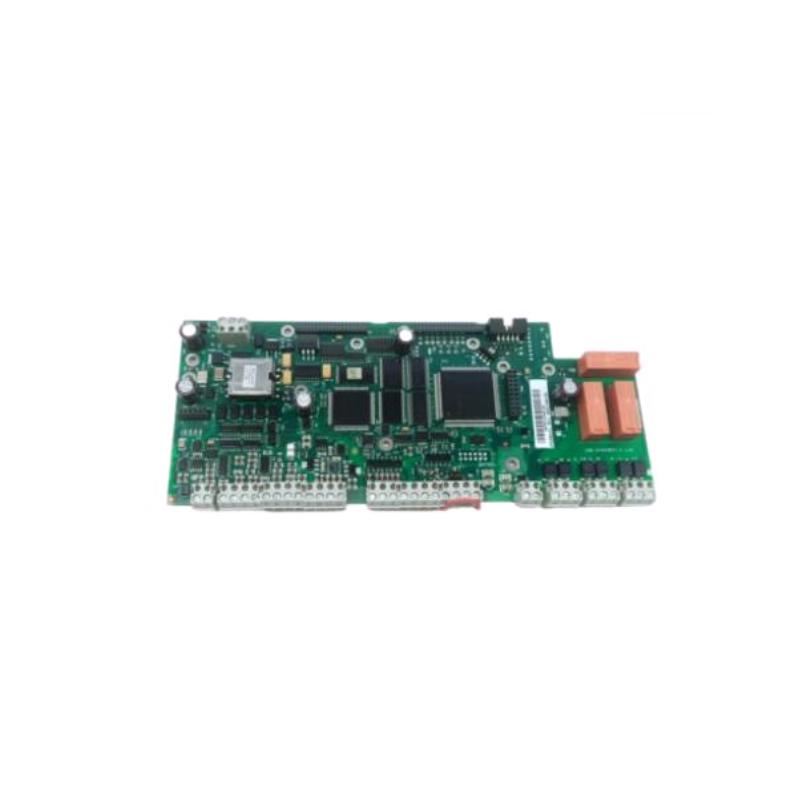
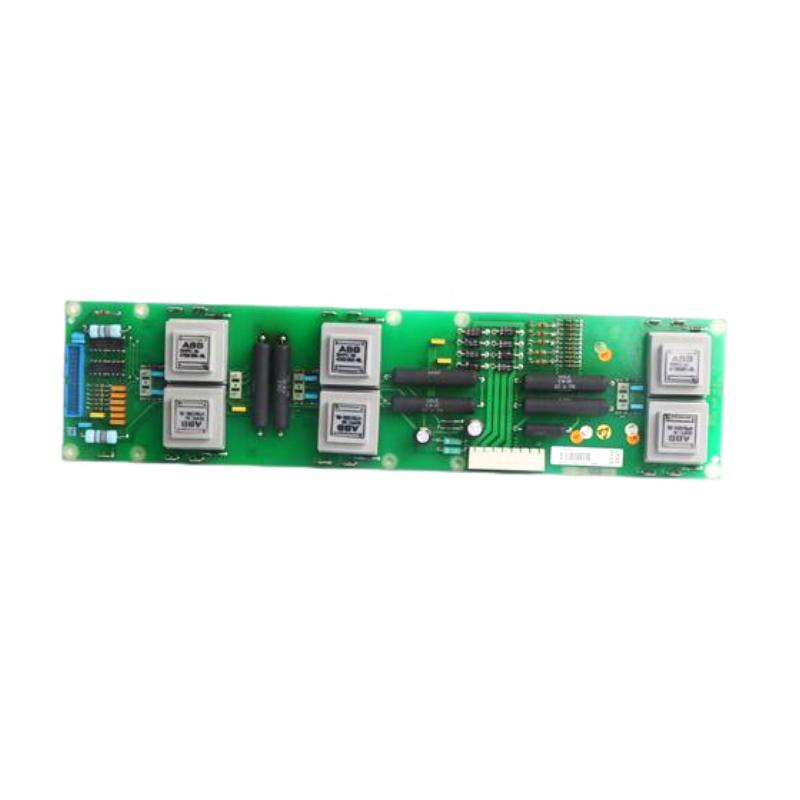
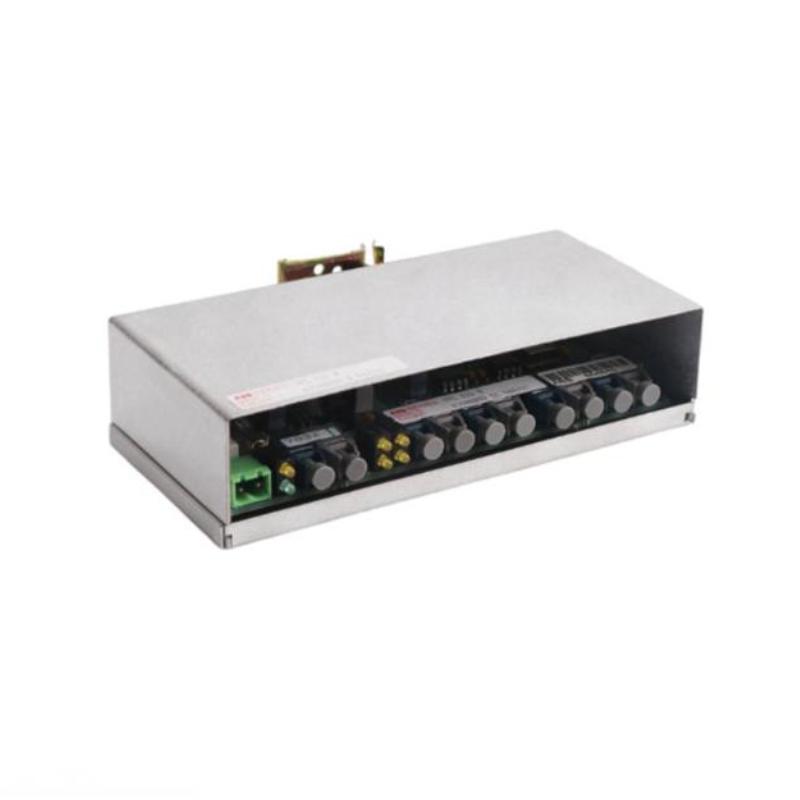
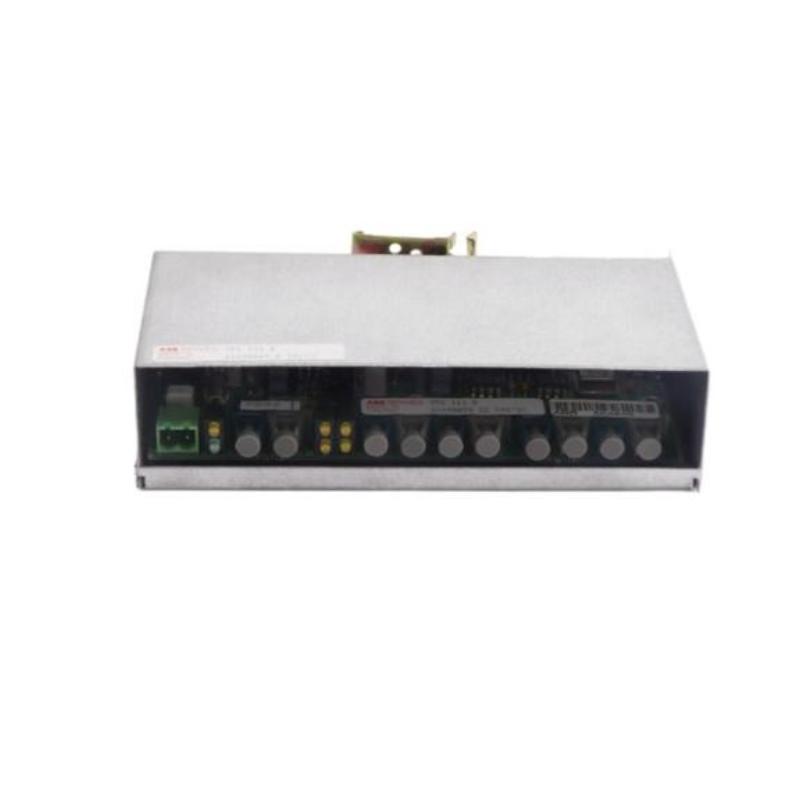
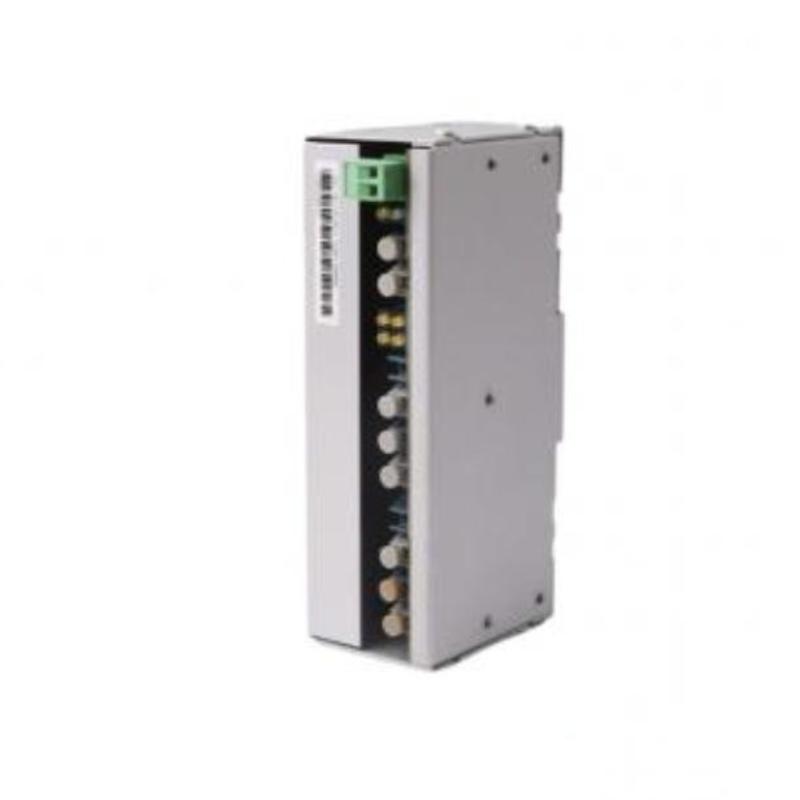
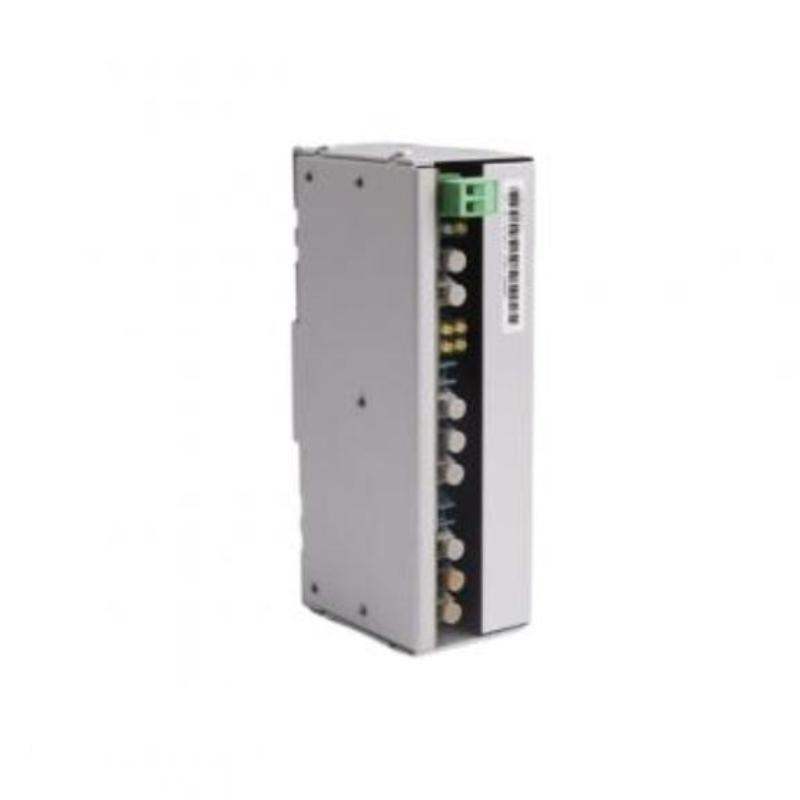
The ABB YPC111B 3AFE81010625 Controller is an industrial-grade automation control module designed for high-reliability distributed control systems (DCS) and PLC-based industrial architectures. It is widely used in ABB legacy automation platforms where stable signal processing, precise control execution, and long-term operational continuity are required.
Engineered for demanding environments such as power generation, process automation, and heavy industrial manufacturing, the YPC111B acts as a key control and interface component within larger ABB control ecosystems. Its robust design ensures consistent performance even in electrically noisy and thermally challenging conditions, making it a trusted solution for mission-critical applications.
Technical Specifications
| Parameter | Details |
|---|
| Model | YPC111B |
| Part Number | 3AFE81010625 |
| Product Type | Controller Module / Control Interface Board |
| Manufacturer | ABB |
| System Compatibility | ABB DCS / PLC legacy automation systems |
| Function | Signal processing, control coordination, system interfacing |
| Control Architecture | Distributed industrial control system integration |
| Communication | Backplane / internal system bus |
| Input/Output Type | Digital & analog interface (system-dependent configuration) |
| Operating Voltage | 24 V DC (typical industrial supply) |
| Power Consumption | Low-power embedded controller design |
| Operating Temperature | 0°C to +55°C |
| Storage Temperature | -25°C to +70°C |
| Dimensions | 18.5 cm × 12.0 cm × 3.2 cm |
| Weight | 0.68 kg |
Applications
The ABB YPC111B controller is commonly used in complex industrial systems where stable control logic and reliable signal coordination are essential.
Typical applications include:
-
Power plant automation and turbine control systems
-
Oil & gas refining and pipeline monitoring systems
-
Chemical processing and reactor control environments
-
Steel and metal production automation lines
-
Water treatment and utility infrastructure systems
-
ABB legacy DCS and PLC system maintenance
-
Industrial retrofit and modernization projects
-
Heavy manufacturing process automation
Its strong presence in legacy ABB systems makes it especially valuable for plant lifecycle extension and spare-part replacement strategies.
Advantages
The YPC111B controller delivers strong operational reliability and system compatibility in industrial environments where downtime is costly.
-
High System Stability – Ensures consistent control performance under continuous operation
-
Industrial-Grade Durability – Designed for harsh electrical and thermal conditions
-
Seamless ABB Integration – Optimized for ABB legacy control architectures
-
Compact Form Factor – Saves space in dense control cabinets
-
Long Lifecycle Support – Ideal for maintenance of installed industrial systems
-
Reliable Signal Coordination – Maintains accurate control across distributed systems
-
Low Maintenance Requirements – Reduces operational service interruptions
This combination of reliability and compatibility makes it a preferred choice for long-term industrial automation continuity.
Technical FAQs (10 Questions)
1. What is the ABB YPC111B used for?
It is used as a controller module for signal processing and system coordination in industrial automation systems.
2. Which ABB systems support this controller?
It is typically used in ABB DCS and legacy PLC-based platforms.
3. Is it a PLC or DCS component?
It functions primarily as a DCS controller module with PLC-like control capabilities.
4. What industries use this module?
Power generation, oil & gas, chemical processing, and heavy manufacturing.
5. What is its operating voltage?
Usually 24 V DC depending on system configuration.
6. Is it still widely used today?
Yes, mainly in installed base systems and industrial maintenance environments.
7. What is the weight of the module?
Approximately 0.68 kg.
8. Can it operate in harsh environments?
Yes, it is designed for industrial temperature and electrical stability conditions.
9. Does it support modern communication protocols?
It mainly operates through ABB internal system buses rather than modern open protocols.
10. Is it suitable for system upgrades?
Yes, it is commonly used in retrofit and spare replacement applications.
 A DCS Q Co., Ltd. - PLC and DCS Industrial Control Equipment Wholesale